Child water safety rules for parents: Comparing pool and beach prep
Key Takeaways
Child water safety rules are vital for working parents planning vacations. Compare indoor pool safety with open water hazards to ensure a secure environment.
Child water safety rules for parents: Comparing pool and beach prep
It's been 10 years since I first worked as a seasonal lifeguard during college, and my perspective on water safety has shifted entirely since becoming a stay-at-home dad. Back then, I viewed the pool as a place of rules and whistles, but now, I see it through the lens of a parent who is constantly calculating risks. The shift from being the person in the high chair to the person in the water with a toddler has highlighted just how much the environment dictates the safety protocol. Managing a child in a controlled hotel pool is a world away from managing them on a windy coastline, and understanding these differences is the first step in preventing accidents.
This article provides general information only regarding child water safety and is not intended as medical advice, professional rescue training, or a substitute for certified swimming instruction. Drowning is a serious risk that requires constant vigilance. If you have concerns about your child's health or safety skills, please consult a pediatrician or a certified water safety professional for personalized guidance.
What are the foundational rules for water newcomers?
This section is for parents with infants or toddlers who are just starting their journey with water play. At this stage, the primary goal is not swimming technique but total environmental control and physical proximity. For a newcomer, the 'water' might just be a shallow plastic tub or a baby pool, but the risks are still present.
The most critical rule for this level is 'touch supervision.' In my experience, many parents get lulled into a sense of security because the water is shallow. However, a child can drown in as little as 5 centimeters of water. Touch supervision means that an adult is within arm's reach of the child at all times, able to physically reach out and touch them. This isn't just about being in the same room; it is about being close enough to intervene in less than 1 second.
For example, if you are at a shallow splash pad, you might feel comfortable sitting on a bench 3 meters away. However, a small child can slip on a wet surface and become disoriented or submerged instantly. By maintaining a distance of less than 1 meter, you eliminate the travel time required to assist them. Another foundational element is the 'Water Watcher' system. This involves designating one adult who has no other task but to watch the children in the water. This person should not be on their phone, reading a book, or engaged in conversation. According to a 2023 report by the U.S. Consumer Product Safety Commission (CPSC), nearly 70% of drowning incidents involving children occurred when they were not expected to be in the pool, often during a lapse in supervision.
Essential Safety Gear for Beginners
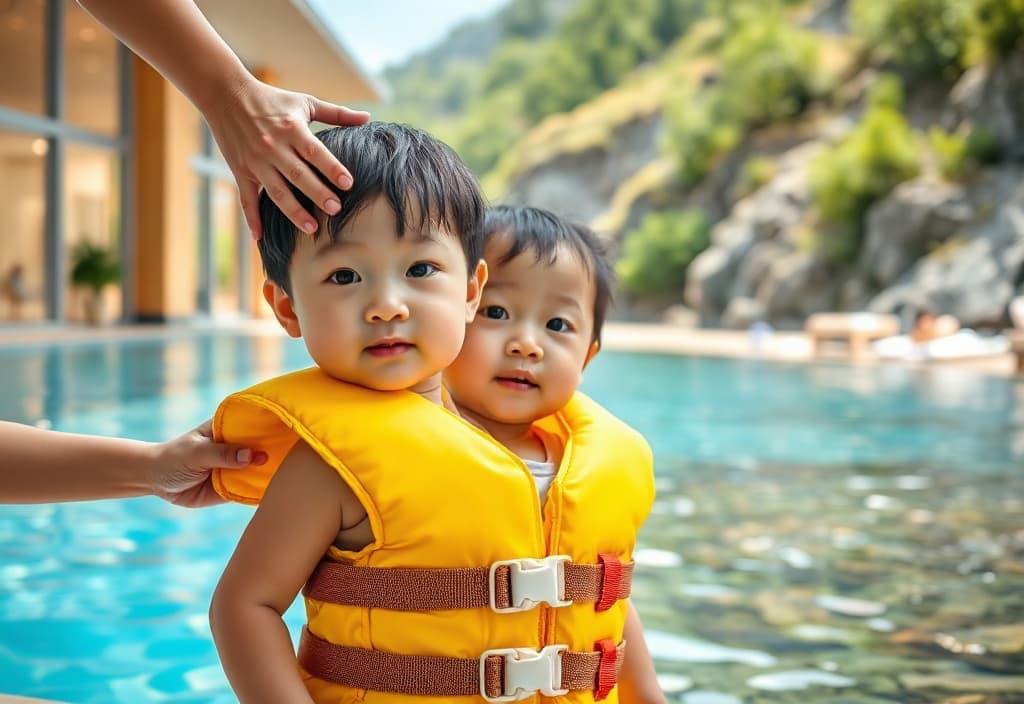
- USCG-Approved Life Jackets: Look for the 'U.S. Coast Guard Approved' label on the inside of the vest. These are categorized by weight ranges, such as 14–23kg for toddlers.
- Bright Swimwear: Avoid blue or green swimsuits which blend into the water. Instead, choose neon orange, yellow, or pink. This increases visibility by up to 40% in murky or turbulent water.
- Sun Protection: Use broad-spectrum sunscreen with at least 50 SPF, applied 20 minutes before water exposure.
How do safety needs change when moving to public pools and water parks?
This level is for parents of preschool and school-aged children who have some water experience but are now entering more complex environments like public pools or large water parks. The transition from a quiet backyard or hotel pool to a crowded public facility introduces new variables like noise, crowd density, and mechanical hazards like pool drains.
In a public pool setting, the '10/20 rule' is a professional standard that parents should adopt. This rule requires scanning the entire area under your watch every 10 seconds and being able to reach a child in distress within 20 seconds. In practice, this means your eyes are constantly moving across the water's surface, looking for signs of struggle. It is a common mistake to assume that a drowning child will splash and scream. In reality, drowning is often silent; the child's mouth sinks below and rises above the surface too quickly to draw a breath, let alone shout for help.
Specifically, when comparing a hotel pool to a water park, the primary difference is the movement of the water. Water parks often feature 'lazy rivers' or wave pools. In these environments, even a child who is a decent swimmer can be overwhelmed by the force of the waves or the density of other people in the water. I have observed that parents often relax at water parks because there are dozens of lifeguards on duty. However, a lifeguard is responsible for the entire zone, while you are responsible for your specific child. Never outsource your child's safety entirely to a lifeguard.
Comparison: Pool vs. Water Park Safety
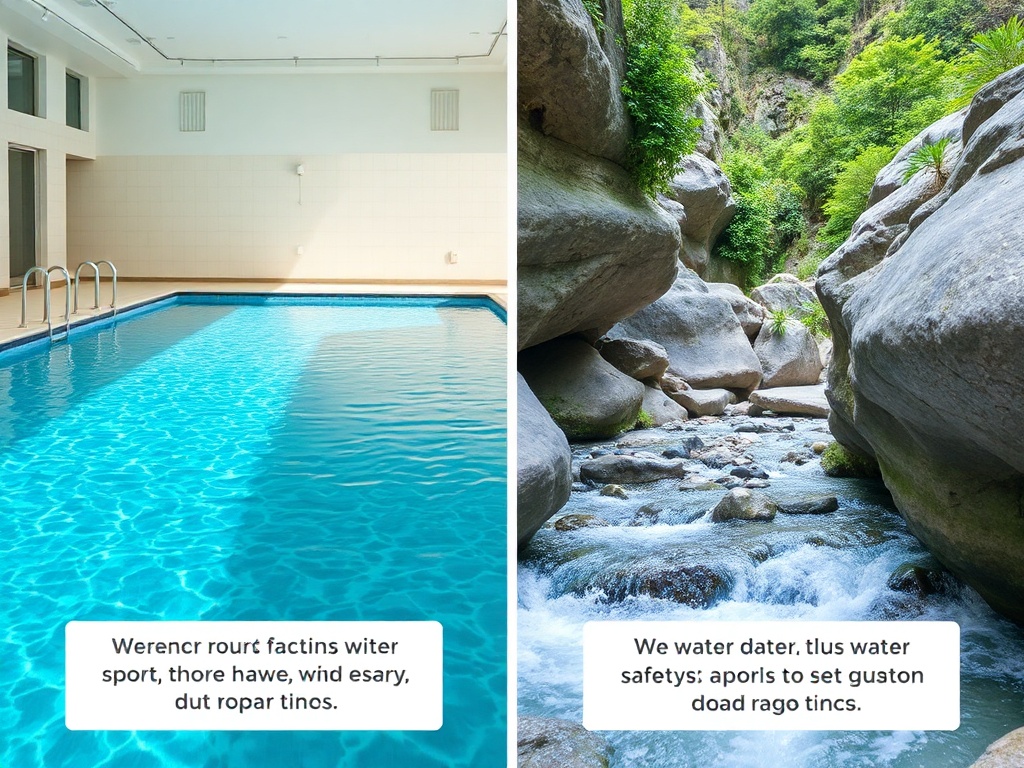
- Visibility: Pools generally have clear water and flat surfaces. Water parks have splashing, bubbles, and waves that can obscure a child's location.
- Entrapment Risks: Public pools have large drains. Teach children to stay away from pool drains or suction fittings, as these can trap hair or limbs with immense force.
- Chemical Sensitivity: Large public facilities use higher concentrations of chlorine. Ensure children rinse off immediately after swimming to prevent skin irritation and eye redness.
- Crowd Factors: In a crowded pool, a submerged child can be mistaken for a shadow or a discarded toy. Use 'active scanning' where you specifically look for heads above water and count your children every 60 seconds.
Why is open water safety considered the most advanced challenge?
This section is for families planning trips to the ocean, lakes, or rivers. These environments are unpredictable and require a much higher level of risk assessment than any man-made pool. Even for a child who has completed several years of swimming lessons, open water presents challenges like currents, temperature drops, and limited underwater visibility.
The biggest mistake parents make at the beach is underestimating the power of a rip current. A rip current is a narrow, powerful channel of water flowing away from the shore. Even a 30cm deep current can knock a small child off their feet and pull them into deeper water. In this advanced stage of safety, you must learn to read the water. Look for gaps in the waves, discolored water (sandy or dark), or foam moving out to sea. These are indicators of a rip current.
Inland lakes and rivers present different advanced risks, such as 'cold shock.' Even on a warm day, the water temperature in a deep lake can be significantly lower than the surface. If a child falls in, the sudden cold can cause an involuntary gasp reflex, leading them to inhale water. Furthermore, underwater obstacles like submerged logs or rocks are common in natural bodies of water. In practice, this means children should always wear a life jacket in open water, regardless of their swimming ability. A 2022 study by the National Drowning Prevention Alliance found that 80% of open water drowning victims were not wearing a life jacket at the time of the incident.
Advanced Mitigation Strategies
- The Lanyard Technique: When in moving water like a river or beach, use a physical tether or stay within 'grabbing distance' (less than 0.5 meters) if the child is not a strong swimmer.
- Weather Monitoring: Always check the 'Small Craft Advisory' or local beach flags. A red flag means high hazard and generally means children should stay out of the water entirely.
- Feet First Entry: Never allow children to dive into open water. Hidden rocks or shallow bottoms can cause spinal injuries. Always enter feet first to gauge depth and obstacles.
Common Mistakes and Warnings
While we all try our best, there are several persistent myths and errors that can lead to dangerous situations. Recognizing these can save lives.
- Warning: The False Security of Flotation Toys. Many parents use 'Puddle Jumpers' or inflatable rings as safety devices. These are not substitutes for supervision. They can tilt a child into a face-down position that the child cannot correct on their own.
- Warning: The 'Dry Drowning' Myth. While 'secondary drowning' is a real medical concern involving fluid in the lungs, the internet often exaggerates the frequency of children 'drowning days later.' Focus on immediate symptoms like persistent coughing or extreme fatigue rather than dwelling on rare medical anomalies.
- Warning: Distracted Watching. In my experience, the most dangerous time at a pool is during a transition—like when parents are packing up bags or applying sunscreen. Drowning can happen in the 30 seconds it takes to search for a lost sandal.
FAQ on Child Water Safety
What should I do if my child swallows a large amount of water but seems fine?
If a child has a significant 'near-drowning' event where they coughed or sputtered after being submerged, it is important to monitor them closely for the next 24 hours. Look for signs of respiratory distress, such as rapid shallow breathing, flaring nostrils, or a 'pulling' in the chest muscles. If the child becomes unusually sleepy or develops a persistent, wet cough, take them to an emergency room immediately for an evaluation of their lung function. Even if they seem okay initially, small amounts of water can cause inflammation in the lungs over several hours.
Is it safe to swim immediately after eating a full meal?
There is no scientific evidence to support the old myth that you must wait 30 to 60 minutes after eating before swimming to avoid cramps. While a very large meal might make a child feel sluggish or lead to minor stomach discomfort, it does not pose a significant drowning risk. However, it is a good idea to ensure the child is hydrated and has had a light snack to maintain energy levels during active play. The more important timing factor is ensuring they have had a 'bathroom break' to avoid accidents in the pool which can lead to facility closures for sanitation.
How can I make a backyard pool safer if I have a toddler?
For a private pool, a 'layers of protection' approach is the gold standard. This includes a 1.2-meter high fence with a self-closing, self-latching gate that surrounds the pool on all four sides. Additionally, pool alarms that sound when the water surface is broken can provide an extra layer of warning. Never leave toys floating in the pool after swimming is finished, as these can tempt a toddler to reach for them and fall in. According to the CPSC, most backyard drownings occur when the child was thought to be inside the house, so ensuring all exit doors have high-up locks is essential.
Conclusion
Water safety is not a single rule but a collection of habits that adapt as your child grows and moves through different environments. Whether you are at a backyard pool or a crowded beach, the fundamental principles of proximity and vigilance remain the same. By moving from the basics of touch supervision to understanding complex open water currents, you can create a safer environment for your family.
To summarize the key points from our comparison:
Supervision is active, not passive. Always designate a 'Water Watcher' who is free from distractions like phones or books.
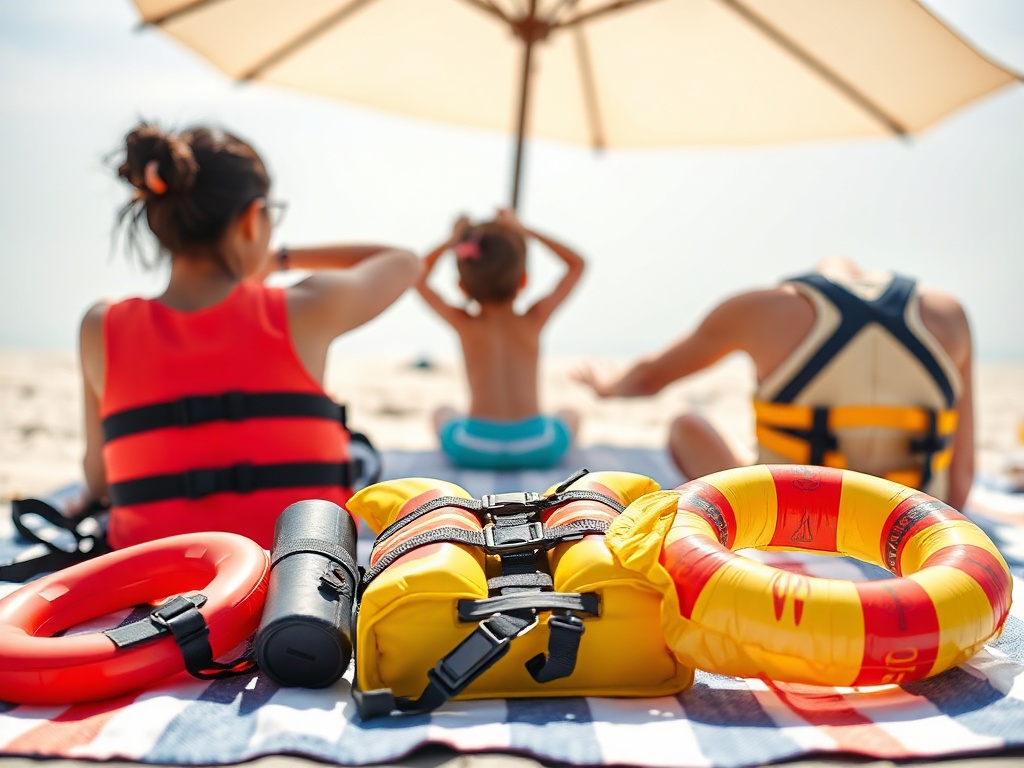
Environment dictates the gear. Use USCG-approved life jackets for open water and bright, neon-colored swimwear for all environments to maximize visibility.
Understand the specific risks. Pools present chemical and drain hazards, while open water introduces unpredictable currents and temperature changes. One specific action you can take today is to purchase a bright neon orange or pink swimsuit for your child. Discard any blue or light green suits that might blend in with the water's surface, as this simple change can drastically improve your ability to spot your child in a crowded or turbulent swimming area.
Previous
Shared Parenting Roles: How Fathers Can Lead in Multi-Child Homes
Next
Child water safety rules for parents: Comparing pool and beach prep
More in Parenting
A Working Parent's Guide to Children's Eye Care: Protecting Your Firstborn's Vision
A practical guide for busy working parents on protecting their firstborn's vision. Learn how to spot early warning signs, set up healthy home lighting, and build simple routines.
Is It Puberty Rebellion or Teen Anxiety? A 2-Week Guide for Exhausted Parents
Unsure if your teenager is going through normal puberty or experiencing deep emotional anxiety? Discover the 2-week observation method and a daily 5-minute checklist.

Childhood Hives Causes and Management for School-Aged Kids
Childhood hives can be triggered by stress, temperature, or infection. Learn how to manage triggers and decide when your child is ready for school or daycare.

Side Dish Refusal in Toddlers: Strategies for Multi-Child Homes
Learn why children refuse side dishes after a second baby arrives and how to manage picky eating with age-specific strategies and consistent mealtime routines.