Teen Bedtime Routine: A Practical Guide for Better Sleep
Key Takeaways
Learn how to build a teen bedtime routine that works. Discover practical tips on digital detox, sleep hygiene, and biological factors for better adolescent rest.
Teen Bedtime Routine: A Practical Guide for Better Sleep
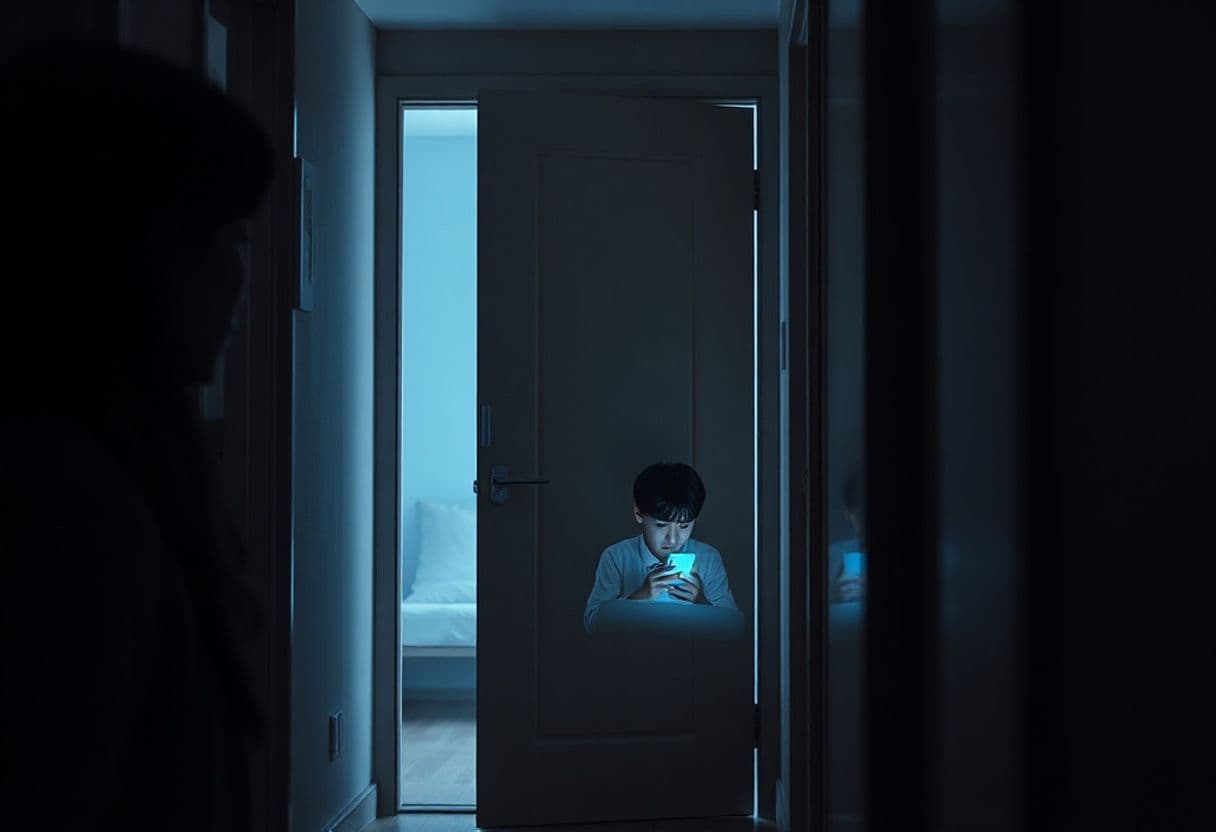
If you're dealing with a teenager who stays up until 2:00 AM scrolling through their phone only to struggle through a 7:00 AM wake-up call, you know the frustration of the late-night battle. As a stay-at-home dad, I have spent a lot of time observing how our family dynamics change as the kids grow, and I have noticed that the transition into the teenage years brings a unique set of challenges regarding sleep. Much of the parenting advice available online is focused on toddlers or infants, but the sleep needs of a teenager are just as critical and often more complex due to biological and social factors. This article provides general information only and does not constitute medical diagnosis, treatment, or professional health advice. If you are concerned about your child's health or sleep patterns, please consult a qualified medical professional or a sleep specialist for personalized guidance.
Why is a structured bedtime routine essential for adolescent health?
The core answer to creating a successful teen bedtime routine lies in understanding the biological shift known as the delayed sleep phase. Unlike younger children, teenagers experience a natural delay in their circadian rhythm, meaning their bodies do not feel tired until much later in the evening, often around 11:00 PM or midnight. To counter this while still meeting the recommended 8–10 hours of sleep suggested by the Centers for Disease Control and Prevention (CDC, 2022), a routine must focus on three pillars: a 60-minute digital detox, a consistent physical environment, and a gradual wind-down period that cues the brain for rest. By focusing on these elements, you help bridge the gap between their biological clock and the early-morning demands of school schedules.
Teenagers are in a high-growth phase where their brains are undergoing significant remodeling. During sleep, the brain processes information from the day, consolidates memory, and clears out metabolic waste. When a routine is absent, the brain remains in a state of high alertness, fueled by the blue light from screens and the dopamine hits of social media. Establishing a routine is not about control or punishment; it is about providing the physiological infrastructure the body needs to function. In my experience, framing the conversation around performance—whether in sports, academics, or mood regulation—tends to resonate better with teens than simply setting a strict 'lights out' rule.
How can parents effectively implement a digital curfew?
The most significant barrier to sleep in the modern age is the smartphone. According to a 2018 survey by the American Academy of Pediatrics (AAP), approximately 73% of high school students do not get enough sleep on school nights, and screen use is a primary contributor. Implementing a digital curfew is perhaps the hardest but most impactful part of a routine. Specifically, all electronic devices should be turned off or moved to a central charging station outside the bedroom at least 60 minutes before the intended sleep time. This is not just to avoid the distraction of notifications, but to limit exposure to blue light, which has been shown to suppress the production of melatonin, the hormone responsible for sleep.
In practice, I found that setting a 'charging station' in the kitchen or hallway for the whole family makes this feel less like a targeted rule for the teen and more like a collective family habit. When everyone drops their phone at 9:30 PM, it normalizes the behavior. For a teenager, the fear of missing out (FOMO) is a powerful motivator to stay online. By removing the device from the room, you remove the internal conflict of whether or not to check a message. This 60-minute window should be filled with low-stimulation activities, such as reading a physical book, journaling, or listening to calm music.
The role of the wind-down hour
The hour before sleep should be viewed as a transition zone. You cannot expect a teenager to go from a high-intensity video game or a complex homework assignment straight into deep sleep. The brain needs time to decelerate. This period should involve a sequence of predictable steps. For example, a warm shower about 90 minutes before bed can help. While the shower warms the body, the subsequent cooling of the body temperature afterward serves as a biological signal to the brain that it is time to sleep.
- Start the wind-down 60 minutes before the target sleep time.
- Dim the lights in the main living areas to encourage natural melatonin production.
- Engage in non-digital hobbies like sketching or building models.
- Prepare clothes and school bags for the next day to reduce morning anxiety.

What environmental factors contribute to better sleep quality for teens?
The physical environment of the bedroom plays a massive role in how quickly a teenager can fall asleep and stay asleep. Many teens treat their beds as an all-purpose hub—a place to do homework, eat snacks, and watch movies. This creates a psychological association between the bed and being awake and productive. To improve sleep hygiene, the bed should be reserved strictly for sleep. If they need to study, encourage them to use a desk or a different area of the house. This helps the brain recognize that 'bed equals sleep.'
Temperature and light are also critical. Most sleep experts, including those from the National Sleep Foundation, suggest that the ideal room temperature for sleep is between 18–22 degrees Celsius (64–72 degrees Fahrenheit). A room that is too warm can lead to restless sleep and frequent waking. Additionally, ensuring the room is as dark as possible is vital. Blackout curtains can be a worthwhile investment, especially if there are streetlights outside the window. Even small LED lights from power strips or chargers can be disruptive, so covering those or moving them out of the line of sight is a simple but effective step.
Managing noise and comfort
Some teenagers find that absolute silence is unsettling, while others are easily woken by household noises. In our home, we found that using a white noise machine or a simple fan provides a consistent sound backdrop that masks the sounds of late-night traffic or other family members moving around. Comfort also extends to the bedding. While it might seem like a minor detail, ensuring the mattress and pillows provide adequate support is essential during the rapid physical growth spurts common in adolescence.
- Keep the room temperature between 18–22 degrees Celsius.
- Use blackout curtains to eliminate external light sources.
- Reserve the bed for sleep only, moving homework to a desk.
- Consider a white noise machine if the environment is prone to sudden sounds.
Common pitfalls and things to watch for
One of the most common mistakes I see parents make is allowing the 'weekend shift.' It is very common for teens to stay up until 3:00 AM on Friday and Saturday and sleep until noon. While this feels like 'catching up' on sleep, it actually shifts their internal clock, making it nearly impossible to fall asleep at 10:00 PM on Sunday. This leads to a miserable Monday morning and sets a poor tone for the rest of the school week. Consistency is the most powerful tool in your arsenal. While a little flexibility is fine, the wake-up time on weekends should ideally stay within 90 minutes of the weekday time.
Another pitfall is the consumption of hidden caffeine. Most parents know to avoid soda or coffee late at night, but caffeine can be found in unexpected places like chocolate, certain teas, or even flavored waters and 'energy' snacks. A good rule of thumb is a strict caffeine cutoff at 3:00 PM. Anything consumed after this time can still be in the system at bedtime, as the half-life of caffeine is roughly 5–6 hours. For example, if a teen has a caffeinated energy drink at 5:00 PM, half of that caffeine is still active in their brain at 10:00 PM or 11:00 PM.
Watch out for these sleep-disrupting habits
- Inconsistent weekend schedules: Sleeping in too late on Sundays creates 'social jetlag.'
- Late-night exercise: While physical activity is great, intense exercise within 2–3 hours of bedtime raises core body temperature and heart rate, making it harder to settle down.
- Doing homework in bed: This blurs the line between a place of rest and a place of stress.
- Excessive napping: A 2-hour nap at 4:00 PM will almost certainly ruin the nighttime routine.
- Heavy meals late at night: Digesting a large, spicy, or sugary meal can cause discomfort and wakefulness.
Warning: When to seek professional help
While a routine can solve many common sleep issues, it is important to recognize when the problem might be more serious. If a teenager consistently struggles to fall asleep despite a perfect routine, or if they seem excessively sleepy during the day even after getting 9 hours of rest, there may be an underlying issue. This guide is for general informational purposes and is not a substitute for professional medical advice. Conditions such as sleep apnea, restless leg syndrome, or clinical insomnia require a diagnosis from a healthcare provider. Furthermore, sleep struggles are often linked to mental health concerns such as anxiety or depression. If you notice significant changes in your child's mood, appetite, or social behavior alongside sleep problems, please consult a qualified professional immediately.
Summary and Action Plan
Creating a bedtime routine for a teenager requires a balance of biological understanding, environmental control, and consistent boundaries. By focusing on the transition from the digital world to a physical state of rest, you can help your child get the sleep they need to thrive. Remember that consistency across the entire week, including weekends, is the key to long-term success. Changing habits takes time, and it is normal to face some resistance initially, but the benefits to their physical and mental health are well worth the effort.
To summarize the key points:
- Prioritize the Digital Detox: Remove screens at least 60 minutes before bed to allow melatonin to rise naturally.
- Optimize the Environment: Keep the bedroom cool, dark, and dedicated solely to sleep.
- Maintain Consistency: Keep wake-up times within a 90-minute window every day of the week to prevent social jetlag. One specific action to take today: Sit down with your teenager and agree on a 'device-free' zone and a central charging station location that will be used starting tonight. Getting their input on where the phones should go can help them feel like a participant in the process rather than a subject of a new rule.
Previous
Daycare vs Home Care: A Complete Guide for Working Parents
Next
Teen Bedtime Routine: A Practical Guide for Better Sleep
More in Parenting
A Working Parent's Guide to Children's Eye Care: Protecting Your Firstborn's Vision
A practical guide for busy working parents on protecting their firstborn's vision. Learn how to spot early warning signs, set up healthy home lighting, and build simple routines.

Is It Puberty Rebellion or Teen Anxiety? A 2-Week Guide for Exhausted Parents
Unsure if your teenager is going through normal puberty or experiencing deep emotional anxiety? Discover the 2-week observation method and a daily 5-minute checklist.

Childhood Hives Causes and Management for School-Aged Kids
Childhood hives can be triggered by stress, temperature, or infection. Learn how to manage triggers and decide when your child is ready for school or daycare.

Side Dish Refusal in Toddlers: Strategies for Multi-Child Homes
Learn why children refuse side dishes after a second baby arrives and how to manage picky eating with age-specific strategies and consistent mealtime routines.