Seasonal Allergy Management for Cats: Effective Relief Strategies
Key Takeaways
Seasonal allergy management for cats involves identifying triggers and modifying the home environment. Learn how to provide relief for your cat today.
Seasonal Allergy Management for Cats: Effective Relief Strategies
It's been nine years since I first observed my indoor-only cat developing a patch of raw, red skin just above her eyes every time the late-April breeze began to blow. At the time, I assumed an indoor environment shielded her from the outside world, but I quickly realized that pollen and mold spores are persistent travelers. Over the nearly a decade that followed, I have refined a system for managing these seasonal flare-ups, moving from reactive treatments to a proactive environmental strategy that keeps her comfortable year-round. This guide provides general information regarding feline seasonal allergies and is not intended as a substitute for professional veterinary diagnosis or treatment. Always consult your veterinarian before starting any new health regimen for your pet.
Why Do Cats Suffer More During Seasonal Transitions?
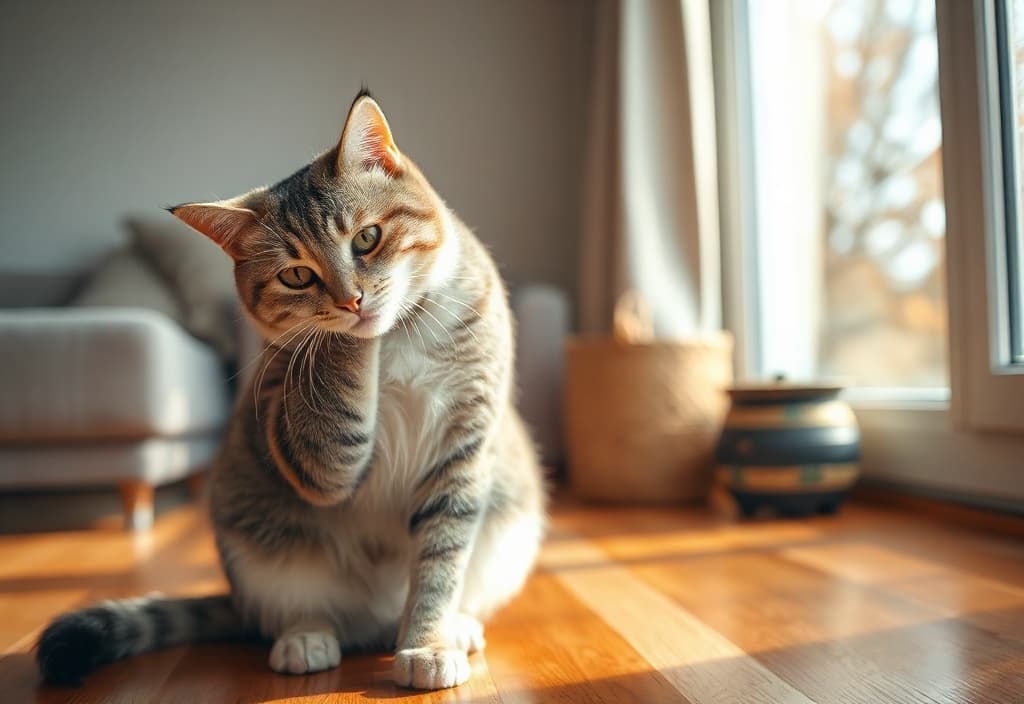
The fundamental problem many cat owners face is the sudden onset of obsessive grooming, scratching, and sneezing in their feline companions as the weather shifts. Unlike humans, who primarily experience hay fever through watery eyes and runny noses, cats often manifest allergies through their skin. This condition, known as feline atopy, occurs when a cat's immune system overreacts to common environmental substances. When a cat encounters an allergen, their body produces IgE antibodies, which trigger the release of histamine. In the feline body, this histamine release frequently targets the dermis, leading to intense pruritus, or itching.
This itching is not just a minor annoyance; it can lead to a cycle of self-mutilation. For example, a cat might lick a single area so intensely that they develop 'hot spots' or miliary dermatitis, characterized by small, crusty bumps along the back and neck. In practice, I have seen cats lose nearly 30 percent of their fur on their hindquarters simply because they were trying to soothe the invisible 'sting' of pollen particles trapped in their undercoat. The root of the problem lies in the cat's highly sensitive barrier; once that barrier is breached by allergens, the inflammatory response becomes a self-sustaining loop that requires intervention to break.
What Are the Primary Causes of Feline Seasonal Allergies?
Understanding the root causes is the first step toward effective management. Seasonal allergies are typically triggered by airborne particles that fluctuate based on temperature and humidity. While we often think of pollen as the only culprit, several other factors contribute to the seasonal burden on a cat's immune system.
Airborne Pollens and Plant Matter
Tree pollens are the most common early-season triggers, often peaking between March and May. As the year progresses, grass pollens take over in the summer months, followed by weed pollens like ragweed in the autumn. Even if your cat never steps paw outside, these microscopic particles enter the home through open windows, screened doors, and on the clothing of human residents. Statistics from various veterinary dermatology studies suggest that approximately 10–15 percent of the feline population suffers from some form of environmental allergy, with pollen being a leading contributor.
Mold Spores and Humidity Shifts
During transitional seasons where rain is frequent, such as early spring or late autumn, mold spores become a significant concern. Mold thrives in damp areas like basements, window sills, and even inside the potting soil of indoor plants. When indoor humidity levels rise above 60 percent, mold production accelerates. Cats, who spend much of their time near the floor or in cozy, enclosed corners, are in direct contact with these spores. This exposure can lead to both skin irritation and feline asthma symptoms, such as wheezing or labored breathing.
Dust Mites and Indoor Air Quality
While dust mites are present year-round, they often proliferate during seasonal shifts when we turn on heating or cooling systems. These systems can stir up settled dust, forcing allergens into the breathing zone of your pet. Furthermore, many cats are sensitive to the cleaning chemicals or 'fresh' scents people use during 'spring cleaning' periods. These synthetic fragrances can act as irritants that lower the cat's threshold for other seasonal allergens, making a mild pollen allergy feel much more severe.
How Can You Effectively Solve Seasonal Allergy Flare-ups?
Once you have identified that your cat is struggling, the solution involves a multi-tiered approach focusing on immediate relief and environmental decontamination. You cannot simply wait for the season to change; you must actively reduce the allergen load.
Immediate Environmental Decontamination
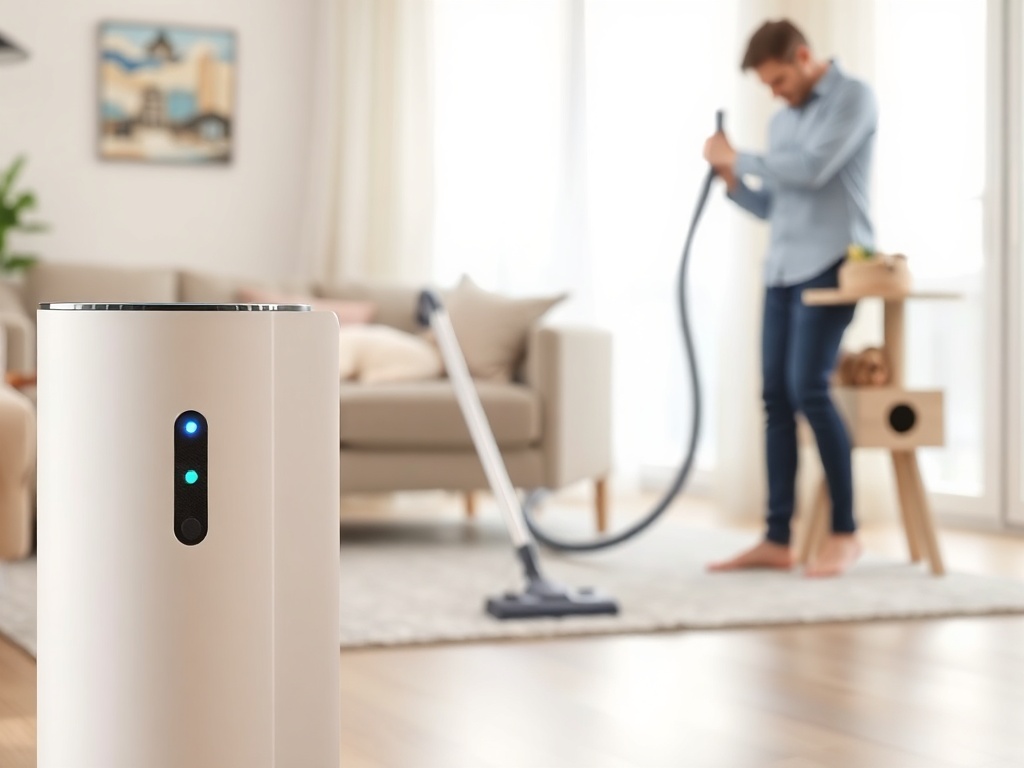
The most effective way to reduce symptoms is to physically remove the allergens from the cat's environment. This starts with the air they breathe and the surfaces they touch. In practice, installing a high-quality air purifier with a HEPA filter can make a world of difference. HEPA filters are designed to capture 99.97 percent of particles as small as 0.3 microns, which includes most pollens and mold spores.
- Clean all high-traffic feline areas 3–4 times per week using a vacuum equipped with a sealed HEPA system.
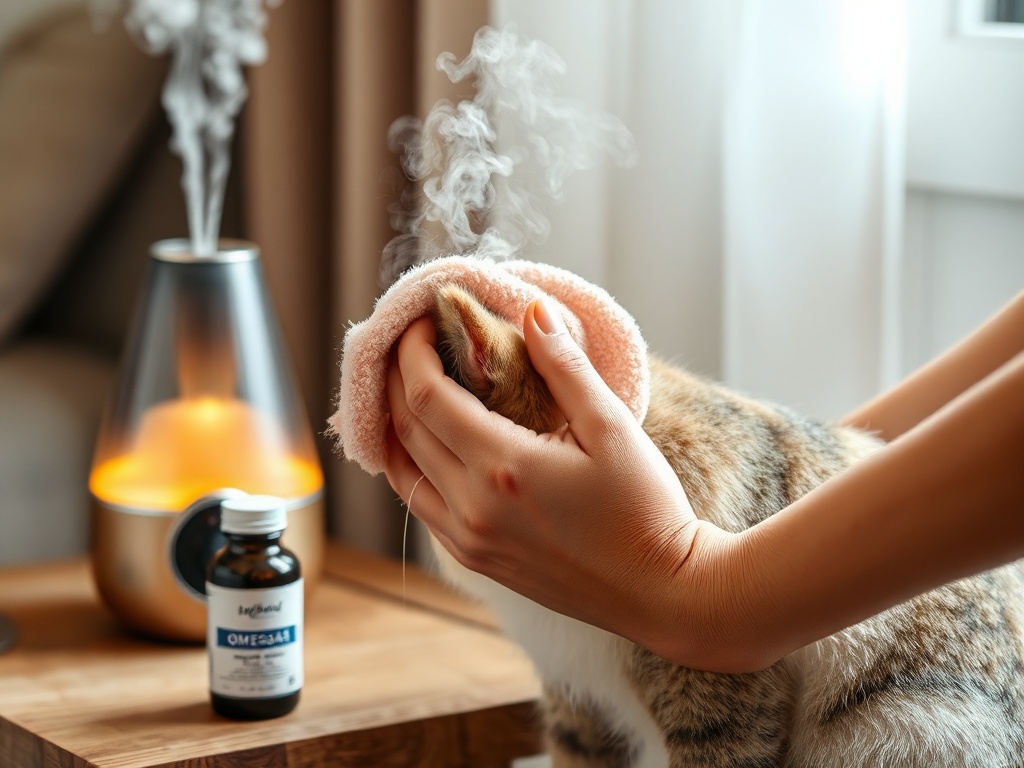
- Use a damp, fragrance-free microfiber cloth to wipe your cat's fur twice daily, specifically focusing on the paws and underbelly where they collect the most outdoor debris.
- Wash all pet bedding in hot water (at least 60 degrees Celsius) once a week to kill dust mites and remove accumulated pollen.
- Keep windows closed during peak pollen hours, which are typically between 5 AM and 10 AM.
- Replace furnace and air conditioning filters every 30–60 days during high-allergy seasons.
Veterinary-Approved Medical Interventions
If environmental changes are not enough, medical intervention is necessary to provide the cat with relief from the intense itching. Warning: Never administer human allergy medications, such as those containing pseudoephedrine or certain antihistamines, to a cat without a direct veterinary prescription, as these can be fatal. A veterinarian may suggest several options:
Antihistamines: While less effective in cats than in humans, certain feline-safe antihistamines can help manage mild symptoms. It typically takes 10–14 days of consistent dosing to see an effect.
Corticosteroids: For severe inflammation, a short course of steroids can 'reset' the immune system. However, these are not for long-term use due to potential side effects like weight gain or increased thirst.
Immunotherapy: Often called 'allergy shots', this involves exposing the cat to tiny amounts of the allergen to build tolerance over time. This is a long-term solution that requires patience, often taking 6–12 months to show full results.
Topical Therapies: Medicated mousses or sprays containing ceramides can help repair the skin barrier, making it harder for allergens to penetrate.
How to Prevent Recurrence in Future Seasons
Prevention is about building a 'fortress' around your cat before the allergens arrive. By starting your prevention routine 2–3 weeks before the expected seasonal shift, you can significantly dampen the immune response.
Nutritional Support and Skin Barrier Health
A healthy skin barrier is the best defense against environmental irritants. Supplementing your cat's diet with high-quality Omega-3 fatty acids (EPA and DHA) can improve the lipid layer of the skin. Specifically, look for supplements derived from small fish like anchovies or sardines, which are less likely to contain heavy metals. In my experience, it takes about 4–6 weeks for these fatty acids to integrate into the skin cells, so starting this in late winter is ideal for spring allergy prevention.
Controlled Exposure and Entryway Management
Create a 'decontamination zone' at the entrance of your home. For example, keep a dedicated pair of 'indoor-only' shoes and encourage guests to leave their shoes at the door. If you have a dog that goes outside, wipe the dog's paws and coat before they interact with the cat. This prevents the dog from acting as a 'pollen shuttle' that brings outdoor triggers directly to the cat's favorite sleeping spots. Additionally, maintain indoor humidity between 30–50 percent to discourage both dust mites and mold growth.
Warning: Avoid using essential oil diffusers or strong incense during allergy season. Cats have a unique liver metabolism that makes them highly sensitive to volatile organic compounds. What might seem like a 'natural' scent to you can be a severe respiratory irritant or even toxic to your cat, especially when their immune system is already stressed by seasonal triggers.
Consistent Monitoring and Record Keeping
Keep a simple log of when your cat begins to scratch each year. Note the weather conditions and what plants are blooming. By tracking these patterns, you can predict exactly when to start your intensified cleaning and supplementation routine. For instance, if you notice the scratching always starts when the temperature hits a consistent 15 degrees Celsius, you can have your HEPA filters changed and your damp-wiping routine ready a week in advance.
Warning: Do not ignore 'over-grooming' as a simple behavior or boredom issue. Many owners mistake a cat licking their belly bald for a psychological quirk, when in fact, the cat is reacting to the discomfort of seasonal atopy. Early intervention prevents secondary skin infections that are much harder and more expensive to treat.
FAQ
Can I use a regular humidifer to help my cat's itchy skin?
While moisture can sometimes help dry skin, using a humidifier incorrectly can actually worsen seasonal allergies. If the humidity level rises above 55 or 60 percent, you are creating an ideal breeding ground for mold and dust mites, both of which are major allergens for cats. If you choose to use one, ensure you have a hygrometer to monitor the levels and keep the device meticulously clean to prevent bacteria from being misted into the air. Generally, focusing on skin-repairing supplements is a safer and more effective way to address skin dryness than increasing room humidity.
Why does my cat only sneeze in the morning during the spring?
Pollen counts are typically at their highest in the early morning hours, often between 5 AM and 10 AM, as plants release their pollen with the rising sun and morning breezes. If you leave your windows open overnight, the concentration of these particles inside your home peaks just as you and your cat are waking up. Additionally, cats often do their most thorough grooming session after their first meal of the day, which can stir up any particles that settled on their fur overnight. Closing windows at night and using an air purifier in the bedroom can help mitigate these morning symptoms.
Are certain cat breeds more prone to seasonal allergies than others?
While any cat can develop atopy, some research and clinical observations suggest that certain breeds like the Siamese, Persian, and Abyssinians may have a higher genetic predisposition to environmental sensitivities. However, the cat's lifestyle and environment play a much larger role than breed alone. An indoor-only cat in a home with poor air filtration may suffer more than an outdoor-access cat with a robust immune system and a clean environment. Regardless of breed, maintaining a strong skin barrier through nutrition and minimizing indoor allergen loads remains the gold standard for care.
Conclusion
Managing seasonal allergies in cats requires a dedicated, proactive approach that combines environmental control with veterinary guidance. By understanding that feline allergies primarily manifest through the skin, you can better interpret your cat's behaviors and provide the necessary relief. Remember these three key points for long-term success:
- Reduce the allergen load by using HEPA filtration and performing frequent, damp-cloth wipes of your cat's coat.
- Support the skin barrier from the inside out with Omega-3 fatty acids, starting at least a month before allergy season begins.
- Maintain a strictly controlled indoor environment by keeping windows closed during peak pollen times and managing indoor humidity. To take action today, check your home's air filters and schedule a vacuuming session for all of your cat's favorite lounging areas to remove any lingering irritants.
Previous
The scratching sound in the corner and the white flakes on Pudding's coat
Next
Seasonal Allergy Management for Cats: Effective Relief Strategies
More in Pets

Pet First Aid Guide for Multi-Pet Households: Easy Steps for Beginners
Learn essential pet first aid tips for multi-pet households. Discover how to build a custom kit, handle choking, perform CPR, and coordinate emergencies.

Heartworm Prevention for Large Dogs: A Step-by-Step Home Guide
Heartworm prevention for large dogs requires precise dosing and consistency. Learn how to choose the right medication, manage schedules, and avoid common errors.

Introducing Two Dogs Successfully After a Failed First Attempt
Introducing two dogs requires a structured approach to prevent aggression. Follow this safety-first checklist to ensure a successful meeting and long-term peace.

Pet Birthday Party Ideas: Safety and Emergency Prep for Multi-Pet Homes
Explore pet birthday party ideas focused on safety and emergency prevention. Learn how to manage multi-pet dynamics, food risks, and stress during celebrations.