Cat Neutering: Optimal Timing and Preparation for Your Feline Friend

Key Takeaways
Understanding cat neutering timing and preparing your feline for surgery is crucial. Learn about ideal ages, essential pre-op steps, and post-op care for a smooth recovery.
You're watching your cat, perhaps a playful kitten darting through the living room, or a more serene adult feline basking in a sunbeam. Its purr fills the air, a comforting rumble that speaks of contentment. Yet, as a responsible pet owner, you know that caring for this beloved companion involves making significant decisions, and one of the most impactful is whether and when to neuter them. This isn't just a routine procedure; it's a step that can profoundly influence their health, behavior, and overall well-being for years to come.
Navigating the Decision: Why Cat Neutering Feels Complex
The decision to neuter your cherished cat is often met with a mix of emotions and practical considerations. On one hand, you understand the widely acknowledged benefits of preventing unwanted litters and reducing certain health risks. On the other, the thought of your cat undergoing surgery, coupled with questions about the 'best' time and how it might change their personality, can feel daunting. This isn't a simple 'yes' or 'no' choice; it's a journey that requires careful thought, research, and collaboration with your veterinarian.
Many pet owners grapple with the ideal timing for this procedure. Is it better to neuter them when they are very young, or should you wait until they are more mature? The advice can sometimes seem conflicting, adding to the confusion. You might also worry about the recovery process, potential complications, or how your cat will cope with the changes. These are entirely valid concerns, reflecting your deep care for your feline friend.
Beyond the emotional aspect, the actual logistics of preparing for and managing the recovery can add another layer of stress. From understanding pre-surgical instructions to ensuring proper post-operative care, there are many details to consider. It's perfectly normal to feel a bit overwhelmed when faced with such an important decision for your pet's long-term health.
When is the Optimal Time for Cat Neutering?
The timing of cat neutering is a critical decision that balances physical development, behavioral considerations, and the prevention of unwanted pregnancies. While traditionally, many veterinarians recommended neutering around five to six months of age, modern veterinary medicine now often supports earlier intervention, particularly in shelter environments. This shift is driven by a greater understanding of feline development and the benefits of early neutering.
Understanding Age Guidelines
For male cats (castration) and female cats (spaying), the procedure is typically performed before sexual maturity to prevent reproduction. Here's a breakdown of common recommendations:
- Early-Age Neutering (8–16 weeks): This practice, often referred to as pediatric neutering, is common in animal shelters and rescue organizations. Studies, such as those published by the American Veterinary Medical Association (AVMA) in recent years, suggest that when performed by an experienced veterinarian, it is safe and carries no significant long-term health disadvantages compared to traditional timing. Benefits include easier recovery for kittens, reduced surgical time, and immediate prevention of unwanted litters.
- Traditional Neutering (5–6 months): This remains a widely recommended timeframe for many private veterinary practices. By this age, cats are usually nearing or have just reached sexual maturity. Neutering at this stage effectively prevents the onset of heat cycles in females and reduces territorial spraying and roaming behaviors in males. The cat is generally larger and more robust than a very young kitten, which some veterinarians prefer.
- Later Neutering (after 6 months): While less common as a primary recommendation, neutering can be performed on adult cats of any age, provided they are in good health. If you've adopted an older cat or delayed the procedure, it's never 'too late' to consider it. However, older cats may have a slightly higher risk of surgical complications due to underlying health conditions, and some established behavioral issues like spraying might be harder to fully resolve if they've become ingrained over a long period.
Factors Influencing the Decision
Several factors can influence the 'best' time for your cat's neutering:
- Breed Size and Development: While less pronounced than in dogs, some larger cat breeds might mature slightly slower. However, for most domestic cats, the 5-6 month guideline holds true.
- Health Status: Your cat must be in good health for surgery. Any pre-existing conditions will need to be managed and assessed by your veterinarian before the procedure.
- Lifestyle: An indoor-only cat might have slightly different considerations than a cat with outdoor access, though neutering is beneficial for both. For outdoor cats, early neutering is crucial to prevent unintended pregnancies.
- Veterinarian's Recommendation: Ultimately, your veterinarian is your best resource. They will consider your cat's individual health, development, and lifestyle to recommend the most appropriate timing. Warning: Do not attempt to determine the best timing based solely on online research. Always consult with a qualified veterinarian who can provide personalized advice for your specific cat.

How Can You Prepare Your Cat for Neutering Surgery?
Proper preparation is paramount for a smooth surgery and a swift recovery. This involves both pre-operative steps at home and clear communication with your veterinary team. Think of it as laying the groundwork for your cat's comfortable experience.
Pre-Operative Preparation at Home
Once you've scheduled the surgery, your veterinarian will provide specific instructions. Here are general guidelines:
Fasting: Your cat will typically need to fast for a specific period before surgery to prevent complications from anesthesia, such as vomiting and aspiration. This usually means no food for 8–12 hours prior to the scheduled surgery time. Access to water is generally permitted until a few hours before the appointment, but always follow your vet's precise instructions.
Activity Restriction: Encourage calm behavior the day before surgery. While a normal play session is fine, avoid overly strenuous activities that might tire them out or increase their stress levels.
Litter Box Habits: Ensure your cat uses the litter box normally the day before surgery. Any changes in urination or defecation should be reported to your vet.
Secure Carrier: Make sure you have a secure, comfortable, and appropriately sized carrier for transport to and from the clinic. Line it with a soft towel or blanket for comfort.
Review Instructions: Read all pre-operative instructions provided by your vet thoroughly. If anything is unclear, call them well in advance of the appointment. Common Mistake: Failing to adhere strictly to fasting instructions. Feeding your cat, even a small amount, can lead to serious complications during anesthesia. When in doubt, call your vet.
Preparing for Post-Operative Care
Setting up your home for your cat's return is crucial for their comfort and recovery:
- Quiet Recovery Space: Designate a quiet, warm, and comfortable area where your cat can rest undisturbed. This might be a spare room, a large kennel, or a cozy corner away from high-traffic areas and other pets.
- Clean Bedding: Provide soft, clean bedding in their recovery space. Old towels or blankets work well.
- Easy Access to Essentials: Place their litter box, food, and water bowls within easy reach but far enough apart to prevent contamination.
- Cone of Shame (E-Collar): Your vet will likely provide an Elizabethan collar (E-collar) to prevent your cat from licking or biting the incision site. It's important to use this as directed, even if your cat protests. Consider a soft fabric cone or an inflatable collar if your vet approves, as some cats tolerate these better.
- Pain Medication: Your vet will almost certainly prescribe pain medication. Understand how and when to administer it. It's vital to give all prescribed doses, even if your cat seems to be feeling better.
Post-Operative Care: Ensuring a Smooth Recovery
Bringing your cat home after surgery is just the beginning of their recovery journey. The next 10–14 days are critical for proper healing and preventing complications. Your vigilance and adherence to post-operative instructions will make all the difference.
Monitoring and Management
Incision Site: Check the incision daily for signs of swelling, redness, discharge, or any opening. A small amount of redness or bruising is normal, but anything more significant warrants a call to your vet. Female cats will have an abdominal incision, while male cats will have two small incisions on the scrotum or one central incision, depending on the technique.
Pain Management: Administer all prescribed pain medication precisely as directed. Cats are masters at hiding pain, so even if they appear fine, the medication is essential for their comfort and healing. Look for subtle signs of pain, such as hiding, reluctance to move, loss of appetite, or excessive purring (which can sometimes indicate discomfort).
Activity Restriction: Limit your cat's activity for the entire recovery period, typically 10–14 days. Prevent jumping, running, and climbing, which can stress the incision. Keep them in their designated quiet recovery area. For example, if your cat loves to scale bookshelves, ensure they cannot access them during this time.
E-Collar Use: Ensure the E-collar (cone) is worn at all times, especially when unsupervised, to prevent licking. Licking the incision can introduce bacteria, remove sutures, and delay healing. While your cat may initially resist, they usually adjust within 24–48 hours.
Appetite and Hydration: Offer small amounts of food and water when they first return home. Most cats will regain their appetite within 12–24 hours. Monitor their intake to ensure they are eating and drinking normally.
Litter Box: Use a dust-free, non-clumping litter for the first few days to prevent particles from adhering to the incision. A large, easily accessible litter box is also helpful.
Monitor for Complications: Watch for any signs of complications such as persistent vomiting, diarrhea, lethargy, difficulty breathing, or complete loss of appetite. These require immediate veterinary attention. Warning: Never give your cat human pain medication. Many common human pain relievers are toxic to felines and can cause severe, life-threatening complications.
When to Contact Your Veterinarian
Contact your vet immediately if you observe any of the following:
- Excessive redness, swelling, or discharge from the incision site.
- The incision appears open or has sutures missing.
- Your cat is lethargic, unresponsive, or unusually quiet for more than 24 hours.
- Persistent vomiting or diarrhea.
- Refusal to eat or drink for more than 24 hours.
- Difficulty breathing or excessive panting.
- Signs of severe pain that aren't managed by prescribed medication. Your veterinary team is there to support you through the recovery process. Don't hesitate to call with any concerns, no matter how minor they may seem.
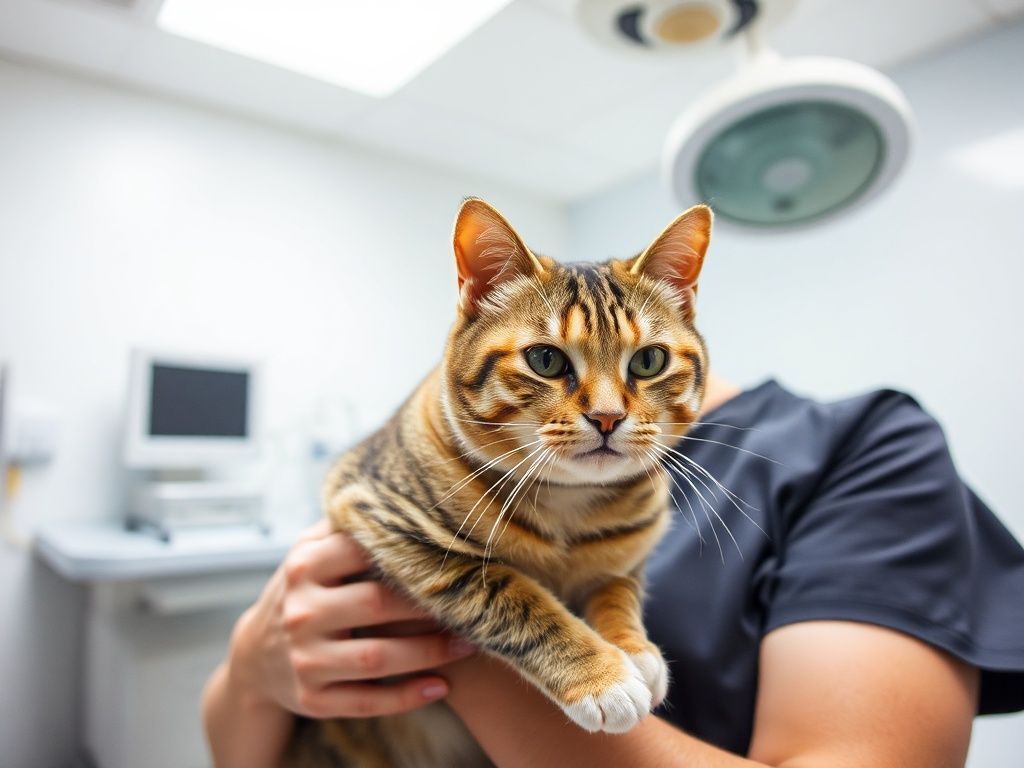
Your Immediate Next Step: Consult Your Veterinarian
The most important action you can take today is to schedule an appointment with your trusted veterinarian to discuss your cat's neutering. This consultation will allow you to address any remaining questions, receive personalized advice based on your cat's unique health profile, and understand the specific protocols of their clinic. They can help you determine the optimal timing, explain the procedure in detail, and provide a comprehensive plan for both pre-operative preparation and post-operative care. This proactive step ensures you have all the information and support you need to make the best decision for your feline companion.
Conclusion
Neutering your cat is a significant, responsible decision that contributes immensely to their long-term health and well-being, as well as helping to manage pet overpopulation. We've covered the crucial aspects of timing, emphasizing that while early-age neutering (8–16 weeks) is often safe and effective, the traditional 5–6 month window remains a common recommendation, with your vet's guidance being paramount. We've also detailed the essential preparation steps, from fasting requirements to setting up a comfortable recovery space, and outlined comprehensive post-operative care, including incision monitoring, pain management, and activity restriction, all critical for a smooth recovery.
Ultimately, making an informed decision and diligently following veterinary advice ensures the best possible outcome for your beloved cat. Your specific action today should be to reach out to your veterinarian. Schedule a consultation to discuss your cat's individual needs, clarify any doubts, and plan their neutering journey with confidence, knowing you're providing the best care for your feline family member.
Previous
Pet Food Selection: A Multi-Pet Household Guide
Next
Cat Neutering: Optimal Timing and Preparation for Your Feline Friend
More in Pets

Pet First Aid Guide for Multi-Pet Households: Easy Steps for Beginners
Learn essential pet first aid tips for multi-pet households. Discover how to build a custom kit, handle choking, perform CPR, and coordinate emergencies.

Heartworm Prevention for Large Dogs: A Step-by-Step Home Guide
Heartworm prevention for large dogs requires precise dosing and consistency. Learn how to choose the right medication, manage schedules, and avoid common errors.

Introducing Two Dogs Successfully After a Failed First Attempt
Introducing two dogs requires a structured approach to prevent aggression. Follow this safety-first checklist to ensure a successful meeting and long-term peace.

Pet Birthday Party Ideas: Safety and Emergency Prep for Multi-Pet Homes
Explore pet birthday party ideas focused on safety and emergency prevention. Learn how to manage multi-pet dynamics, food risks, and stress during celebrations.