Dangerous Foods for Dogs: A Guide for Multi-Pet Households
Key Takeaways
Dangerous foods for dogs can hide in everyday meals, especially in multi-pet homes. Learn which common ingredients are toxic and how to prevent accidental ingestion.
Dangerous Foods for Dogs: A Guide for Multi-Pet Households
If you've ever caught your dog scavenging through a grocery bag or hovering under a high chair during a family meal, you understand the constant pressure of keeping a multi-pet home safe from dietary hazards. In a household where multiple animals interact, the risk of accidental ingestion increases significantly. Cats may jump onto counters and knock down items that were thought to be out of reach, while a faster dog might snatch a fallen scrap before a human can react. Understanding the specific biological threats posed by common human foods is the first step in creating a secure environment for every animal in the home.
This information is for general educational purposes only and does not constitute veterinary advice, diagnosis, or treatment. If you suspect your pet has ingested a toxic substance, contact a qualified veterinarian or an animal poison control center immediately.
Identifying High-Risk Ingredients in the Kitchen
To effectively manage a multi-pet household, owners must recognize that many staples found in a modern pantry are biologically incompatible with canine physiology. The following items represent the most common and dangerous triggers for emergency veterinary visits.
- Xylitol (Birch Sugar): Often found in sugar-free gum, peanut butter, and baked goods.
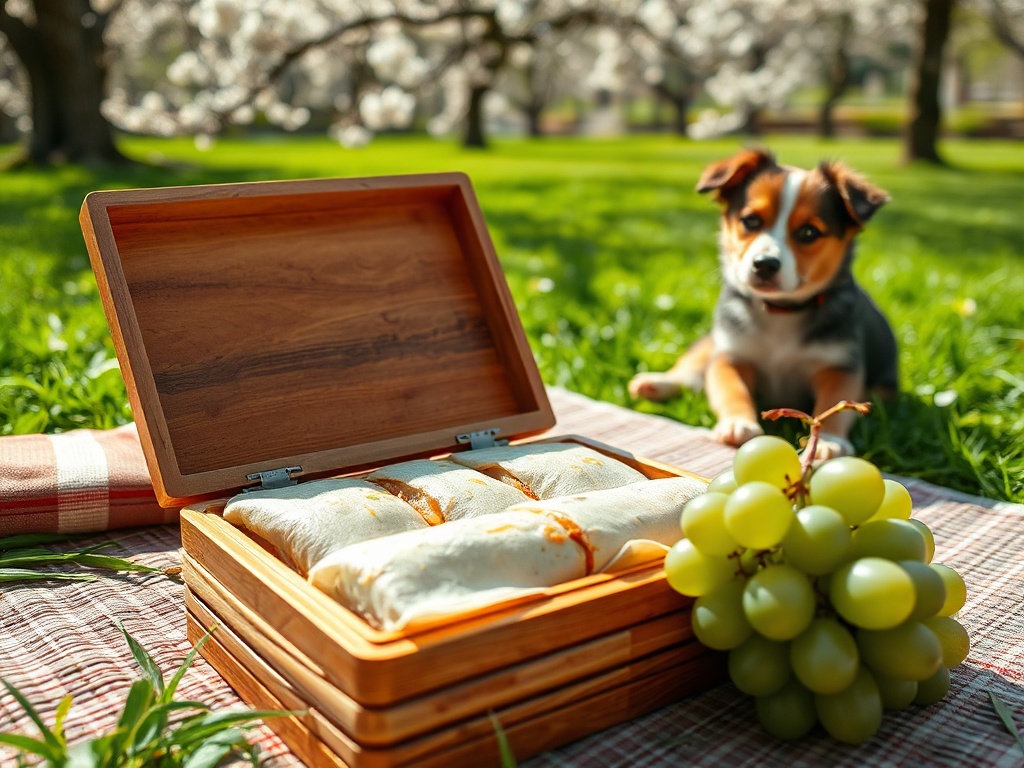
- Grapes and Raisins: These can cause sudden and irreversible kidney failure.
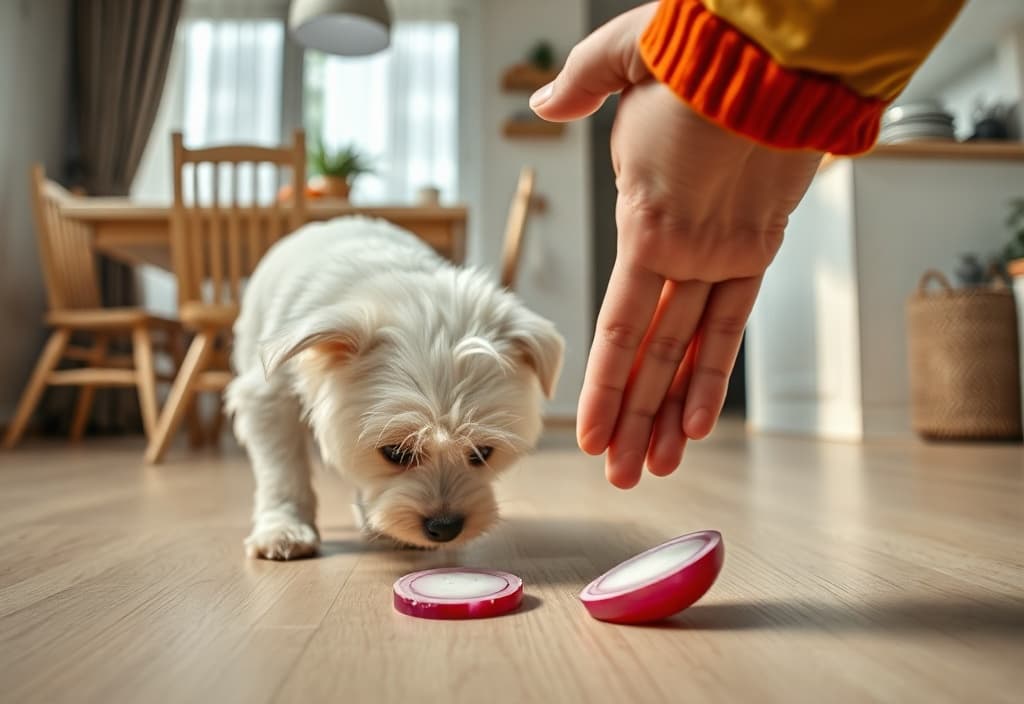
- The Allium Family: This includes onions, garlic, leeks, and chives in all forms.
- Chocolate and Caffeine: These contain stimulants that affect the central nervous system and heart.
- Macadamia Nuts: These cause a unique neurological reaction in dogs.
The Critical Danger of Xylitol
Xylitol is a sugar alcohol used as a sweetener in a vast array of products, from toothpaste to sugar-free candies. While it is safe for humans, it is extremely dangerous for dogs. In a canine's body, xylitol is rapidly absorbed into the bloodstream, causing a massive release of insulin from the pancreas. This leads to a profound decrease in blood sugar, known as hypoglycemia, which can occur as quickly as 30 minutes after ingestion.
According to data from the ASPCA Animal Poison Control Center in 2021, calls regarding xylitol ingestion have seen a steady increase as the sweetener becomes more common in household products. A dose as small as 0.1 grams per kilogram of body weight can trigger hypoglycemia. For a dog weighing 10 kilograms, this means eating just one or two pieces of certain sugar-free gums could be life-threatening. Higher doses can lead to acute hepatic failure and coagulation disorders, which are often fatal if not treated aggressively within the first few hours.
In multi-pet households, the risk is compounded by the variety of products used. For example, a cat might knock a pack of gum off a bedside table, leaving it for the dog to find. Always check the labels of any 'sugar-free' or 'low-calorie' products brought into the home. Specifically, check peanut butter labels, as some boutique brands have begun using xylitol as a replacement for cane sugar.
Grapes, Raisins, and the Mystery of Renal Failure
Grapes and their dried counterparts, raisins, are uniquely toxic to dogs. Unlike many other toxins where the dosage is predictable, grape toxicity is highly idiosyncratic. Some dogs may eat several grapes with no apparent effect, while others may suffer acute renal failure after consuming just one or two. Recent research suggests that tartaric acid within the fruit may be the primary culprit, but the exact mechanism remains a subject of ongoing veterinary study.
In a multi-pet setting, raisins are particularly dangerous because they are often found in trail mixes or baked goods that are easily dropped. If a dog consumes grapes, the symptoms of kidney failure—such as vomiting, lethargy, and increased thirst—may not appear for 24–48 hours. By the time clinical signs are visible, significant damage to the kidneys may have already occurred. In practice, this means that any ingestion must be treated as a medical emergency, regardless of how the dog appears in the moments following the incident.
Onions, Garlic, and Oxidative Damage
The Allium family, which includes onions, garlic, shallots, and chives, contains compounds called N-propyl disulfides. These compounds cause oxidative damage to a dog's red blood cells, leading to a condition called Heinz body anemia. This damage prevents the red blood cells from carrying oxygen effectively and eventually causes them to rupture.
One of the most dangerous aspects of onion and garlic toxicity is that it is cumulative. A dog does not need to eat a whole onion in one sitting to be at risk; small amounts fed over several days can lead to the same result. For example, if a dog is regularly given scraps of meat seasoned with garlic powder or pieces of pizza crust with onion sauce, the toxin can build up in their system. Specifically, a dose of 15 to 30 grams of onion per kilogram of body weight is considered the threshold for clinically significant blood changes. For a medium-sized dog, this could be as little as one medium onion.
How Seasonal Changes Increase Exposure Risks
The risk of food toxicity often fluctuates with the seasons. Holiday periods, summer gatherings, and back-to-school routines each present unique challenges for pet owners managing multiple animals.
Summer BBQs and Outdoor Gatherings
Summer often involves outdoor cooking where dogs are present. This environment is high-risk because of the abundance of fatty scraps, corn on the cob, and stone fruits. While a small piece of plain, cooked chicken is generally safe, fatty scraps from steaks or pork can trigger pancreatitis, a painful and potentially life-threatening inflammation of the pancreas. Specifically, foods with a fat content exceeding 15-20% can be problematic for sensitive dogs.
Furthermore, corn on the cob is a frequent cause of intestinal obstruction. While the corn itself is not toxic, the cob is nearly impossible for a dog to digest and is the perfect size to get stuck in the small intestine. In multi-dog households, the competitive nature of 'scavenging' means a dog is more likely to swallow a cob whole to prevent another dog from taking it. Stone fruits like peaches and plums also pose a dual threat: the pits contain cyanide and represent a significant choking or obstruction hazard.
Winter Holidays and Baking Hazards
The winter months bring an influx of chocolate, macadamia nuts, and yeast dough into the home. Chocolate contains theobromine and caffeine, both of which are stimulants that dogs cannot metabolize efficiently. The concentration of theobromine varies by type; dark chocolate and baking chocolate contain significantly higher levels than milk chocolate. For instance, while 20 grams of milk chocolate per kilogram of body weight might cause mild upset, as little as 2 or 3 grams of dark chocolate per kilogram can cause severe cardiac symptoms.
Macadamia nuts are another winter staple that can cause 'macadamia nut toxicosis.' Within 12 hours of ingestion, dogs may experience weakness in their hind legs, vomiting, tremors, and hyperthermia. While this is rarely fatal, it is a distressing experience for both the pet and the owner. Additionally, raw yeast dough is a critical emergency. If a dog eats unbaked bread dough, the warm environment of the stomach causes the yeast to continue fermenting, producing ethanol (alcohol poisoning) and expanding the stomach to the point of cutting off blood flow or causing a rupture.
Managing the Multi-Pet Environment
In a home with both cats and dogs, the 'behavioral hierarchy' often dictates food safety. Cats are notorious for their ability to access high surfaces, which owners often use as 'safe zones' for human food. However, a cat may play with a grape or a piece of onion, eventually batting it off the counter and onto the floor where a dog is waiting.
The Scavenging Hierarchy
To prevent accidents, it is necessary to implement a 'clean counter' policy. This means never leaving food unattended, even if it is placed far back on a kitchen island. In practice, this involves using airtight containers for all snacks and ensuring that trash cans are secured with locking lids. A dog’s sense of smell is roughly 10,000 to 100,000 times more acute than a human's, meaning they can detect a single raisin at the bottom of a bin.
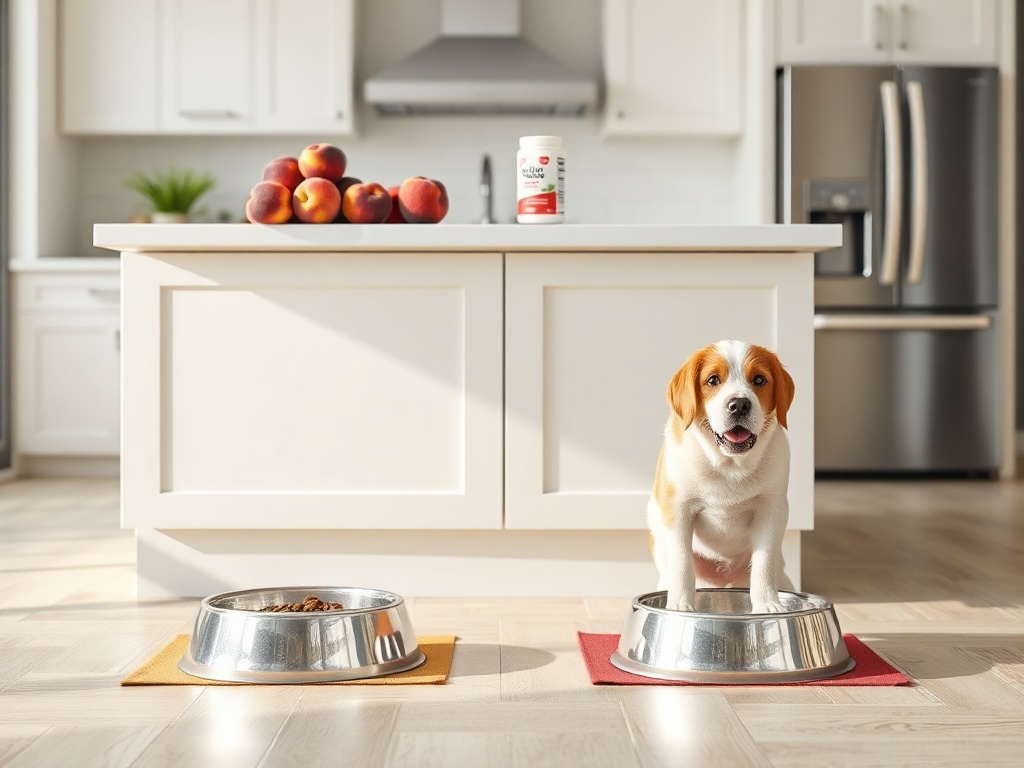
Another specific strategy for multi-pet homes is separate feeding areas. Feeding dogs in crates or separate rooms prevents the 'competitive eating' that leads to rapid scavenging of dropped items. It also ensures that a dog does not accidentally consume cat food, which is often too high in protein and fat for a dog’s long-term health, potentially leading to weight gain or kidney stress over time.
Recognizing the Signs of Ingestion
Because you cannot watch your pets every second, recognizing the physical signs of toxicity is vital. Common indicators that a dog has eaten something dangerous include:
Sudden vomiting or diarrhea, especially if it contains unusual colors or smells.
Excessive drooling or panting that is not related to heat or exercise.
Lethargy or a sudden lack of coordination (ataxia).
Changes in gum color; pale or jaundiced (yellow) gums are a sign of internal distress.
Tremors or seizures. If you observe these signs, do not wait for them to resolve on their own. The window for effective treatment, such as inducing vomiting or administering activated charcoal, is often very narrow—usually within 1 to 2 hours of ingestion.
Synthesis: Creating a Culture of Safety
The common thread across all these toxicities is that prevention is far more effective and less expensive than emergency treatment. Managing a multi-pet household requires a proactive approach that moves beyond simply 'not feeding' the dog from the table. It involves educating every member of the family about hidden ingredients, securing the environment against agile pets like cats, and remaining vigilant during high-risk seasons.
By understanding the biological mechanisms—such as how xylitol triggers insulin or how Alliums destroy red blood cells—owners can make more informed decisions. For example, knowing that garlic powder is concentrated helps an owner realize that even a small dusting on a piece of chicken is a significant risk. This level of specific knowledge transforms a list of 'don'ts' into a comprehensive safety strategy that protects every animal in the home.
Summary of Key Safety Protocols
To ensure the safety of your dogs in a busy, multi-pet household, keep these three primary points in mind:
- Check Every Label: Never assume a 'sugar-free' or 'natural' product is safe. Xylitol and garlic powder are frequently hidden in items like peanut butter, protein bars, and savory broths.
- Secure the Environment: Use locking trash cans and keep counters clear. Remember that cats can act as 'delivery agents' for toxic foods by knocking them to the floor.
- Act Fast on Suspicion: Do not wait for symptoms to appear. If you know or strongly suspect your dog has eaten a toxic food, contact a professional immediately. Action to take today: Create a 'Pet Emergency Contact' card and post it on your refrigerator. Include the phone number and address of the nearest 24-hour emergency veterinary clinic, as well as the number for a national animal poison control center. Having this information readily available can save precious minutes in a crisis.
Previous
Small Dog Emergency Care vs Large Breed Safety Needs
Next
Dangerous Foods for Dogs: A Guide for Multi-Pet Households
More in Pets

Pet First Aid Guide for Multi-Pet Households: Easy Steps for Beginners
Learn essential pet first aid tips for multi-pet households. Discover how to build a custom kit, handle choking, perform CPR, and coordinate emergencies.

Heartworm Prevention for Large Dogs: A Step-by-Step Home Guide
Heartworm prevention for large dogs requires precise dosing and consistency. Learn how to choose the right medication, manage schedules, and avoid common errors.

Introducing Two Dogs Successfully After a Failed First Attempt
Introducing two dogs requires a structured approach to prevent aggression. Follow this safety-first checklist to ensure a successful meeting and long-term peace.

Pet Birthday Party Ideas: Safety and Emergency Prep for Multi-Pet Homes
Explore pet birthday party ideas focused on safety and emergency prevention. Learn how to manage multi-pet dynamics, food risks, and stress during celebrations.