Solo Travel Safety Tips: A Complete Guide for New Travelers
Key Takeaways
Learn how to travel abroad safely alone with these essential solo travel safety tips. Cover situational awareness, digital security, and emergency planning.
Solo Travel Safety Tips: A Complete Guide for New Travelers
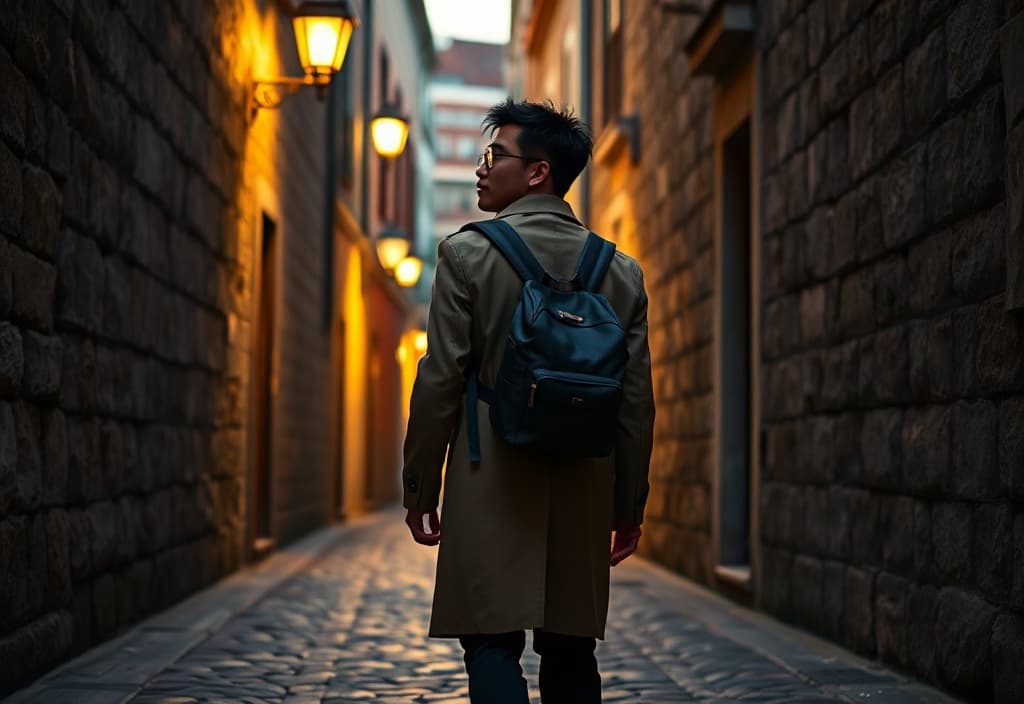
I remember the time I arrived at a train station in a small town near the Italian border at 2 a.m. in the middle of a cold winter in 1998. I was in my late twenties, traveling alone with nothing but a physical map and a heavy rucksack. The station was deserted, the streetlights were flickering, and my intended hostel was a 20-minute walk away through unfamiliar territory. That night, I learned that safety in solo travel is not just about avoiding danger, but about the quality of the preparation you do before you even leave your front door. After 35 years of exploring the world, first as a solo adventurer and now as part of a couple that prefers slow, immersive travel, I have found that a secure journey is built on a foundation of situational awareness and redundant planning.
Safety while traveling alone is achieved through a combination of proactive research, digital security, and maintaining a low profile. The core answer to staying safe abroad is to minimize your vulnerability by blending in with the local environment and having a clear communication plan with someone back home. This involves selecting safe accommodation, securing your personal data, and knowing how to navigate social interactions without revealing that you are alone and unfamiliar with the area. According to the 2023 Global Peace Index published by the Institute for Economics and Peace, traveling to countries with high peace rankings can reduce objective risks, but personal safety habits remain the most critical factor regardless of the destination.
What are the most effective ways to stay safe while traveling solo?
The most effective way to ensure your safety is to conduct thorough research on your destination at least 2–3 weeks before departure. This includes understanding which neighborhoods are safe for walking at night and which areas should be avoided. For example, in many European cities, the areas immediately surrounding major train stations can become less safe after 10 p.m. By knowing this in advance, you can book a taxi or use a ride-sharing app instead of walking.
You should also enroll in travel notification programs. For instance, the U.S. Department of State offers the Smart Traveler Enrollment Program (STEP), which served over 1 million travelers in 2023. This program allows the embassy to contact you in the event of a natural disaster or civil unrest. Similarly, many other countries offer equivalent services that provide real-time updates on safety conditions.
Another key strategy is to maintain a high level of situational awareness. This means walking with purpose, even if you are lost. If you need to check your map, step inside a shop or a cafe rather than standing on a busy street corner with your phone out. In my experience, looking like you have a clear destination makes you a much less attractive target for opportunistic theft. I always make it a point to study the route from the airport to my hotel before I land, so I do not look confused when I exit the terminal.
How do I prepare for emergencies in a foreign country?
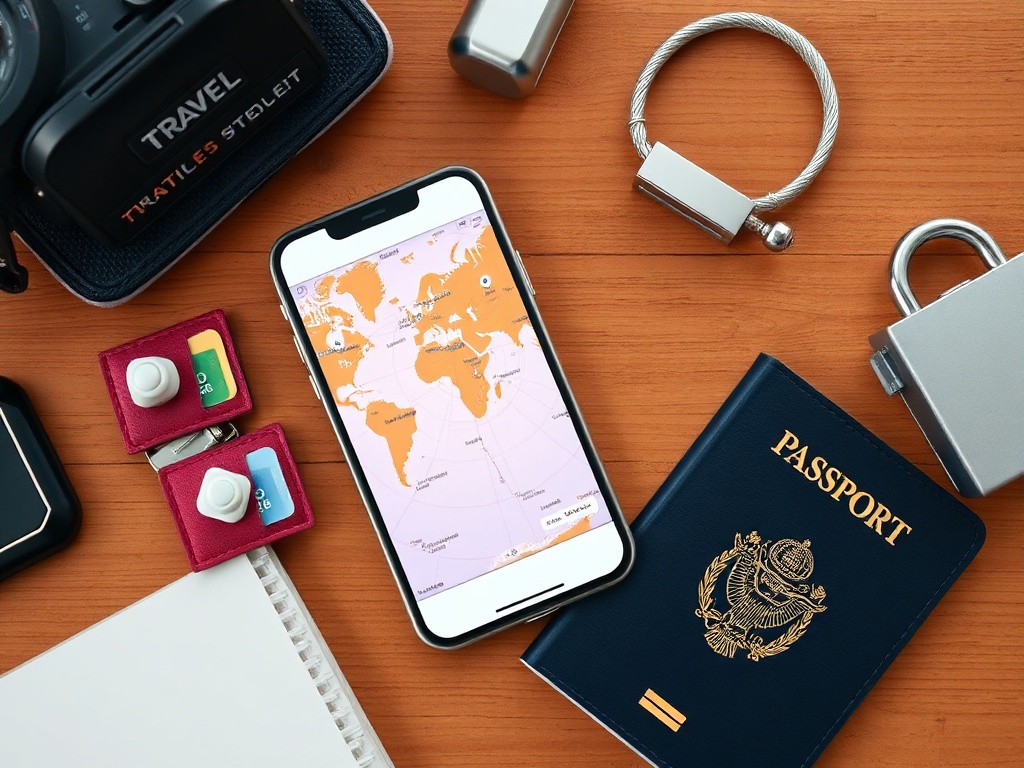
Emergency preparation requires both digital and physical redundancies. Start by creating 3 copies of your essential documents: your passport, travel insurance policy, and flight itinerary. Keep one digital copy in a secure cloud-based folder, one physical copy in your main luggage, and leave one copy with a trusted contact at home. A 2022 survey by Solo Traveler World indicated that 45% of solo travelers prioritize having offline maps and emergency contacts saved as their primary safety tool.
In practice, you should have a list of local emergency numbers saved in your phone. Do not assume that 911 or your home country's emergency digits will work everywhere. For example, in the European Union, the emergency number is 112, while in Japan, it is 110 for police and 119 for fire and ambulance services. Knowing these numbers can save 3–5 minutes of critical time during a crisis.
Health safety is equally important. Always carry a basic first-aid kit and a supply of any personal medications that will last at least 5–7 days longer than your planned trip. This accounts for potential travel delays or lost luggage. Furthermore, ensure you have comprehensive travel insurance. This is not just for lost bags; it is for medical evacuations and emergency hospital stays, which can cost tens of thousands of dollars if you are uninsured. You can research various travel insurance options to find a plan that covers your specific activities.
Digital Security and Communication Essentials
In the digital age, your smartphone is your most important safety tool, but it also presents risks. Using public Wi-Fi in airports or cafes can expose your banking information to hackers. I always use a Virtual Private Network (VPN) to encrypt my data when I am on public networks. Additionally, ensure your phone is protected by a strong passcode and biometric locks.
- Enable 'Find My Phone' or equivalent tracking services.
- Share your real-time location with a family member or friend using apps like Google Maps or WhatsApp.
- Keep a portable power bank (at least 10,000mAh) with you at all times to ensure your phone does not die while you are navigating back to your accommodation.
- Set up two-factor authentication (2FA) for all sensitive accounts, but ensure you have a way to receive the codes if you change your SIM card. I recommend purchasing a local SIM card or an eSIM as soon as you arrive. This ensures you have a reliable data connection without relying on spotty Wi-Fi. Having a working phone with data allows you to call for a ride, translate local signs, and find your way if you get turned around in a maze-like city center.
Navigating Social Interactions Safely
One of the joys of solo travel is meeting new people, but it is important to be cautious about how much information you share. When talking to strangers, it is often safer to imply that you are not alone. For example, if someone asks if you are traveling by yourself, you might say that your partner or a friend is resting at the hotel and you are meeting them for dinner later. This small white lie can prevent you from being perceived as a vulnerable target.
When it comes to dining, choosing the right environment can make a big difference in your comfort and safety. For instance, in a city like Lisbon, you might choose a small, family-run tasca where the staff is attentive and the atmosphere is local.
- A traditional neighborhood eatery: Look for places where families and elderly locals eat. These venues often have a protective, community-oriented vibe. Ordering a simple dish like grilled fish or a local stew allows you to observe the flow of the neighborhood while staying in a safe, well-populated environment.
- A historic cafe in a busy square: These are excellent for people-watching. While they may be more expensive, the high visibility and professional staff provide an extra layer of security for a solo diner. A coffee and a pastry at a table near the entrance allows for a quick exit if you ever feel uncomfortable. Specifically, avoid oversharing your plans on social media in real-time. Posting a photo of your hotel view while you are still staying there tells the public exactly where you can be found. It is much safer to post your updates with a 24-hour delay once you have moved on to a different location.
Financial Security and Document Management
Managing your money correctly is vital for avoiding the stress of being stranded. I suggest splitting your financial assets into three parts. Keep your primary credit card and a small amount of cash in your wallet. Place a backup card and a larger stash of emergency cash (perhaps 100–200 dollars) in a hidden money belt or a secure pocket inside your clothing. Finally, leave a third card and your passport in the hotel room safe.
When withdrawing cash, use ATMs located inside bank branches during daylight hours. This reduces the risk of being followed after a withdrawal and ensures that if the machine malfunctions, you can speak to a bank employee immediately. I also recommend carrying a 'dummy wallet' with a few expired cards and a small amount of cash. In the unlikely event of a mugging, you can hand this over and protect your actual funds.
Before you leave, check your packing for long trips guide to ensure you have the right gear to keep your valuables hidden. Using a bag with locking zippers or slash-proof fabric can deter pickpockets in crowded tourist areas like markets or public transport hubs.
Common Pitfalls to Avoid During Solo Trips
There are several mistakes that even experienced travelers make when they are alone. One of the most common is arriving in a new city late at night. When you arrive after 11 p.m., public transport options are limited, streets are quieter, and finding your accommodation becomes much more stressful. Always try to schedule your flights or trains to arrive during daylight hours, ideally before 4 p.m., so you have plenty of time to get settled.
Another mistake is accepting drinks from strangers in bars or clubs. This is a classic safety risk that can lead to being drugged or robbed. If you do go out for a drink, always watch your glass and never leave it unattended. If you need to use the restroom, finish your drink first or order a new one when you return.
- Warning 1: Never use public USB charging stations in airports or malls, as they can be used to install malware on your device (a practice known as juice jacking). Use your own wall charger and a standard outlet instead.
- Warning 2: Avoid wearing expensive jewelry or designer clothing that signals high wealth. In many parts of the world, a luxury watch can be worth more than a local's annual salary, making you a prime target for theft.
- Warning 3: Do not rely solely on digital maps. Technology can fail, batteries can die, and signal can be lost. Always have a general sense of the cardinal directions and the name of a major landmark near your hotel. Finally, do not be afraid to be 'rude' if someone is making you feel uncomfortable. If a stranger is being overly persistent or following you, walk into a busy shop, a hotel lobby, or a police station. Your safety is much more important than being polite to someone who is ignoring your boundaries.
Conclusion
Traveling solo is one of the most rewarding ways to see the world, offering a level of freedom and self-discovery that is hard to find elsewhere. By focusing on the following three key points, you can significantly mitigate the risks involved:
- Conduct deep research on your destination's safe zones and emergency procedures before you arrive.
- Maintain digital and physical redundancies for your documents, money, and communication tools.
- Trust your instincts and maintain situational awareness by blending in and staying alert. Your specific action to take today is to download an offline map of your next destination on Google Maps and save the address and phone number of your country's nearest embassy in your contacts. This simple 5-minute task ensures that you have the most critical information available even if you lose your internet connection or find yourself in an emergency.
Previous
Taipei Travel Guide for Families: Essential Tips and Precautions
Next
Solo Travel Safety Tips: A Complete Guide for New Travelers
More in Travel

Slow Travel with Pets: A 4N5D Low-Walking Guide to Gangneung and Yangyang
Plan a relaxed 4-night, 5-day pet-friendly trip to Gangneung and Yangyang. Discover low-walking itineraries, budget tips, and safety checklists.
1N2D Couple's Travel: The Ultimate Food Allergy Survival Guide
Plan a safe 1-night, 2-day couple's trip abroad. Learn how to manage food allergies using public transit, prepare emergency cards, and build a backup plan.
Hanok Stays: Easy Transit Solo Travel Guide
Discover charming Korean Hanok stays accessible by public transit. Prioritize pace and ease on your solo or friends' weekend trip, avoiding car dependency.
Sick child during overseas travel: Managing care and costs
Learn how to manage a sick child during overseas travel when peak season bookings are full. Discover emergency alternatives, cost-saving tips, and next steps.