Best Summer Beaches in Korea: Essential Packing Checklist
Key Takeaways
Planning a summer beach trip in Korea? Discover the top-rated coastal destinations and a comprehensive packing checklist for families to ensure a smooth vacation.
Best Summer Beaches in Korea: Essential Packing Checklist
When I took my two elementary-age kids to the East Coast during the peak of August in 2022, I realized that the success of a beach trip depends entirely on the first 30 minutes after arrival. We arrived at the shoreline at 8:15 AM, and even then, the prime spots near the water's edge were already being claimed by families who had clearly scouted the area the night before. This experience taught me that domestic beach travel in Korea is less about the scenery and more about the logistics of shade, proximity to facilities, and managing the relentless summer heat. For a father of two, the goal isn't just to see the ocean; it is to ensure that the kids are safe, fed, and hydrated while minimizing the time spent standing in lines for showers or parking.
This guide provides general information for travel planning purposes. It does not constitute professional safety advice, medical diagnosis, or legal counsel regarding maritime regulations. Always consult with local coastal authorities and weather services before engaging in water activities.
What criteria matter most for a family beach trip?
Before choosing a destination, it is vital to understand that not all Korean beaches are created equal. Depending on the age of your children and your tolerance for crowds, the criteria for a 'good' beach will shift significantly. In my experience, there are four non-negotiable factors that determine the quality of the trip.
First, the slope of the ocean floor is the primary safety concern. Some beaches, particularly on the East Coast, have a sudden drop-off where the water goes from ankle-deep to two meters deep within a single step. For families with children under the age of 10, a shallow, gradual slope is essential to prevent accidents. Second, the quality of the sand matters. While fine sand is aesthetically pleasing, it is much harder to clean off before getting back into the car. Coarser sand or even pebble beaches can be easier to manage logistically.
Third, the proximity and cleanliness of public facilities are paramount. When traveling with children, you will likely visit the restroom or the shower stalls 3–4 times throughout the day. If these facilities are located more than 200 meters from your parasol, you will spend a significant portion of your day walking back and forth on hot sand. Finally, the availability of shade is a logistical bottleneck. In Korea, most popular beaches are divided into 'rental zones' where you must pay for a parasol and 'private zones' where you can set up your own tent. Knowing the layout of these zones before you arrive can save you 20 minutes of wandering with heavy gear.
Evaluating top coastal destinations against family needs
The East Sea: Sokcho and Gangneung
The East Sea is the most popular choice for domestic travelers due to its clear, blue water and vibrant atmosphere. According to data from the Korea Tourism Organization (KTO) in 2023, Gangwon Province attracts over 20% of all summer coastal visitors in the country. The water here is cooler, which is refreshing in the 33-degree heat, but the waves can be stronger.
- Pros: Excellent water clarity, modern facilities, and high-quality seafood nearby.
- Cons: High density of crowds and deeper water levels that require constant supervision of children.
The West Sea: Daecheon and Mallipo
The West Sea is famous for its tidal flats and shallow waters. This makes it a playground for children who enjoy catching small crabs or digging in the mud. The water is generally warmer than the East Sea, though it appears murkier due to the silt.
- Pros: Very safe for young children due to the shallow depth; great for experiential learning (mudflats).
- Cons: The tide schedule dictates when you can swim; walking across the mud to reach the water can be exhausting for toddlers.
The South Sea and Jeju: Hamdeok and Hyeopjae
If you are looking for emerald waters that resemble a tropical resort, Jeju Island is the premier choice. Hamdeok Beach, in particular, offers a large sandbar at low tide that creates a massive, knee-deep pool perfect for elementary-age kids.
- Pros: Stunning scenery and very calm waters.
- Cons: Requires a flight or ferry, which increases the total travel budget and logistical complexity.
Where to eat near the shoreline
To maintain a smooth itinerary, I always plan meals around the peak sun hours (12:00 PM to 2:00 PM) to get the kids out of the heat. Here are three types of establishments I recommend based on my recent trips.
A cold raw fish soup (Mulhoe) restaurant near Sokcho Harbor
In the East Coast area, specifically near Sokcho, you will find several large-scale seafood restaurants specializing in Mulhoe. These venues are often multi-story buildings with efficient turnover rates. I recommend ordering the standard Mulhoe for adults and the seaweed soup (Miyeok-guk) or grilled abalone for the kids. The price band is usually 15,000–22,000 KRW per person. Because these restaurants are highly organized, the wait time is often shorter than it looks, fitting perfectly into a post-swim lunch schedule.
A grilled clam set at Daecheon Beach
On the West Coast, the vibe is more casual. Along the main boardwalk of Daecheon, numerous restaurants offer 'all-you-can-eat' or set menus of grilled clams. A family set typically ranges from 50,000 to 80,000 KRW. This is a great dinner option after the sun goes down, as the restaurants often have open-air seating that allows you to enjoy the sea breeze while the kids watch the nearby street performers.
A modern bakery cafe overlooking Hamdeok Beach
In Jeju, the heat can be draining, so a mid-afternoon break at a large bakery cafe is essential. There are several famous spots right on the edge of the sand at Hamdeok. Order a signature hallabong smoothie and a few pieces of freshly baked bread. Prices for drinks range from 7,000 to 9,000 KRW. These cafes provide much-needed air conditioning and a clean environment to recharge before the final swim of the day. Using these cafes as a base for a 45-minute break helps prevent the 'meltdown' phase for younger children.
The ultimate beach packing checklist for families
A common mistake is over-packing unnecessary items while forgetting the small essentials that facilitate a smooth departure. Based on my experience, you should categorize your gear to ensure nothing is missed.
Sun Protection and Skin Care
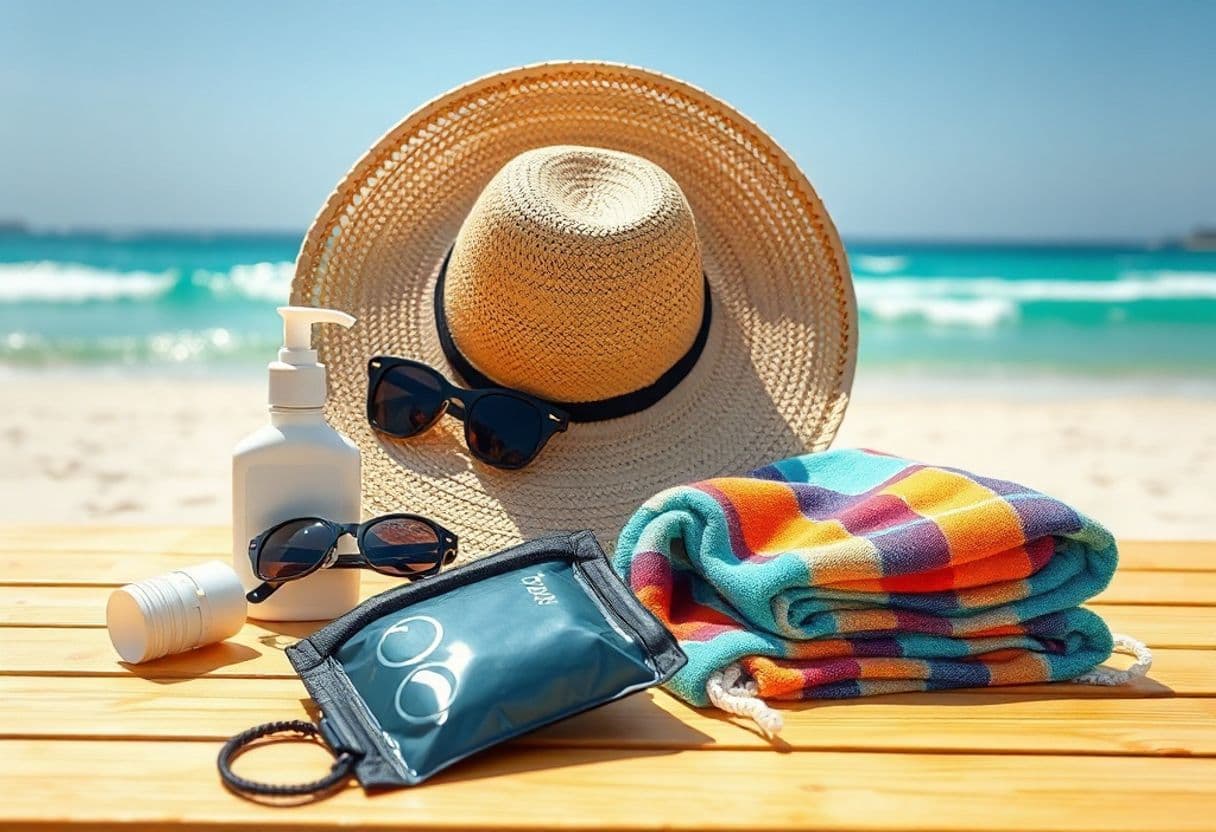
- Sunscreen: Use a water-resistant formula with at least 50 SPF. In mid-July, the UV index in Korea often exceeds 9, meaning skin can burn in as little as 15 minutes.
- Rash guards: Long-sleeved rash guards are superior to traditional swimsuits because they minimize the area where you need to apply sunscreen and protect against jellyfish stings.
- Wide-brimmed hats: Ensure they have a chin strap, as coastal winds can be surprisingly strong.
Hydration and Nutrition
- Water supply: Bring at least 4 liters of water for a family of four. While you can buy water at convenience stores (Pyeonuijeom), having it readily available under your parasol prevents constant trips to the shop.
- Frozen fruit: Grapes or orange slices frozen the night before act as both ice packs and refreshing snacks.
- Electrolyte powder: Adding this to one of your water bottles can help prevent heat exhaustion during a 5-hour stay.
Hygiene and Logistics
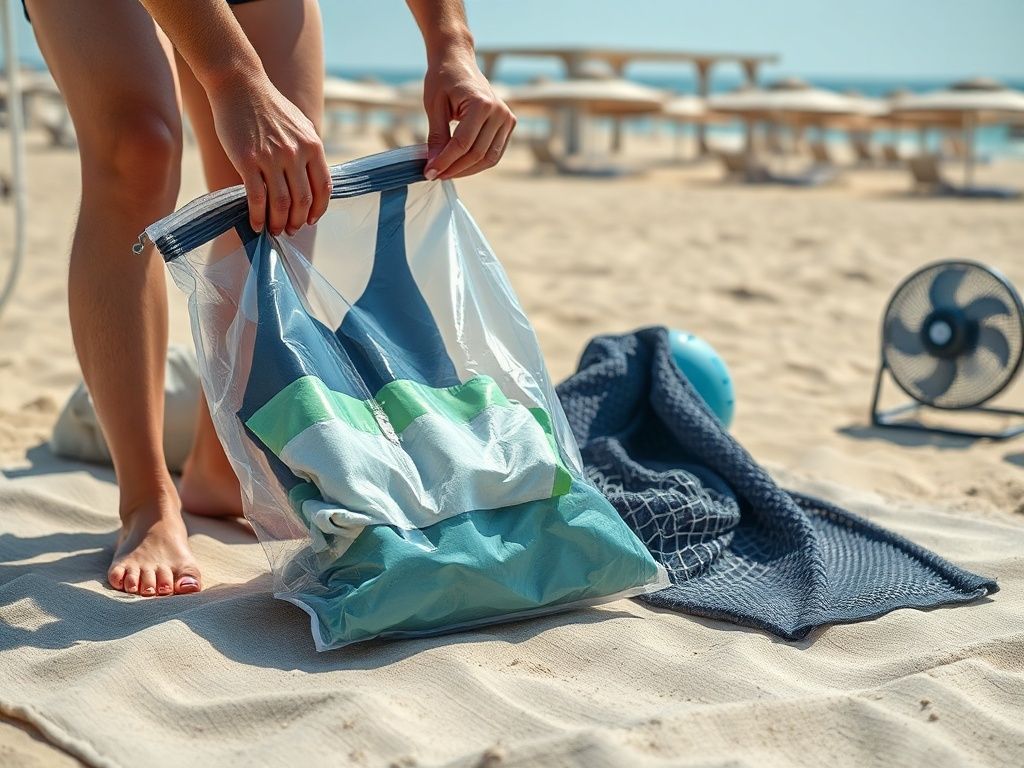
- Large jugs of tap water: I always keep two 2-liter bottles of tap water in the trunk of the car. This allows for a quick 'pre-wash' of the kids' feet and legs before they even get near the car, significantly reducing the amount of sand that ends up in the upholstery.
- Waterproof phone pouch: Essential for taking photos in the water and keeping your credit card dry.
- Portable power bank: High temperatures and constant photo-taking drain phone batteries faster than usual.
How to avoid common summer travel mistakes
One of the biggest red flags I see at Korean beaches is families arriving at noon. Not only is the sun at its most dangerous, but the parking situation becomes a nightmare. At popular spots like Gyeongpo or Haeundae, you may find yourself circling for 40 minutes only to park 1 kilometer away. Arriving before 9:00 AM is the only way to ensure a low-stress start.
Another mistake is relying solely on public showers. During the peak season, the line for the public shower can be 30 people deep at 5:00 PM. I recommend either leaving the beach early (around 3:00 PM) or staying late (after 7:00 PM) to avoid the rush. Alternatively, many nearby 'minbak' (small guesthouses) or private businesses offer shower-only services for about 3,000–5,000 KRW, which is often worth the price to avoid the crowd.
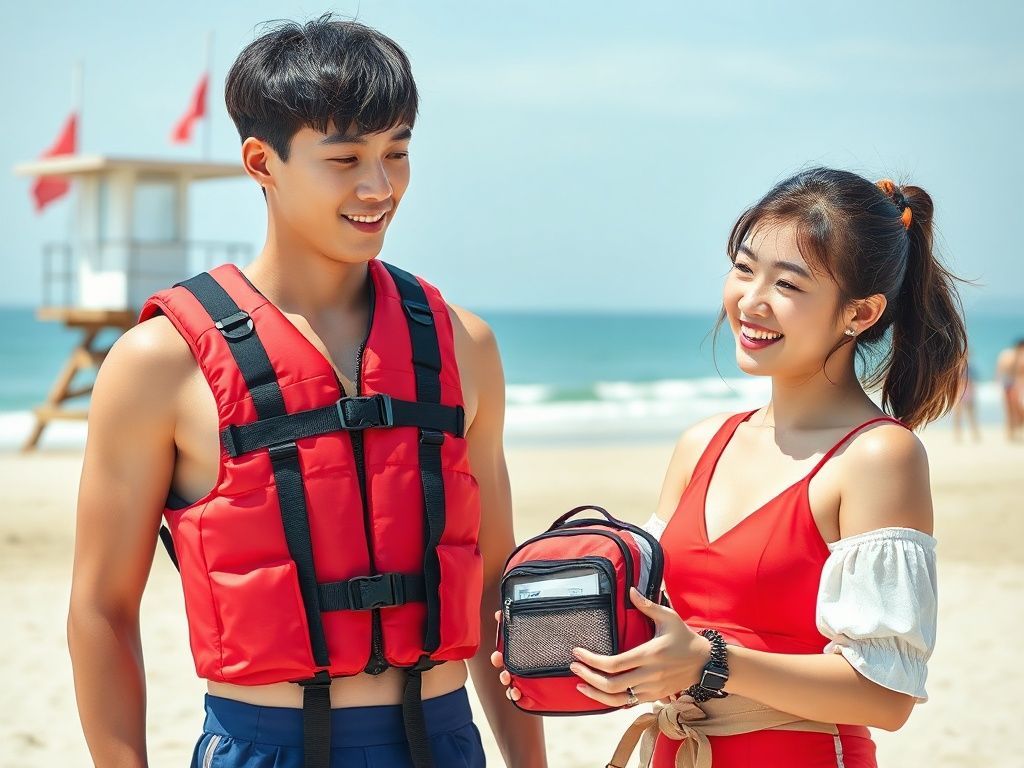
Lastly, be wary of unofficial vendors. While most beach services are regulated, occasionally individuals may try to charge 'cleaning fees' or 'site fees' for areas that are actually public. Always look for the official vests or booths managed by the local municipality or village association. For more information on organizing your gear, you can check out these family packing tips or look into beach safety equipment for children.
Why timing is critical for summer travel
In Korea, the 'peak' season is very concentrated, usually falling between the last week of July and the first two weeks of August. During this window, highway traffic from Seoul to the East Coast can turn a 2.5-hour drive into a 6-hour ordeal. If your schedule allows, traveling on a Tuesday or Wednesday rather than the weekend can reduce your transit time by nearly 40%.
I have found that the 'sweet spot' for a day trip is leaving the city at 5:30 AM. This sounds extreme, but it allows you to reach the coast by 8:30 AM, enjoy the best water for 5 hours, have a long lunch, and head back by 3:30 PM. By doing this, you miss the worst of the heat and the worst of the traffic. For a dad trying to keep the peace, avoiding a 4-hour traffic jam with two tired kids is the ultimate victory.
Conclusion
Successfully navigating a summer beach trip in Korea requires a shift in mindset from 'relaxation' to 'logistical management.' By focusing on early arrival, proper sun protection, and a well-planned food strategy, you can enjoy the beautiful coastlines without the typical stressors of the peak season.
To summarize the key points for your next trip:
- Prioritize beaches with a gradual slope and close proximity to restrooms if you have young children.
- Arrive before 8:30 AM to secure parking and a prime parasol spot near the shoreline.
- Use 'pre-wash' water bottles at your car to minimize the amount of sand brought into your vehicle. As a specific action to take today, check the official opening dates for your intended beach destination, as many only operate fully (with lifeguards and rentals) from early July through late August. Planning your specific 'departure window' now will save you hours of frustration later.
Previous
Auto-Camping for Beginners: Gear Budgets and Essential Tips
Next
Best Summer Beaches in Korea: Essential Packing Checklist
More in Travel

Slow Travel with Pets: A 4N5D Low-Walking Guide to Gangneung and Yangyang
Plan a relaxed 4-night, 5-day pet-friendly trip to Gangneung and Yangyang. Discover low-walking itineraries, budget tips, and safety checklists.
1N2D Couple's Travel: The Ultimate Food Allergy Survival Guide
Plan a safe 1-night, 2-day couple's trip abroad. Learn how to manage food allergies using public transit, prepare emergency cards, and build a backup plan.
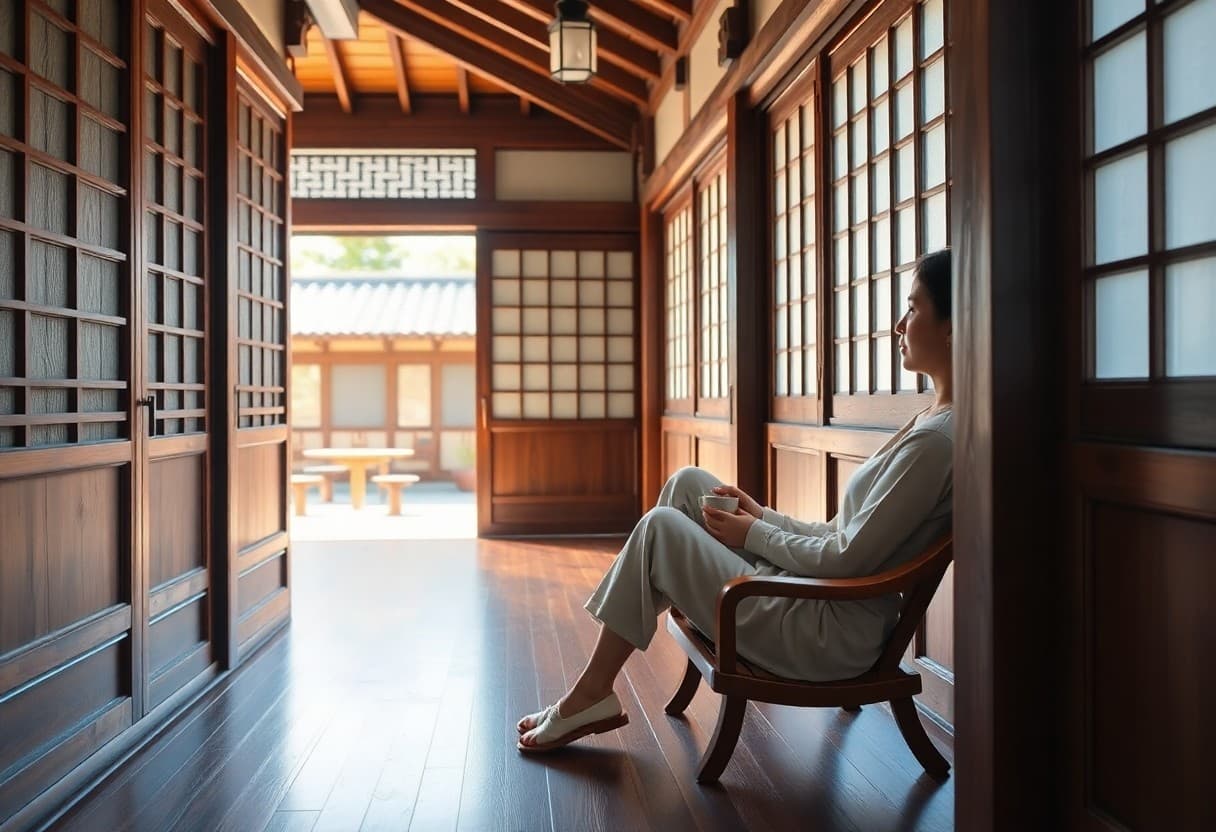
Hanok Stays: Easy Transit Solo Travel Guide
Discover charming Korean Hanok stays accessible by public transit. Prioritize pace and ease on your solo or friends' weekend trip, avoiding car dependency.
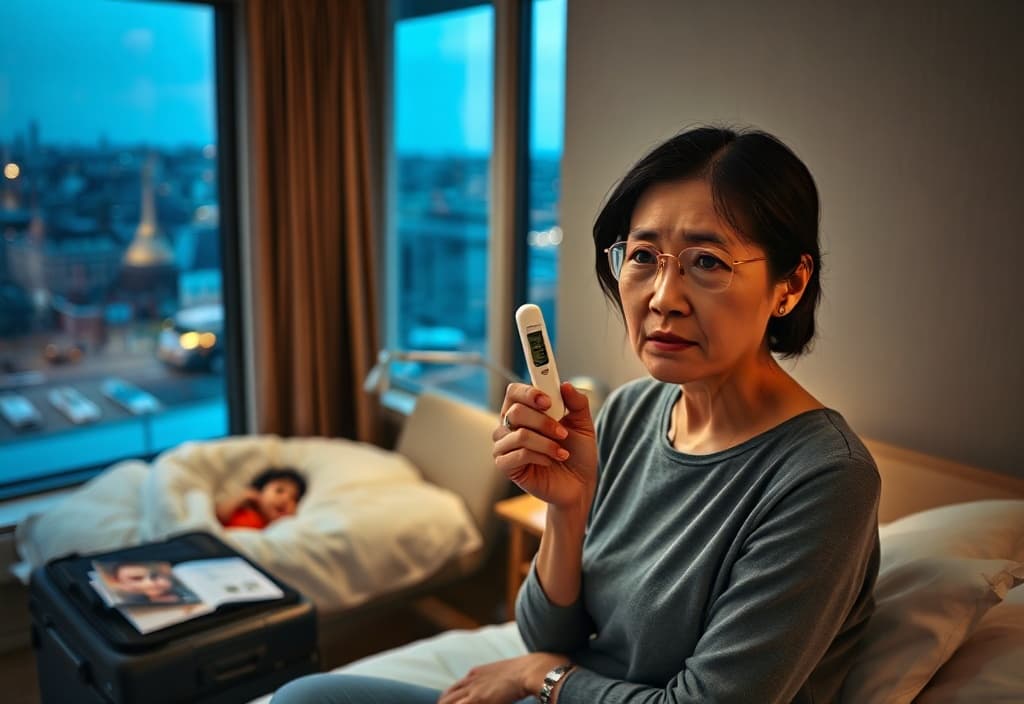
Sick child during overseas travel: Managing care and costs
Learn how to manage a sick child during overseas travel when peak season bookings are full. Discover emergency alternatives, cost-saving tips, and next steps.