Bali travel guide: Essential safety precautions for families

Key Takeaways
Bali travel guide for families focusing on safety and health precautions. Discover tips on transport, food safety, and child-friendly areas for a smooth trip.
Bali travel guide: Essential safety precautions for families
I spent years thinking Bali was only for honeymooners or young backpackers looking for a party, and I was wrong. After visiting multiple times as a couple in our 50s, I realized that while the island has a vibrant youth culture, it is also one of the most complex and rewarding destinations for families. However, the Bali you see in carefully edited photos is quite different from the reality of navigating its infrastructure with children. Success on this island depends entirely on your level of preparation and your willingness to slow down. If you approach Bali with the same expectations you have for a highly regulated European resort, you may find yourself overwhelmed. Instead, a successful family trip requires a shift in mindset—one that prioritizes safety and local awareness over a packed sightseeing schedule.
Why planning for safety is the priority in Bali
Bali offers a unique blend of Hindu culture, tropical landscapes, and world-class hospitality. For parents, this means access to affordable private villas and incredibly kind locals who generally adore children. However, the island's rapid development has outpaced its infrastructure in many areas. This overview covers the essential safety and health considerations that every parent must address before departure. From understanding the local traffic dynamics to managing the risks of tropical illnesses, being informed is the best way to ensure your family enjoys the beauty of the island without unnecessary stress.
It is important to note that the following sections provide general information only. This guide does not constitute medical, legal, or professional travel advice. For specific health concerns, vaccinations, or medical treatments, you must consult a qualified healthcare professional or a travel clinic before your trip.
The basics of Bali travel for families
Before diving into the complex safety protocols, every parent needs to understand the foundational elements of a Bali trip. This includes the entry requirements, weather patterns, and the basic 'rules of the road' for the island.
Visa and entry requirements
As of early 2026, most international travelers are required to obtain a Visa on Arrival (VoA), which costs approximately $35 and is valid for 30 days. You can often apply for an e-VoA online before you arrive to save time at the airport. Additionally, there is a mandatory customs declaration form that must be filled out electronically. For families, I recommend doing this 48 hours before arrival to avoid the long queues at the Denpasar airport terminals.
Weather and timing
Bali has two primary seasons: the dry season and the rainy season. The dry season typically runs from April to September, offering lower humidity and consistent sunshine. This is generally the best time for families with children, as the risk of mosquito-borne illnesses is slightly lower and outdoor activities are less likely to be interrupted. The rainy season, from October to March, can see heavy downpours, often lasting for 1–2 hours in the afternoon. During this time, humidity levels rise significantly, which can be taxing for young children and the elderly.
Understanding the health landscape
Health is the primary concern for most parents visiting Indonesia. The most common ailment is 'Bali Belly', a form of traveler's diarrhea usually caused by contaminated food or water. While it is often mild for adults, it can lead to rapid dehydration in small children.
- Never drink tap water; use bottled or filtered water even for brushing teeth.
- Avoid raw vegetables or salads that may have been washed in tap water in smaller warungs.
- Ensure all meat is cooked through and served hot.
- Use hand sanitizer frequently, especially after handling local currency. --- Beginner content ends here. Below is a deep dive into advanced safety and logistics for experienced family travelers. ---
How can parents ensure food and water safety?
Food safety in Bali requires constant vigilance, especially when traveling with children whose immune systems are not yet accustomed to local bacteria. While the temptation to try every street food stall is high, parents should be selective. In my experience, choosing busy restaurants with high turnover is safer than eating at empty venues where food might have been sitting out.
Specifically, you should be cautious about ice. In major tourist hubs like Seminyak or Sanur, most reputable restaurants use government-authorized, 'crystal' ice made from purified water. This ice is usually cylindrical with a hole in the middle. If you see large, irregular blocks of ice being crushed, avoid them, as these are often meant for cooling crates rather than human consumption.
Furthermore, be aware of the 'Arak' risk. Arak is a local distilled spirit that has occasionally been linked to methanol poisoning when produced illegally. While this is less of a concern for children, parents should stick to reputable, imported spirits or bottled beer (like Bintang) and avoid 'free pour' cocktails at suspiciously low prices in smaller bars.

What are the safest transport options for families?
Transport is perhaps the most stressful aspect of a Bali trip. The island does not have a comprehensive public transit system, and the traffic in areas like Canggu or Kuta can be gridlocked for hours.
The private driver advantage
For families, hiring a private driver for the day is the most efficient and safest option. Unlike taxis, a private driver stays with you, allows you to leave car seats or bags in the vehicle, and provides a consistent point of contact. The cost for an 8-hour day typically ranges from $40–$60, depending on the distance. This is significantly safer than renting scooters, which I strongly advise against for families. According to local traffic reports, scooter accidents are the leading cause of injury for tourists in Bali.
Ride-sharing apps
Apps like Grab and Gojek are widely used and very convenient for short trips. However, be aware that some local 'transport communities' in areas like Ubud or Uluwatu prohibit these apps from picking up passengers in certain zones. Always check with your villa staff or hotel concierge about the local transport rules to avoid uncomfortable confrontations.
Navigating the environment and local wildlife
Bali's natural beauty comes with specific environmental risks. For example, the sidewalks in many towns are notorious for having missing paving slabs or open drainage holes. When walking with children at night, always use a flashlight (or your phone's light) to avoid a fall.
Water safety and the ocean
Bali's beaches are beautiful but can be dangerous. Many beaches, particularly on the west coast (Kuta, Canggu, Bingin), have powerful rip currents and large shore breaks. Specifically, look for the red and yellow flags placed by the Balinese Lifeguards (Balawista). Never let children swim in areas marked with red flags. For a safer swimming experience with young children, Sanur and Nusa Dua are preferred because they are protected by offshore reefs, resulting in much calmer, shallower water.
Monkey Forest precautions
If you plan to visit the Sacred Monkey Forest Sanctuary in Ubud or the Uluwatu Temple, you must take precautions. These monkeys are highly habituated to humans and can be aggressive if they smell food.
Do not bring any food or plastic bags into the forest.
Secure all loose items, including sunglasses, hats, and jewelry.
Do not make eye contact with the monkeys, as they perceive this as a threat.
If a monkey jumps on you or your child, stay calm and walk away; do not try to pull the monkey off.
Where to eat: Family-friendly recommendations
Finding the right place to eat can make or break a day out. Here are three locations that offer a balance of safety, atmosphere, and quality food for families.
Warung Pulau Kelapa (Ubud)
Located on the outskirts of central Ubud, this restaurant is set in a beautiful garden and uses traditional Indonesian wooden architecture. It is an excellent choice for a slow lunch because the children can explore the garden paths while you wait for the food. I recommend ordering the Ayam Betutu (slow-cooked chicken), which is a Balinese specialty. The price point is mid-range, typically $10–$20 per person, and it fits perfectly into a day spent exploring the northern rice terraces.
Sari Organik (Ubud)
This is more than just a café; it is an experience. To get there, you must walk for about 15–20 minutes through the rice fields, which is a great way for children to see local agriculture. They serve organic juices and fresh salads grown on-site. The price band is $8–$15 per person. It is best visited in the late afternoon when the heat has subsided, providing a peaceful break from the bustle of the town center.
The Cashew Tree (Bingin)
If you are exploring the southern Bukit Peninsula, The Cashew Tree is a staple for families. It features a large, open-air grassy area where children can run around safely. The menu focuses on healthy bowls, fresh fish, and great coffee. The price is approximately $12–$18 for a main meal and a drink. It is a perfect spot to refuel after a morning at Padang Padang beach.
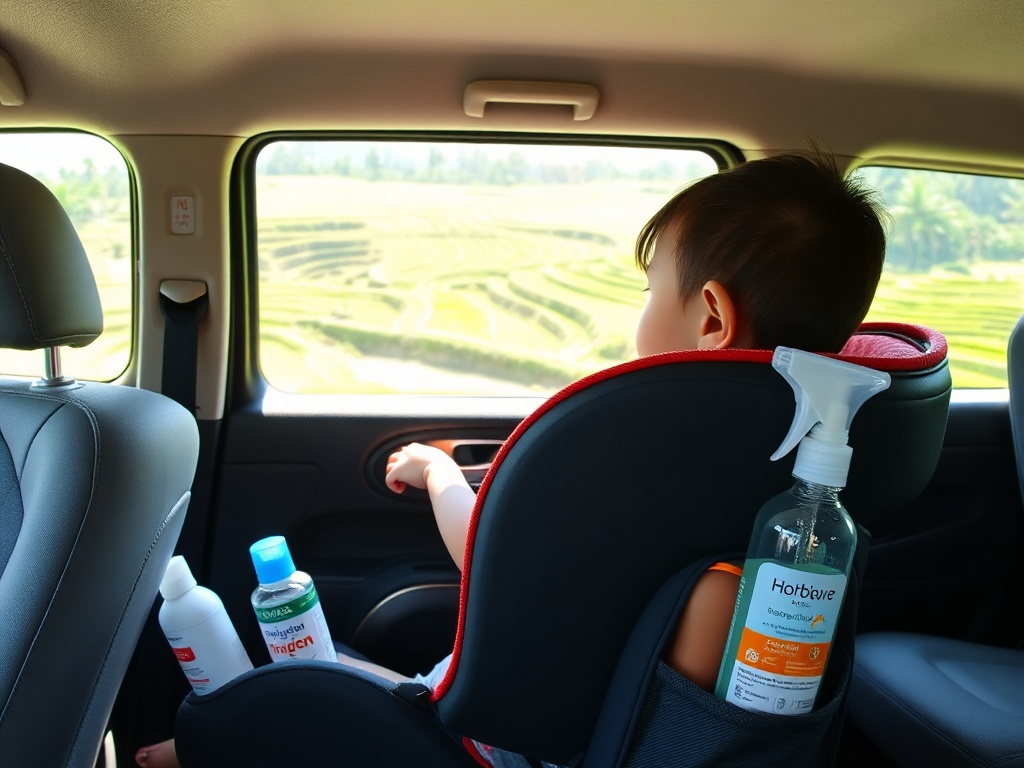
Practical steps for your Bali arrival
To ensure your trip starts on the right foot, follow these practical steps as soon as you land.
- Purchase a local SIM card (Telkomsel is generally the most reliable) at the airport or have an e-SIM activated before landing. Having data is essential for using maps and ride-sharing apps.
- Withdraw a small amount of local currency (Indonesian Rupiah) from an ATM inside the airport. Use ATMs attached to major banks like BCA or Mandiri to minimize the risk of card skimming.
- Download the 'Grab' and 'Blue Bird' apps. Blue Bird is the most reputable taxi company on the island, and their cars are always metered.
- Pack a basic medical kit including rehydration salts, child-safe ibuprofen, and a high-strength mosquito repellent containing at least 20% DEET.
- Confirm your airport transfer with your accommodation 24 hours in advance. Most hotels will provide a driver who will meet you with a sign, which is much easier than negotiating with the crowd of taxi drivers at the exit.
Conclusion
Traveling to Bali with a family is an enriching experience that offers deep cultural insights and beautiful memories, provided you respect the island's unique challenges. By prioritizing health precautions, choosing safe transport, and remaining aware of your surroundings, you can navigate the island with confidence.
Key takeaways from this guide include:
- Always prioritize bottled water and reputable food sources to avoid illness.
- Use private drivers instead of scooters for all family transport.
- Choose calm-water beaches like Sanur or Nusa Dua for safer swimming. As a specific action to take today, I recommend checking your travel insurance policy to ensure it specifically covers medical evacuation and private hospital stays in Indonesia. This single step provides the ultimate peace of mind before you even step on the plane.
Previous
Warm Winter Destinations for Couples: A Practical Escape Guide
Next
Bali travel guide: Essential safety precautions for families
More in Travel

Slow Travel with Pets: A 4N5D Low-Walking Guide to Gangneung and Yangyang
Plan a relaxed 4-night, 5-day pet-friendly trip to Gangneung and Yangyang. Discover low-walking itineraries, budget tips, and safety checklists.
1N2D Couple's Travel: The Ultimate Food Allergy Survival Guide
Plan a safe 1-night, 2-day couple's trip abroad. Learn how to manage food allergies using public transit, prepare emergency cards, and build a backup plan.

Hanok Stays: Easy Transit Solo Travel Guide
Discover charming Korean Hanok stays accessible by public transit. Prioritize pace and ease on your solo or friends' weekend trip, avoiding car dependency.

Sick child during overseas travel: Managing care and costs
Learn how to manage a sick child during overseas travel when peak season bookings are full. Discover emergency alternatives, cost-saving tips, and next steps.