Child protein intake strategies for busy multi-child families
Key Takeaways
Boost child protein intake with these realistic, time-saving tips for busy families. Learn daily requirements, common myths, and meal-prep strategies today.
Child Protein Intake Strategies for Busy Multi-Child Families
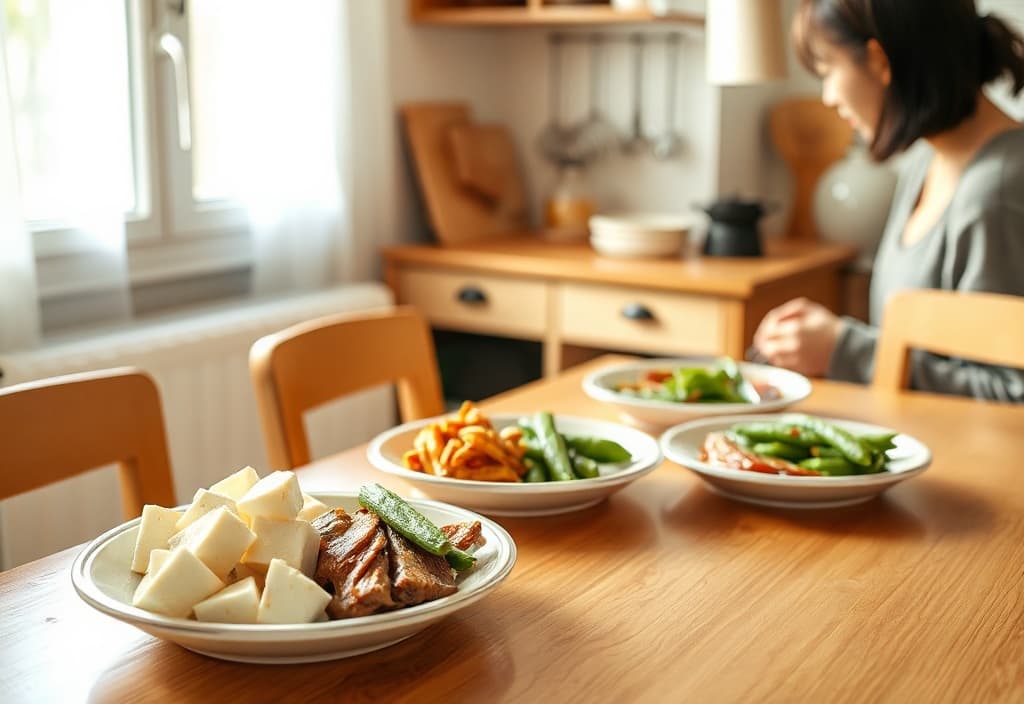
I remember a Tuesday evening in November 2024 when my 4-year-old refused everything but plain white rice, and my 7-year-old was crying over a single piece of chicken. I had just finished a ten-hour workday, and the mental load of wondering if they were getting enough nutrition felt heavier than the laundry piles in the hallway. Having survived six months of my youngest waking up every single night, I have long since abandoned the idea of the 'perfect' organic meal. In my experience, when you are managing multiple children, nutrition is less about aesthetics and more about finding the path of least resistance that still keeps them healthy.
This article provides general information regarding child nutrition and is not a substitute for professional medical advice, diagnosis, or treatment. Always seek the advice of your pediatrician or a qualified registered dietitian with any questions you may have regarding a medical condition or dietary changes. Never disregard professional medical advice because of something you have read here.
Why We Misunderstand Child Protein Intake
There are several widespread misconceptions that make parents feel unnecessary guilt about their children's diets. Understanding these myths is the first step toward a more relaxed and effective feeding strategy.
The Meat Obsession Myth
Many parents believe that if a child does not eat a chicken breast or a hamburger, they have failed their protein goals for the day. This leads to high-stress dinner tables where parents are begging kids to take 'just one more bite' of steak. In reality, protein is found in a vast array of foods that children often prefer over chewy meat. For example, a single cup of cooked peas contains about 8 grams of protein, which is nearly half of the daily requirement for a 5-year-old. When we stop viewing meat as the only source, the pressure on both the parent and the child decreases significantly.
The Protein Powder Shortcut
In the age of fitness influencers, there is a growing belief that children need specialized protein shakes or bars to grow strong. While these products are convenient, they are often loaded with artificial sweeteners and isolated proteins that lack the fiber and micronutrients found in whole foods. According to the 2020–2025 Dietary Guidelines for Americans, children should ideally meet their nutrient needs through whole foods. Relying on supplements can also lead to an intake that exceeds the safe upper limit for a child's kidney capacity.
The 'More is Always Better' Fallacy
We often assume that if 20 grams of protein is good, 40 grams must be better. However, the body can only process a certain amount of protein at one time. Excess protein that is not used for tissue repair or growth is either converted to energy (calories) or stored as fat, while the nitrogen byproduct must be filtered by the kidneys. For a child who is already a 'good eater', forcing additional protein can actually displace other essential nutrients found in fruits and vegetables, leading to an unbalanced diet.
What the Science Says About Real Requirements
To move forward, we need to look at the actual numbers provided by health organizations rather than social media trends. The National Academies of Sciences, Engineering, and Medicine suggests that children need approximately 0.95 grams of protein per kilogram of body weight. In practice, this translates to roughly:
- 13 grams per day for toddlers (ages 1–3)
- 19 grams per day for school-age children (ages 4–8)
- 34 grams per day for older children (ages 9–13) When you realize that one large egg contains about 6 grams of protein and two tablespoons of peanut butter contain about 8 grams, you see that meeting these requirements is much easier than it seems. Most children in the United States actually consume significantly more than the recommended daily allowance (RDA) without even trying. The challenge for multi-child households is not necessarily the 'amount' but the 'consistency' and the 'quality' of the sources provided during busy schedules.
Practical Guidance for Increasing Intake
When you are in survival mode with multiple kids, you need strategies that do not require three different meals. These methods focus on 'protein-loading' the foods your children already enjoy.
Breakfast Power-Ups
Breakfast is the easiest time to front-load protein. Instead of standard cereal, which is often low in satiety, try these swaps:
- Greek Yogurt Swaps: Regular yogurt often has only 3–4 grams of protein per serving, whereas Greek yogurt can have up to 10 grams in the same amount. If your child finds it too tart, mix it 50/50 with regular yogurt at first.
- Hemp Seed Addition: Adding one tablespoon of hemp seeds to oatmeal or a smoothie adds about 3 grams of complete protein without changing the flavor or texture significantly.
- The 'Egg-in-a-Hole' Method: For kids who hate the texture of boiled eggs, frying an egg inside a piece of whole-grain toast often makes it more palatable.
Lunch and Dinner Efficiency
For the working parent, lunch and dinner need to be fast. Specifically, look for 'stealth' protein sources:
- Lentil or Chickpea Pasta: These modern pasta alternatives look and taste very similar to traditional wheat pasta but contain double the protein (often 11–14 grams per serving). It is a 'one-pot' win for the whole family.
- Silken Tofu Blending: You can blend silken tofu into pasta sauces, soups, or even mac and cheese. It creates a creamy texture while adding 4–5 grams of protein per half-cup without the kids noticing the difference.
- Edamame as a Side: Frozen, shelled edamame takes 3 minutes to steam. Many children enjoy 'popping' them out of the shells, making it an interactive and high-protein side dish (9 grams per half-cup).
High-Protein Snack Checklist
Snacks are where most nutritional gaps occur. Instead of crackers or fruit snacks, keep these 5 items on hand:
String Cheese: 6 grams of protein per stick.
Pumpkin Seeds (Pepitas): 5 grams of protein per ounce (careful with choking hazards for those under 4).
Cottage Cheese with Fruit: 12 grams of protein per half-cup.
Hummus with Bell Peppers: 2 grams per two tablespoons.
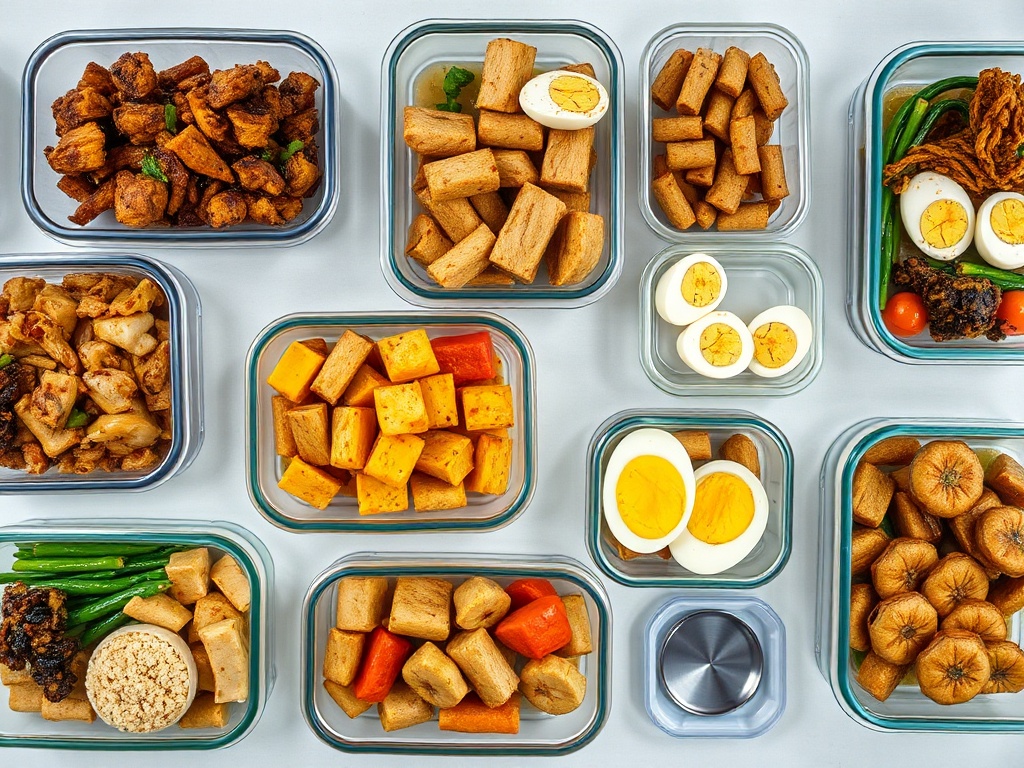
Hard-Boiled Eggs: 6 grams per egg (can be prepped in batches on Sundays).
Critical Caveats and When Advice Fails
While the tips above work for many, they are not universal. It is important to recognize when these strategies might not apply to your family situation.
Sensory Processing and Texture Aversion
For children with sensory processing issues or autism, the 'texture' of protein sources like meat or beans can be a major barrier. In these cases, forcing the issue can lead to mealtime trauma and further restriction. If your child has a very limited 'safe food' list, do not simply hide protein in their food. This can break their trust. Instead, consult with an occupational therapist or a pediatric nutritionist who specializes in feeding therapy.
The Cost of Convenience
Protein-dense foods like Greek yogurt, organic chicken, or nut butters are often more expensive than carbohydrate-heavy fillers. For families on a strict budget, the 'just buy Greek yogurt' advice can feel out of reach. In this scenario, dry beans and lentils are the most sustainable and cost-effective criteria for selection. A bag of dried lentils costs a fraction of a box of protein bars and provides significantly more nutrition per dollar.
Criteria for Decision Making
When choosing how to increase your child's protein, use these two criteria:
Preparation Time: Does this require me to stand at the stove for 30 minutes? If yes, and you have a 4-year-old having a meltdown, skip it. Choose the string cheese instead.
Bioavailability: Animal proteins are generally more bioavailable (easier for the body to use) than plant proteins. If your child eats very small volumes, a small piece of chicken or an egg is more 'efficient' than a large bowl of beans.

Common Mistakes to Avoid
- Warning 1: Hidden Sugars. Many 'high protein' yogurts and bars for kids are packed with 15–20 grams of sugar. Always check the label; the sugar shouldn't outweigh the protein.
- Warning 2: Choking Hazards. Whole nuts and large chunks of meat are significant choking risks for children under the age of 4. Always spread nut butters thinly and cut meat into pea-sized pieces.
- Warning 3: Neglecting Hydration. Protein requires water for the kidneys to process it effectively. If you increase protein intake, ensure your child is also drinking enough water throughout the day to avoid constipation.
Summary and Next Steps
Navigating child protein intake does not have to be a source of daily stress. By shifting away from the 'meat-only' mindset and utilizing high-protein swaps in everyday meals, you can meet your children's needs even during the busiest weeks. Remember these three key points:
- Most kids need less protein than we think (13–19 grams for young children).
- Whole foods like eggs, Greek yogurt, and lentils are superior to processed supplements.
- Consistency and variety are more important than any single 'superfood'. Action to take today: Open your pantry and check the labels on your current pasta or bread. If they are low in protein, make a note to swap them for a lentil-based pasta or a sprouted grain bread during your next grocery trip. This one 'passive' change can add 5–10 grams of protein to your child's day without any extra cooking time. Next Step:
- Proceed with these food swaps if your child is growing at a normal rate and has no known allergies.
- Pause if your child has a history of kidney issues or severe digestive distress.
- Verify with your pediatrician if you are concerned about a specific growth delay or if your child's diet is extremely limited (fewer than 10 foods).
Previous
Indoor Weekend Activities for Teenagers: Expert Parenting Tips
Next
Child protein intake strategies for busy multi-child families
More in Parenting

A Working Parent's Guide to Children's Eye Care: Protecting Your Firstborn's Vision
A practical guide for busy working parents on protecting their firstborn's vision. Learn how to spot early warning signs, set up healthy home lighting, and build simple routines.

Is It Puberty Rebellion or Teen Anxiety? A 2-Week Guide for Exhausted Parents
Unsure if your teenager is going through normal puberty or experiencing deep emotional anxiety? Discover the 2-week observation method and a daily 5-minute checklist.

Childhood Hives Causes and Management for School-Aged Kids
Childhood hives can be triggered by stress, temperature, or infection. Learn how to manage triggers and decide when your child is ready for school or daycare.

Side Dish Refusal in Toddlers: Strategies for Multi-Child Homes
Learn why children refuse side dishes after a second baby arrives and how to manage picky eating with age-specific strategies and consistent mealtime routines.