Childhood Hives Causes and Management for School-Aged Kids
Key Takeaways
Childhood hives can be triggered by stress, temperature, or infection. Learn how to manage triggers and decide when your child is ready for school or daycare.
Childhood Hives Causes and Management for School-Aged Kids
General Information Disclaimer: The information provided in this article is for general educational purposes only. It is not intended as medical diagnosis, treatment, or professional advice. Always consult with a qualified pediatrician or allergist regarding your child's specific health condition or before making changes to their care routine.
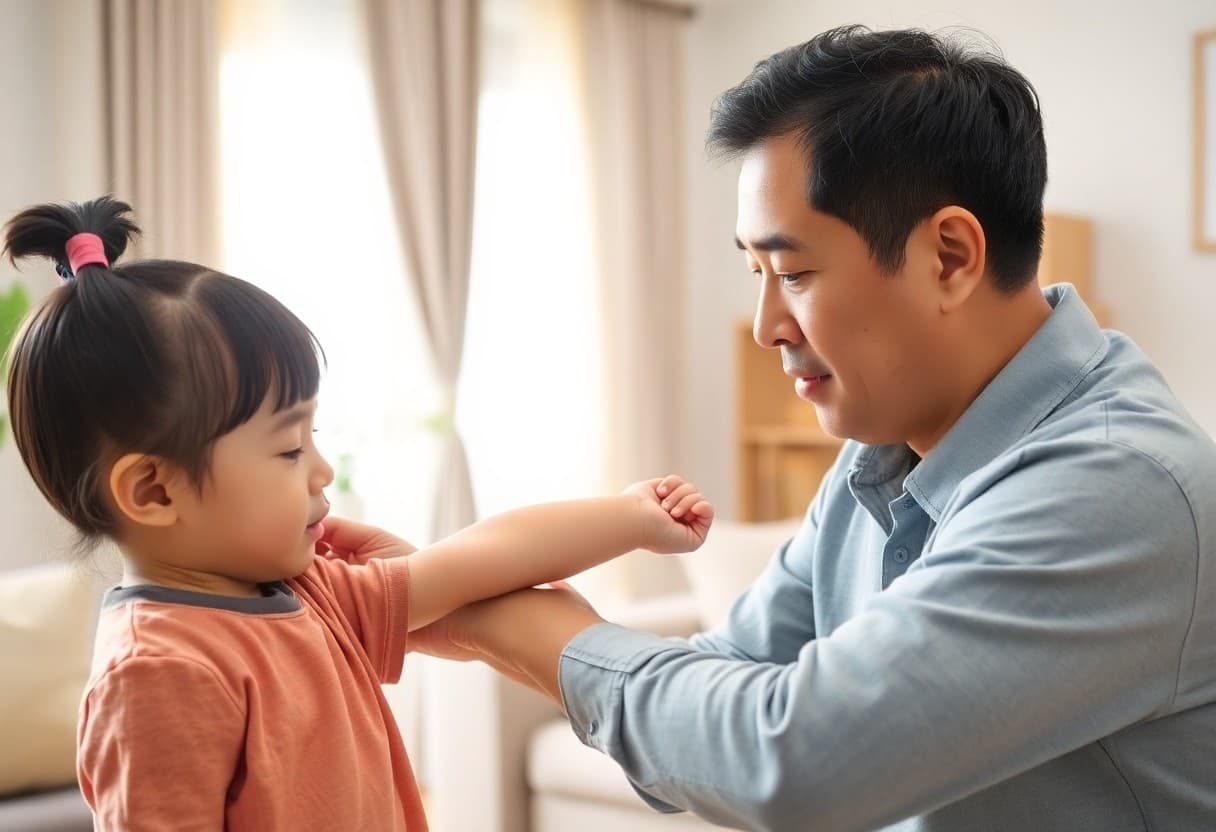
If you have ever discovered raised, itchy red welts on your child’s skin just minutes before the school bus arrives, you know the immediate sense of panic that follows. As a parent who makes every household decision alone, I understand the pressure to figure out the cause instantly while weighing the cost of a missed school day against the risk of a worsening condition. Childhood hives, or urticaria, are remarkably common, yet they remain one of the most frustrating issues to manage because the triggers are often invisible and the timing is rarely convenient.
Common Misconceptions About Childhood Hives
When hives first appear, most parents immediately jump to conclusions based on common myths. Normalizing these misconceptions is the first step toward a more practical management strategy.
Myth 1: Hives are always caused by a food allergy
One of the most widespread beliefs is that if a child has hives, they must have eaten something new or 'toxic.' While food allergies are a potential cause, they are not the primary driver for most acute cases. According to the American Academy of Pediatrics (2023), viral infections are actually the most common trigger for acute hives in children. A simple cold or even a low-grade virus that hasn't shown other symptoms yet can cause the immune system to overreact and produce hives. In my experience, obsessively scanning every ingredient label for a child who has eaten the same diet for years often leads to unnecessary stress and restricted diets that don't solve the problem.
Myth 2: Hives are a contagious skin infection
Because hives look dramatic and can spread across the body, many parents and even some school staff fear they are contagious. This leads to children being unnecessarily excluded from social activities. Hives are an internal immune response where the body releases histamine into the skin; they are not caused by a bacteria or virus that can be passed from person to person through touch. Understanding this allows you to focus on the child's comfort rather than worrying about isolating them from siblings or classmates.
Myth 3: Hot baths will soothe the itching
When a child is itchy, the instinct is often to put them in a warm bath to relax. However, heat is a major vasodilator. It increases blood flow to the surface of the skin, which can actually accelerate the release of more histamine and make the hives much worse. For example, a child who enters a 38-degree Celsius bath with a few hives may emerge covered in them. Cold compresses or lukewarm baths are far more effective for managing the physical sensation of itching.
Environmental Adjustments Before and After School
For an elementary school child, the transition between the home and school environment is often where triggers are most active. Managing these environments requires a systematic approach rather than a complete lifestyle overhaul.
Controlling the Home Climate
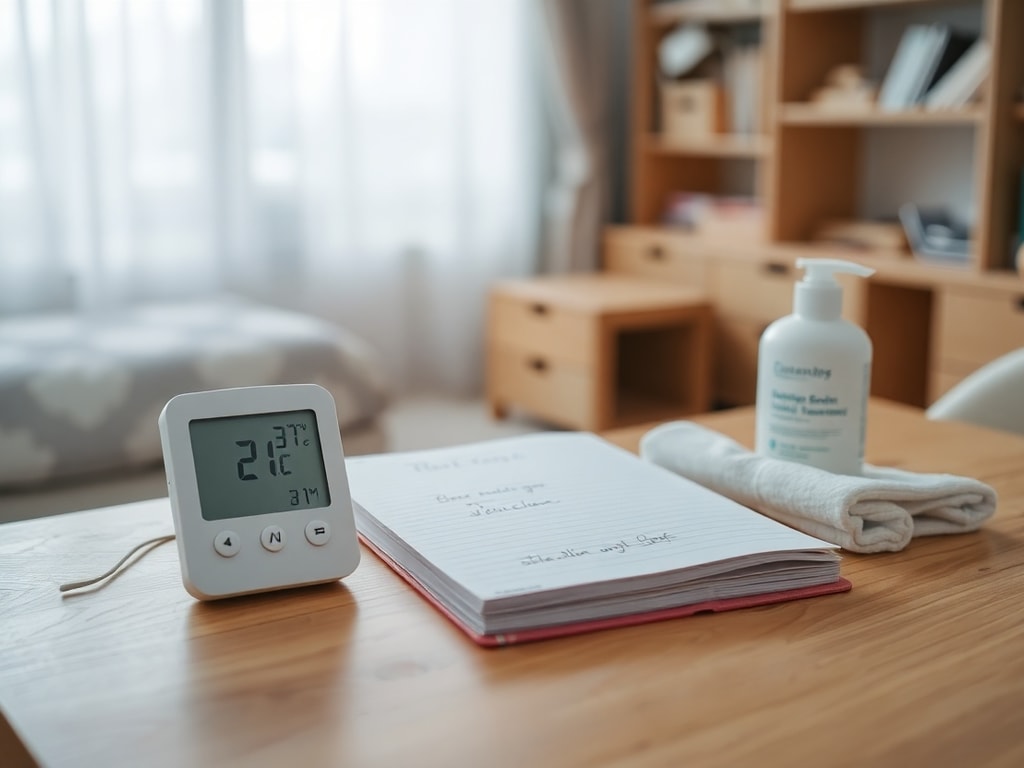
In my experience, the most cost-effective way to manage skin sensitivity is to control the variables you can actually touch. Temperature and humidity play a massive role. Keeping the home temperature between 20–22 degrees Celsius is ideal for children prone to hives. When the air is too dry, the skin barrier weakens, making it more susceptible to irritants. Maintaining a humidity level of 40–60% using a simple humidifier can prevent the skin from becoming parched and itchy.
Specific laundry protocols are also essential. I recommend the following 3-step adjustment:
Switch to a 'free and clear' detergent that lacks both dyes and fragrances.
Use a double-rinse cycle for all of the child's bedding and school uniforms to ensure no chemical residue remains.
Avoid fabric softeners and dryer sheets entirely, as these are designed to leave a thin layer of chemicals on the fabric, which is a frequent trigger for contact urticaria.
Preparing for the School Day
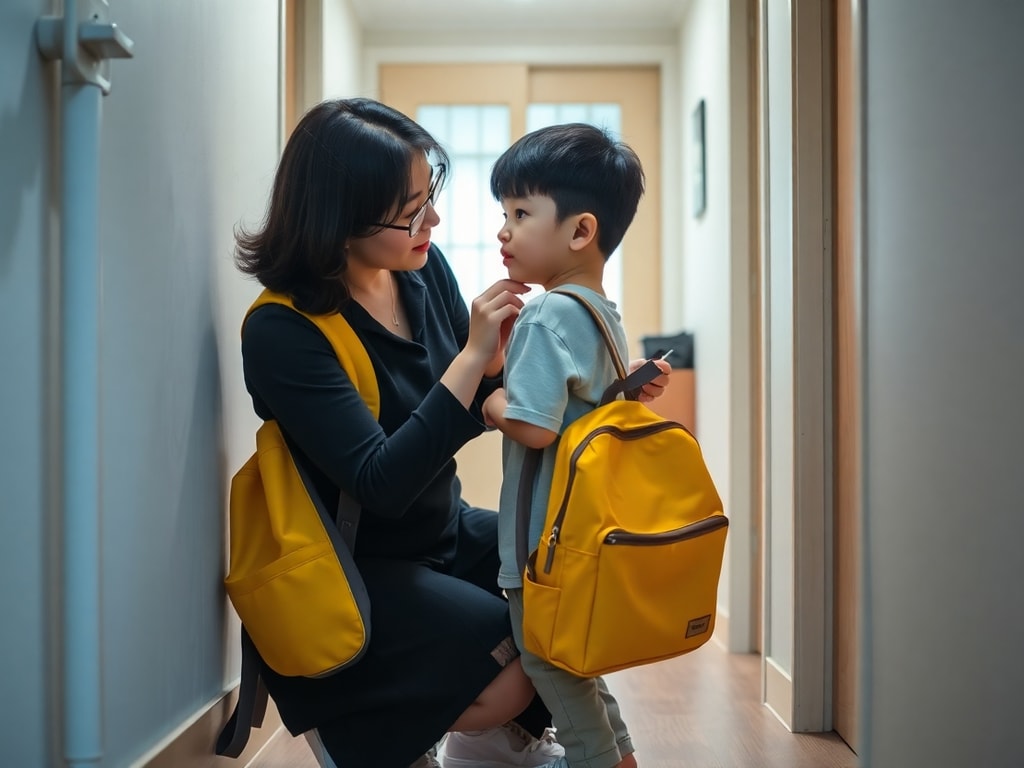
The school environment is often out of your control, but you can prepare your child to navigate it. Sweat is a common trigger for 'cholinergic urticaria,' which is caused by an increase in body temperature.
- Clothing Choice: Opt for 100% cotton layers. Synthetic fabrics like polyester trap heat and sweat against the skin, which can trigger a flare-up during recess or PE class.
- Communication: Provide the school nurse with a clear plan. This should include a list of known triggers and a pre-approved antihistamine if your doctor has recommended one.
- Hydration: Ensure your child has a dedicated water bottle. Proper hydration helps maintain skin health and can slightly mitigate the body's inflammatory response.
Practical Guidance: When to Send Your Child to School
Deciding whether to keep a child home is a logistical challenge, especially for single parents. You have to weigh the educational loss against the physical discomfort. I use two primary decision criteria: the 'Symptom Trajectory' and 'Focus Capacity.'
Decision Criteria 1: Symptom Trajectory
If the hives are localized (e.g., just on the arms) and have stayed the same size for 2–3 hours, the child is likely safe to attend school. However, if the hives are spreading rapidly across multiple body zones (chest, face, and legs) within a 30-minute window, this indicates an active systemic response. In this case, it is better to stay home and monitor the situation.
Decision Criteria 2: Focus Capacity
Itching is not just a physical sensation; it is a cognitive distraction. If a child is so itchy that they cannot sit still for 10 minutes or are scratching to the point of breaking the skin, they will not be able to learn. Specifically, if a 40mg dose of a non-drowsy antihistamine (as directed by a professional) does not provide relief within 60 minutes, the child is likely better off at home in a controlled, cool environment.
When the Advice May Not Apply: Critical Caveats
It is important to recognize when environmental adjustments and home monitoring are insufficient.
- The 6-Week Threshold: Most hives are acute and disappear within days. If hives persist or recur almost daily for more than 6 weeks, this is classified as chronic urticaria. At this point, home adjustments like changing detergent are unlikely to be the solution, and a deep-dive investigation by an immunologist is required.
- Underlying Illness: If hives are accompanied by a fever over 38.5 degrees Celsius, joint pain, or extreme fatigue, the hives are likely a secondary symptom of a more serious systemic infection or autoimmune issue.
- Anaphylaxis Risk: If hives are accompanied by swelling of the lips or tongue, difficulty breathing, or a sudden drop in blood pressure, this is a medical emergency. Home management does not apply here; immediate emergency intervention is required.
Managing the Financial and Emotional Aspect
As a parent managing a household alone, the cost of 'specialty' products can add up. You do not need to buy every 'organic' or 'dermatologist-tested' product on the market. In practice, the cheapest 'store brand' fragrance-free soap is often better than an expensive 'natural' soap filled with essential oils like lavender or eucalyptus, which can actually be skin irritants.
Focus your spending on:
A high-quality, non-drowsy antihistamine recommended by your pediatrician.
100% cotton clothing (can be bought second-hand to save costs).
A reliable thermometer and humidity gauge (hygrometer) for the home.
Summary and Next Steps
Managing childhood hives requires a balance of environmental control and realistic observation. Remember these three key points:
- Viral over Food: Most acute hives in children are triggered by viruses or environmental factors like temperature, not necessarily a new food allergy.
- Environment Matters: Keeping the home cool (20–22°C) and the skin hydrated with fragrance-free products is the most effective baseline treatment.
- School is Possible: If the hives are stable and the child can focus, they do not need to be excluded from school, provided the staff is informed.
Your Action Plan for Today
If your child is currently experiencing a flare-up, your immediate action should be to check your indoor humidity and temperature. If the room is over 23 degrees Celsius or the air is visibly dry, adjust your thermostat and start a humidifier. This simple, no-cost adjustment can often provide more relief than a dozen different topical creams.
Next Step Strategy:
- Proceed: If hives are localized, the child is acting normally, and symptoms respond to cool compresses.
- Pause: If hives are spreading or the child is becoming increasingly irritable; keep them home and observe for 4–8 hours.
- Verify: Contact your pediatrician if hives last longer than 48 hours, if they are accompanied by a fever, or if you notice any swelling of the face or throat.
Previous
Side Dish Refusal in Toddlers: Strategies for Multi-Child Homes
Next
Childhood Hives Causes and Management for School-Aged Kids
More in Parenting
A Working Parent's Guide to Children's Eye Care: Protecting Your Firstborn's Vision
A practical guide for busy working parents on protecting their firstborn's vision. Learn how to spot early warning signs, set up healthy home lighting, and build simple routines.
Is It Puberty Rebellion or Teen Anxiety? A 2-Week Guide for Exhausted Parents
Unsure if your teenager is going through normal puberty or experiencing deep emotional anxiety? Discover the 2-week observation method and a daily 5-minute checklist.

Side Dish Refusal in Toddlers: Strategies for Multi-Child Homes
Learn why children refuse side dishes after a second baby arrives and how to manage picky eating with age-specific strategies and consistent mealtime routines.
How to Build Lasting Organizing Habits in Your Eldest Child
Learn how to teach your eldest child sustainable organizing habits. This guide offers practical, no-nonsense strategies for working parents to manage toy clutter.