Dog Constipation Relief: Emergency Steps for Small Dog Owners
Key Takeaways
Learn urgent dog constipation relief methods for small breeds. Understand symptoms, safe home care, and when immediate veterinary attention is crucial for your pet's health.
It's been over a decade since I first encountered a small dog struggling with constipation, a situation that initially filled me with a mix of concern and uncertainty. Back then, my understanding of canine digestive issues, especially for smaller breeds, was far more generalized. I often relied on anecdotal advice or simply 'waiting it out,' hoping things would resolve naturally. What I've come to realize since then, through years of experience and learning from veterinary professionals, is the critical importance of early recognition and appropriate, timely intervention, especially for our more delicate small companions. The shift in approach from passive observation to proactive management has been profound, and it's a journey I want to share to help other small dog owners navigate this common, yet often distressing, health challenge.
General Information Disclaimer
Before we delve into the specifics, it's important to state that the information provided here is for general knowledge and educational purposes only. It is not intended to be a substitute for professional veterinary advice, diagnosis, or treatment. Always seek the advice of your qualified veterinarian with any questions you may have regarding a medical condition or emergency for your pet. Never disregard professional veterinary advice or delay in seeking it because of something you have read here.
Recognizing the Signs: How Do You Know Your Small Dog is Constipated?
In the past, I might have waited until a small dog hadn't passed stool for three or even four days before truly becoming alarmed. My focus was primarily on the *absence
- of stool. However, my understanding has evolved significantly. Now, I recognize that the signs of constipation in small dogs are often more subtle and varied than just a lack of bowel movements. Early recognition is absolutely paramount for small breeds, as their smaller bodies can dehydrate faster and develop complications more quickly than larger dogs. Here are the key indicators I now look for, often well before a full day without a bowel movement has passed:
- Straining or Difficulty: This is perhaps the most obvious and earliest sign. Your dog might crouch repeatedly, grunt, or seem to be pushing with visible effort without producing much or any stool. Sometimes, a very small, hard piece of stool might be passed after significant straining.
- Infrequent or Absent Bowel Movements: While a dog's normal frequency can vary, most small dogs will defecate 1–3 times a day. If your dog goes 24 hours without a bowel movement, or if their frequency significantly decreases from their norm, it's a strong indicator. For a small dog, even 12 hours without a bowel movement, especially if accompanied by straining, warrants close observation.
- Hard, Dry Stool: When stool is passed, it might be unusually hard, dry, and pebble-like. This indicates that too much water has been absorbed in the colon, a hallmark of constipation.
- Pain or Discomfort: Your small dog might yelp when attempting to defecate, or display signs of abdominal discomfort such as a hunched back, reluctance to be touched on the abdomen, or restlessness. They might even whine or cry softly.
- Reduced Appetite or Lethargy: Constipation can make a dog feel generally unwell. They might show a decreased interest in food, seem less energetic, or be less enthusiastic about playtime. This is often a sign that the discomfort is becoming more generalized.
- Vomiting: In more severe cases, especially if there's a significant blockage, your dog might start vomiting. This is a critical sign and indicates an emergency. Common Mistake Callout: One common mistake is assuming that a dog straining means they have diarrhea. While some dogs with diarrhea might strain, the key difference is what's produced. Constipated dogs strain to produce very little or hard stool, while dogs with diarrhea produce loose or liquid stool. Always observe the output carefully.
Initial Home Care: What Safe Steps Can You Take Immediately?
My initial approach to home care for a constipated small dog was often haphazard, trying various internet remedies without fully understanding their appropriateness or safety for a small animal. Today, my strategy is far more structured, focusing on safe, proven methods that address the core issues of hydration and stool consistency, while always keeping the potential need for veterinary intervention in mind.
When you first notice signs of constipation, the following steps can be taken at home, provided your dog is otherwise alert, not vomiting, and not showing severe distress:
1. Increase Hydration
Dehydration is a primary factor in hard stools. For small dogs, this is especially critical. Offer fresh, cool water frequently. You can also try:
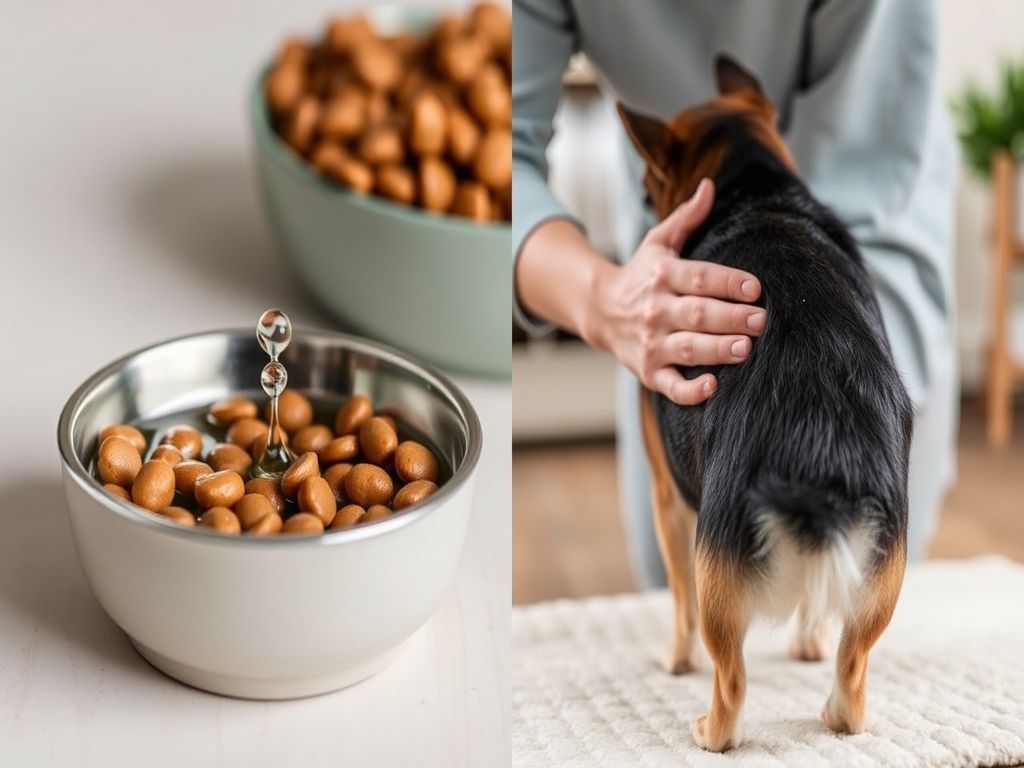
- Adding water to food: If your dog eats dry kibble, moisten it with warm water or low-sodium broth. Aim for a consistency similar to thick oatmeal.
- Ice cubes: Many small dogs enjoy licking ice cubes, which can be a fun way to increase fluid intake. Offer 2–3 small cubes at a time, 3–4 times throughout the day.
- Wet food: If your dog normally eats dry food, consider offering a small amount of high-quality wet food, which has a higher moisture content (typically 70–80%).
2. Gentle Exercise
Physical activity helps stimulate intestinal motility. Don't force a distressed dog to exercise, but if they're willing, a few short, gentle walks can make a difference. Even 15–20 minutes of light activity, repeated 2–3 times a day, can help get things moving. For example, a leisurely stroll around the block or a supervised play session in the yard can be beneficial.
3. Dietary Adjustments (Small Amounts)
Introducing a small amount of dietary fiber can help soften stool. However, moderation is key, especially for small dogs, as too much fiber can worsen the problem.
- Canned Pumpkin Purée: This is my go-to. It's a fantastic source of soluble and insoluble fiber. Offer 1–2 teaspoons for very small dogs (under 10 pounds) or 1 tablespoon for slightly larger small dogs (10–20 pounds) with each meal, 2 times a day. Ensure it's 100% pure pumpkin, not pumpkin pie filling, which contains sugar and spices harmful to dogs.
- Cooked Sweet Potato: Similar to pumpkin, cooked and mashed sweet potato (plain, without butter or seasoning) can be given in the same small quantities.
- Small amounts of Bran Cereal: For example, a tiny sprinkle of plain bran flakes (about 1/4 teaspoon) mixed into wet food can sometimes help. This should be used very cautiously due to potential for gas. Warning: Never give your dog human laxatives (like Miralax, Metamucil, or mineral oil) without explicit veterinary instruction. Many human medications are toxic to dogs, and incorrect dosages can be dangerous, leading to severe diarrhea, dehydration, or other complications. Similarly, avoid giving milk, as many dogs are lactose intolerant, which can cause digestive upset rather than relief.
When to Worry: Why is Prompt Veterinary Care Essential for Small Dogs?
My understanding of when to seek professional help has evolved from a 'wait until it's really bad' mentality to a 'when in doubt, check it out' approach, particularly for small dogs. Their small stature means they have less physiological reserve, and what might be a minor inconvenience for a large breed can quickly become a serious emergency for a small one.
Specific Observation: If a small dog has not passed stool for 24–36 hours, despite home care efforts, or if they are showing any of the following symptoms, it's time to call the veterinarian immediately:
- Persistent Straining without Production: If your dog is continuously attempting to defecate but producing nothing, or only tiny, rock-hard pellets.
- Vomiting: Any vomiting, especially if accompanied by lethargy or loss of appetite, could indicate a more serious obstruction.
- Severe Lethargy or Weakness: If your dog seems unusually tired, weak, or unresponsive.
- Loss of Appetite and Water Refusal: If your dog refuses to eat or drink for more than 12 hours.
- Abdominal Pain: If their abdomen feels hard or distended, or they cry out when you gently touch their belly.
- Blood or Mucus in Stool (if any is passed): This can indicate irritation or a more serious underlying issue. Why the Urgency for Small Dogs?
Rapid Dehydration: Small dogs have a higher surface area to volume ratio, making them more susceptible to dehydration, which can quickly worsen constipation and lead to other health problems.
Higher Risk of Obstruction: Their smaller intestinal lumen means they can become obstructed by foreign objects or fecal impactions more easily than larger dogs. A severe fecal impaction can be incredibly painful and, if left untreated, life-threatening.
Underlying Health Issues: Constipation, especially recurrent constipation, can be a symptom of a more serious underlying health condition, such as kidney disease, neurological problems, anal gland issues, or even certain types of cancer. A veterinarian can diagnose and treat these conditions.
Pain Management: Severe constipation is painful. A vet can provide safe pain relief and administer appropriate medications like stool softeners or enemas that are tailored to your dog's size and condition.
Understanding the 'Why': Common Causes of Constipation in Small Breeds
Moving beyond just treating the symptoms, understanding the root causes of constipation has been crucial in preventing its recurrence. For small dogs, several factors can contribute to digestive slowdowns:
- Dehydration: As mentioned, insufficient water intake is a significant contributor. Small dogs, especially those on dry kibble or those who are picky drinkers, are particularly vulnerable.
- Lack of Fiber: A diet too low in fiber means there isn't enough bulk to stimulate regular bowel movements. Conversely, too *much
- fiber from inappropriate sources can also cause issues.
- Lack of Exercise: Sedentary lifestyles slow down metabolism and intestinal motility. Many small dogs, particularly those living in apartments, may not get enough regular, stimulating walks.
- Ingestion of Indigestible Material: Small dogs are prone to eating things they shouldn't – hair (especially from grooming), small toys, fabric, or even excessive bone fragments from inappropriate treats. These can form blockages. I once treated a small terrier who had ingested a significant amount of carpet fibers, leading to severe impaction.
- Pain or Orthopedic Issues: Arthritis, back pain, or anal gland discomfort can make the act of defecating painful, causing a dog to voluntarily hold stool, which then hardens.
- Enlarged Prostate (Males): In older intact male dogs, an enlarged prostate can press on the colon, making defecation difficult.
- Medications: Certain medications, such as antihistamines, diuretics, or opioid pain relievers, can have constipation as a side effect.
- Neurological Conditions: Conditions affecting the nerves that control bowel function can also lead to constipation. Understanding these potential causes helps in both emergency response and long-term prevention. For instance, if I suspect dehydration, I'll focus on increasing fluids. If I suspect a foreign object, I know a vet visit is immediate.
Beyond the Emergency: Preventing Future Constipation
After addressing an immediate constipation crisis, the focus shifts to preventing future episodes. This proactive approach has dramatically reduced instances of constipation in the small dogs I've cared for. It's about establishing consistent, healthy habits that support optimal digestive function.
Here are some key preventative strategies:
Consistent Hydration: Always ensure multiple sources of fresh water are available. Consider a water fountain to encourage drinking, or simply refresh bowls 2–3 times daily. I've found that some small dogs prefer ceramic or glass bowls over plastic. For those who are still reluctant, adding a tiny splash of low-sodium chicken broth to their water can sometimes entice them to drink more. You might find this article on [keeping your dog hydrated] helpful.
Balanced Diet with Adequate Fiber: Discuss your dog's diet with your veterinarian. They can recommend high-quality commercial foods specifically formulated for small breeds that contain appropriate fiber levels. If needed, a vet might suggest a safe, measured fiber supplement. Avoid frequent changes in diet, which can upset a sensitive digestive system. For more information on [choosing the right dog food], consult a professional.
Regular Exercise: Aim for at least 30–60 minutes of moderate exercise daily, broken into shorter sessions if needed. This could be 2–3 walks of 15–20 minutes each, or a mix of walks and indoor play. Consistent movement keeps the digestive system active.
Scheduled Potty Breaks: Establish a regular schedule for potty breaks. This gives your dog consistent opportunities to relieve themselves, reducing the likelihood of them holding stool. For instance, a small dog might need to go out every 4–6 hours during the day.
Grooming and Hairball Prevention: For long-haired small breeds, regular grooming, including brushing, is essential to minimize the amount of hair they ingest, which can accumulate in the digestive tract and cause blockages. Consider a daily brush for breeds like Shih Tzus or Pomeranians.
Avoid Ingestible Foreign Objects: Be vigilant about small items on the floor that a small dog might chew on and swallow. This includes small pieces of toys, string, fabric, or even plant material. Regularly inspect your dog's toys for damage and replace them when necessary.
Regular Veterinary Check-ups: Routine visits allow your vet to identify and address any underlying health issues that might predispose your dog to constipation, such as anal gland problems, arthritis, or dietary sensitivities, before they become acute. Warning: Do not drastically change your dog's diet or introduce large amounts of new food or supplements without consulting your vet. Sudden changes can lead to digestive upset, including both diarrhea and constipation.
Conclusion: Prioritizing Your Small Dog's Digestive Health
My journey from a reactive, uncertain approach to dog constipation to a proactive, informed one has been transformative for the well-being of the small dogs in my care. The three key takeaways are clear: first, early recognition of subtle signs is critical for small breeds; second, safe and gentle home interventions focus on hydration and appropriate fiber, but only when symptoms are mild; and third, prompt veterinary consultation is non-negotiable when home remedies fail or symptoms worsen, due to the unique vulnerabilities of small dogs.
Today, take a moment to assess your small dog's water intake and daily exercise routine. A simple increase in fresh water availability or an extra 10-minute walk could make all the difference in maintaining their digestive comfort and preventing future emergencies. Your small companion relies on your vigilance and informed care.
Previous
Preventing Dog Patellar Luxation: A Multi-Pet Owner's Guide
Next
Dog Constipation Relief: Emergency Steps for Small Dog Owners
More in Pets

Pet First Aid Guide for Multi-Pet Households: Easy Steps for Beginners
Learn essential pet first aid tips for multi-pet households. Discover how to build a custom kit, handle choking, perform CPR, and coordinate emergencies.
Heartworm Prevention for Large Dogs: A Step-by-Step Home Guide
Heartworm prevention for large dogs requires precise dosing and consistency. Learn how to choose the right medication, manage schedules, and avoid common errors.
Introducing Two Dogs Successfully After a Failed First Attempt
Introducing two dogs requires a structured approach to prevent aggression. Follow this safety-first checklist to ensure a successful meeting and long-term peace.
Pet Birthday Party Ideas: Safety and Emergency Prep for Multi-Pet Homes
Explore pet birthday party ideas focused on safety and emergency prevention. Learn how to manage multi-pet dynamics, food risks, and stress during celebrations.