Indoor Weekend Play Checklist for Busy Working Parents
Key Takeaways
Indoor weekend play can be exhausting for working parents. Use this practical checklist to manage energy levels and keep kids engaged without the burnout.
Indoor Weekend Play Checklist for Busy Working Parents
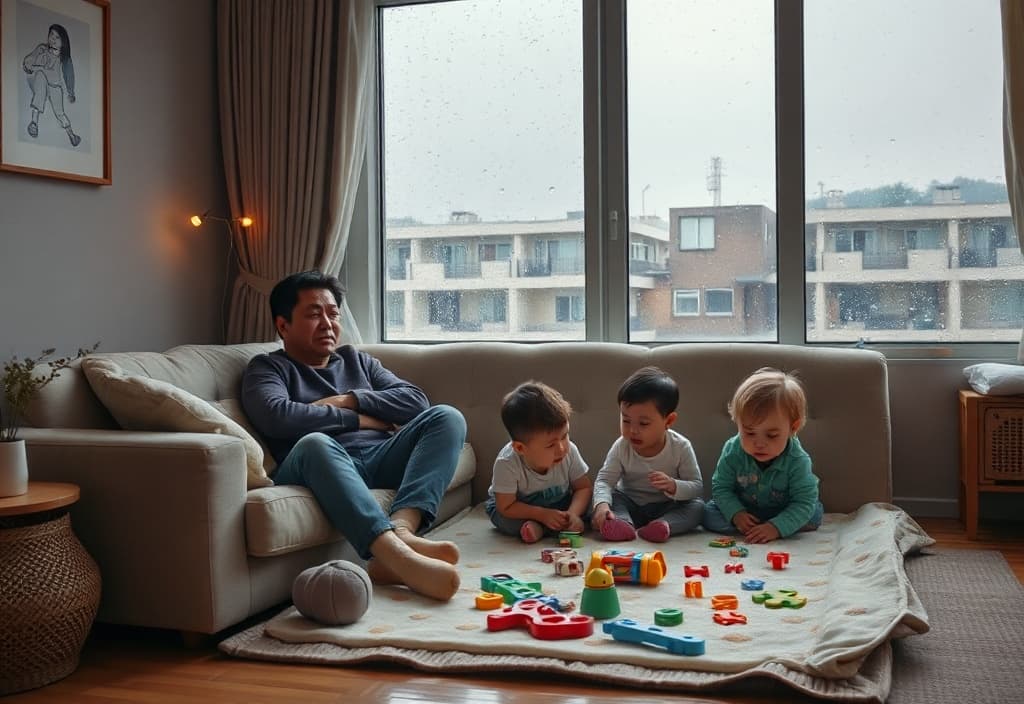
Have you ever stared at the rain hitting the window on a Saturday morning, knowing your four-year-old has enough energy to power a small city and you have absolutely nowhere to go? As a working mom of two children, ages 4 and 7, I have lived through the desperation of a 48-hour indoor stretch. After surviving a period where my youngest woke up every single night for six months, I stopped caring about 'picture-perfect' Pinterest activities and started focusing on what actually keeps everyone sane. This guide is born out of the reality that on a rainy Sunday, you do not need a masterpiece; you need a plan that works while you drink your coffee.
General Information Disclaimer
Please note that the information provided in this article is for general informational purposes only. It does not constitute professional medical, psychological, or developmental advice. For specific concerns regarding your child's behavior, physical health, or developmental milestones, please consult a qualified pediatrician or child development specialist. Every child and home environment is unique, and safety should always be your primary concern when implementing new play activities.
How was indoor play handled in the past?
For many years, the prevailing wisdom for working parents was to treat the weekend as a high-octane 'event' time. If we were stuck indoors, the default response was often to head to a crowded indoor playground, a noisy mall, or a massive family entertainment center. The logic was simple: pay for an experience to exhaust the kids so they would sleep well, allowing the parents to recover from the work week. We viewed the home as a place for rest and the 'outside world' as the place for play.
However, this approach often backfired. A 2022 survey by the Family Stress Research Group found that 55% of parents felt more exhausted after a weekend of 'structured outings' than they did on Friday evening. The financial cost of these trips, combined with the sensory overload of loud, crowded spaces, often led to 'post-weekend burnout' for both parents and children. At home, the 'past' version of indoor play was often unstructured and reactive. We would wait until the kids were climbing the walls before frantically throwing toys at them or turning on the television out of pure survival instinct.
This reactive model failed because it lacked a transition between the structured environment of school/daycare and the loose environment of the home. Children who are used to having their time managed from 9 to 5 often struggle when suddenly faced with 8 hours of 'free play' in a living room. This gap between expectation and reality is where the most difficult weekend behavior usually happens.
What works better for indoor play now?
What we have learned recently is that children do not need expensive equipment; they need a rhythm. The shift has moved away from 'entertaining' the child toward 'engaging' the child. Instead of one long, grueling day, we now break the indoor weekend into manageable blocks of 15 to 30 minutes. This is especially helpful for working parents who are already mentally drained and cannot sustain 4 hours of pretend-play on the floor.
In my experience, the most successful indoor days are those that treat the house as a series of 'zones.' Rather than letting the children have free reign of every toy they own, we rotate access. This 'scarcity' makes old toys feel new again. Furthermore, we have integrated 'practical life' into play. A 4-year-old might spend 20 minutes 'washing' plastic dinosaurs in a bin of soapy water, which serves as both sensory play and a productive task. This shift acknowledges that kids want to be involved in the world around them, not just sequestered with plastic toys.
According to a 2023 report on childhood development by the National Parenting Association, children show a 30% increase in sustained attention when activities are presented in a 'menu' format rather than as a single, forced task. This means giving the child a choice between two pre-vetted options. This gives them a sense of autonomy while keeping the mess within your comfort zone. It is about working with the child's natural energy peaks and valleys throughout the day.
The Essential Indoor Play Checklist
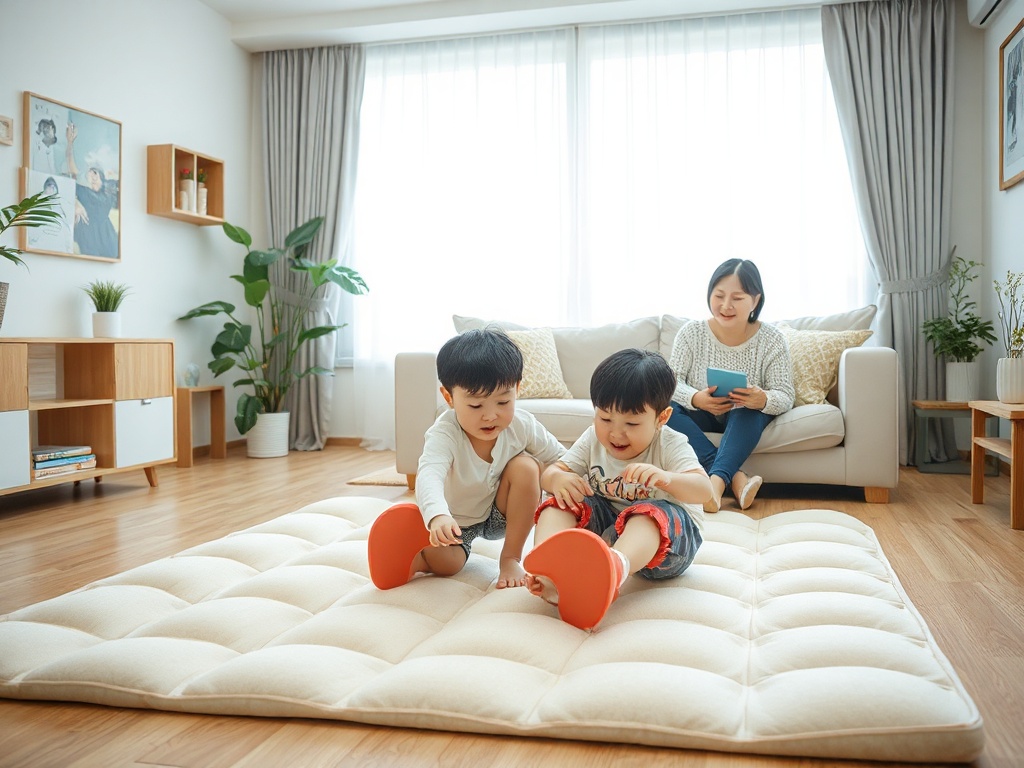
To make your weekend manageable, use this checklist to ensure you are hitting different developmental needs without burning yourself out. This is not about doing everything; it is about having a go-to list when the 'I am bored' complaints start.
High-Energy Physical Play (The Energy Burner)
- Living Room Obstacle Course: Use couch cushions, chairs, and blankets. Set a timer and see if they can beat their own record. This uses gross motor skills and burns off the 'zoomies.'
- The Tape Track: Use masking tape to create a 'road' for cars or a 'tightrope' for walking across the floor. This provides 20-30 minutes of focused movement.
- Animal Races: Have them move from one side of the room to the other like a crab, a frog, or a bear. This is surprisingly exhausting for a 4-year-old.
- Balloon Volleyball: A single balloon can provide 15 minutes of safe, indoor cardio that will not break the furniture.
Sensory and Creative Play (The Focus Builder)
- The 'Kitchen Sink' Salon: Give them a tray, some plastic cups, a bit of water, and perhaps 200 grams of flour or cornstarch. Let them 'cook' or 'experiment.'
- Cardboard Construction: Never throw away a large delivery box. A box can become a spaceship, a cave, or a canvas for markers. In my experience, a box provides more engagement time than a $50 plastic toy.
- Sticker Station: For younger children, peeling stickers is an excellent fine motor activity. Use a large piece of paper or even an old window (stickers come off glass easily) to create a mural.
- Salt Dough Creation: Mix 2 cups of flour, 1 cup of salt, and 1 cup of water. It is a cheap, non-toxic way to keep hands busy for at least 45 minutes.
Quiet and Independent Play (The Parent Reset)
- Audiobook Tent: Set up a 'reading cave' with blankets and pillows. Put on an age-appropriate audiobook. This allows for 'screen-free' quiet time while you sit nearby.
- Color Sorting: Give them a pile of mixed items (socks, blocks, buttons) and ask them to sort them by color into different bins. This is a calm, meditative task for a 7-year-old.
Critical Caveats: When the Advice Fails
While checklists are helpful, they are not a universal solution. There are specific situations where the 'activity' approach will not work, and it is important to recognize these before you lose your patience.
When the Child is Overtired or Sick
If your child is coming down with a cold or missed their nap, a structured obstacle course will likely lead to a meltdown. In these cases, the 'active' parts of the checklist should be ignored in favor of 'low-sensory' environments. Dim the lights, reduce the noise, and prioritize comfort over engagement. Forcing a sick child to 'play' is a recipe for disaster.
When the Mess Outweighs the Benefit
As a working parent, your time is valuable. If a 'sensory bin' with 500 grams of rice takes you 5 minutes to set up but results in a 40-minute cleanup, it is a bad trade-off. Always evaluate the 'Cleanup-to-Play Ratio.' If you are already feeling overwhelmed by household chores, skip the messy crafts. It is better to have a slightly bored child than a resentful, exhausted parent.
When the Parent is at Capacity
There are weekends where you simply cannot 'perform' as a playmate. If you have been working 50-hour weeks, your mental health matters. In these instances, do not feel guilty about using high-quality screen time as a tool. The American Academy of Pediatrics (AAP) notes that while screen time should be limited (ideally under 1 hour for ages 2-5), the quality of the content and the context of the home environment matter more than a rigid minute-count. If an hour of a nature documentary allows you to recharge so you can be a kinder parent later, that is a valid choice.
Decision Criteria for Choosing an Activity
When you are looking at your checklist on a Saturday morning, use these two criteria to decide what to do next:
The Energy Match: Look at your child. Are they bouncing off the walls or whining quietly? If they are bouncing, you must choose a High-Energy Physical task. If they are whining, they likely need a Sensory or Quiet task. Trying to force a high-energy child into a 'quiet coloring session' is a primary cause of weekend power struggles.
The 'Parental Battery' Level: Be honest about how much you have left in the tank. If you are at 10% energy, do not start a salt dough project. Choose the 'Audiobook Tent' or the 'Tape Track' where you can supervise from the couch. Sustainability is the key to surviving the weekend.

What to watch for going forward
As we move into the mid-2020s, the trend in indoor play is shifting toward 'minimalist engagement.' We are seeing a move away from specialized 'educational toys' and back toward open-ended play. The rise of 'digital fatigue' among parents is also leading to a resurgence in traditional hobbies like indoor gardening or basic baking as a shared family activity.
In practice, this means you should focus on building a 'play kit' of reusable basics—tape, boxes, old clothes for dress-up, and basic kitchen supplies. The goal is to move away from the 'buying' cycle and into the 'creating' cycle. This not only saves money but also teaches children resourcefulness. Watch for your child's 'flow state'—that moment when they are so engrossed in a task that they stop asking for your attention. When you see that, step back. The ultimate goal of any indoor play strategy is to foster independent play that gives everyone in the house the space they need.
For more ideas on managing your home environment, you might look into [home safety for kids] or explore [indoor activities for toddlers] to refine your age-specific strategies. Remember, the weekend is a marathon, not a sprint. If the kids are fed, safe, and relatively happy, you have succeeded.
Summary of Key Points
- Rhythm over Entertainment: Break the day into 15-30 minute blocks rather than trying to fill 8 hours with one activity.
- Zone Management: Treat your home as a series of rotating activity stations to keep toys feeling fresh and minimize whole-house messes.
- Energy Matching: Always choose the activity based on the child's current physical energy and your own mental capacity. One specific action to take today: Go into your recycling bin and pull out one medium-sized cardboard box and a roll of tape. Set it in the middle of the living room and see what your child does with it for 15 minutes without any instructions from you. You might be surprised at how much 'play' is already built into their imagination.
Previous
Child Drawing Development Stages: A Guide for Busy Parents
Next
Indoor Weekend Play Checklist for Busy Working Parents
More in Parenting
A Working Parent's Guide to Children's Eye Care: Protecting Your Firstborn's Vision
A practical guide for busy working parents on protecting their firstborn's vision. Learn how to spot early warning signs, set up healthy home lighting, and build simple routines.
Is It Puberty Rebellion or Teen Anxiety? A 2-Week Guide for Exhausted Parents
Unsure if your teenager is going through normal puberty or experiencing deep emotional anxiety? Discover the 2-week observation method and a daily 5-minute checklist.

Childhood Hives Causes and Management for School-Aged Kids
Childhood hives can be triggered by stress, temperature, or infection. Learn how to manage triggers and decide when your child is ready for school or daycare.

Side Dish Refusal in Toddlers: Strategies for Multi-Child Homes
Learn why children refuse side dishes after a second baby arrives and how to manage picky eating with age-specific strategies and consistent mealtime routines.