Preventing Child Safety Accidents: Navigating Teen Risks at Home
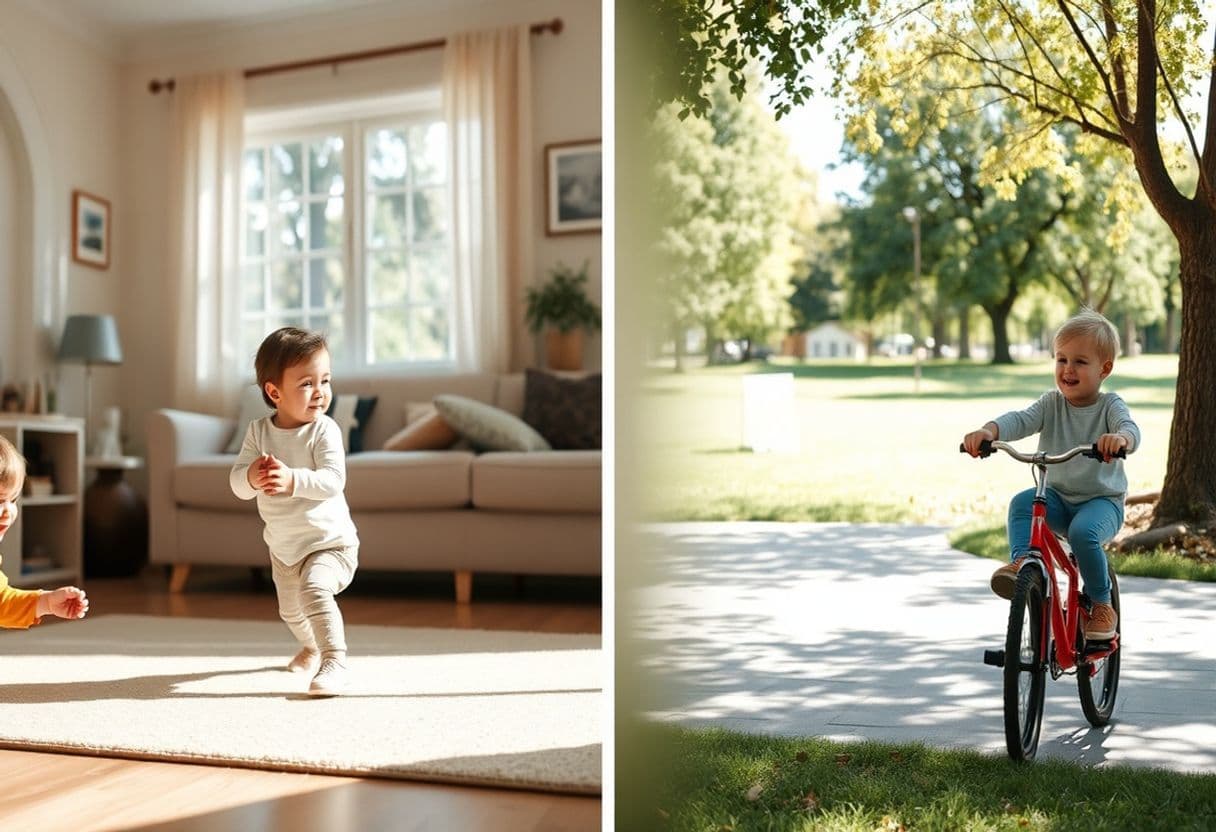
Key Takeaways
Learn effective strategies for preventing child safety accidents, focusing on unique risks for teenagers. Get practical tips for parents on balancing independence with crucial safety measures and open communication.
Preventing Child Safety Accidents: Navigating Teen Risks at Home
Most people assume child safety accidents primarily involve toddlers or young children, focusing on things like outlet covers, cabinet locks, and sharp furniture corners. We diligently baby-proof our homes, creating a safe bubble for our little ones. But in practice, the risks evolve dramatically as children become teenagers, requiring a completely different approach to prevention and supervision. As a mom navigating three generations under one roof, I've learned firsthand that safeguarding teens isn't about physical barriers; it's about fostering communication, teaching critical thinking, and adapting our strategies to a rapidly changing world.
How Do Teen Safety Risks Differ from Younger Children?
When we think 'child safety,' our minds often jump to falls from high chairs or accidental ingestion of cleaning products. With teenagers, the landscape of potential hazards shifts significantly. While younger children are vulnerable due to their lack of understanding and physical capabilities, adolescents face risks often linked to newfound independence, peer influence, and developing decision-making skills. The hazards move from tangible objects in the home to more complex social, digital, and environmental factors. It's a transition that can leave many parents feeling unprepared, especially when balancing old-school advice with current research.
Evolving Hazards for Adolescents
In my own home, I've seen how my in-laws' well-intentioned advice, often rooted in preventing accidents for younger children, doesn't always translate to the teenage years. Their focus might be on keeping dangerous objects out of reach, while my concerns pivot to things like driving safety, online interactions, or the responsible handling of potentially harmful substances that are far more accessible to teens.
Consider these key differences in risk profiles:
- Physical Accidents: For younger children, these often involve falls, choking, or burns from household items. For teens, risks shift to sports injuries, car accidents (which, according to the Centers for Disease Control and Prevention (CDC), remain a leading cause of death for U.S. teens), and recreational activities involving greater speed or height. Specifically, new drivers aged 16–19 are nearly three times more likely than drivers aged 20 and older to be in a fatal crash, per the CDC's 2021 data.
- Poisoning & Ingestion: While toddlers might accidentally ingest cleaning products or small batteries, teenagers face risks from prescription drug misuse, alcohol poisoning, or experimenting with illicit substances. A concerning trend I've observed is the accessibility of medications in multi-generational households; ensuring all prescription and over-the-counter drugs are locked away is crucial, not just for toddlers, but for curious or struggling teens.
- Online & Digital Dangers: This is a realm almost entirely absent for young children but paramount for teens. Cyberbullying, online predators, sexting, and exposure to harmful content are significant threats. According to a 2022 Pew Research Center survey, 46% of teens aged 13–17 report having experienced at least one of six forms of cyberbullying. This requires a completely different set of safety protocols than, say, covering electrical outlets.
- Mental Health Crises: While younger children experience emotional difficulties, the teen years are a peak time for the onset of serious mental health challenges, including anxiety, depression, and eating disorders, which can lead to self-harm or suicidal ideation. These are 'accidents' of a different kind, requiring proactive emotional support and professional intervention.
What Strategies Can Parents Employ for Teen Safety?
Navigating teen safety requires a blend of vigilance, open communication, and fostering independent decision-making. It's less about dictating and more about guiding, allowing them to learn from choices while ensuring a safety net. In my experience, the shift from 'do as I say' to 'let's talk about it' is profoundly impactful.
Open Communication: The Cornerstone of Teen Safety
My in-laws often advocate for clear, strict rules, which certainly have their place. However, with teenagers, simply imposing rules without discussion can often backfire, leading to secrecy or rebellion. I've found that open, honest dialogue is far more effective. This means:
Active Listening: Truly hearing their concerns, fears, and perspectives without immediately jumping to judgment or solutions. Sometimes, they just need to vent.
Shared Decision-Making: Involving them in discussions about rules and consequences. For example, when my oldest started driving, instead of just setting a curfew, we discussed the risks of driving late, the importance of sleep, and together agreed on a reasonable time, explaining the 'why' behind it.
Role-Playing Scenarios: Discussing 'what if' situations – 'What if a friend offers you something you know is dangerous?' or 'What if you feel unsafe at a party?' – helps them mentally prepare for real-life challenges.
Emphasizing Trust: Letting them know that even if they make a mistake, you are a safe person to come to. I often tell my children, 'My primary concern is your safety, not getting you in trouble.'
Proactive Home & Digital Environment Safety
Even as teens gain independence, the home environment remains a critical space for accident prevention. However, the focus shifts from physical hazards to more nuanced risks:
- Medication Security: Secure all prescription and over-the-counter medications in a locked cabinet or safe. Do not leave them easily accessible, even if you trust your teen. The risk often comes from friends or from a teen in distress. A 2022 study by the Substance Abuse and Mental Health Services Administration (SAMHSA) indicated that a significant percentage of teens who misuse prescription drugs obtain them from a friend or family member, often from their own home.
- Fire Safety: Ensure smoke detectors are functional and tested monthly. Discuss kitchen safety practices, especially if your teen is learning to cook independently. Remind them about checking appliances and never leaving cooking unattended. Have a family fire escape plan that is reviewed at least twice a year.
- Weapon Storage: If firearms are present in the home, they must be stored unloaded, locked, and separate from ammunition, which should also be locked. This is non-negotiable for child and teen safety.
- Digital Boundaries & Education: Implement parental controls on devices and home Wi-Fi that are transparent and agreed upon. Educate your teen about privacy settings, identifying phishing scams, and the permanence of online content. Regularly discuss online etiquette and the dangers of sharing personal information. For instance, many routers now offer built-in controls to block certain sites or set time limits, which can be a valuable tool when used openly with your teen.
Empowering Teens with Life Skills
Beyond external controls, equipping teens with internal tools for safety is paramount. This often means providing them with skills and knowledge that traditional 'safety proofing' doesn't cover.
First Aid & Emergency Preparedness: Teach them basic first aid, CPR, and how to use an automated external defibrillator (AED) if one is available. Ensure they know how to contact emergency services (911 in the U.S.) and what information to provide. My oldest recently completed a Red Cross first aid course, which gave both of us peace of mind.
Self-Defense: Consider enrolling them in self-defense classes. This isn't about promoting aggression, but about instilling confidence and providing practical skills to de-escalate or escape dangerous situations.
Risk Assessment: Help them develop the ability to evaluate risks. Instead of just saying 'no' to a situation, discuss the potential outcomes and how to mitigate negative ones. For example, 'If you go to that party, what are the potential risks, and what's your plan to stay safe?'
Advocacy & Peer Support: Encourage them to speak up if they see a friend in a dangerous situation and to seek help from trusted adults. Teach them about the 'buddy system' and looking out for one another.
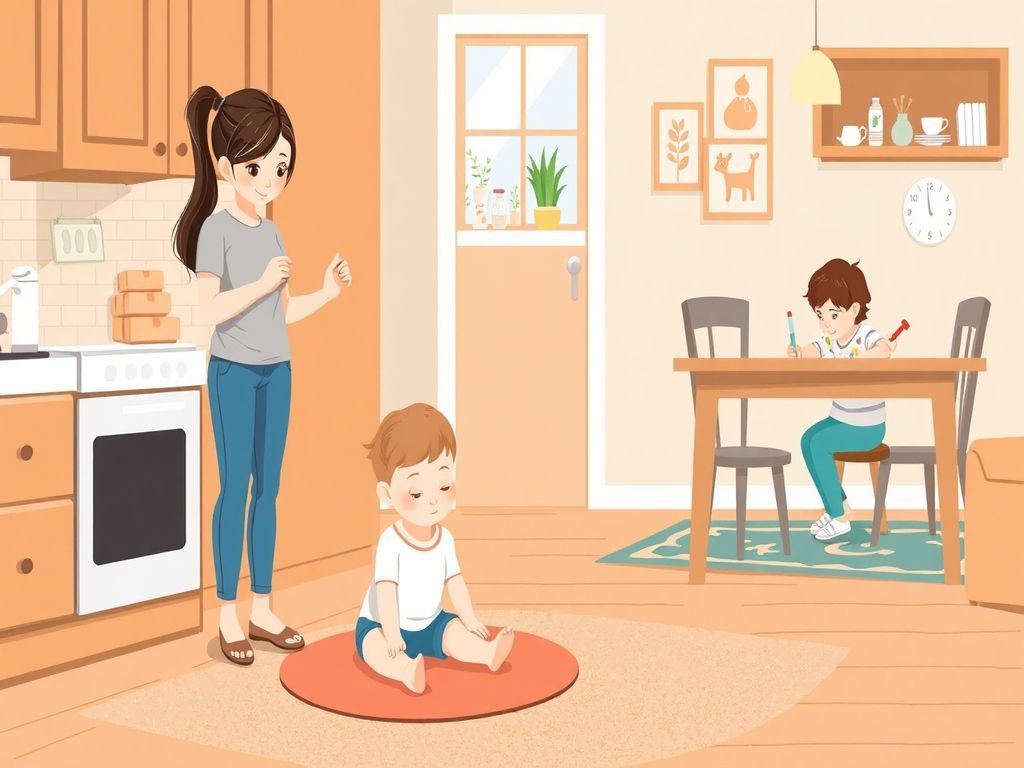
Balancing Independence and Oversight: Finding the Middle Ground
This is perhaps the trickiest part of parenting a teenager. My in-laws often lean towards more oversight, believing that tighter reins prevent trouble. While I appreciate the concern, my approach, informed by current parenting research, emphasizes a gradual release of control. It's not about letting go entirely, but about trusting them with increasing levels of responsibility, always with a safety net in place.
The Gradual Release Model
Think of it like learning to ride a bike. You start with training wheels (high supervision), then you hold the back of the seat (decreasing supervision but still present), and eventually, you let go, but you're still watching from the sidelines. For teens, this looks like:
- Increased Autonomy with Clear Expectations: Allowing them to manage their own schedules, within agreed-upon parameters. For instance, my teenager manages their own school assignments, but we have weekly check-ins to ensure they're on track.
- Consequences as Learning Opportunities: When mistakes happen (and they will), view them as chances to learn, rather than just reasons for punishment. 'You missed your curfew, so next time, let's discuss why that happened and how we can prevent it, perhaps with an earlier check-in time.'
- Trust, But Verify: While fostering trust is vital, it doesn't mean blind faith. This can involve occasional, respectful checks on their social media, or asking about their whereabouts without being intrusive. The key is that these checks are part of an open dialogue, not a covert operation.
Common Mistakes to Avoid
Assuming They 'Know Better': Teenagers' brains are still developing, particularly the prefrontal cortex responsible for impulse control and long-term planning. Don't assume they have the same judgment as an adult. They still need guidance and boundaries.
Over-Pollicing vs. Guiding: Too much control can lead to resentment and secrecy. Too little can leave them vulnerable. The balance is a dynamic process that requires constant adjustment.
Ignoring Mental Health Signals: Changes in sleep patterns (e.g., getting less than 8 hours of sleep consistently), appetite, social withdrawal, or sudden mood shifts are not always 'teen angst.' They can be indicators of serious mental health issues that need professional attention. According to the National Institute of Mental Health (NIMH), nearly 1 in 3 adolescents aged 13–18 will experience an anxiety disorder.
Addressing Multi-Generational Perspectives on Safety
Living in a multi-generational household presents a unique challenge and opportunity when it comes to child safety. My in-laws, with their wealth of experience, often have strong opinions rooted in their own upbringing. While their advice comes from a place of love, it sometimes clashes with modern approaches to teen safety, which prioritize mental health, digital literacy, and collaborative parenting.
Bridging the Generational Gap
When my in-laws suggest a more authoritarian approach, I've found success by:
- Respectful Education: Instead of dismissing their advice, I acknowledge their perspective and then explain the 'why' behind our current approach. 'I understand that in your day, it was simpler to just say no, but research now shows that open dialogue helps teens develop better critical thinking skills for their own long-term safety.'
- Finding Common Ground: We all want the children to be safe. Focusing on this shared goal can help bridge differences. For example, if they're concerned about screen time, we can agree on specific limits, even if our reasons differ slightly.
- Setting Boundaries as Parents: Ultimately, my spouse and I are the primary decision-makers for our children. While we value their input, we also politely assert our chosen parenting strategies. 'We appreciate your input, but this is the approach we've decided is best for our children in today's world.' It's a delicate dance, but by maintaining open communication with both our children and the older generation, we can create a more cohesive and safer environment for everyone.
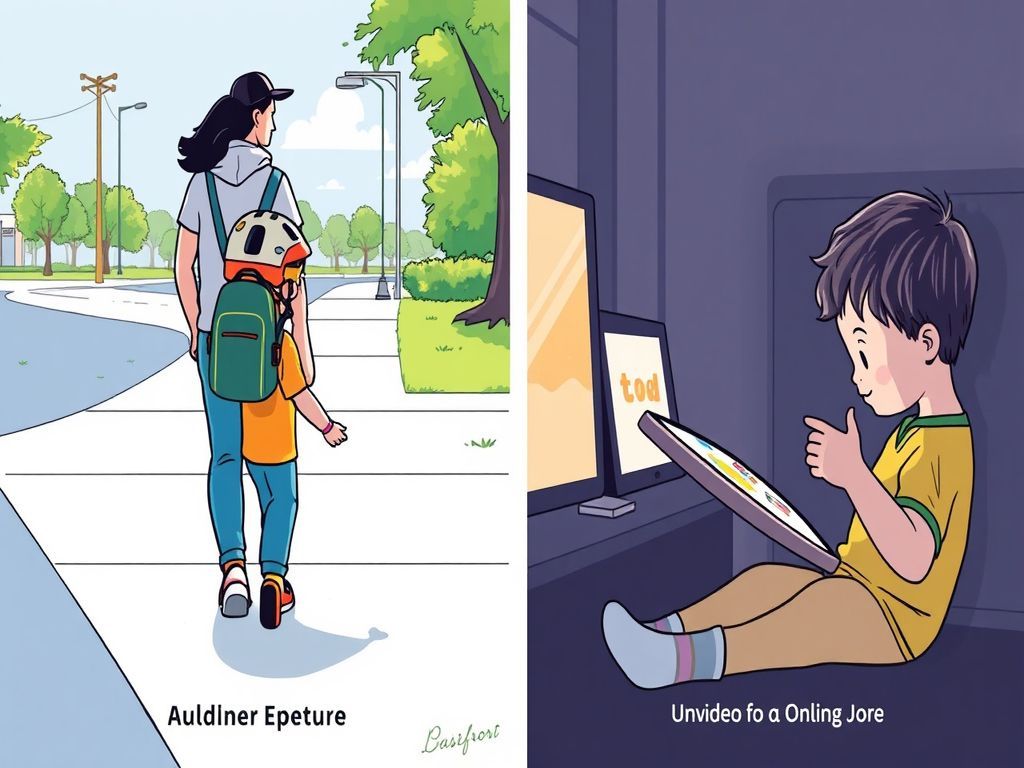
Key Takeaways for Proactive Teen Safety
Preventing child safety accidents in the teenage years is an ongoing journey, not a destination. It requires adaptability, patience, and a willingness to learn alongside our children. As a parent, I've learned that fostering an environment of trust and open dialogue is far more powerful than any locked cabinet or strict curfew alone.
Here are three key points to remember:
The nature of 'safety' shifts dramatically with age: Focus less on physical barriers and more on equipping teens with the knowledge, skills, and judgment to navigate complex social and digital risks.
Open communication is non-negotiable: Listen more than you speak, involve them in setting boundaries, and create a safe space for them to discuss mistakes and challenges without fear of immediate punishment.
Balance independence with oversight: Gradually release control, allowing them increasing autonomy while maintaining a supportive safety net and consistent, age-appropriate boundaries. One specific action you can take today: Initiate a family conversation about a specific safety topic relevant to your teen's life – perhaps safe driving practices, online privacy, or a plan for handling peer pressure. Make it a dialogue, not a lecture, and use it as an opportunity to reinforce your role as their trusted guide and advocate. Remember, this information is for general guidance only and should not replace professional medical, legal, or psychological advice. Always consult a qualified professional for personalized decisions regarding your family's specific needs and circumstances.
Previous
Coping with Newborn Jaundice: A First-Time Dad's Guide to Management
Next
Preventing Child Safety Accidents: Navigating Teen Risks at Home
More in Parenting
A Working Parent's Guide to Children's Eye Care: Protecting Your Firstborn's Vision
A practical guide for busy working parents on protecting their firstborn's vision. Learn how to spot early warning signs, set up healthy home lighting, and build simple routines.

Is It Puberty Rebellion or Teen Anxiety? A 2-Week Guide for Exhausted Parents
Unsure if your teenager is going through normal puberty or experiencing deep emotional anxiety? Discover the 2-week observation method and a daily 5-minute checklist.

Childhood Hives Causes and Management for School-Aged Kids
Childhood hives can be triggered by stress, temperature, or infection. Learn how to manage triggers and decide when your child is ready for school or daycare.

Side Dish Refusal in Toddlers: Strategies for Multi-Child Homes
Learn why children refuse side dishes after a second baby arrives and how to manage picky eating with age-specific strategies and consistent mealtime routines.