Crafting a Productive Winter Break for Teenagers: A Dad's Guide
Key Takeaways
Parents of teenagers, make winter break count! Discover practical strategies for engaging your teen, balancing rest with enriching activities, and fostering independence. Get tips from a dad's perspective.
Crafting a Productive Winter Break for Teenagers: A Dad's Guide
I remember the time last winter when I was reflecting on how quickly my infant son's first few months had flown by. It made me think about how even though he’s still so young, time will accelerate, and before I know it, he’ll be a teenager with long stretches of free time, like the upcoming winter break. I started observing friends with older children, particularly how their teenagers navigated those weeks away from school. What I noticed was a real mixed bag: some teens thrived, picking up new skills or volunteering, while others seemed to sink into a cycle of endless screen time and boredom, leaving both them and their parents feeling frustrated by the end of it.
- Disclaimer: Please note that the information provided in this article is intended for general informational purposes only and is not a substitute for professional advice. Parenting strategies and child development are complex and highly individual. It is always recommended to consult with qualified educational, psychological, or medical professionals for personalized guidance regarding your teenager's specific needs, development, or any health concerns. This content does not offer diagnosis, treatment, or specific recommendations for individual circumstances.
What's the Real Problem with Unstructured Winter Breaks for Teens?
The core issue many parents face during winter break isn't just that their teenagers are 'doing nothing'; it's the *quality
- of that 'nothing.' Without a plan or engaging activities, the break can quickly devolve into a sedentary pattern dominated by digital devices. A study by Common Sense Media in 2019, for instance, showed that teenagers (ages 13-18) averaged 7 hours and 22 minutes of screen time per day, not including time spent on schoolwork. During a long break, this number can easily escalate, creating a cycle of boredom, disengagement, and often, a sense of malaise by the time school resumes. From a parent’s perspective, seeing a teenager spend 8-10 hours a day glued to a screen or simply drifting between minor activities can be disheartening. We want them to recharge, yes, but also to grow, explore, and connect with the world around them. The problem isn't the break itself, but the missed opportunities for meaningful engagement and development. This isn't just about avoiding boredom; it's about fostering resilience, curiosity, and a sense of purpose that extends beyond the classroom walls.
When is this advice not a fit?
It's important to acknowledge that not every teenager will respond to structured planning. For some teens, particularly those struggling with mental health challenges, excessive pressure to be 'productive' can be counterproductive and even harmful. If your teenager is dealing with anxiety, depression, or significant stress, the primary goal for the break might genuinely be rest and recovery, with minimal, gentle suggestions for engagement. This advice also assumes a certain level of parental involvement and resources; families with significant financial constraints or single-parent households with limited time might find some suggestions challenging to implement. Always prioritize your teen’s well-being and adapt strategies to fit your unique family context and resources.
What Are the Root Causes of a Disappointing Winter Break?
Understanding why winter breaks often fall short of expectations is the first step towards improvement. It’s rarely about a teen's inherent laziness; more often, it stems from a confluence of factors:
Misaligned Expectations: Parents often envision a break filled with productive hobbies or family outings, while teenagers might simply crave complete freedom and relaxation after a demanding school term. This mismatch in expectations, if not openly discussed, can lead to frustration on both sides. I've heard friends mention expecting their teen to help around the house more during the break, only to find them constantly 'unwinding' instead.
Lack of Collaborative Planning: Often, parents present a pre-determined schedule or a list of 'should-dos' without genuine input from their teenagers. Teens, especially older ones, are more likely to commit to activities they’ve had a hand in choosing. Without this ownership, even well-intentioned plans can feel like impositions.
Over-reliance on Digital Entertainment: The sheer accessibility and immersive nature of video games, social media, and streaming services make them incredibly easy default activities. They offer instant gratification and social connection, often without requiring much effort or planning, making them a powerful draw against more demanding alternatives.
The 'Unwinding' Fallacy: There's a prevailing idea that breaks are purely for 'unwinding' or 'doing nothing.' While rest is vital, true rejuvenation often comes from a balance of rest and engaging activities that stimulate different parts of the brain or body. Prolonged idleness can paradoxically lead to increased boredom and lethargy, rather than a refreshed state.
Fear of Missing Out (FOMO): Teenagers are highly attuned to what their peers are doing. If their friends are spending the break gaming or watching movies, a teen might feel pressure to do the same, fearing they’ll be left out of conversations or online activities if they pursue other interests. These underlying issues create a fertile ground for a winter break that leaves everyone feeling less than satisfied. Addressing them requires a proactive, empathetic, and collaborative approach.

Step-by-Step Solutions for a Meaningful Winter Break
Shifting from a disappointing winter break to an enriching one doesn't require a complete overhaul of your family's routine. It starts with small, intentional steps. Here's a guide to help you and your teenager craft a more fulfilling experience:
1. The Collaborative Blueprint: Planning Together
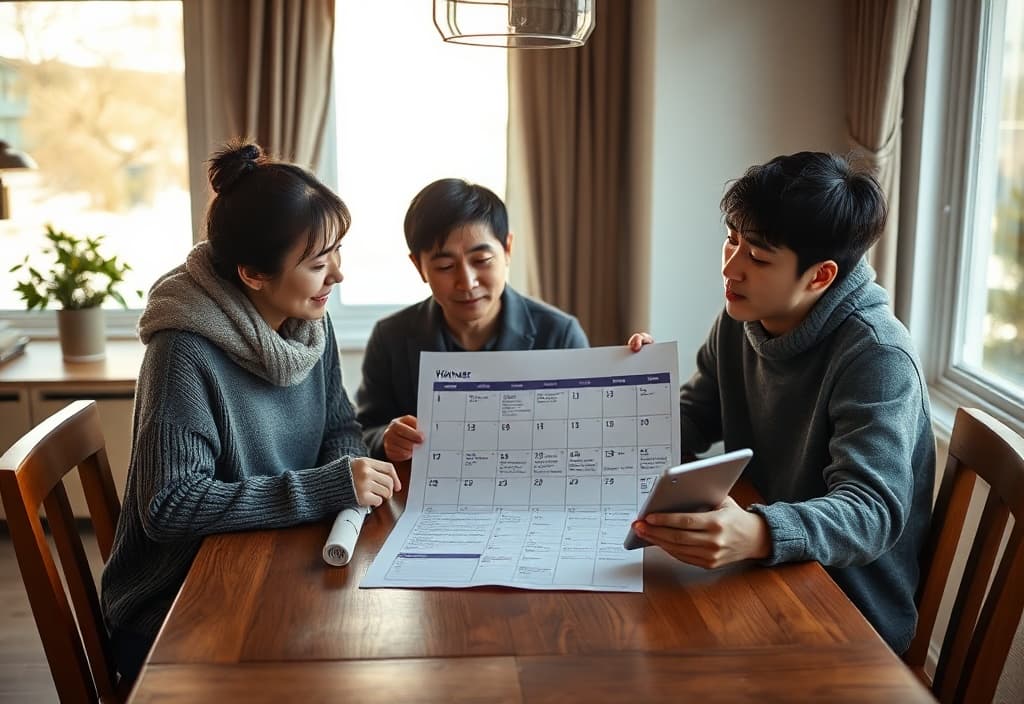
The most effective breaks are co-created. Sit down with your teenager at least 1-2 weeks before the break begins for a dedicated planning session. Think of it as a brainstorming meeting, not a lecture.
- Start with 'Wishes': Ask your teen, 'If you could do anything during this break, what would it be?' Listen without judgment. Their wishes might range from 'sleep until noon' to 'learn to bake a soufflé.'
- Share Your Hopes: Express your own hopes for the break, focusing on quality time, personal growth, or contribution. For example, 'I'd love for us to spend at least 2 afternoons together as a family' or 'I hope you find an hour each day for something creative.'
- Brainstorm Categories: Divide the break into segments: 'Rest & Recharge,' 'Skill & Growth,' 'Connection (Family/Friends),' and 'Contribution.' This framework helps ensure balance.
- Create a Flexible Schedule: Don't overschedule. Aim for 1-2 structured activities per day, leaving ample time for spontaneous fun or relaxation. A daily rhythm might involve a morning activity, a block of free time, and an afternoon family activity or personal project. For instance, designate 10:00 AM–12:00 PM for a specific project 3 days a week, with afternoons for personal time or friends.
- Decision Criteria: When planning, consider cost (are there free or low-cost options?) and skill level (is this activity achievable for my teen?). For example, a free online coding tutorial might be a better fit than an expensive in-person workshop if budget is a concern, or a simple recipe for baking if they’re new to the kitchen.
2. Balancing Screen Time and Real-World Engagement
It's unrealistic to expect zero screen time. The goal is balance and intentionality.
- Set Clear Boundaries: Agree on daily screen time limits for non-educational use (e.g., 2-3 hours for gaming/social media). Use parental control apps if necessary, but ideally, this should be a mutually agreed-upon limit.
- Designate Screen-Free Zones/Times: Institute a 'no screens at the dinner table' rule, or 'screen-free mornings until noon' on certain days. This encourages other activities naturally.
- Offer Engaging Alternatives: Actively suggest and facilitate real-world activities. Provide options for creative outlets, physical activity, or social interaction that don't involve a screen.
- Example 1: Instead of just playing video games, encourage them to design their own simple game using a free online platform like Scratch or even just pen and paper. This taps into their interest but shifts it to a creative, problem-solving mode.
- Example 2: Suggest a photo challenge in your local neighborhood or park. Give them a theme (e.g., 'winter textures,' 'hidden beauty') and a specific number of photos (e.g., 10-15) to capture. This gets them outdoors and fosters observational skills.
3. Exploring New Horizons and Skill Development
Winter break is an ideal time to dabble in new interests without the pressure of school.
- Skill-Building Workshops: Look for local community center programs, online courses, or even YouTube tutorials on topics like:
- Basic coding (e.g., Python for beginners)
- Digital art or photography editing
- Cooking specific cuisines (e.g., baking bread, making sushi)
- Musical instrument basics (e.g., ukulele, keyboard)
- Community Involvement: Volunteering can be incredibly rewarding. Contact local food banks, animal shelters, or senior centers. Even 2-3 hours a week can make a significant difference and provide valuable perspective.
- Example 3: A teenager could volunteer at a local library for 4 hours a week, helping organize books or assist with children's story time. This builds responsibility and community spirit.
- Personal Projects: Encourage them to pick a project they’ve always wanted to do. This could be anything from building a model, writing a short story, learning a new language with an app for 30 minutes daily, or even reorganizing their room in a creative way.
- Decision Criteria: Consider sustainability (is this a skill they can continue after the break?) and family context (can we do this together, or is it an independent pursuit?). Learning basic car maintenance with a parent, for instance, offers both skill development and family bonding.
4. Fostering Family Connection and Traditions
Breaks are a perfect time to reinforce family bonds.
- Dedicated Family Nights: Schedule 2-3 specific evenings for family activities: board games, movie nights, or a themed dinner where everyone helps cook.
- Outdoor Adventures (Weather Permitting): Go for winter hikes, ice skating, or even just a brisk walk around the neighborhood. The fresh air and change of scenery can be invigorating.
- Cook or Bake Together: Choose a new recipe or a family favorite. This teaches practical skills and creates shared memories.
- Example 4: Work together to bake 3 different types of holiday cookies to share with neighbors or friends. This involves planning, teamwork, and a tangible outcome.
Common Mistakes to Avoid:
Over-scheduling: A break needs downtime. Don't fill every hour with an activity, or your teen will burn out and resist.
Imposing Too Many 'Chores': While contributing to the household is important, don't turn the entire break into an extended chore list. Integrate chores into the overall schedule, but leave plenty of time for chosen activities.
Ignoring Teen Input: If your teenager feels unheard, they will disengage. Genuine collaboration is crucial for buy-in.
Preventing Future Winter Break Blues
The strategies for a successful winter break aren't just one-off solutions; they're habits that can be cultivated year-round to make future breaks even better. Thinking ahead prevents the scramble and stress as the break approaches.
Establish Year-Round Communication: Make open communication about interests, challenges, and aspirations a regular part of family life. This means listening genuinely when your teen expresses a new hobby they want to try or a skill they'd like to develop. If they mention wanting to learn guitar in April, don't wait until November to suggest it for winter break; explore options then and there.
Encourage Continuous Exploration: Don't save all 'new experiences' for school breaks. Encourage your teenager to dabble in new things throughout the year, even for just 30 minutes a week. This consistent exposure helps them discover passions that can then be expanded upon during longer breaks.
Empower Ownership: Gradually shift more responsibility for managing their free time to your teenager. Ask them to research and propose activities, budgets, or logistical plans for a family outing or a personal project. This fosters independence and problem-solving skills.
Reflect and Adjust: After each break, have a brief family debrief. Ask, 'What went well this break? What could have been better? What would you like to try next time?' Use this feedback to refine your approach for future holidays. Aim for a 15-20 minute discussion within the first week back at school.
Focus on Life Skills: Use breaks as an opportunity to teach practical life skills that aren't typically covered in school. This could include budgeting for a small project, basic home repairs, meal planning, or navigating public transport independently. These skills are invaluable for their future and provide a sense of accomplishment.
- Decision Criteria: Consider the time commitment required for teaching and learning new skills versus the sustainability of those skills. A complex skill might require more time during a break, but a foundational skill, like basic cooking, can be built upon over many breaks. By weaving these practices into your family's routine, you're not just planning for one successful winter break, but building a foundation for a lifetime of purposeful engagement and self-directed growth for your teenager.

Conclusion
Navigating winter break with teenagers can be a challenge, but it also presents a valuable opportunity for growth, connection, and meaningful experiences. We've explored how common issues like misaligned expectations and over-reliance on screens can lead to unproductive breaks, and how a proactive, collaborative approach can transform these weeks into something truly enriching. The key takeaways are to involve your teenager in the planning process, balance screen time with engaging real-world activities, and continuously foster their interests and independence.
Don't let another winter break slip by unfulfilled. Take the first step today: sit down with your teenager and simply ask them, 'What's one thing you'd really love to do or learn this winter break?' This simple question opens the door to a more purposeful and connected experience for everyone.
Previous
Crafting a Calm Child Bedtime Routine: Age-Specific Guides
Next
Crafting a Productive Winter Break for Teenagers: A Dad's Guide
More in Parenting

A Working Parent's Guide to Children's Eye Care: Protecting Your Firstborn's Vision
A practical guide for busy working parents on protecting their firstborn's vision. Learn how to spot early warning signs, set up healthy home lighting, and build simple routines.

Is It Puberty Rebellion or Teen Anxiety? A 2-Week Guide for Exhausted Parents
Unsure if your teenager is going through normal puberty or experiencing deep emotional anxiety? Discover the 2-week observation method and a daily 5-minute checklist.

Childhood Hives Causes and Management for School-Aged Kids
Childhood hives can be triggered by stress, temperature, or infection. Learn how to manage triggers and decide when your child is ready for school or daycare.

Side Dish Refusal in Toddlers: Strategies for Multi-Child Homes
Learn why children refuse side dishes after a second baby arrives and how to manage picky eating with age-specific strategies and consistent mealtime routines.