Child stranger anxiety: How to support a shy toddler effectively
Key Takeaways
Child stranger anxiety is a normal developmental phase. Learn how to identify causes, evaluate management criteria, and support your child effectively today.
Child stranger anxiety: How to support a shy toddler effectively
Disclaimer: This article provides general information only and does not constitute medical, psychological, or developmental diagnosis or treatment. Always consult with a qualified pediatrician or child psychologist regarding your child's specific developmental needs.
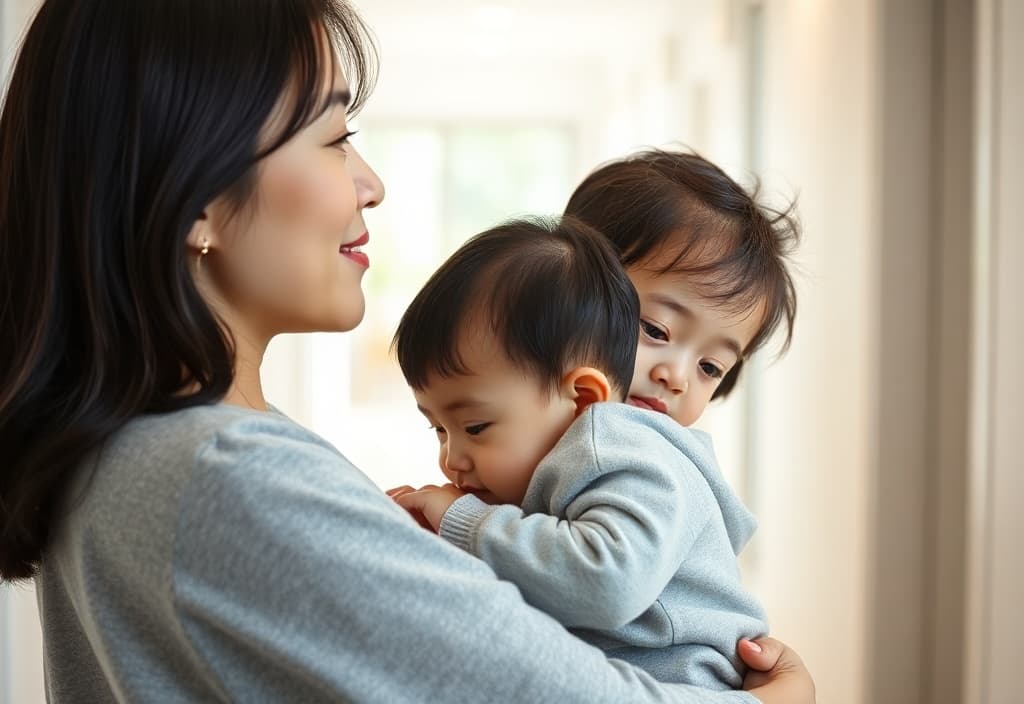
You've probably heard that if a child screams when a stranger approaches, it means they aren't being socialized enough or that they are 'too attached' to their parents. It's not quite right. In reality, stranger anxiety is a significant cognitive milestone that indicates a child's brain is working exactly as it should. It demonstrates that the child has developed the ability to distinguish between familiar, safe figures and unfamiliar individuals. Rather than a lack of social skill, this behavior is an expression of a healthy attachment and a survival mechanism that has existed for thousands of years.
In my experience raising three children—each with a completely different temperament—I have seen how this phase manifests in vastly different ways. My oldest child would simply hide behind my leg for 10 minutes before joining a group. My second child didn't seem to notice strangers at all until about 18 months, at which point the world became a terrifying place for nearly 4 months. My youngest, currently 18 months old, is highly selective, accepting some people instantly while rejecting others based on criteria only a toddler could understand. Understanding that there is no 'one-size-fits-all' solution is the first step toward helping your child navigate these big emotions.
What criteria matter when evaluating stranger anxiety?
Before choosing a method to handle a child's fear of new people, you must evaluate the specific context of the behavior. Jumping into a solution without understanding the 'why' and 'how' can often backfire, leading to increased distress for both the parent and the child. There are four primary criteria I use to determine the best course of action.
1. Developmental Age and Stage
Stranger anxiety typically follows a predictable timeline. According to observations from the American Academy of Pediatrics (AAP, 2022), the first wave often appears between 6 and 12 months of age. This is when infants begin to understand object permanence—they know you exist even when you aren't there, and they realize that a stranger is 'not you.' A second wave often hits between 18 and 24 months, coinciding with the peak of separation anxiety. The age of the child dictates the strategy; a 9-month-old needs physical comfort, while a 24-month-old might need verbal reassurance and a 'warm-up' protocol.
2. Biological Temperament
Every child is born with a specific temperament. Some children are naturally 'slow-to-warm,' meaning their nervous systems are more sensitive to new stimuli. For these children, stranger anxiety isn't just a phase; it's a reflection of how they process the world. If your child is highly sensitive to noise or lights, they are likely to be more reactive to new people. In my household, I have seen that my child who was sensitive to itchy clothing tags was also the one who struggled most with new faces. Recognizing this as a biological trait rather than a behavioral problem is essential.
3. Intensity and Duration
How long does the distress last? If a child cries for 2–3 minutes and then settles down to play near a stranger, this is a standard reaction. However, if the child remains in a state of high arousal (hyperventilating, refusing to eat, or inconsolable sobbing) for more than 30 minutes after the stranger has arrived, the strategy needs to shift from 'exposure' to 'protection.' Monitoring the duration of the 'thaw' period is a key metric for parents.
4. Environmental Stability
Children are more likely to experience intense stranger anxiety during times of transition. If you have recently moved house, started a new childcare routine, or if the child is recovering from a common illness (like a cold or ear infection), their 'emotional cup' is already low. In these cases, their fear of strangers is often a secondary symptom of general exhaustion or stress. You cannot expect a child to be social when they are physically or emotionally depleted.
Evaluating the three common approaches to stranger anxiety
Once you have assessed your child against the criteria above, you can look at the different methods for management. Not all methods are created equal, and some can actually cause long-term harm to a child's sense of security.
The 'Slow-and-Steady' Warm-Up
This method involves allowing the child to observe a stranger from the safety of the parent's arms without any pressure to interact. For example, when visiting a relative, I tell the adult, 'Please don't look at or touch the baby for the first 15 minutes. Let them come to you.'
- Pros: Respects the child's boundaries; builds genuine confidence; reduces the likelihood of a 'meltdown.'
- Cons: Requires cooperation from other adults; takes significant time (often 20–30 minutes per interaction).
- Best for: Children with a 'slow-to-warm' temperament and toddlers in the 18–24 month peak.
The 'Bridge' Strategy
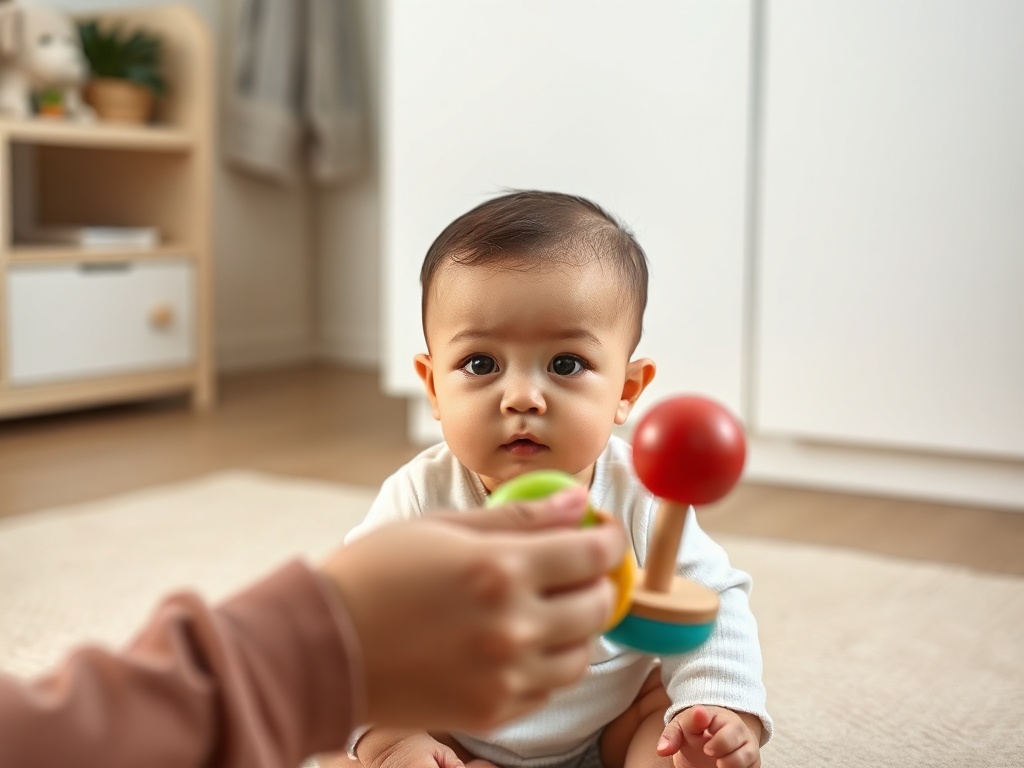
This method uses an object or a shared activity to bridge the gap between the child and the stranger. Specifically, the stranger might start playing with a toy the child likes about 3 feet away, without demanding the child's participation. Eventually, the stranger offers the toy to the child.
- Pros: Distracts from the 'threat' of the new person; creates a positive association with the stranger.
- Cons: Only works if the child is interested in the toy; can be seen as 'bribing' by some.
- Best for: Children aged 12–18 months who are motivated by play.
The 'Forced Exposure' Method (To be avoided)
This involves handing the crying child to a stranger to 'get them used to it.' You have likely seen this at family gatherings where a well-meaning grandparent says, 'They'll stop crying once you leave.'
- Pros: None in the long term.
- Cons: Increases cortisol levels; can damage the child's trust in the parent as a protector; often leads to longer and more intense future anxiety.
- Verdict: This method fails the safety and emotional stability criteria. It should be avoided entirely.
Situational Recommendations: What to do today
Depending on your specific situation, here is how you should proceed. These recommendations are based on the balance of the child's temperament and the necessity of the social interaction.
If you are visiting family or friends
Prioritize the 'Slow-and-Steady' approach. In practice, this means keeping your child in a carrier or on your lap for the first 15–20 minutes. Do not let people 'sneak up' on the child while they are sleeping or distracted. I have found that if I am the one talking and laughing with the stranger, my child eventually perceives that person as part of our 'tribe.' Social modeling is your strongest tool here. If you look relaxed, the child will eventually follow suit.
If you are starting daycare or a nanny transition
Use a 'Bridge' strategy combined with a consistent ritual. For instance, always hand the child to the caregiver while saying a specific phrase like, 'Mommy always comes back.' Ensure the transition happens over at least 3–5 days, gradually increasing the time the child spends with the new person. Statistics from various early childhood education surveys suggest that children who have a consistent 'goodbye ritual' settle 25% faster than those whose parents 'sneak out' to avoid a scene.
If the stranger is a medical professional
This is the most difficult scenario because physical contact is often required. In these cases, you cannot always wait 20 minutes for a warm-up. The best approach is to remain physically close—hold the child's hand or have them on your lap during the exam if possible. Use a 'comfort item' like a stuffed animal or a pacifier to provide a sense of control in an uncontrollable environment.
Critical Caveats: When this advice may not apply
It is important to recognize that 'normal' stranger anxiety has limits. There are specific situations where the standard advice of 'waiting it out' or 'gentle exposure' may fail or be insufficient.
- Sensory Processing Issues: If a child is terrified of strangers because they are overwhelmed by the person's perfume, loud voice, or rapid movements, the issue is sensory, not social. In this case, 'getting them used to people' won't help until the sensory triggers are managed.
- Trauma or Previous Negative Experience: If a child has had a frightening experience with a person (even something as simple as a loud, unexpected bark from a dog while a stranger was present), their fear may be a conditioned response. This requires a much slower, more specialized approach.
- Extreme Duration: If a child is over the age of 3 and still experiences debilitating fear that prevents them from participating in any social activities, it may be time to verify with a professional whether this is standard stranger anxiety or something else, such as Selective Mutism or a Social Anxiety Disorder.
Red Flags and Common Mistakes to Avoid
In my years of parenting and observing other families, I have identified three major red flags that often indicate the situation is being handled in a way that will prolong the anxiety.
Labeling the child: Never say 'She's the shy one' or 'He's being difficult today' in front of the child. Children internalize these labels, and they can become self-fulfilling prophecies. By age 3 or 4, they may believe that being 'shy' is a fixed part of their identity rather than a temporary feeling.
Shaming or Punishing: Never punish a child for being afraid. Fear is an involuntary physiological response. You cannot 'discipline' a child out of a cortisol spike. Shaming them ('Don't be a baby!') only adds a layer of shame to the existing fear, making the next social interaction even more fraught.
The 'Sneak Away' Technique: It is tempting to slip out of the room when your child is finally distracted by a toy and a stranger. However, when the child looks up and finds you gone, it creates a sense of panic. This actually increases their clinginess in the future because they no longer trust that you will tell them when you are leaving.
What readers may miss: The 'Parental Mirror' effect
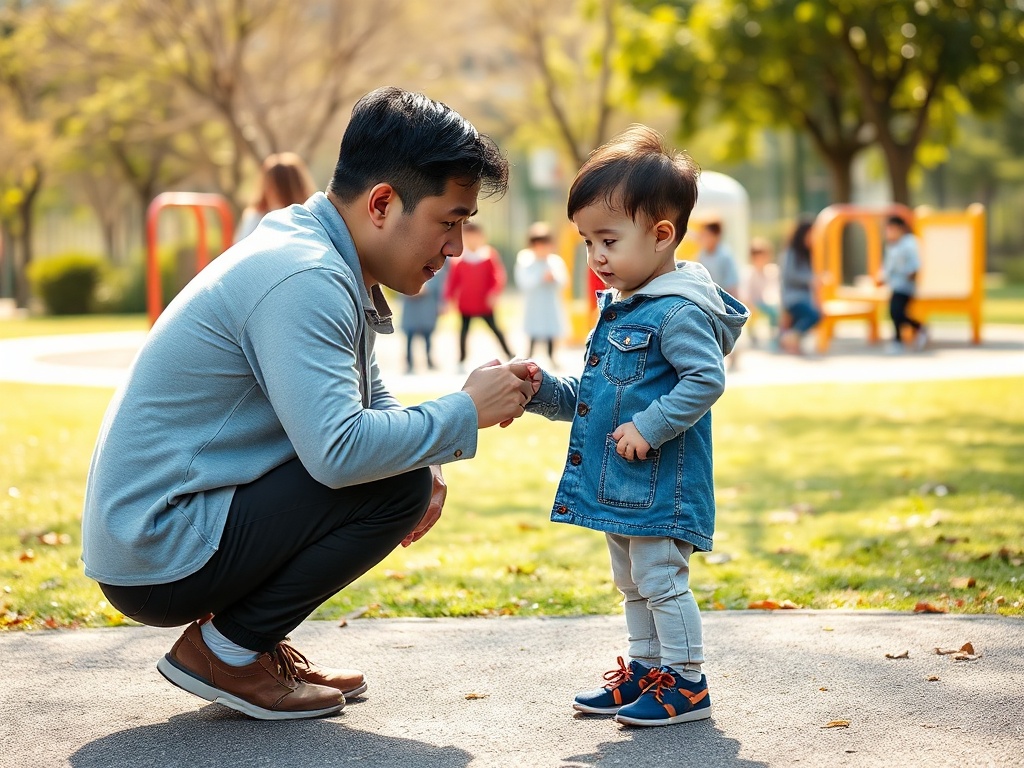
One thing many parents overlook is their own body language. As a mom of three, I realized that if I was anxious about how my child would behave at a party, I would subconsciously tense my muscles and hold my child tighter. The child feels that tension and assumes there is a legitimate threat. To verify if this is happening, try to consciously drop your shoulders and take deep breaths when introducing your child to someone new. If you are relaxed, you are sending a biological signal to your child that the environment is safe.
Conclusion: Your Next Steps
Managing stranger anxiety is a marathon, not a sprint. It requires a deep understanding of your child's unique temperament and a commitment to protecting their emotional security while they learn to navigate the world.
To summarize the key points:
- Stranger anxiety is a healthy cognitive milestone indicating strong attachment, not a social failure.
- Evaluate your child based on temperament, age, and environmental stress before choosing a strategy.
- Always favor gradual warm-ups and social modeling over forced interactions or shaming. Your specific action to take today: The next time you are in a social situation and your child clings to you, do not push them away or apologize. Instead, simply say to the other person, 'We're just taking a few minutes to observe today,' and continue your own conversation normally. This small shift in language removes the pressure from the child and allows them to 'thaw' at their own natural pace.
- Proceed: Continue with gentle, supervised social exposure in familiar environments.
- Pause: If your child is sick, teething, or has had a major life change, stop pushing social interactions for 1–2 weeks.
- Verify: If the anxiety is accompanied by a total refusal to speak in public after age 3, or if the child cannot be calmed by primary caregivers, consult your pediatrician to rule out underlying anxiety disorders.
Previous
Study habits for lower elementary students: A step-by-step guide
Next
Child stranger anxiety: How to support a shy toddler effectively
More in Parenting
A Working Parent's Guide to Children's Eye Care: Protecting Your Firstborn's Vision
A practical guide for busy working parents on protecting their firstborn's vision. Learn how to spot early warning signs, set up healthy home lighting, and build simple routines.
Is It Puberty Rebellion or Teen Anxiety? A 2-Week Guide for Exhausted Parents
Unsure if your teenager is going through normal puberty or experiencing deep emotional anxiety? Discover the 2-week observation method and a daily 5-minute checklist.

Childhood Hives Causes and Management for School-Aged Kids
Childhood hives can be triggered by stress, temperature, or infection. Learn how to manage triggers and decide when your child is ready for school or daycare.
Side Dish Refusal in Toddlers: Strategies for Multi-Child Homes
Learn why children refuse side dishes after a second baby arrives and how to manage picky eating with age-specific strategies and consistent mealtime routines.