Korean Gukbap Recipes for Healthy Dieting at Home

Key Takeaways
Korean gukbap offers a balanced meal for busy parents. Explore different types of soup with rice and learn how to adapt recipes for weight loss at home.
Korean Gukbap Recipes for Healthy Dieting at Home
I remember the winter of 2019 when my toddler was barely two years old and the flu season hit our household with a vengeance. Between managing a high fever and trying to keep myself upright, I had no energy for complex culinary projects, yet I craved something more substantial than a basic sandwich. I reached into the back of my pantry for a bag of dried anchovies and some radish, realizing that a simple pot of soup with a scoop of rice was the only thing that would provide the comfort and nutrition we needed. That afternoon, I discovered that gukbap—literally 'soup rice'—was not just a restaurant staple but a lifeline for a tired parent. It was warm, easy to digest, and required only one pot to clean, which is a victory in any household with young children.
What Makes a Quality Gukbap in a Home Kitchen?
Before choosing which variety of gukbap to cook, it is essential to understand the criteria that separate a mediocre bowl from a restorative meal. In my experience, the foundation of any good gukbap is the balance between the broth intensity and the texture of the additions. As an intermediate home cook, I have learned that you do not need 24 hours of simmering to achieve a high-quality result, but you do need to follow three specific standards.
First, the broth must have a clean finish. Whether you are using a beef, pork, or vegetable base, the liquid should not feel greasy on the palate. This is especially important when you are cooking for children or trying to maintain a diet. I have found that skimming the foam and fat every 5–7 minutes during the initial boil significantly improves the clarity and taste of the final product. A clean broth allows the natural flavors of the ingredients to shine through without requiring excessive salt.
Second, the ratio of solids to liquids determines how satisfying the meal feels. For a diet-friendly version, I aim for a 60% vegetable and protein to 40% broth ratio. This ensures that you are chewing your food thoroughly, which helps with satiety. When I am preparing this for my family, I make sure the vegetables are cut into bite-sized pieces—roughly 2cm squares—so they are easy for a child to manage while still providing enough texture for the adults.
Finally, temperature management is a critical but often overlooked factor. Gukbap is traditionally served very hot, but for home cooking, it should be maintained at a steady simmer rather than a rolling boil. Boiling too hard can cause the meat to toughen and the broth to become cloudy. Maintaining a temperature just below the boiling point for the final 15–20 minutes of cooking allows the flavors to meld without degrading the nutritional value of the vegetables.
Analyzing Popular Gukbap Varieties for Daily Cooking
Once you understand the basic criteria, you can evaluate which type of gukbap fits your schedule and dietary goals. Each variety offers different nutritional benefits and requires different levels of preparation.
Beef and Radish Soup (Sogogi Muguk)
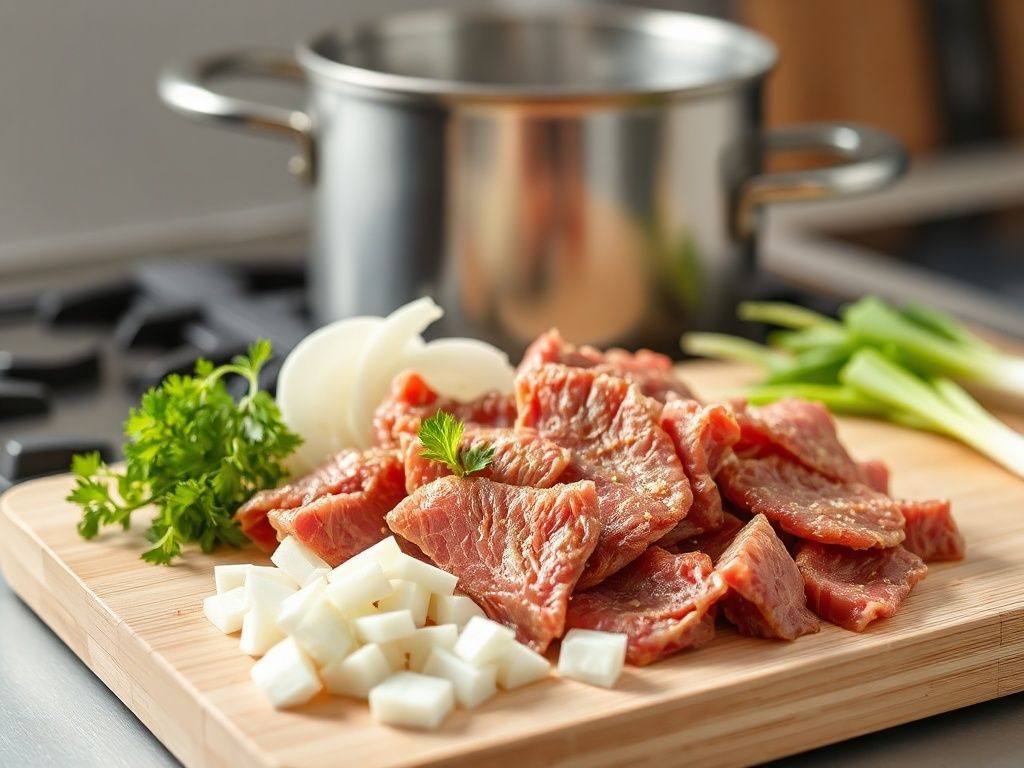
This is perhaps the most accessible version for a home cook. It relies on the natural sweetness of Korean radish and the savory depth of beef brisket. In my kitchen, I use 200g of beef and 300g of radish to serve a family of four. This option is excellent for dieting because radish is extremely low in calories—roughly 15 calories per 100g—while being high in fiber and vitamin C. The cooking process is straightforward: sear the beef, add the radish, and simmer. It is a reliable choice when you have less than 40 minutes to get dinner on the table.
Bean Sprout Soup (Kongnamul Gukbap)
If weight loss is your primary goal, bean sprout gukbap is the superior choice. It is incredibly light and hydrating. A standard 300g bag of bean sprouts provides a massive volume of food for very few calories. I find that adding a poached egg at the very end increases the protein content by 6 grams without adding significant fat. The crunch of the sprouts provides a sensory satisfaction that makes you feel like you are eating a much heavier meal than you actually are. It is also the most budget-friendly option, usually costing less than 5 dollars for a full pot of soup.
Pork and Chive Soup (Dwaeji Gukbap)
While traditionally made with pork bones simmered for days, a home version can be simplified using thinly sliced pork shoulder or loin. This version is higher in protein and vitamin B1, making it a great 'energy' meal. To keep it diet-friendly, I use lean cuts and avoid the pork belly often found in restaurants. Adding a large handful of fresh chives—roughly 50g—just before serving provides a sharp, fresh contrast to the rich pork. In my experience, this is the version that children tend to enjoy the most because of the tender meat.
Situational Recommendations for Busy Parents
Choosing the right gukbap depends entirely on your specific needs for the day. I have categorized these based on common scenarios I face in my own life.
- For the busiest weekdays: I recommend the Bean Sprout Gukbap. You can use a store-bought anchovy broth packet to save time. It takes approximately 15 minutes from start to finish. If you are exhausted after a long day of parenting, this is the path of least resistance.
- For weekend meal prep: The Beef and Radish Gukbap is the winner. I often make a double batch on Sunday. The flavor actually improves after 24 hours in the refrigerator as the radish absorbs more of the beef essence. It provides a quick lunch for 2–3 days during the work week.
- For post-workout recovery: The Pork and Chive Gukbap is ideal. The combination of high-quality protein and the iron in the chives helps with muscle recovery. If you are focusing on a [low-calorie soup base], you can trim all visible fat from the pork before cooking to save about 100 calories per serving.
- For picky eaters: I suggest a 'Clear Beef Gukbap' where the vegetables are finely minced. I have observed that my child is much more likely to eat the soup if the radish is cut into tiny 1cm cubes that resemble the shape of the rice grains. To make any of these recipes work for a weight-loss plan, the most effective strategy I have found is to 'reverse' the serving method. Instead of adding a full bowl of rice to the soup, I fill the bowl with the soup and vegetables first, then add only 3–4 tablespoons of rice. This allows you to enjoy the flavor and warmth of the dish while reducing the carbohydrate count by nearly 70% compared to a standard restaurant serving.
Red Flags and Common Mistakes to Avoid
Even with simple recipes, there are several pitfalls that can ruin the nutritional profile or the taste of your gukbap. Through my own trial and error, I have identified three major warnings.
First, avoid the temptation to over-salt the broth early in the cooking process. As the liquid simmers and evaporates, the concentration of salt increases. I once made the mistake of seasoning a large pot of beef soup at the start, only to find it nearly inedible after 30 minutes of reduction. Always wait until the last 2 minutes of cooking to do your final tasting. If you need more flavor, use a teaspoon of fish sauce or soup soy sauce instead of table salt; these provide umami depth with less overall sodium.
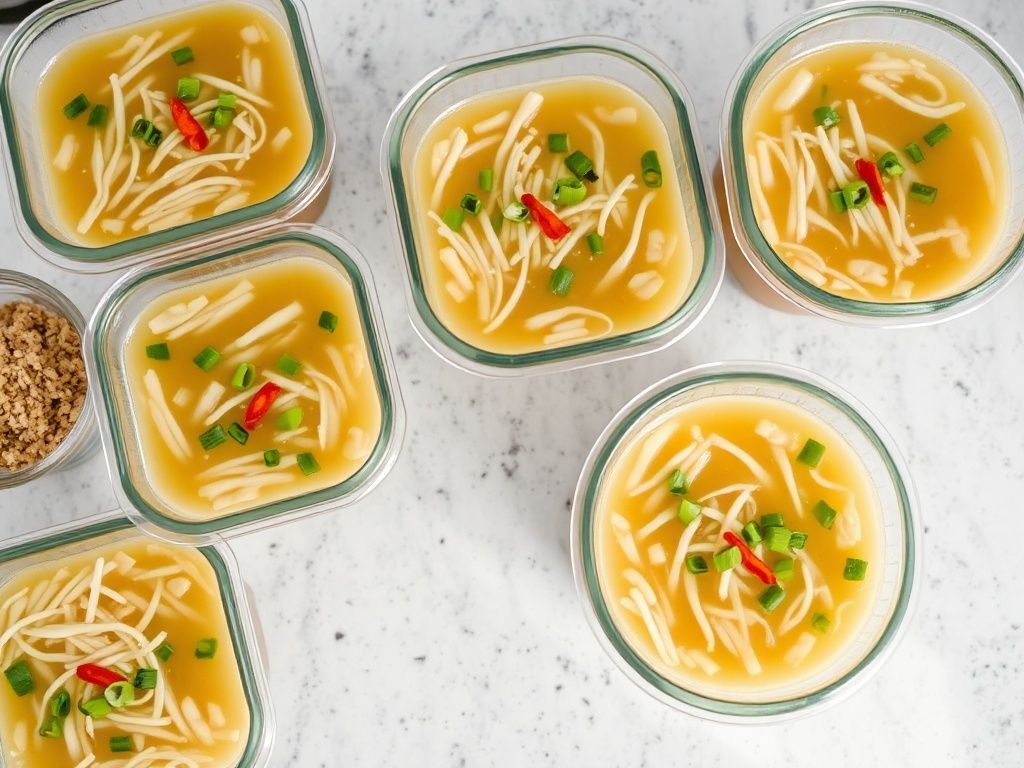
Second, do not boil the rice inside the soup for an extended period. While some people enjoy a 'porridge' consistency, boiling rice in the broth for more than 5 minutes causes it to release too much starch. This turns a clear, healthy broth into a thick, heavy liquid that is much higher in glycemic impact. For the best [meal prep strategies], keep the cooked rice and the soup in separate containers and only combine them when you are ready to eat.
Third, be wary of 'instant' broth bases that contain high levels of hidden sugars and preservatives. Many powdered stocks contain upwards of 800mg of sodium per serving, which is nearly 40% of the daily recommended limit for an adult. If you must use a shortcut, look for 'low-sodium' versions or dried kelp and anchovy packs that contain no added flavorings. Taking 10 minutes to boil a natural broth base is a small investment that significantly improves the health benefits of your meal.
Essential Tips for Healthy Home Cooking
When you are cooking gukbap at home, you have total control over the ingredients, which is the ultimate advantage for a diet. Here are a few practical tips to keep your meals high-quality and low-calorie:
Use a 10cm piece of dried kelp in every broth base for natural umami.
Skim the surface of the soup at least 3 times during the cooking process to remove impurities.
Replace 50% of your white rice with cauliflower rice or extra vegetables to reduce calories.
Always include a source of fiber, such as 100g of radish or bean sprouts, to slow down digestion.
Limit your use of sesame oil to 5ml or less per recipe to keep fat content under control.
Use a kitchen scale to measure your protein portions—80g to 100g per person is usually sufficient.
Prepare a 'topping station' with fresh green onions and toasted seaweed to add flavor without calories.
Store leftovers in glass containers to prevent the broth from picking up odors from the fridge. In my experience, the key to staying consistent with a healthy diet while raising a family is having a repertoire of meals that feel like a treat rather than a restriction. Gukbap fits this description perfectly. It is a warm hug in a bowl that nourishes your body without requiring you to spend your entire evening in the kitchen. By focusing on high-quality broth and smart ingredient swaps, you can enjoy this traditional comfort food while meeting your fitness and parenting goals simultaneously.
Conclusion
To successfully incorporate Korean gukbap into your weekly routine, remember these three key points: focus on broth clarity by skimming foam frequently, choose your variety based on your daily energy needs (Bean Sprout for light days, Beef or Pork for high-activity days), and always manage your rice-to-soup ratio to keep the meal diet-friendly.
One specific action you can take today is to purchase a bag of Korean radish and a small portion of lean beef or bean sprouts during your next grocery run. Try making a simple clear soup tonight, and instead of a full bowl of rice, use only half your usual portion and double the amount of vegetables in your bowl. You will likely find that you feel just as full, but much lighter and more energized for the evening ahead. Making these small adjustments in the kitchen is the most sustainable way to maintain a healthy lifestyle while managing the beautiful chaos of parenthood.
Disclaimer: The information provided in this article is for general informational purposes only and does not constitute nutritional, medical, or professional health advice. Please consult with a qualified healthcare provider or nutritionist before making significant changes to your diet, especially if you have underlying health conditions.
Previous
Braised Pork with Kimchi Recipe: A Simple Step-by-Step Guide
Next
Korean Gukbap Recipes for Healthy Dieting at Home
More in Recipes
Easy 5-Ingredient Pork Suyuk: The Ultimate High-Protein Diet Recipe
Discover a simple 5-ingredient Korean boiled pork (Suyuk) recipe that takes just 50 minutes. Perfect for a high-protein, low-calorie diet that keeps you full.
Tofu Kimchi Recipe: Quick Ways to Use Fridge Leftovers
Learn a simple Tofu Kimchi recipe to clear out your fridge. Discover freezer-friendly meal prep tips, common beginner mistakes, and quick cleanup hacks.
Vegetarian guest hosting recipes you can prep on weekends
Vegetarian guest hosting recipes made easy. Learn how to prep plant-based dishes on weekends, freeze them safely, and master smart ingredient substitutions.
How to Bake Bread in a Small Kitchen with Minimal Cleanup
Learn how to bake homemade bread in a small kitchen with minimal cleanup. This guide covers no-knead methods, diet-friendly tips, and office lunch ideas.