Braised Pork with Kimchi Recipe: A Simple Step-by-Step Guide
Key Takeaways
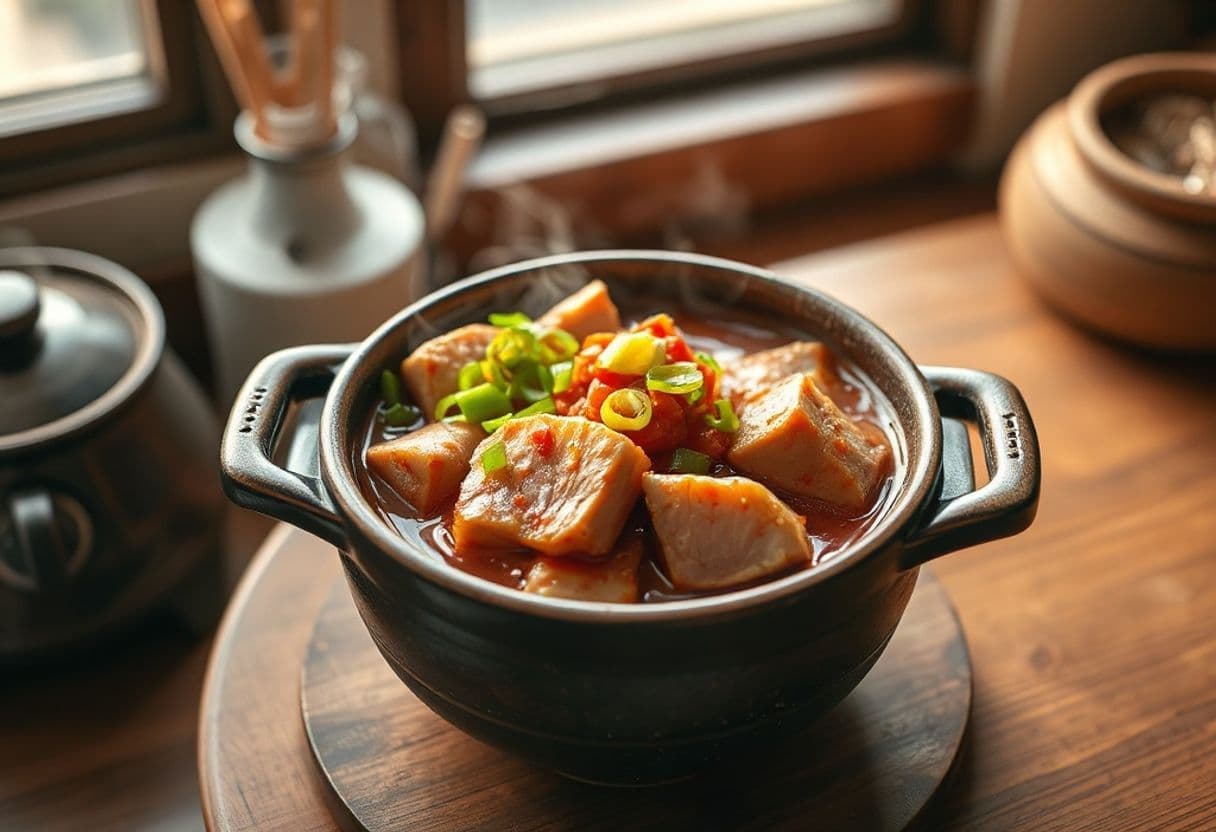
Master this braised pork with kimchi recipe perfect for small kitchens. Learn how to balance flavors using aged kimchi and pork shoulder for a hearty meal.
Braised Pork with Kimchi Recipe: A Simple Step-by-Step Guide
The short answer is that a successful braised pork with kimchi depends on the quality of your aged kimchi and the patience to let the pork simmer until tender. Here's why. While many quick stews rely on heavy seasoning, this dish draws its deep, complex flavor from the fermentation of the cabbage and the rendered fat from the meat over a 45–60 minute cooking window. By layering the ingredients correctly and controlling the heat, you create a rich, savory base that requires very few additional spices.
This dish, known as Kimchi-jjim, is a staple in many households because it is essentially a self-contained meal. As a mom who often cooks for a family with varying heat tolerances, I have found that this recipe is the ultimate solution for a busy weeknight. It allows the pork to become incredibly soft, making it easy for children to chew, while providing the bold, fermented kick that adults crave. For someone living alone or a student in a small apartment, the beauty of this recipe lies in its simplicity and the fact that it yields leftovers that taste even better the next day.
Understanding the Big Picture of Kimchi-jjim
Braised pork with kimchi is different from a standard kimchi stew (Kimchi-jjigae). While a stew is soupier and meant to be eaten with a spoon, a braise is concentrated, with much less liquid and meat that is cooked until it is fork-tender. The goal is to have the kimchi cabbage leaves become translucent and soft enough to wrap around pieces of the pork. This technique requires a longer cooking time at a lower temperature compared to a quick boil.
In my experience, about 80 percent of the flavor in this dish comes from the kimchi juice and the pork fat. Because of this, you do not need an extensive spice rack. This makes it an ideal recipe for those with limited kitchen space or a tight budget. A 2022 survey by a leading food research institute found that 1-person households prefer one-pot meals that can be reheated 2–3 times, and this dish fits that criteria perfectly. By making a large batch, you can have several high-quality meals ready to go throughout the week.
Foundational Concepts for Beginners
Before we dive into the cooking process, it is essential to understand the ingredients. This section covers the basics that every beginner should know to ensure their first attempt is a success. If you are already familiar with Korean pantry staples, you may find these details helpful as a refresher on ingredient ratios.
Selecting the Right Kimchi
The most important ingredient is aged kimchi, often called 'Mukeunji'. This is kimchi that has been fermented for at least 6 months, though 12 months is even better. Fresh kimchi will not work for this recipe because it lacks the necessary acidity and depth. If your kimchi is only a few weeks old, it will taste more like a salad than a braise.
Specifically, look for kimchi that has a sharp, sour smell. If you are buying it from a store, check the packaging for a fermentation date. In a pinch, if your kimchi isn't sour enough, you can add a small amount of vinegar, but the complexity won't be quite the same. In practice, I usually keep a jar of kimchi specifically for braising in the back of my fridge for several months to ensure it reaches the peak level of acidity.
Choosing the Best Cut of Pork
For a braise, you need a cut of meat that has a good balance of fat and connective tissue. Lean cuts like pork loin will become dry and tough during the long simmering process. I recommend the following three options:
- Pork Shoulder (Boston Butt): This is the most popular choice. It is affordable and has enough fat to keep the meat moist while it simmers.
- Pork Belly: This provides the richest flavor. The high fat content melts into the kimchi, creating a silky sauce. However, it can be quite greasy if you use too much.
- Pork Ribs: These add a great depth of flavor from the bones, though they require a slightly longer cooking time (usually 60–75 minutes). I generally use about 500g of pork for a standard batch that serves 2–3 people. This amount fits comfortably in a medium-sized pot and provides a good ratio of meat to vegetables.
The Importance of Liquid Ratios
Unlike a soup, you only want enough liquid to partially submerge the ingredients. If you add too much water, the flavors will be diluted, and you will end up with a weak stew rather than a rich braise. A common ratio I use is 1 part kimchi juice to 2 parts water or broth. For a 500g portion of meat, 400–500ml of total liquid is usually sufficient.
Using rice water (the water from rinsing rice) is a traditional secret. The starch in the rice water helps thicken the sauce and mellows out some of the harshness of the kimchi's acidity. If you do not have rice water, a simple vegetable or anchovy broth works well too.
Note: The following section moves into intermediate detail regarding the cooking process and flavor balancing.
Deep Dive: The Braising Process and Flavor Balance
Now that you have your ingredients ready, the focus shifts to the technique. Braising is a slow-cooking method that uses moist heat to break down tough fibers. This is where the magic happens, transforming a few simple ingredients into a gourmet meal.
Layering for Maximum Flavor
The order in which you place ingredients in the pot matters. Start by placing the pork at the bottom. This allows the meat to be in direct contact with the heat source, helping the fat render out. Next, lay the kimchi over the top of the meat. If you are using a whole head of kimchi, keep the leaves intact and lay them across the pork like a blanket. This 'blanket' traps the steam and juices, ensuring the meat stays moist.
I always pour about 100ml of the kimchi brine (the liquid from the bottom of the kimchi container) directly over the top. This juice contains all the concentrated spices and probiotics that give the dish its signature 'umami' punch. For those who enjoy a bit of extra heat, you can add 1–2 tablespoons of Gochugaru (Korean red pepper flakes) at this stage.
Balancing Acidity and Sweetness
One of the biggest challenges in making Kimchi-jjim is managing the acidity. If your kimchi is extremely sour, the dish can become overwhelming. The solution is sugar. Sugar acts as a balancing agent, rounding out the sharp edges of the fermented cabbage.
In my practice, I start with 1 tablespoon of sugar for every 500g of kimchi. If the sauce still tastes too sharp after 30 minutes of simmering, I add another half-tablespoon. Specifically, for my kids, I tend to use a bit more sugar to make the flavor profile more approachable. It doesn't make the dish 'sweet' in a dessert sense; rather, it creates a savory-sweet harmony that is very addictive.
Heat Management and Timing
Consistency is key when it comes to temperature. Start the pot on medium-high heat just until the liquid begins to bubble. Once it reaches a boil, immediately turn the heat down to low or medium-low. The liquid should be at a gentle simmer, not a rolling boil.
- Minutes 0–10: High heat to bring to a boil.
- Minutes 10–40: Low heat, covered with a lid. Do not peek too often; you want to keep the steam inside.
- Minutes 40–60: Check the tenderness of the pork. If it doesn't pull apart easily, give it another 15 minutes. If the liquid evaporates too quickly, add 50ml of water at a time. You want the final result to have a thick, sauce-like consistency that coats the back of a spoon.
Practical Steps to Apply Right Now
If you are ready to start cooking, follow these specific steps. This recipe is designed for a single pot, making cleanup easy for anyone living in a small space.
Step 1: Prepare the Ingredients
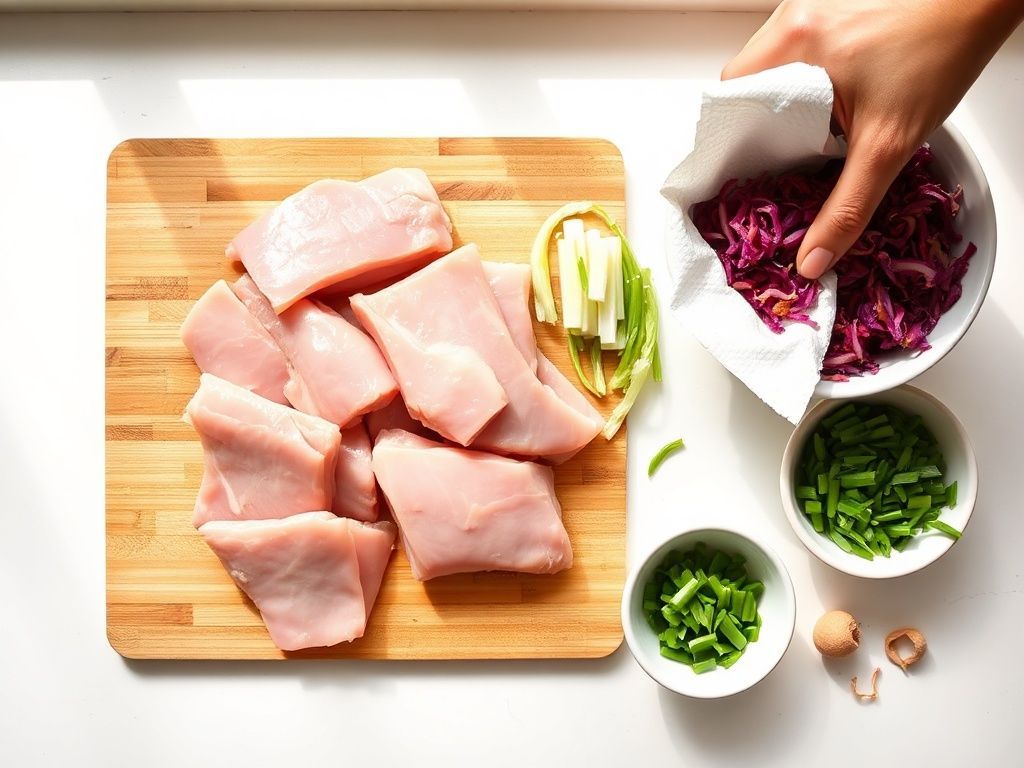
Cut 500g of pork shoulder into large chunks (about 5cm squares). Large pieces are better for long braising so they don't disintegrate.
Prepare 1/4 head of aged kimchi (about 500g–600g). Do not wash the kimchi; you want all those spices.
Slice half a large onion and 2 green onions into 3cm pieces.
Mince 3 cloves of garlic.
Step 2: Assemble the Pot
Place the pork at the bottom of a heavy-bottomed pot or a Dutch oven.
Spread the minced garlic and sliced onions over the meat.
Lay the kimchi over the top, covering the meat completely.
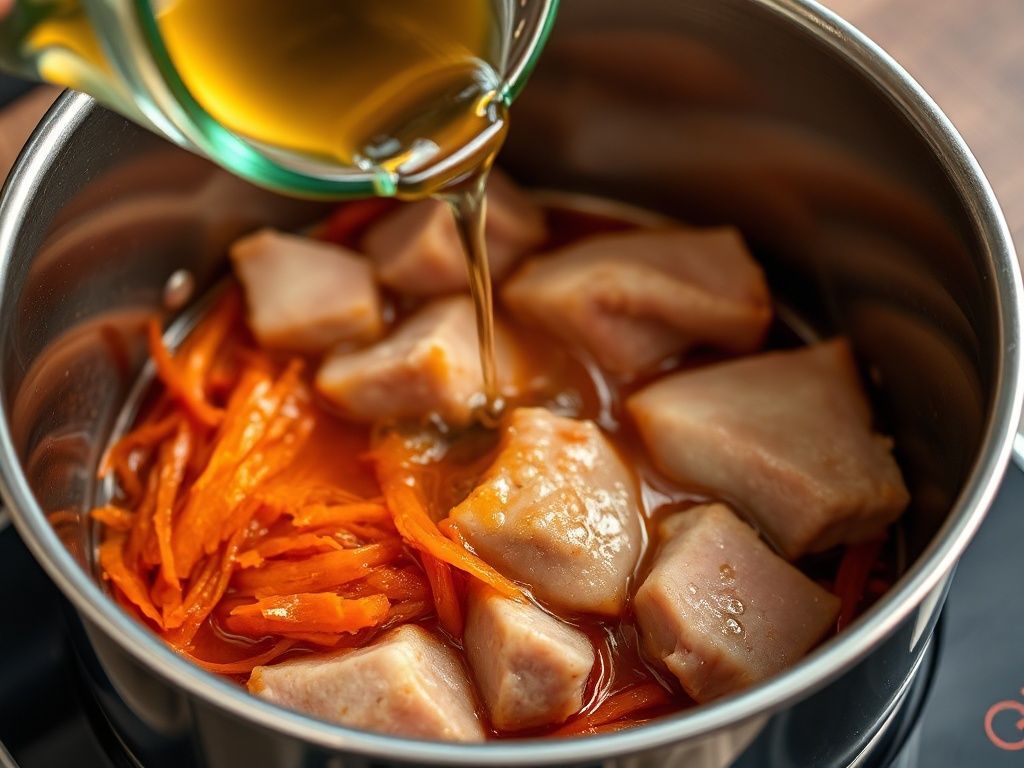
Mix 400ml of rice water (or plain water) with 100ml of kimchi brine, 1 tablespoon of sugar, and 1 tablespoon of soy sauce. Pour this mixture into the pot.
Step 3: The Slow Braise
Cover the pot and bring to a boil over medium-high heat.
Once boiling, reduce the heat to low. Let it simmer for 45–50 minutes.
At the 45-minute mark, check the pork with a fork. If it is tender, add the green onions and simmer for another 5 minutes uncovered to thicken the sauce.
Common Mistakes to Avoid
- Mistake 1: Using fresh kimchi. As mentioned, this is the most common reason for a flavorless braise. If your kimchi is fresh, make a stir-fry instead.
- Mistake 2: Boiling on high heat. This will toughen the proteins in the meat and evaporate the sauce before the flavors have a chance to develop. Always use a low simmer.
- Mistake 3: Skipping the sugar. Many people think sugar is optional, but it is a functional ingredient for balancing the pH of the fermented cabbage.
Warning Callouts
- Warning: Be careful with the salt. Kimchi and kimchi brine are already very salty. Do not add extra salt until the very end, and only after tasting the sauce.
- Warning: Watch the bottom of the pot. If your pot has a thin base, the pork can scorch even on low heat. Stir the bottom gently once or twice during the process to ensure nothing is sticking.
- Warning: Ensure your kitchen is well-ventilated. The smell of simmering kimchi is delicious but very strong and can linger in small apartments for 1–2 days.
Conclusion
Making a restaurant-quality braised pork with kimchi is entirely achievable at home, even if you are cooking for one or have a limited kitchen setup. By focusing on the quality of your aged kimchi and allowing the meat enough time to tenderize, you can create a deeply satisfying meal that requires minimal active effort.
To summarize the key points of this guide:
- Use aged kimchi: The acidity is the foundation of the entire dish's flavor profile.
- Choose fatty pork: Cuts like shoulder or belly provide the moisture needed for a long simmer.
- Patience is essential: A minimum of 45–60 minutes on low heat is required for the best texture. One specific action to take today: Check the kimchi in your refrigerator. If it has been sitting there for more than a month and tastes a bit too sour to eat raw, that is your signal to buy some pork shoulder and start your first batch of Kimchi-jjim this evening.
Previous
Fridge Clean-Out Meals: Quick & Easy Recipes for Busy Parents
Next
Braised Pork with Kimchi Recipe: A Simple Step-by-Step Guide
More in Recipes
Easy 5-Ingredient Pork Suyuk: The Ultimate High-Protein Diet Recipe
Discover a simple 5-ingredient Korean boiled pork (Suyuk) recipe that takes just 50 minutes. Perfect for a high-protein, low-calorie diet that keeps you full.
Tofu Kimchi Recipe: Quick Ways to Use Fridge Leftovers
Learn a simple Tofu Kimchi recipe to clear out your fridge. Discover freezer-friendly meal prep tips, common beginner mistakes, and quick cleanup hacks.

Vegetarian guest hosting recipes you can prep on weekends
Vegetarian guest hosting recipes made easy. Learn how to prep plant-based dishes on weekends, freeze them safely, and master smart ingredient substitutions.
How to Bake Bread in a Small Kitchen with Minimal Cleanup
Learn how to bake homemade bread in a small kitchen with minimal cleanup. This guide covers no-knead methods, diet-friendly tips, and office lunch ideas.