Korean Seafood Stew Recipe: Quick Haemultang for Busy Weeknights
Key Takeaways
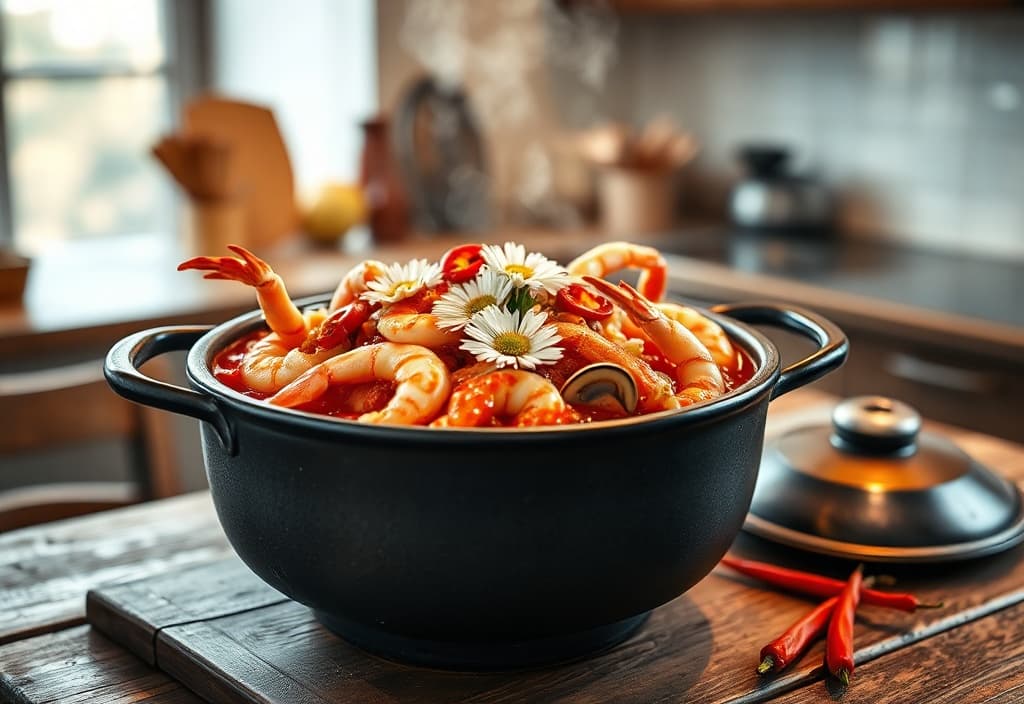
Master a simple Korean seafood stew recipe designed for busy office workers. This haemultang guide focuses on 30-minute preparation and high-impact flavors.
Korean Seafood Stew Recipe: Quick Haemultang for Busy Weeknights
Most people assume that a deep, flavorful seafood stew requires hours of simmering and a professional chef's intuition, but in practice, the quality of your base broth and the freshness of the catch do 90% of the work for you. I have spent 8 years living alone and cooking for myself, and I have learned that the most intimidating dishes are often the ones that can be simplified the most without losing their soul. The traditional approach to haemultang involves cleaning half a dozen types of shellfish and making a complex stock from scratch. However, when you come home after a long shift at the office, you need a version that delivers that same briny, spicy satisfaction in under 40 minutes.
In my experience, the secret to a successful weeknight stew is not in the labor, but in the assembly. I have abandoned complicated recipes halfway through more than once because they required too many specialized tools or excessive knife work. For a busy professional, the goal is a one-pot meal that tastes like it took all afternoon. By focusing on a few high-impact ingredients and a specific layering technique, you can achieve a restaurant-quality result with minimal cleanup.
To make this process manageable, we will focus on four specific pillars of efficiency:
- Utilizing high-quality frozen seafood mixes to reduce cleaning time
- Preparing a concentrated seasoning paste (dadaegi) in advance
- Using a 'fast-cook' radish base for immediate broth depth
- Managing heat levels to prevent seafood from becoming rubbery
What makes a seafood stew efficient for solo cooks?
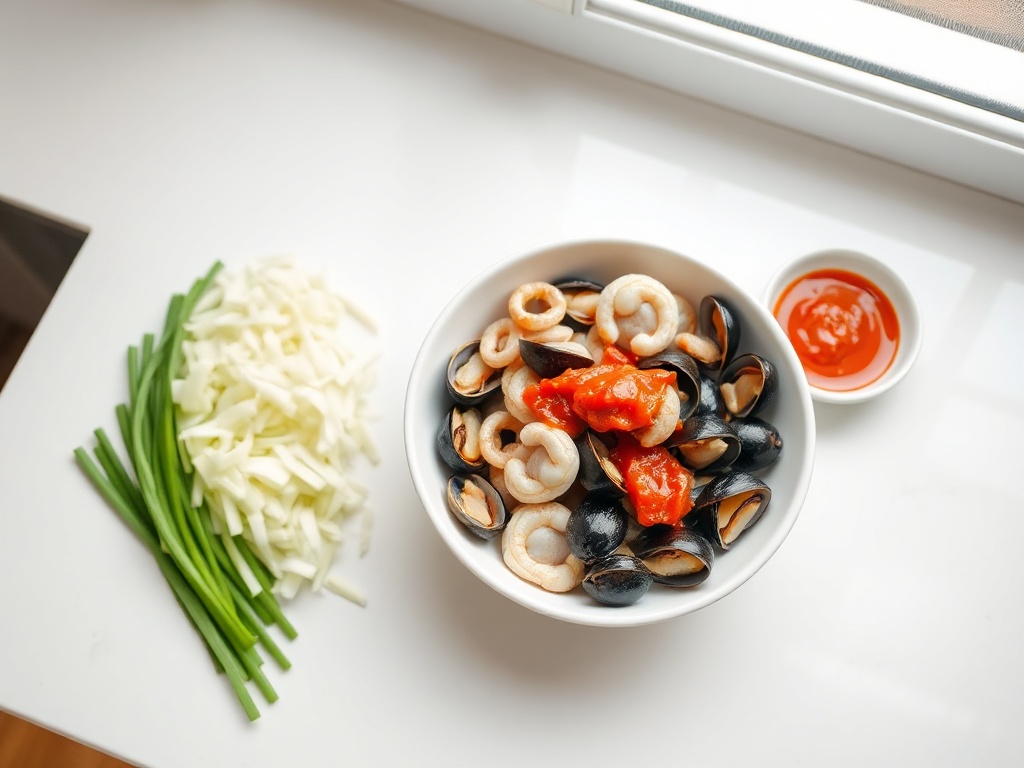
The biggest barrier to making seafood stew at home is the perceived difficulty of handling the ingredients. If you buy fresh crab, whole squid, and unpurged clams, you are looking at 45 minutes of preparation before the stove is even turned on. For someone living alone, this is rarely worth the effort. Instead, I rely on 500g frozen seafood mixes found in most grocery stores. These mixes typically contain a balanced ratio of shrimp, squid rings, and clam meat.
One significant advantage of using these mixes is the consistency. Because they are flash-frozen, the cellular structure of the seafood remains intact, and you don't have to worry about the 'off' smell that can sometimes plague fresh seafood that has been sitting on a grocery shelf for 2 days. To prepare these, you simply need to soak them in cold water for 10 minutes. Specifically, adding a tablespoon of refined rice wine to the soaking water can help neutralize any lingering frozen scent, ensuring a clean taste in the final broth.
Another efficiency hack involves the broth base. While traditional recipes call for boiling dried anchovies and kelp for 30 minutes, I have found that using a high-quality liquid dashi concentrate or even a simple vegetable bouillon saves significant time. When you are hungry and tired, waiting for a stock to brew feels like an eternity. By using a concentrated base, you can start the actual cooking process within 5 minutes of entering the kitchen.
How do you balance the spicy seasoning paste?
The heart of haemultang is the seasoning paste, known in Korean as 'dadaegi.' This is where the heat, umami, and saltiness converge. Most people make the mistake of adding spices directly into the boiling water, which results in a grainy texture and uneven flavor distribution. In practice, mixing the spices into a thick paste before adding them to the pot allows the flavors to bloom and meld.
For a standard 2-person serving, you will need a specific ratio of ingredients to ensure the broth is robust but not overwhelming. I recommend the following combination:
- 2 tablespoons of gochugaru (Korean red pepper flakes)
- 1 tablespoon of gochujang (Korean red pepper paste)
- 1 tablespoon of minced garlic (do not be stingy here)
- 1 tablespoon of soy sauce for soup (guk-ganjang)
- 1 teaspoon of fermented fish sauce for deep umami
- A pinch of black pepper Mixing these into a paste and letting it sit for 5-10 minutes while you prep your vegetables makes a noticeable difference. The moisture from the soy sauce hydrates the pepper flakes, which prevents them from floating on top of the stew like dry dust. In my 8 years of cooking, I have found that this 'resting' period for the paste is the difference between a thin, watery soup and a rich, integrated stew. If you prefer a cleaner finish, you can reduce the gochujang and increase the gochugaru, which prevents the broth from becoming too thick or sweet.
Why does the order of ingredients matter?
One of the most common mistakes in seafood cooking is the 'dump and boil' method. Seafood has a very narrow window of perfection. For example, squid and shrimp only need 3-5 minutes of simmering before they become tough and rubbery. If you put them in at the same time as your hard vegetables, you will end up with a great broth but inedible protein.
The Radish Foundation
The first layer must always be the radish. In Korea, we use 'mu' (Korean radish), which is denser and sweeter than daikon. To speed up the process, slice the radish into 0.5cm thick squares. These thin slices release their sugars and enzymes much faster than large chunks. Boiling the radish with your broth base for 10-12 minutes creates a foundation of sweetness that balances the spicy paste. This is the only part of the process that should be rushed; everything else requires timing.
The Seafood Layering
Once the radish is translucent and soft, add your seasoning paste and stir until fully dissolved. Only then should you add the seafood. If you are using a mix that includes shellfish with shells, such as clams or mussels, add those first. They take slightly longer to open and contribute significantly to the broth's salinity. Once the shells begin to crack open, add the shrimp and squid. These should be the last proteins to enter the pot.
The Final Aromatics
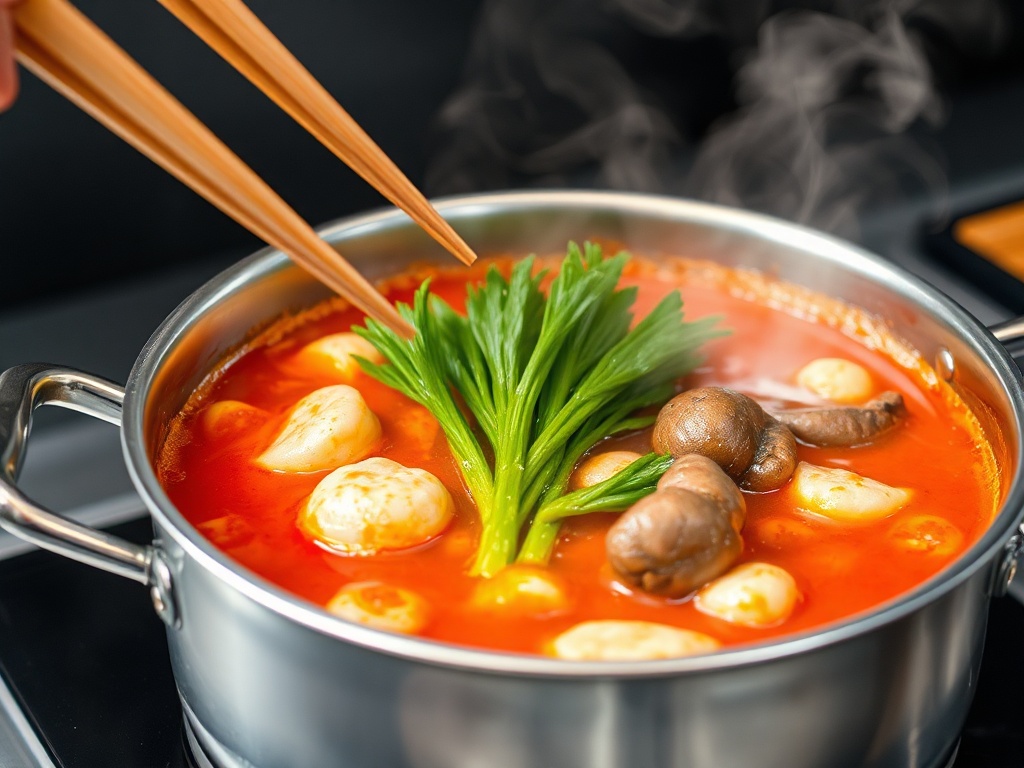
Finally, the greens should be added just before you turn off the heat. Specifically, water parsley (minari) or crown daisy (ssukgat) provide a sharp, herbal contrast to the heavy seafood flavors. If you boil these for more than 60 seconds, they lose their vibrant green color and their aromatic oils evaporate. I usually place them on top, push them down into the liquid with a spoon, and immediately kill the flame. The residual heat is more than enough to wilt them to the perfect texture.
What are the essential shortcuts for a weekday meal?
Efficiency for an office worker is about reducing the number of steps and the amount of equipment used. Every extra bowl you use is another 2 minutes of cleaning later. To optimize this recipe, I suggest a few practical shortcuts that I use in my own kitchen.
First, use a single heavy-bottomed pot for everything. A ceramic-coated pot or a small Dutch oven is ideal because it retains heat well, allowing you to serve the stew directly at the table so it stays hot throughout the meal. Second, do not bother with elaborate vegetable garnishes. While a traditional restaurant might use five types of mushrooms and three types of peppers, you can get 90% of the flavor using just green onions and a single type of mushroom, like shiitake or enoki.
- Use pre-minced garlic from a jar if you are short on time; it works perfectly in spicy stews.
- Keep a bottle of anchovy broth concentrate in the fridge for instant stock.
- Buy pre-washed and cut vegetables if your local market offers them.
- Skip the tofu if you don't have a full block; it's a great addition but not essential for the flavor profile. Warning: Never skip the 'haegam' (purging) process if you are using fresh clams. Even one grain of sand can ruin the entire eating experience. If you are too tired to purge clams for 30 minutes in salt water, stick to the frozen, pre-cleaned meat. It is a much safer bet for a stress-free dinner.
Troubleshooting common mistakes in seafood stew
Even with a simple recipe, things can go wrong. The most frequent issue I see is a 'fishy' aftertaste. This usually happens for two reasons: the seafood wasn't rinsed properly, or the stew was boiled with the lid on for too long. When cooking seafood, leaving the lid off for the first few minutes of the boil allows volatile compounds to escape into the air rather than being trapped in the broth.
Another common mistake is over-salting. Seafood naturally contains a high amount of sodium. If you salt the broth at the beginning, it will become incredibly salty once the clams open and release their liquor. Always wait until the very end to taste your stew. If it needs more salt, add a tiny bit of fish sauce or sea salt. If it is too salty, add a splash of water or a few more slices of raw radish to absorb the excess.
Finally, watch your water levels. A common estimate for a 2-person stew is 1 liter of water, but this can vary depending on the width of your pot. You want the water to just barely cover the ingredients. A seafood stew is not a thin soup; it should be dense and concentrated. If you add too much water, the delicate flavors of the shrimp and squid will be lost in a sea of diluted spice.
The Unifying Insight: Quality over Complexity
The ultimate realization I have had over 8 years of solo cooking is that a great meal is defined by the quality of its primary components, not the complexity of its execution. A haemultang made with five perfect ingredients will always taste better than one made with fifteen mediocre ones. By choosing a high-quality frozen seafood mix and mastering a simple seasoning paste, you bypass the stress of traditional preparation while retaining the deep, oceanic flavors that make this dish a staple of Korean comfort food. The transition from a stressful workday to a relaxing evening starts with a meal that nourishes you without demanding your last remaining energy.
Summary of Key Points
- Preparation efficiency: Use frozen seafood mixes and pre-made dashi concentrates to cut prep time down to 15 minutes.
- Flavor balance: Always create a seasoning paste (dadaegi) and let it rest to ensure a deep, integrated broth flavor.
- Timing mastery: Layer ingredients by cooking density—radish first, then shellfish, then soft seafood, and finally aromatic greens.
Action to Take Today
On your way home from work, stop by a local grocery store and pick up one 500g bag of frozen mixed seafood and a small Korean radish. Having these two items in your kitchen removes the 'decision fatigue' of what to cook and allows you to have a hot, nutritious meal on the table in less time than it takes for a delivery driver to arrive.
Previous
Soft Tofu Stew Recipe: The Golden Ratio for Busy Students
Next
Korean Seafood Stew Recipe: Quick Haemultang for Busy Weeknights
More in Recipes
Easy 5-Ingredient Pork Suyuk: The Ultimate High-Protein Diet Recipe
Discover a simple 5-ingredient Korean boiled pork (Suyuk) recipe that takes just 50 minutes. Perfect for a high-protein, low-calorie diet that keeps you full.
Tofu Kimchi Recipe: Quick Ways to Use Fridge Leftovers
Learn a simple Tofu Kimchi recipe to clear out your fridge. Discover freezer-friendly meal prep tips, common beginner mistakes, and quick cleanup hacks.

Vegetarian guest hosting recipes you can prep on weekends
Vegetarian guest hosting recipes made easy. Learn how to prep plant-based dishes on weekends, freeze them safely, and master smart ingredient substitutions.
How to Bake Bread in a Small Kitchen with Minimal Cleanup
Learn how to bake homemade bread in a small kitchen with minimal cleanup. This guide covers no-knead methods, diet-friendly tips, and office lunch ideas.