Fridge Clean-Out Meals: Quick & Easy Recipes for Busy Parents

Key Takeaways
Discover easy fridge clean-out recipes perfect for busy parents. Reduce food waste, save money, and create delicious family meals with ingredients you already have on hand.
You glance into the fridge after a long day, the vibrant chaos of half-used vegetables, forgotten leftovers, and various condiments staring back. Dinner needs to happen, and quickly, but the thought of digging through everything to find something coherent feels like another chore on an already endless list. The kids are asking 'What's for dinner?' and your brain feels scrambled. Sound familiar? For busy parents, the fridge can often feel like a Bermuda Triangle for ingredients – items go in, but rarely come out in a coherent meal. This leads to food waste, unnecessary grocery spending, and the daily headache of meal planning. But what if you could turn that chaos into a culinary opportunity, creating delicious, quick meals from what you already have? That's the magic of fridge clean-out meals, and I'm here to share how even an intermediate cook like myself can master them to simplify family meal times.
The Overwhelming Fridge: Why Mealtime Becomes a Chore
For many families, the fridge isn't just a place to store food; it's a testament to good intentions and forgotten aspirations. We buy fresh produce with the best of plans, only to find it wilting in the back drawer a week later. Leftovers from a Sunday roast might sit untouched until they're no longer safe to eat. This cycle isn't just frustrating; it's costly and contributes significantly to household food waste.
According to the USDA's Economic Research Service (2022), roughly 30–40% of the food supply in the United States goes to waste. A significant portion of this happens at the household level. For a family, this could translate to hundreds of dollars lost each month. Beyond the financial impact, there's the environmental cost of wasted resources and the mental burden of constantly feeling like you're failing to manage your kitchen efficiently. As a parent who juggles work, childcare, and countless other responsibilities, I know firsthand how challenging it can be to stay on top of everything. The overflowing fridge, with its hidden treasures and forgotten perils, often feels like just another item on the 'to-do' list that never gets done.
What Causes This Culinary Chaos?
Understanding the root causes of fridge clutter is the first step toward reclaiming your kitchen sanity. It's rarely a single issue but rather a combination of factors common to busy households:
Impulse Buys & Over-Shopping: We often get swayed by sales or attractive displays at the grocery store, buying more than we need or items without a specific meal in mind. A great deal on a bulk pack of chicken might seem smart, but if it sits in the fridge for too long, it becomes waste.
Lack of a Clear Meal Plan: Without a weekly plan, even a loose one, it's easy to buy ingredients for individual meals that don't complement each other, leaving you with small, unusable quantities of various items. This often leads to resorting to meal kits during the week, which, while convenient, don't help use up existing ingredients.
Life Happens: Schedules change, dinner plans get cancelled, or a spontaneous takeaway order occurs. These shifts mean ingredients bought for a specific meal might not get used as intended, pushing them further back in the fridge and closer to their expiration date.
Poor Visibility & Organization: If you can't see what's in your fridge, you're less likely to use it. Items get pushed to the back, forgotten, and ultimately, thrown away. I've personally discovered many a forgotten container of homemade sauce or half-eaten deli meat tucked away behind a large milk jug.
Not Utilizing Leftovers Effectively: While we intend to eat leftovers, they often languish, becoming indistinguishable blobs in containers. Without a clear plan to repurpose them, they contribute to the fridge's overflowing state.
How Can Busy Parents Turn Fridge Scraps into Family Feasts?
The good news is that transforming your fridge chaos into culinary triumph is absolutely achievable, even for those of us who aren't gourmet chefs. It's about shifting your mindset and embracing flexibility. My approach is to think of these meals not as 'making do,' but as 'creative cooking,' allowing me to use common ingredients in new and exciting ways without spending the whole day in the kitchen.
Practical Strategies for Fridge Clean-Out Success
Before diving into specific recipes, let's establish some foundational strategies that make fridge clean-out meals a breeze:
- Regular Fridge Inventory: I make it a habit to do a quick fridge check every 3–4 days, especially before my main grocery shop. This involves pulling out items, checking expiration dates, and making a mental note (or a quick list) of what needs to be used soon. This simple step can save you upwards of $20–$30 per week on groceries by preventing duplicate purchases and reducing waste.
- Designate a 'Use-It-Up' Shelf/Drawer: Create a dedicated spot in your fridge for items that are nearing their expiration or need to be consumed quickly. This visual cue helps prioritize these ingredients and ensures they don't get lost in the shuffle.
- Embrace Flexible Meal Themes: Instead of rigid recipes, think in terms of flexible meal categories. For example, instead of 'chicken tacos,' think 'taco bowls' where any cooked protein (chicken, beef, beans), leftover rice, and various veggies (peppers, corn, lettuce, tomatoes) can be combined. This adaptable approach is a game-changer for using up odds and ends.
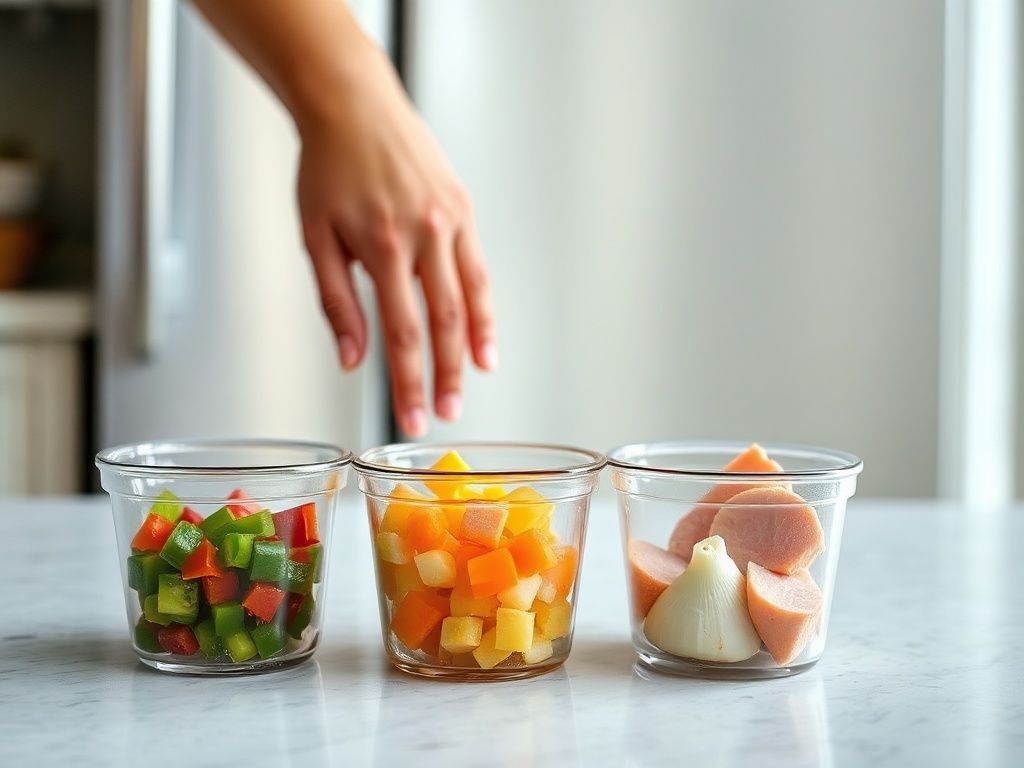
- Prep Components, Not Entire Meals: If you have a few wilting carrots, chop them and store them in water. Cooked chicken can be shredded. This makes them ready to be tossed into any recipe, reducing active cooking time when you're busy. Common Mistake Alert: The biggest pitfall when attempting a fridge clean-out meal is buying *new
- ingredients specifically for it. The goal is to use what you have, not to create another shopping list. If a recipe calls for something you don't have, find a substitution or pick another clean-out idea.
Versatile 'Use-It-Up' Recipes for Any Ingredient
Here are some of my go-to, intermediate-skill-level meal ideas that are incredibly adaptable to whatever you find lurking in your fridge. These focus on speed and minimal fuss, perfect for parents who want good results without extensive effort:
- The Anything Frittata or Scramble:
- Concept: Eggs are a fridge clean-out hero. A frittata (or a simpler scramble) can incorporate almost any small amount of cooked meat, cheese, or soft vegetables. I often use 6–8 eggs for a family-sized frittata.
- How I do it: Sauté any leftover cooked veggies (spinach, mushrooms, bell peppers, cooked potatoes) and/or diced cooked protein (ham, sausage, chicken) in an oven-safe pan for 3–5 minutes. Whisk 6–8 eggs with a splash of milk or cream, salt, and pepper. Pour over the sautéed ingredients. Sprinkle with any bits of cheese you have (cheddar, feta, mozzarella). Cook on the stovetop for 5–7 minutes until the edges set, then transfer to a preheated oven at 190°C (375°F) for 10–15 minutes until puffed and golden. For a scramble, skip the oven and just keep stirring! This is a fantastic option for a quick weeknight dinner or a weekend brunch. We usually serve it with a side salad if I have some greens.
- Clean-Out Fried Rice or Noodle Stir-Fry:
- Concept: This is a classic for a reason. Any cooked grain (rice, quinoa, pasta) and a medley of vegetables and proteins can be transformed into a delicious, quick meal.
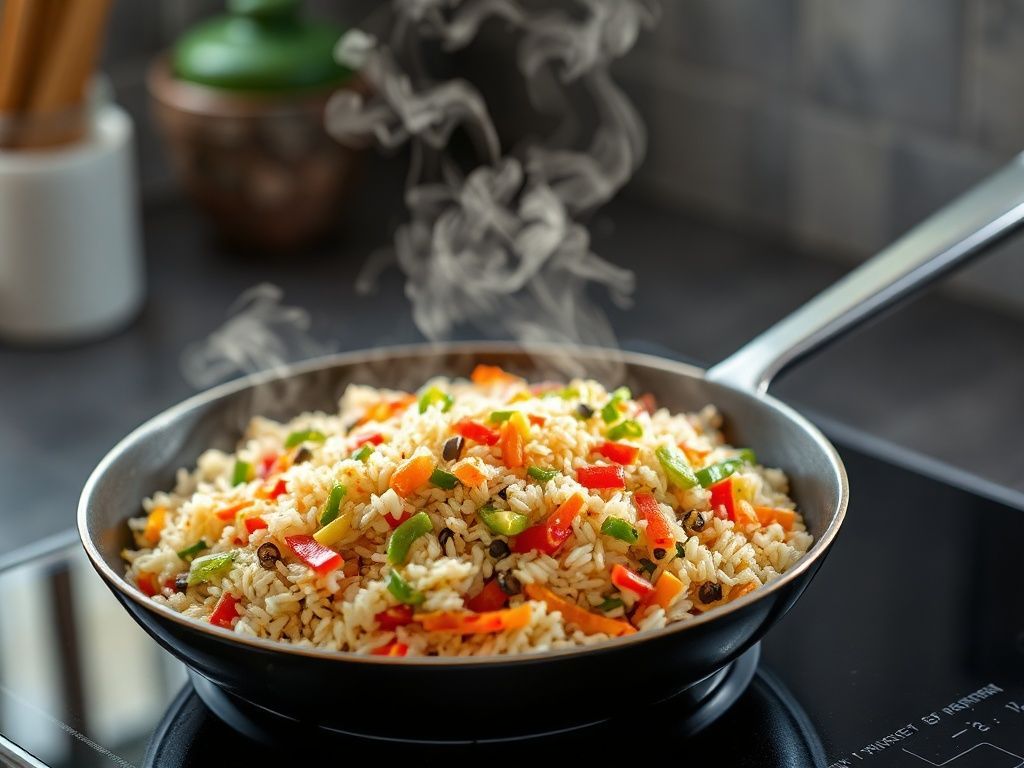
- How I do it: Heat a wok or large pan with 1–2 tablespoons of oil. Add any firmer veggies (carrots, broccoli stems, bell peppers) and sauté for 3–4 minutes. Then add softer veggies (spinach, mushrooms, snap peas) and any cooked protein (shredded chicken, diced pork, tofu, shrimp) for another 2–3 minutes. Push everything to one side, add a bit more oil, and crack in 2 eggs, scrambling them. Incorporate 3–4 cups of day-old cooked rice or noodles. Season with soy sauce, a dash of sesame oil, and a pinch of sugar. Stir until heated through. My kids love this because they can pick out their favorite bits. This meal is usually on the table in under 20 minutes.
- Sheet Pan Surprise:
- Concept: The ultimate low-effort meal. Chop everything, toss with oil and seasonings, and roast. It's fantastic for using up a mix of vegetables and proteins that are nearing their end.
- How I do it: Preheat oven to 200°C (400°F). Line a large sheet pan with parchment paper. Chop whatever vegetables you have (potatoes, broccoli, cauliflower, zucchini, onions, bell peppers) into similar-sized pieces. Add any protein (chicken thighs, sausages, firmer fish like salmon, chickpeas) also cut into bite-sized pieces. Toss everything with 2–3 tablespoons of olive oil, salt, pepper, garlic powder, and any other herbs you fancy (rosemary, thyme). Spread in a single layer on the sheet pan. Roast for 20–30 minutes, flipping halfway, until vegetables are tender and protein is cooked through. This meal takes about 10 minutes of active prep and then just cooks itself.
- Soup or Stew Magic:
- Concept: A comforting way to use up a variety of vegetables, grains, and even small amounts of cooked meat or beans.
- How I do it: Sauté aromatic veggies like onions, carrots, and celery in a large pot for 5–7 minutes. Add any other vegetables (chopped zucchini, green beans, corn, diced tomatoes) and 1–2 cups of cooked grains (rice, pasta, quinoa) or legumes (lentils, beans). Pour in 4–6 cups of broth (chicken, vegetable, or even water with a bouillon cube). Add any cooked protein. Simmer for 15–20 minutes until vegetables are tender. Season to taste. A friend recently made a fantastic 'mystery soup' with leftover roast chicken, some wilting kale, a can of cannellini beans, and a carton of chicken broth – it was surprisingly delicious and fed her family for two nights. This is a great way to use up those last few bits of fresh herbs, too. Warning: Always prioritize food safety. When doing a fridge clean-out, double-check expiration dates and use your senses. If something smells off, looks moldy, or has a questionable texture, it's safer to discard it. No clean-out meal is worth risking food poisoning.
How Do We Prevent the Fridge from Becoming a Black Hole Again?
While fridge clean-out meals are excellent solutions for existing problems, the ultimate goal is to minimize the problem in the first place. Building sustainable habits is key to maintaining an organized, waste-free fridge and a less stressful kitchen environment.
Building Sustainable Habits
Here are some practices I've found incredibly effective in keeping my fridge manageable and reducing food waste over the long term:
- Weekly 'Use-It-Up' Meal Night: Designate one night a week as your fridge clean-out meal night. This could be a Friday when the fridge is typically emptiest before a weekend shop, or a Wednesday when you need something quick and easy. Knowing this night is coming encourages you to save small portions and plan for them.
- Shop with a Purpose (and a List!): Before heading to the grocery store, check your fridge and pantry. Plan 3–5 meals for the week based on what you already have and what you need to use up. Create a specific shopping list and stick to it. This prevents impulse buys and ensures you're only purchasing what's necessary. I've found that spending an extra 10–15 minutes on Sunday morning doing this saves me hours of stress and significant money throughout the week.
- First-In, First-Out (FIFO) System: When you put new groceries away, move older items to the front of the fridge. This simple 'first-in, first-out' method ensures that items are used before they expire. It's a practice commonly used in professional kitchens, and it works wonders at home.
- Proper Storage is Key: Learning how to store different foods properly can significantly extend their shelf life. For example:
- Keep leafy greens in airtight containers with a damp paper towel.
- Store herbs like flowers in a glass of water in the fridge.
- Separate fruits that produce ethylene gas (like apples and bananas) from sensitive vegetables.
- Freeze items like bread, cheese, and raw meat before they spoil if you can't use them in time. Most prepped vegetables can also be blanched and frozen for later use in soups or stir-fries.
- Label and Date Leftovers: When storing leftovers, always label containers with the date they were made. This removes the guesswork and helps you identify what needs to be eaten first. In my experience, most cooked leftovers are best consumed within 3–4 days. Anything beyond that, I either freeze immediately or discard. Warning: Don't be afraid to repurpose. A leftover baked potato can become the base for a loaded potato skin. A small amount of roasted vegetables can be blended into a sauce. Thinking creatively about leftovers drastically reduces waste and adds variety to your meals.
Conclusion
Navigating the daily demands of parenting means finding smart ways to manage household tasks, and mealtime is no exception. Fridge clean-out meals offer a powerful solution to common kitchen challenges, transforming potential waste into delicious, family-friendly dinners. By adopting these strategies, you can significantly reduce food waste, save money on groceries, and alleviate the stress of daily meal planning. Remember, it's not about being a gourmet chef, but about being resourceful and efficient with what you have. Embrace the flexibility, enjoy the creativity, and savor the satisfaction of a well-fed family and a well-managed fridge.
Your specific action to take today: Spend 15 minutes to quickly survey your fridge and identify three items that need to be used within the next 48 hours. Then, jot down a simple idea for how you can incorporate them into tomorrow's dinner, even if it's just a side dish or a quick snack.
Previous
A Saturday morning of failed keto bread and the tofu French toast that saved us
Next
Fridge Clean-Out Meals: Quick & Easy Recipes for Busy Parents
More in Recipes
Easy 5-Ingredient Pork Suyuk: The Ultimate High-Protein Diet Recipe
Discover a simple 5-ingredient Korean boiled pork (Suyuk) recipe that takes just 50 minutes. Perfect for a high-protein, low-calorie diet that keeps you full.
Tofu Kimchi Recipe: Quick Ways to Use Fridge Leftovers
Learn a simple Tofu Kimchi recipe to clear out your fridge. Discover freezer-friendly meal prep tips, common beginner mistakes, and quick cleanup hacks.

Vegetarian guest hosting recipes you can prep on weekends
Vegetarian guest hosting recipes made easy. Learn how to prep plant-based dishes on weekends, freeze them safely, and master smart ingredient substitutions.
How to Bake Bread in a Small Kitchen with Minimal Cleanup
Learn how to bake homemade bread in a small kitchen with minimal cleanup. This guide covers no-knead methods, diet-friendly tips, and office lunch ideas.