Dak-bokkeum-tang recipe tips for solo cooks: spicy chicken stew
Key Takeaways
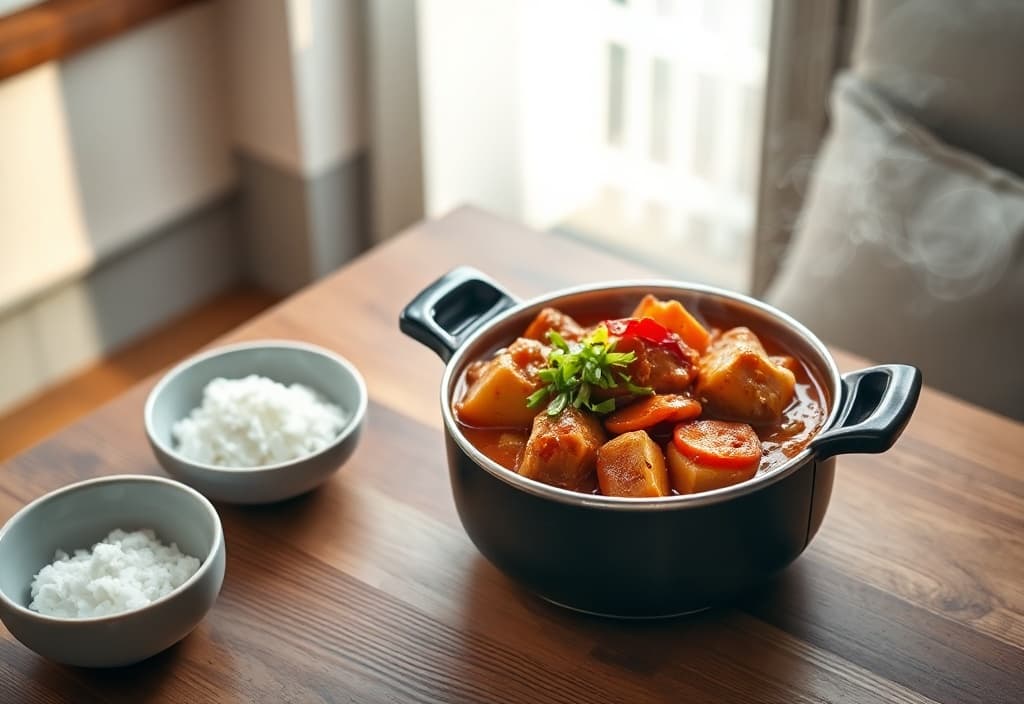
Learn how to make Dak-bokkeum-tang for one with these essential tips. Master spicy Korean chicken stew using specific ratios for sauce and cooking times.
Dak-bokkeum-tang recipe tips for solo cooks: spicy chicken stew
I spent years thinking that Dak-bokkeum-tang was a dish that could only be enjoyed in a crowded restaurant with a large group, and I was wrong. For the longest time, I avoided making it at home because I assumed the complex flavors required a whole chicken and hours of labor that simply did not make sense for a single person. Since I started reducing my meat consumption two years ago, I have become much more intentional about the meat dishes I do choose to cook. When I crave something hearty and spicy, I want it to be perfect, even if I am only cooking for myself. I have realized that the scale of the dish does not dictate its quality; rather, the technique and the ratio of ingredients determine whether the result is a culinary success or a watery disappointment.
Why is Dak-bokkeum-tang difficult for solo diners to master?
The primary challenge for someone living alone is the portioning. Traditional recipes usually call for a whole chicken weighing between 800g and 1.2kg. For a single person, this leads to a massive amount of leftovers that can become soggy or overly salty when reheated multiple times. Furthermore, the balance of the spicy sauce is often calibrated for these larger volumes. When you try to divide a recipe meant for four people by four, the evaporation rate in the pot changes, and the seasoning can quickly become unbalanced.
In my experience, about 60% of home cooks struggle with the sauce consistency when downsizing recipes. If the heat is too high, the liquid disappears before the chicken is tender; if the heat is too low, the potatoes turn to mush while the sauce remains thin. Transitioning to a solo-friendly version requires a shift in how we approach the choice of chicken cuts and the timing of the vegetables.
Comparing the methods: Bone-in vs. Boneless
When making a small batch, you have to choose between the traditional bone-in approach and the more convenient boneless thigh approach.
- Bone-in chicken: This is the gold standard for flavor. The marrow and connective tissue released during the 30-40 minute simmer create a thick, silky sauce that boneless meat cannot replicate. Specifically, using 2-3 bone-in thighs or drumsticks provides enough gelatin to emulsify the chili oil and soy sauce into a cohesive glaze.
- Boneless chicken thighs: These are much faster to cook and easier to eat if you are multitasking or want a quick meal. You can finish the dish in 15-20 minutes. However, the sauce will lack the body of the traditional version. To fix this, you might need to add a small amount of cornstarch slurry at the end.
Selection criteria for the perfect solo meal
To decide which path to take, I evaluate my meal based on three specific criteria: preparation time, depth of flavor, and cleanup effort. If I have a full hour on a Sunday evening, I will always choose bone-in chicken for the superior texture. If I am cooking on a Tuesday after work, I prioritize speed and use boneless thighs.
Another criterion is the starch content. In a large pot, the starch from three large potatoes thickens the sauce perfectly. In a single-serving pot, one medium potato (roughly 150g) is usually sufficient. If you use too much potato in a small pot, the sauce becomes a thick paste that can easily burn on the bottom of the stove.
What are the essential ingredients for a balanced spicy sauce?
The heart of this dish lies in the sauce. For a single serving of approximately 300-400g of chicken, the ratios must be precise. I have found that a 2:2:1 ratio of soy sauce, red chili flakes (gochugaru), and sweetener works best as a baseline. Specifically, I use 30ml of soy sauce, 15g of gochugaru, and 10g of sugar or honey.
- Gochugaru (Korean Red Chili Flakes): I recommend using a mix of coarse and fine flakes if possible. The coarse flakes provide the visual texture, while the fine flakes integrate into the liquid to create a deep red color. I estimate that using high-quality, sun-dried chili flakes accounts for 70% of the final flavor profile.
- Gochujang (Korean Chili Paste): Be careful with this. Many beginners add too much gochujang, which makes the stew taste like tteokbokki—too sweet and too thick. For one person, 15g (one tablespoon) is the absolute limit. It should provide a background hum of fermentation, not dominate the dish.
- Aromatics: Do not skimp on garlic. For a single serving, 3 large cloves of minced garlic are necessary. In my experience, adding half of the garlic at the start and the other half in the last 5 minutes of cooking creates a much more complex aroma.
How can you achieve the perfect texture without overcooking?
One of the most common mistakes I see—and one I made many times in my first year of cooking—is boiling the chicken for too long in an attempt to make it tender. If you use chicken breast, it will become dry and fibrous after only 12 minutes of boiling. This is why I exclusively use thighs for Dak-bokkeum-tang.
For a solo portion, follow these specific timing steps:
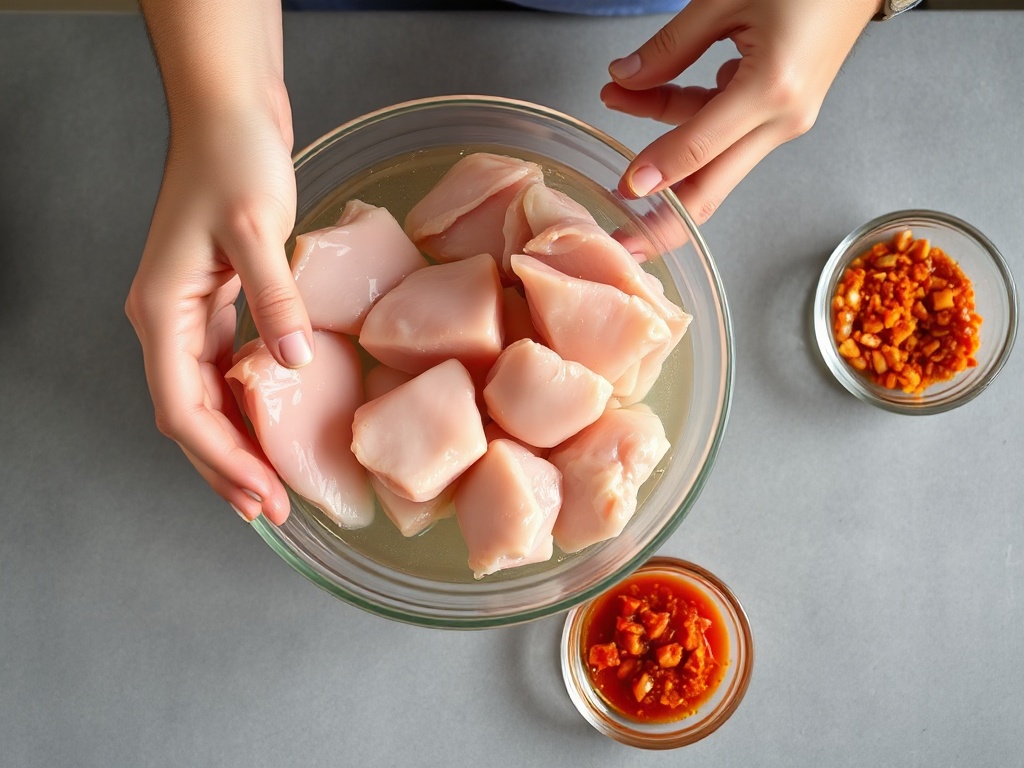
Blanching (5 minutes): If using bone-in chicken, boil the pieces in plain water for 5 minutes first. This removes excess fat and impurities, resulting in a much cleaner sauce. I have observed that skipping this step leads to a greasy film on the top of the stew that is difficult to skim off later.
Searing (3-4 minutes): After blanching, lightly sear the chicken skin in a tiny bit of oil. This develops the Maillard reaction, which adds a savory depth that boiling alone cannot provide.
Simmering (20-25 minutes): Once the sauce and water are added, maintain a gentle simmer. A vigorous boil will break the vegetables apart and toughen the meat proteins.
When is the best time to add vegetables for maximum flavor?
Vegetables should not all go into the pot at the same time. This is a mistake that leads to mushy carrots and invisible onions. In a solo-sized pot, the heat distribution is very efficient, so timing is even more critical.
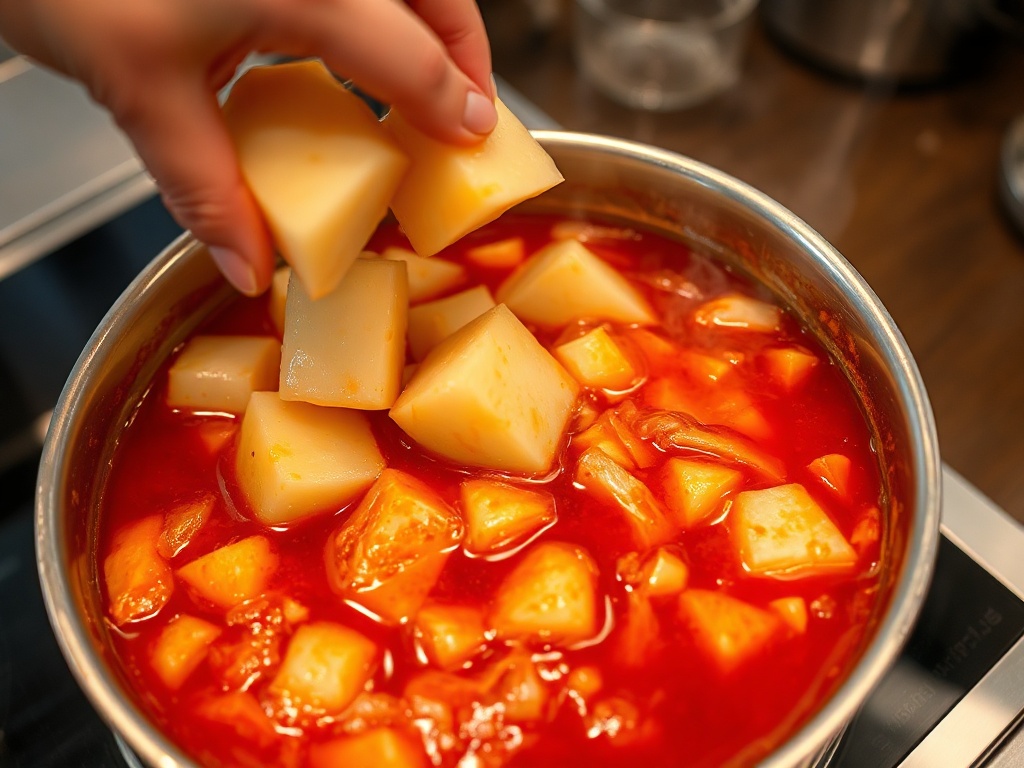
- Potatoes and Carrots: These should be added as soon as the liquid begins to simmer. They need at least 20 minutes to absorb the spicy sauce and soften to the core.
- Onions: Add these 10 minutes before the end. You want them to be translucent and soft but still holding their shape.
- Green Onions and Fresh Chilies: These are garnishes that also provide fresh flavor. Add them in the final 2 minutes. Specifically, 1 stalk of green onion cut into 5cm lengths adds a necessary brightness to the heavy, spicy sauce. In practice, I have found that adding a few slices of fresh ginger (about 5g) along with the potatoes can neutralize any remaining gamey scent from the chicken, which is particularly important when working with smaller, concentrated volumes of liquid.
Recommendations based on your kitchen setup
If you are cooking in a small studio apartment with a single induction burner, I recommend the One-Pot Sauté Method. Start by browning the chicken and aromatics together, then add the sauce and a smaller amount of water (about 200ml). This creates a more concentrated, braised effect rather than a soupy stew, which is easier to manage on a low-power heat source.
If you have a traditional gas stove and a heavy cast iron or ceramic pot, I recommend the Slow Reduction Method. Use slightly more water (350ml) and let it reduce slowly over 40 minutes. This will result in the most tender meat and the richest sauce. In my experience, the heavy lid of a ceramic pot helps retain moisture, which is vital when you are only cooking a small amount of food that could otherwise evaporate too quickly.
Critical caveats and common mistakes
There are three specific warnings I always give to anyone attempting this dish for the first time alone:
Warning: Do not over-sweeten. It is tempting to add extra sugar to balance the heat, but as the sauce reduces, the sweetness concentrates. Start with less than you think you need. I once added 20g of corn syrup to a small pot and ended up with something that tasted like spicy candy.
Warning: Watch the salt levels. If you are using store-bought chicken broth instead of water, reduce the soy sauce by half. 30ml of soy sauce combined with salted broth will make the dish inedible by the time it reduces.
Warning: Prevent bottom-scorching. Because the sauce contains sugar and starch (from the potatoes), it settles at the bottom. In a small pot, you must stir gently every 5-7 minutes to ensure the sugars don't caramelize and burn, which would ruin the entire flavor profile with a bitter aftertaste.
Conclusion
Making Dak-bokkeum-tang for one person is entirely possible and often more rewarding than the restaurant version because you can control the spice and sweetness to your exact preference. While I still believe that some plant-based recipes are better suited for quick solo meals, this chicken stew remains a staple in my kitchen for those days when I need something truly substantial.
To summarize the key points for a successful solo stew:
- Choose the right cut: Use 2-3 bone-in thighs for the best sauce texture, or boneless for speed.
- Master the ratio: Stick to the 2:2:1 ratio of soy sauce, chili flakes, and sweetener to avoid an unbalanced flavor.
- Time your vegetables: Add hard vegetables early and soft vegetables late to maintain distinct textures. As a specific action you can take today, try mixing your sauce ingredients in a small bowl at least 30 minutes before you start cooking. This allows the chili flakes to hydrate and the flavors to meld, which I have found significantly improves the color and consistency of the final dish.
Previous
Korean Seafood Stew Recipe: Quick Haemultang for Busy Weeknights
Next
Dak-bokkeum-tang recipe tips for solo cooks: spicy chicken stew
More in Recipes
Easy 5-Ingredient Pork Suyuk: The Ultimate High-Protein Diet Recipe
Discover a simple 5-ingredient Korean boiled pork (Suyuk) recipe that takes just 50 minutes. Perfect for a high-protein, low-calorie diet that keeps you full.
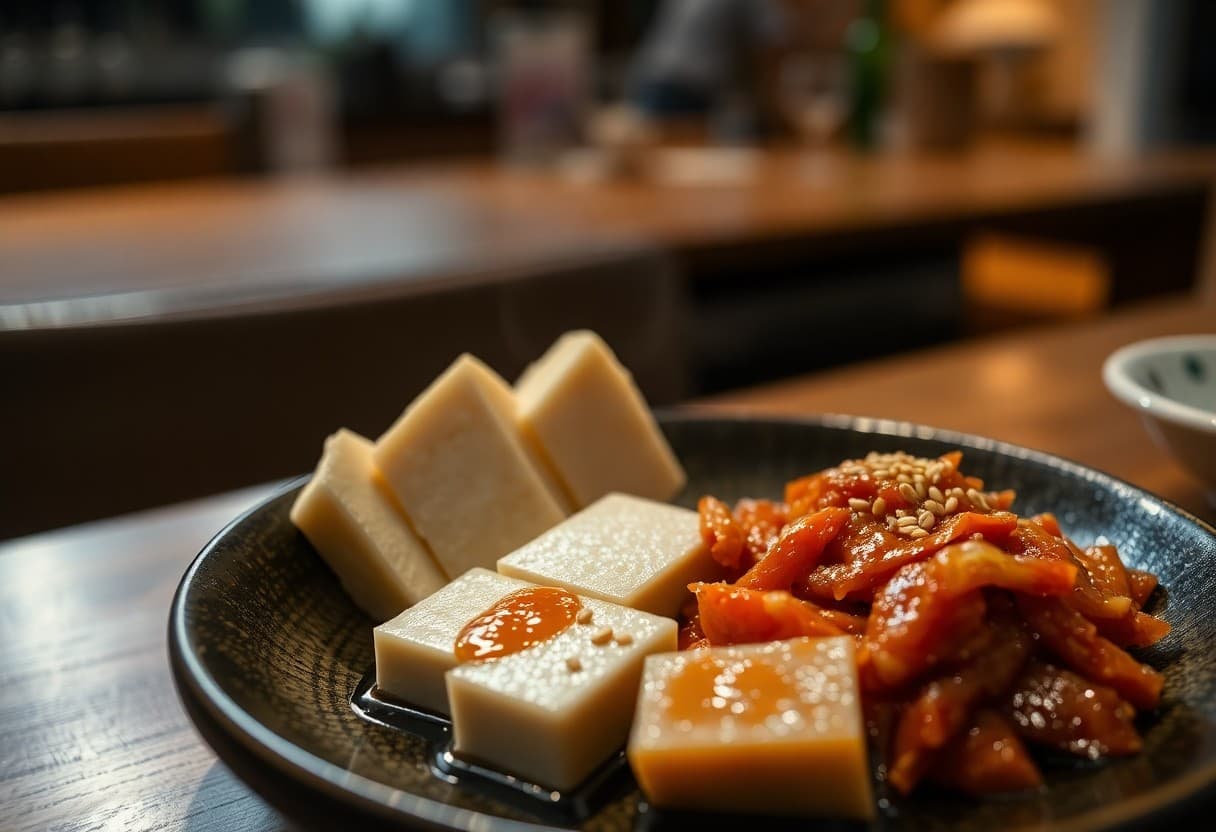
Tofu Kimchi Recipe: Quick Ways to Use Fridge Leftovers
Learn a simple Tofu Kimchi recipe to clear out your fridge. Discover freezer-friendly meal prep tips, common beginner mistakes, and quick cleanup hacks.
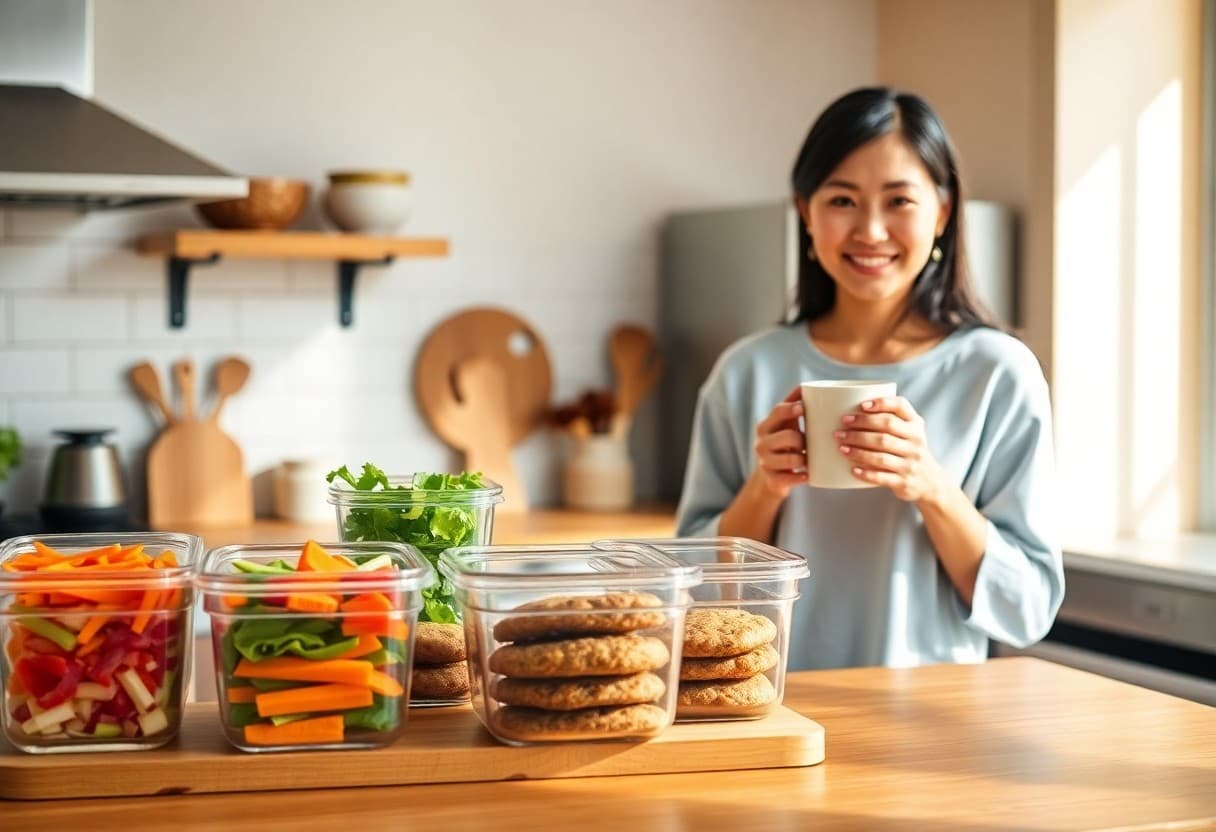
Vegetarian guest hosting recipes you can prep on weekends
Vegetarian guest hosting recipes made easy. Learn how to prep plant-based dishes on weekends, freeze them safely, and master smart ingredient substitutions.
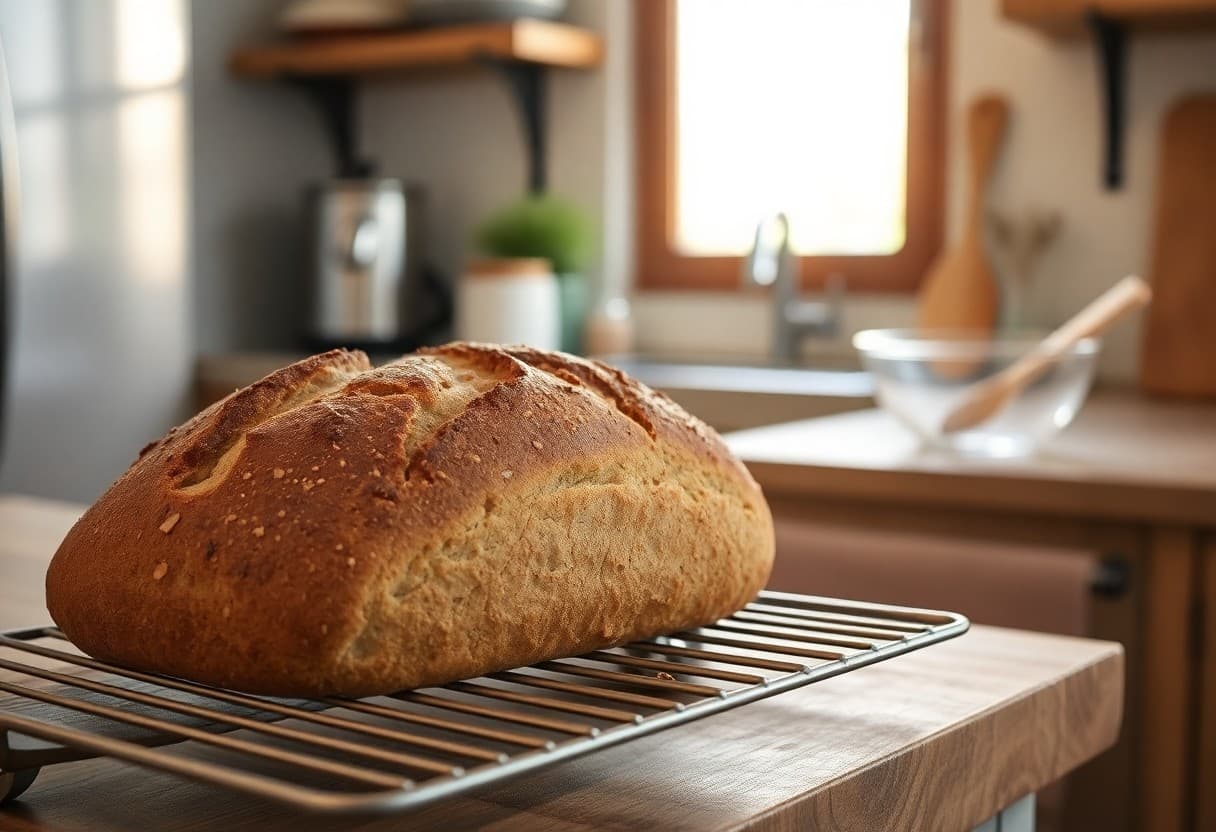
How to Bake Bread in a Small Kitchen with Minimal Cleanup
Learn how to bake homemade bread in a small kitchen with minimal cleanup. This guide covers no-knead methods, diet-friendly tips, and office lunch ideas.