Auto-Camping for Beginners: Gear Budgets and Essential Tips
Key Takeaways
Learn how to start auto-camping in Korea with this detailed guide. We cover gear budgets, site selection, and essential safety tips for new outdoor enthusiasts.
Auto-Camping for Beginners: Gear Budgets and Essential Tips
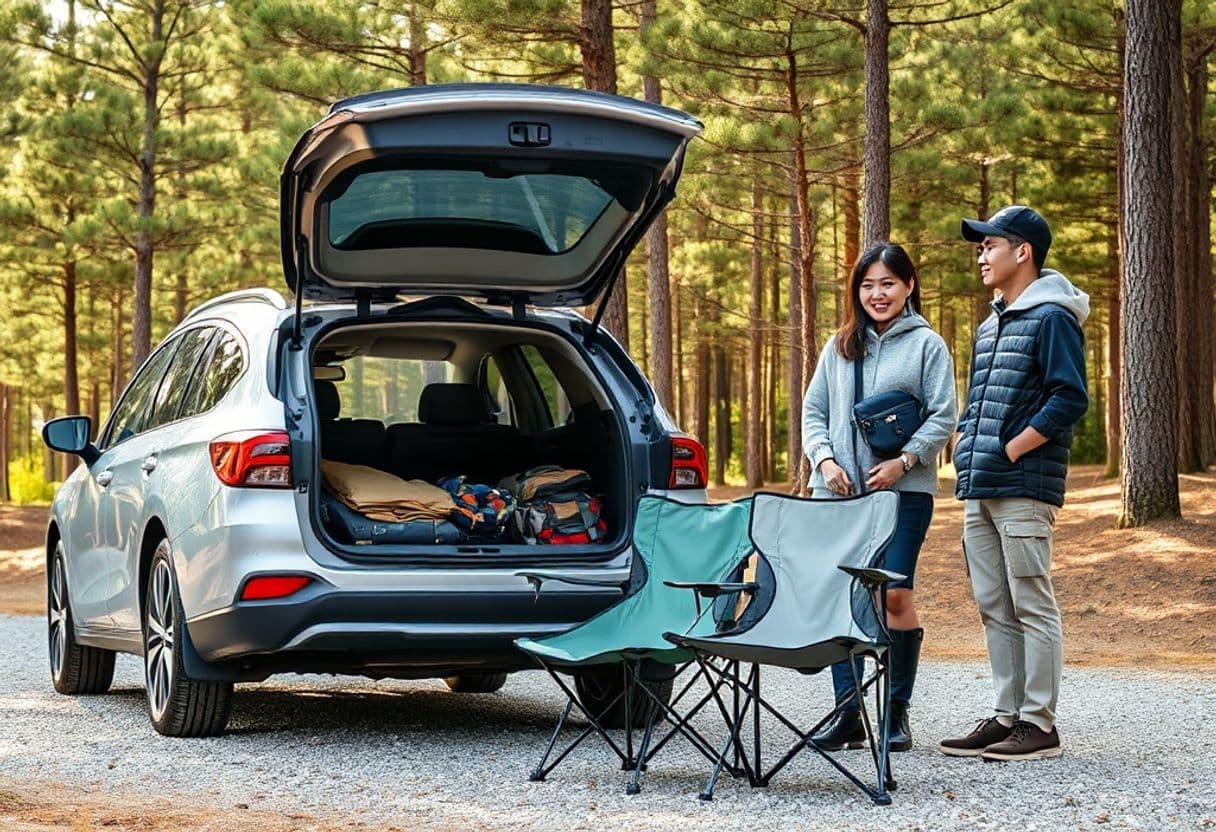
People who view camping as a test of physical endurance and those who see it as a luxury outdoor hotel experience often find themselves at odds when planning their first trip. One group believes that stripping back to the bare essentials is the only way to truly connect with nature, while the other insists that comfort is non-negotiable for a restful weekend. This fundamental difference in perspective usually dictates everything from the gear they purchase to the specific locations they choose to visit. For those of us who have spent decades traveling as a couple, we have learned that the most sustainable way to enjoy the outdoors is to find a middle ground that prioritizes sleep quality and ease of setup over the pursuit of a perfect aesthetic.
What is the realistic budget for a beginner auto-camping setup?
The core answer to starting your auto-camping journey depends on your long-term commitment and comfort requirements. In my experience, most beginners fall into one of three budget tiers. The first tier is the 'Trial Phase,' which costs approximately 300,000 to 500,000 KRW. This involves renting a tent or purchasing entry-level gear from local discount stores to see if the lifestyle suits you. The second tier is the 'Standard Essential' setup, ranging from 1,500,000 to 3,000,000 KRW. This covers a high-quality four-season tent, insulated sleeping mats, and reliable cooking equipment. The third tier is the 'Premium/Overland' setup, which can easily exceed 5,000,000 KRW, focusing on high-end brands, specialized power banks, and vehicle-integrated systems.
For a couple starting out, the Standard Essential tier is usually the most cost-effective in the long run. Investing in a durable polyester or poly-cotton tent ensures you can camp comfortably through spring, summer, and autumn. While the initial cost seems high, it pays for itself after approximately 10 to 15 trips when compared to the cost of mid-range hotel stays. It is important to note that this information is for general planning purposes and does not constitute financial or professional safety advice. Always consult with gear specialists regarding the load-bearing capacity of your vehicle and the safety ratings of heating equipment.
How do I choose the right gear for my first trip?
Choosing gear requires a logical approach based on the environment you will face. According to data from the Korea Forest Service, mountain temperatures can drop by as much as 10 degrees Celsius overnight compared to urban areas, even in the height of summer. Therefore, your sleeping system is the most critical investment you will make.
The Sleeping System
Many beginners make the mistake of focusing on the tent while neglecting what they lie on. A high-quality self-inflating mat or an air mattress with a high R-value (insulation rating) is essential. For example, a mat with an R-value of 3.0 or higher is necessary for late autumn camping to block the cold air rising from the ground. Specifically, I recommend a mat that is at least 5cm to 10cm thick to ensure a good night's rest for those of us who find sleeping on hard ground increasingly difficult.
The Shelter and Living Space
When selecting a tent, consider the 'n+1' rule. If you are traveling as a couple, a tent labeled for 3 or 4 people provides the necessary space for your gear and internal movement. A tunnel-style tent or a large dome tent with a vestibule is ideal for auto-camping because it provides a protected area for cooking and sitting if it begins to rain. In practice, a tent with a water pressure resistance of at least 2,000mm to 3,000mm is required to withstand the sudden downpours common during the peninsula's humid summer months.
Kitchen and Utility Basics
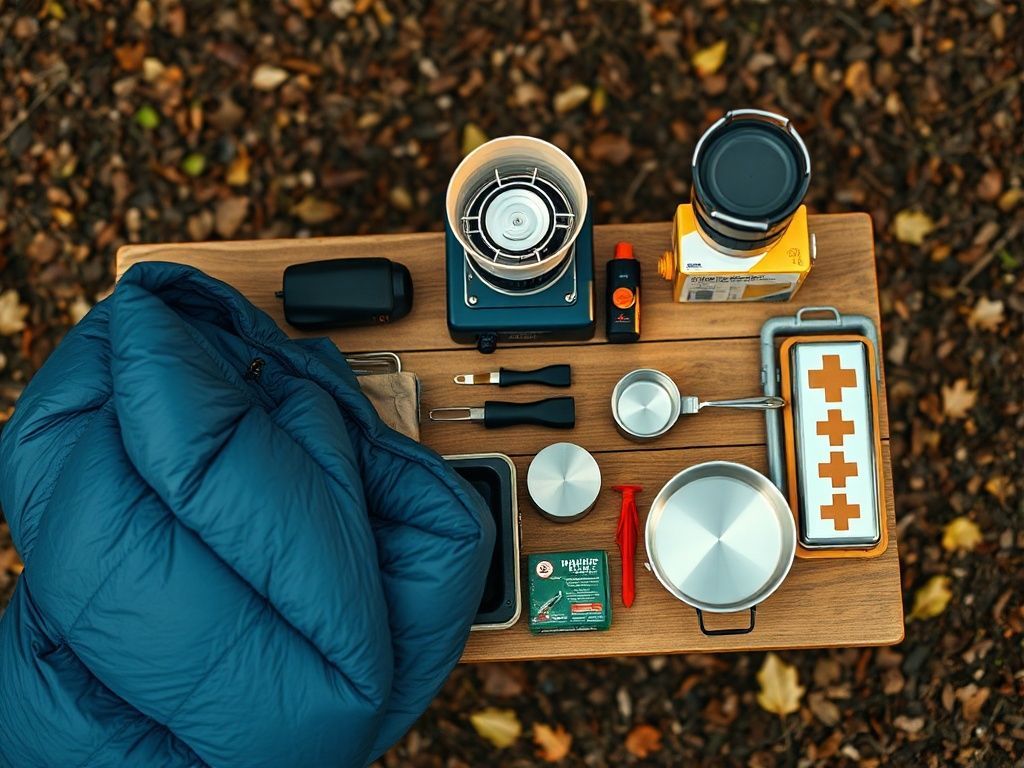
Your kitchen setup should be compact yet functional. A standard portable butane stove is sufficient for most, but ensure you have a wind shield to maintain cooking efficiency. For a two-day trip, a 25L to 40L cooler is usually enough to store perishables. In my experience, using frozen water bottles as ice packs is a dual-purpose strategy; they keep your food cold and provide chilled drinking water as they melt over 24 to 48 hours.
Where should I go for my first auto-camping experience?
Selecting a location is just as important as the gear you carry. For a couple seeking a slower pace and real atmosphere, I recommend avoiding the highly advertised 'Instagrammable' spots which are often crowded and noisy. Instead, look for sites that offer a balance of natural beauty and basic infrastructure.
Recommended Locations and Local Eateries
When planning your route, consider these three distinct types of experiences. Each offers a unique perspective on the local landscape and culinary culture.
- The Mountain Retreat (Gangwon-do Region): This area is perfect for those who enjoy the crisp air of high altitudes. Most sites here are located at 500m to 700m above sea level. I suggest visiting a traditional soft tofu house in a nearby village like Inje for breakfast after you pack up your gear. A meal here typically costs between 10,000 and 15,000 KRW per person and offers a clean, hearty start to your drive home.
- The Coastal Escape (South Coast/Namhae): Camping near the ocean provides a stunning backdrop, though wind management becomes a priority. For lunch on your arrival day, stop at a local coastal market to pick up fresh seafood or seasonal fish. A platter of assorted sashimi for two usually ranges from 40,000 to 60,000 KRW. It is a much more authentic experience than buying pre-packaged food at a supermarket.
- The Lakeside Experience (Chungcheong-do Region): Lakeside camping is often the most tranquil. Near the larger lakes like Chungjuho, you can find small, family-run cafes that specialize in hand-dripped coffee. These spots offer a rough price band of 6,000 to 8,000 KRW per cup. Visiting one of these cafes around 11:00 AM, just before the official check-in time at your campsite, is a great way to transition into the camping mindset.
What are the common pitfalls to avoid?
Even with the best gear, certain mistakes can ruin a trip. Awareness of these common issues will help ensure your first few outings are successful and stress-free.
- Overestimating Site Capacity: Many beginners bring too much furniture. A standard campsite pitch is often 6m by 8m or 8m by 10m. If your tent and car take up most of that space, you will feel cramped. Measure your footprint before you leave.
- Ignoring the Wind: While rain is annoying, wind is dangerous. Always use 30cm to 40cm forged steel stakes rather than the flimsy aluminum ones that come with most tents. In my experience, stakes shorter than 20cm will easily pull out of soft or sandy soil during a gust.
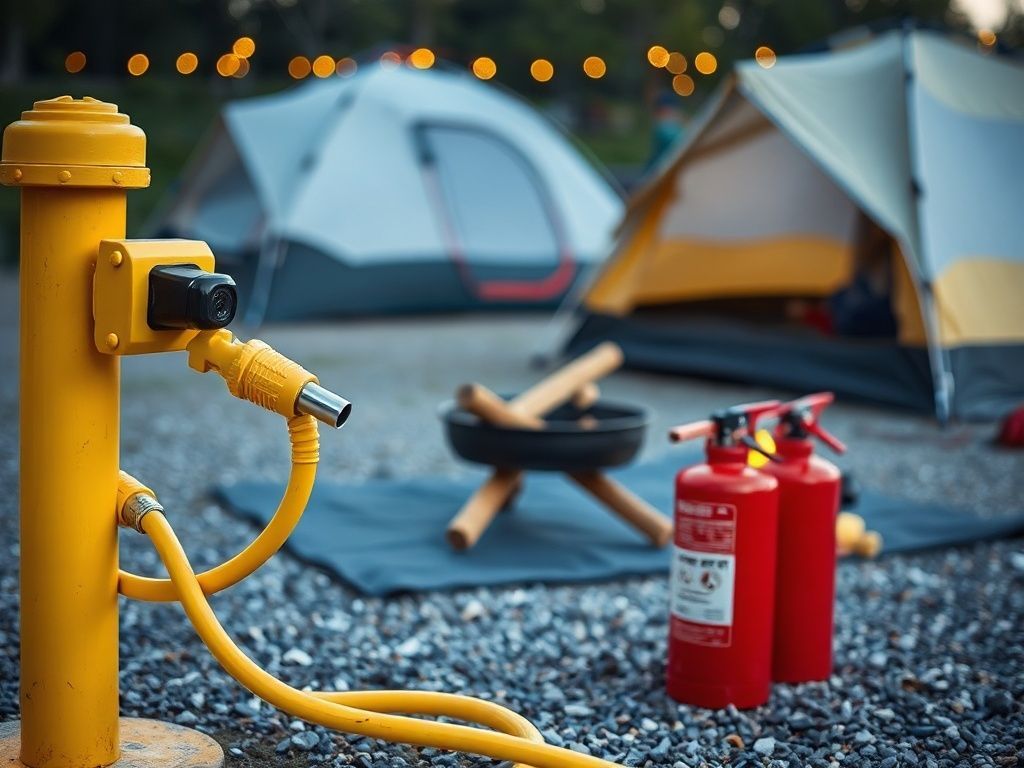
- Poor Power Management: Most managed sites have a 600W limit. If you plug in a high-wattage electric grill or a domestic hair dryer, you will trip the breaker. This not only inconveniences you but can also affect the entire line of campers sharing that circuit.
- Neglecting Manner Time: Most campsites enforce 'Manner Time' starting at 10:00 PM or 11:00 PM. This means no loud music, no bright lights, and keeping voices to a whisper. Respecting this is the most important part of camping etiquette.
- Underestimating Setup Time: For your first few trips, allow at least 2 to 3 hours for setup. Arriving at the site at 2:00 PM ensures you are finished and relaxed before the sun goes down, which is especially important as we get older and prefer not to work in the dark.
Summary and Actionable Steps
Starting your auto-camping journey is a rewarding way to see the country from a different perspective, away from the typical tourist trails. To ensure a smooth transition into this hobby, remember these three key points:
Prioritize your sleeping system (mat and sleeping bag) over the aesthetic of the tent to ensure you actually enjoy the nights spent outdoors.
Stick to a realistic budget by starting with essential, high-quality gear rather than buying cheap items that will need replacing after one season.
Respect the local environment and campsite etiquette, particularly regarding noise levels and waste disposal. As a specific action to take today, I recommend researching a local gear rental shop. Instead of buying everything immediately, book a 'rental package' for a weekend. This allows you to test a specific tent style and see if you truly enjoy the process of setting up and tearing down a camp before committing several million won to your own equipment.
Previous
Managing Food Allergies Abroad: A Safe Travel Guide
Next
Auto-Camping for Beginners: Gear Budgets and Essential Tips
More in Travel

Slow Travel with Pets: A 4N5D Low-Walking Guide to Gangneung and Yangyang
Plan a relaxed 4-night, 5-day pet-friendly trip to Gangneung and Yangyang. Discover low-walking itineraries, budget tips, and safety checklists.
1N2D Couple's Travel: The Ultimate Food Allergy Survival Guide
Plan a safe 1-night, 2-day couple's trip abroad. Learn how to manage food allergies using public transit, prepare emergency cards, and build a backup plan.
Hanok Stays: Easy Transit Solo Travel Guide
Discover charming Korean Hanok stays accessible by public transit. Prioritize pace and ease on your solo or friends' weekend trip, avoiding car dependency.
Sick child during overseas travel: Managing care and costs
Learn how to manage a sick child during overseas travel when peak season bookings are full. Discover emergency alternatives, cost-saving tips, and next steps.