Managing Food Allergies Abroad: A Safe Travel Guide

Key Takeaways
Managing food allergies abroad requires meticulous planning. Learn how to communicate dietary needs, navigate menus, and handle emergencies while traveling.
I remember the time we were in a bustling night market in Bangkok during the humid spring of 2022. My oldest child, who has a life-threatening peanut allergy, was eyeing a tray of mango sticky rice. While the dish itself is traditionally peanut-free, I noticed the vendor using the same spoon to garnish a neighboring bowl of Pad Thai with a heavy handful of crushed nuts. That split-second observation was the difference between a pleasant evening and a frantic rush to a Thai hospital. For a parent who obsesses over itinerary flow and minimizing wait times, a medical emergency is the ultimate disruption. It reinforced a lesson I have carried through every trip since: when you travel with food allergies, your preparation must be as disciplined as your itinerary.
This article provides general information only and is not medical advice, diagnosis, or treatment. Food allergies can be life-threatening. Always consult a qualified healthcare professional or allergist before planning international travel, and ensure you have a personalized emergency action plan.
How Can Pre-Trip Research Minimize Food Allergy Risks?
Preparation is the most critical phase for any backpacker or family traveler managing dietary restrictions. Before you even book your flights, you must understand the culinary landscape of your destination. For example, traveling to Southeast Asia with a peanut allergy presents a different set of challenges than traveling to Italy with a gluten intolerance. In my experience, spending 3–4 hours researching traditional recipes and common 'hidden' ingredients can prevent a week of anxiety.
Start by identifying the 'base' ingredients of your destination's cuisine. In Japan, many dishes use a fish stock called dashi, which may contain soy or wheat. In Mexico, some mole sauces contain dozens of ingredients, including nuts and seeds that aren't visually apparent. Beyond the food itself, research the local healthcare infrastructure. I always locate the nearest 24-hour pharmacy and a hospital with an emergency department within a 15–20 minute radius of our accommodation. This data goes directly into my digital itinerary so that I am never searching for a map in a moment of panic.
Another essential step is understanding local labeling laws. According to the World Health Organization (2022), approximately 10–15% of the population in developed nations suffers from some form of food allergy, leading to varying levels of regulation. The European Union (EU) requires the labeling of 14 major allergens on all pre-packaged foods, including celery, mustard, and lupin, which are less common in North American labeling. In contrast, Japan mandates the labeling of only 7 items, with another 21 recommended but not required. Knowing these nuances allows you to read grocery labels with much higher accuracy.
What Are the Most Effective Ways to Communicate Allergies Abroad?
Verbal communication is often the weakest link in travel safety, especially when language barriers are involved. A common mistake is relying on a simple phrase like 'no nuts,' which can be misinterpreted as 'no whole nuts' while ignoring nut oils or powders. To bridge this gap, I use professionally translated 'chef cards.' These cards should be credit-card sized and printed in both English and the local dialect of your destination.
A high-quality chef card must include three specific elements. First, it should clearly state the name of the allergen in the local language. Second, it should emphasize the severity of the condition, using phrases like 'life-threatening' or 'emergency medical help needed.' Third, it must explicitly mention cross-contamination. For instance, a card in Italian should state that even 'tracce di' (traces of) an allergen are dangerous. I recommend printing at least 5–10 copies of these cards to leave with waitstaff or to replace lost ones during a long backpacking trip.
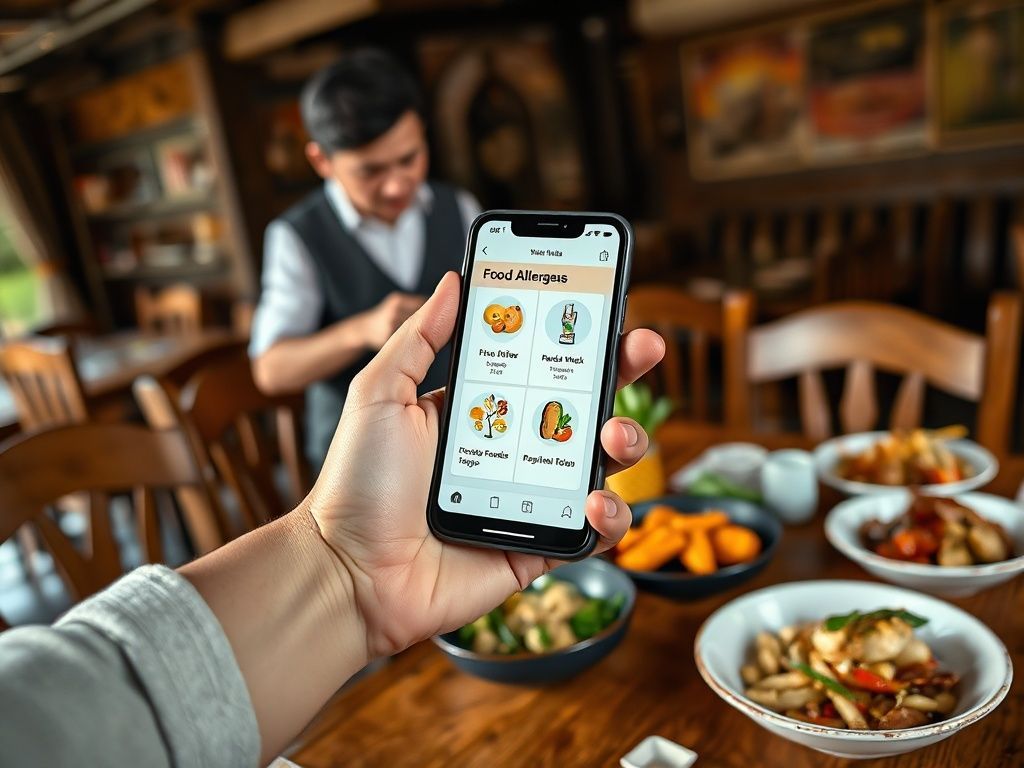
In practice, when I arrive at a restaurant, I present the card immediately before even looking at the menu. I watch the server's reaction. If they take the card to the kitchen to consult with the chef, I feel significantly more confident. If they glance at it and nod dismissively without leaving the table, I usually take that as a sign to leave. For backpackers, using technology like Google Lens can also be a lifesaver. By hovering your phone over a menu or a list of ingredients in a supermarket, you can get a real-time translation that helps you identify high-risk words before you even speak to a human.
How Can Backpackers Safely Navigate Street Food and Hostels?
Backpacking often involves high-risk eating environments like street food stalls and communal hostel kitchens. While these are essential for the budget-conscious traveler, they require a specific protocol. In street food scenarios, the 'high heat' rule is your friend, but it does not eliminate allergen risks. Always choose vendors who prepare food in front of you. This allows you to witness exactly what goes into the pan and, more importantly, what was in the pan before your meal.
In hostels, the risk often comes from shared surfaces and utensils. According to Food Allergy Research & Education (FARE, 2023), approximately 33 million Americans have food allergies, and many encounter cross-contact in shared living spaces. When I stayed in hostels during my younger years, I learned to carry a small, collapsible silicone pot and my own set of lightweight cutlery. This ensures that even if the communal kitchen is a mess, my food never touches a surface contaminated by a previous guest's peanut butter or dairy. Specifically, follow these three steps in a hostel:
- Store your food in a clearly labeled, airtight dry bag rather than loose on the shelf.
- Use a personal sponge for cleaning your dishes, as communal sponges often harbor food particles.
- Cook during 'off-peak' hours (e.g., 4 PM or 9 PM) to avoid the chaos of a crowded kitchen where spills are common. When dining out at established restaurants, I look for places with high turnover and transparent protocols. For example, Vapiano is a global chain often found in major European cities like Berlin or London. Because they use an open-kitchen concept where you speak directly to the cook as they prepare your pasta or pizza, you can monitor the entire process. A typical meal here costs between $15–22, making it a reliable mid-range option that fits easily into a day of sightseeing. Another excellent choice is Dishoom in the UK. They are famous for their comprehensive allergy binders and strict kitchen protocols. A meal there usually ranges from $20–35, and their staff are trained to handle dietary restrictions with extreme care. For a budget-friendly option, Maoz Vegetarian (found in cities like Amsterdam and Barcelona) offers a self-service salad bar where ingredients are clearly separated and labeled, typically costing $10–15.
What Medical Essentials Must Be in Your Travel Kit?
Your medical kit is your final line of defense. For anyone with a history of anaphylaxis, carrying two epinephrine auto-injectors is the absolute minimum requirement. A 2019 study estimated that approximately 200,000 emergency room visits in the U.S. annually are due to food-related allergic reactions, and a significant portion of fatalities occur because epinephrine was either not administered or was administered too late.
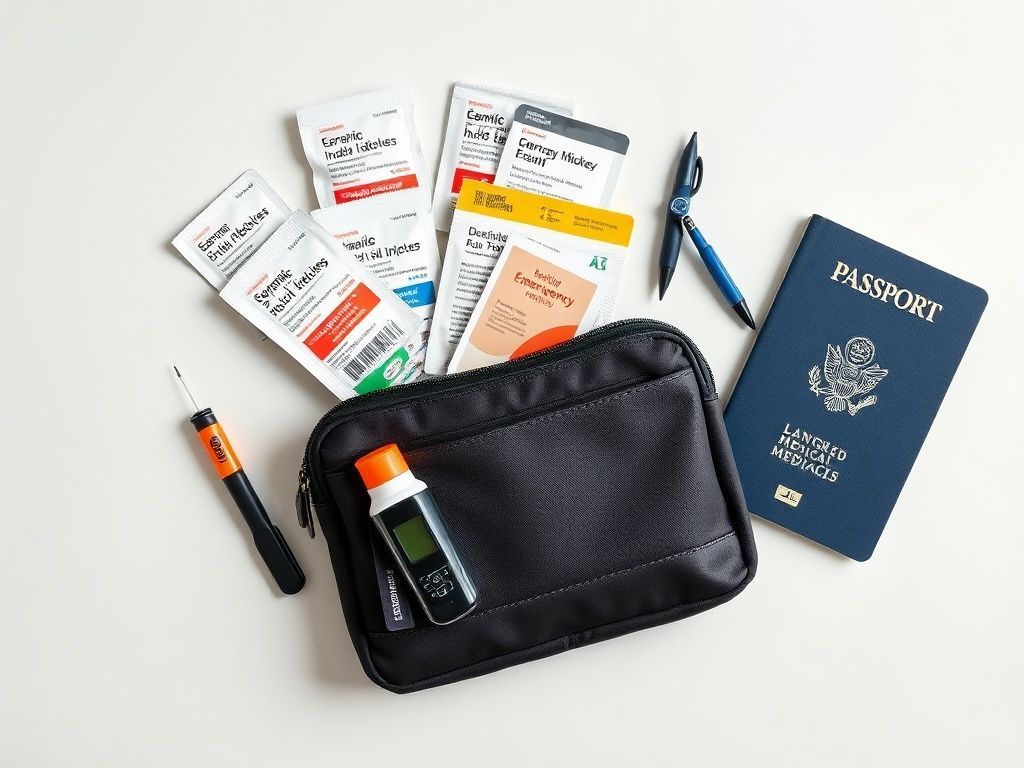
In my travel kit, I keep the following items in a bright red, waterproof pouch that stays in my daypack at all times:
Two epinephrine auto-injectors (checked for expiration dates 2 months before travel).
A high-dose antihistamine (like diphenhydramine or cetirizine) for mild reactions.
A copy of my emergency action plan signed by a physician.
A list of local emergency numbers (e.g., 112 in the EU, 999 in the UK).
Sterilized alcohol wipes and a small supply of prednisone if prescribed by a doctor. Warning: Never store your epinephrine in the airplane's checked luggage. The cargo hold can reach temperatures that degrade the medication, and you need immediate access to it if a reaction occurs during the flight. Furthermore, be wary of extreme heat when traveling in tropical climates. Use an insulated medication pouch to keep your injectors at room temperature (approximately 20–25 degrees Celsius).
How Do Seasonal Ingredients Affect Food Allergy Risks?
Seasonality plays a major role in food safety that many travelers overlook. Search trends often highlight seasonal guidance for a reason; ingredients change based on local harvests and cultural festivals. For instance, during the spring, travelers with birch pollen allergies may experience 'Pollen Food Allergy Syndrome,' where eating raw fruits like apples or peaches causes an itchy mouth. This cross-reactivity can be confusing when you are in a foreign country and may be mistaken for a more severe reaction.
During the autumn and winter months, holiday markets in Europe are a primary source of hidden allergens. Traditional treats like gingerbread (Lebkuchen) or marzipan are staples, meaning nuts and wheat are present on almost every surface. Mulled wine (Glühwein) can also contain hidden ingredients like almond slivers or specific spices that may trigger sensitivities. In practice, this means you must be even more cautious during festive seasons. Specifically, always ask about 'seasonal specials' as these dishes may not be listed in the standard allergy binder that the restaurant uses year-round.
What Is the Proper Protocol for an Emergency Reaction Overseas?
If the worst happens and a reaction begins, you must act within a 15-minute window to administer epinephrine if symptoms are severe (such as difficulty breathing or swelling of the tongue). The 'wait and see' approach is the most dangerous mistake a traveler can make. I have a rule in my family: if we even suspect anaphylaxis, we use the injector immediately. It is better to have an unnecessary dose of epinephrine than to wait until the airway is closed.
Once the medication is administered, the next step is to call local emergency services. Even if the symptoms seem to subside, a 'biphasic reaction' can occur, where a second wave of symptoms appears 2–4 hours later. In a foreign country, this means you must be transported to a hospital for observation. This is where your pre-trip research on hospital locations becomes invaluable. Ensure you have your travel insurance details and your medical history ready for the attending physicians.
Warning: Do not assume that 'no gluten' labels in all countries mean the food is safe for those with Celiac disease. In some regions, 'no gluten' may simply mean 'low wheat,' which can still cause a severe reaction in sensitive individuals. Always verify the standard of labeling with a local source or a dedicated allergy association.
Summary and Action Plan
Traveling with food allergies requires a shift in mindset from 'spontaneous explorer' to 'meticulous planner.' By understanding the local cuisine, using translated communication tools, and maintaining a robust medical kit, you can enjoy the world without compromising your safety.
Key takeaways from this guide include:
- Researching destination-specific ingredients and local labeling laws 2–3 months in advance.
- Using written, professionally translated chef cards to communicate with kitchen staff.
- Maintaining a dedicated emergency kit with at least two epinephrine injectors that never leave your person. One specific action you can take today: Download a translation app and translate your primary allergen into the languages of the next three countries on your bucket list. Print them out and place them in your passport holder so they are ready the moment you start your next journey.
Previous
A cramped flight to Jeju with a toddler and a nervous Maltese
Next
Managing Food Allergies Abroad: A Safe Travel Guide
More in Travel

Slow Travel with Pets: A 4N5D Low-Walking Guide to Gangneung and Yangyang
Plan a relaxed 4-night, 5-day pet-friendly trip to Gangneung and Yangyang. Discover low-walking itineraries, budget tips, and safety checklists.
1N2D Couple's Travel: The Ultimate Food Allergy Survival Guide
Plan a safe 1-night, 2-day couple's trip abroad. Learn how to manage food allergies using public transit, prepare emergency cards, and build a backup plan.

Hanok Stays: Easy Transit Solo Travel Guide
Discover charming Korean Hanok stays accessible by public transit. Prioritize pace and ease on your solo or friends' weekend trip, avoiding car dependency.
Sick child during overseas travel: Managing care and costs
Learn how to manage a sick child during overseas travel when peak season bookings are full. Discover emergency alternatives, cost-saving tips, and next steps.