Teaching Kids Table Manners: A Parent's Guide
Key Takeaways
Discover effective strategies to teach your children good table manners. This comprehensive guide covers preparation, step-by-step processes, and helpful tips for parents.
Teaching Kids Table Manners: A Parent's Guide
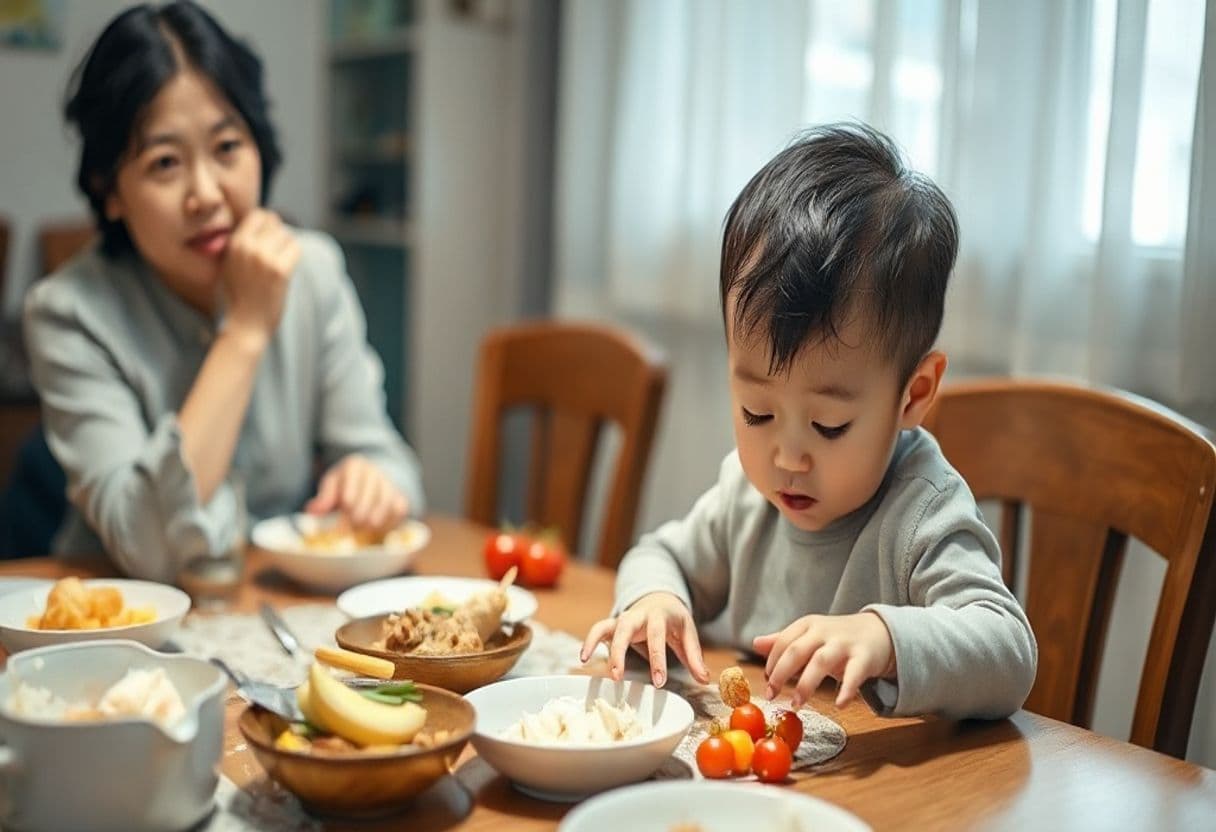
Have you ever found yourself cringing as your child shovels food into their mouth with their hands, or worse, throws it across the room during a family meal?
Establishing good eating habits and manners is a cornerstone of childhood development, setting a foundation for social interactions that lasts a lifetime. It's about more than just polite behavior; it's about respect for others, an appreciation for food, and creating a harmonious family environment. As a parent navigating the often-turbulent waters of raising three children, each with their own distinct personality and learning style, I've learned that consistency, patience, and a good dose of practical strategies are essential. This guide is born from those direct experiences, offering a comprehensive approach to teaching children how to conduct themselves gracefully at the dinner table.
This article provides general information only on teaching children table manners. It is not a substitute for professional advice, and readers are encouraged to consult with childcare experts or educators for personalized guidance.
What You Need Before You Start
Before diving into teaching specific etiquette, it's crucial to set the stage for success. This involves preparing your environment, your mindset, and having the right tools (which are often simpler than you think).
The Right Mindset for Parents
As a parent, your attitude towards mealtimes significantly influences your child's. If you approach it with stress and frustration, your child will pick up on that energy. Instead, aim for a calm, positive, and patient demeanor. Remember that learning takes time and repetition; what doesn't click today might be mastered tomorrow. It’s also vital to understand that every child is different. What works for one of my three might be a complete flop with another. Tailoring your approach to your child's temperament is key. Avoid comparing your child’s progress to others, and celebrate small victories.
Creating a Conducive Environment
The physical space where you eat plays a significant role. A dedicated dining area, even if it's just a corner of the kitchen, signals that this is a special time for family connection. Minimize distractions during meals. This means turning off the television, putting away phones, and avoiding conversations about stressful topics. A calm and focused atmosphere allows children to concentrate on the meal and the social aspect of eating together. Consider the seating arrangement: ensure everyone has a comfortable spot and that children can reach their plates and utensils easily. For younger children, a sturdy high chair or booster seat is essential.
Essential Tools and Materials
While you don't need elaborate gadgets, a few items can make the learning process smoother:
- Child-sized utensils: Lightweight, easy-to-grip forks and spoons help little hands manage their food more effectively.
- A good placemat: This defines their eating space and helps contain spills, making cleanup easier. Washable or wipeable materials are ideal.
- Napkins: Cloth napkins are excellent for teaching a more formal touch, but paper napkins are perfectly acceptable, especially for younger children.
- A pitcher for water/milk: This allows children to practice pouring (with supervision) and signals a more formal meal setting.
- A small bin for scraps: Teaching children to scrape excess food into a designated bin rather than onto their plate or the floor is a practical step. Common Failure Point: Expecting perfection from the outset. Children are learning, and messes are part of the process. Getting overly frustrated about spills or dropped utensils can create anxiety around mealtimes and hinder learning.
The Step-by-Step Process of Teaching Manners
Teaching table manners is not a one-time event but an ongoing process. It involves breaking down complex behaviors into manageable steps and reinforcing them consistently.
Step 1: Mastering the Basics (Ages 2-4)
This stage focuses on foundational behaviors that create a safe and pleasant dining experience.
Sitting at the Table: Encourage your child to stay seated for the duration of the meal. Start with shorter meal times and gradually increase the duration as they get older. For example, aim for 15-20 minutes initially.
Waiting for Food: Teach them to wait for their food to be served before starting. This builds patience and respect for the meal preparation process.
Asking to Leave: Before they can get up from the table, they must ask permission. This introduces the concept of seeking approval and respecting the group's time.
Using Utensils (Beginning): Introduce a fork and spoon. Focus on holding them correctly and bringing food to their mouth, even if it’s messy. For example, demonstrate holding the spoon with their fist initially, then guide them towards a more refined grip.
No Eating with Hands (Mostly): Establish that most foods should be eaten with utensils. Exceptions can be made for certain items like bread or fruit slices, but this should be clearly communicated. Common Failure Point: Inconsistency. If you sometimes allow them to wander off or eat with their hands without comment, they will become confused about the expectations.
Step 2: Introducing Politeness and Consideration (Ages 4-7)
As children gain more control and understanding, you can introduce more nuanced social graces.
Saying 'Please' and 'Thank You': This is a crucial step. Model these phrases yourself and gently prompt your child when they forget. For instance, when serving them, say, 'Here is your chicken, please eat it,' and when they receive it, prompt, 'What do you say?'
Asking for Food to Be Passed: Teach them to ask politely for food to be passed to them, rather than reaching across the table or grabbing. 'Could you please pass the peas?' is a good example.
Chewing with Mouth Closed: This is a significant step towards more refined dining. Practice this by demonstrating yourself and reminding them gently. You can say, 'Remember to chew with your mouth closed so we don't see your food.'
Not Talking with Food in Mouth: Reinforce the 'chewing with mouth closed' rule. If they start talking with food, a gentle reminder like, 'Swallow first, then talk,' is effective.
Using Napkins: Teach them to use their napkin to wipe their mouth before and after drinking, and if they get something on their face. For example, 'Let's use our napkins to wipe our mouths.' Common Failure Point: Overcorrection. Nagging or shaming a child about these behaviors can be counterproductive. Keep reminders brief and positive.
Step 3: Refining Skills and Social Awareness (Ages 7+)
Older children can grasp more complex etiquette and understand the 'why' behind the rules.
Table Conversation Etiquette: Guide them on appropriate conversation topics. Encourage them to listen when others speak and to avoid interrupting. This involves teaching them about taking turns in conversation, much like they take turns with games.
Proper Utensil Use: Ensure they are using their utensils correctly for different types of food (e.g., using a knife and fork for cutting). A common example is showing how to hold the fork and knife together when cutting meat.
Mindful Eating: Encourage them to pay attention to their food, appreciate its taste, and eat at a moderate pace. Avoid rushing through meals.
Responding to Compliments and Criticisms: Teach them gracious ways to accept compliments on their behavior and how to respond if a dish isn't to their liking (e.g., 'Thank you, it's very interesting,' rather than outright rejection).
Clearing Their Own Plate: At this stage, they should be able to clear their own plate to a designated spot after the meal, demonstrating responsibility. Common Failure Point: Assuming they already know. Even older children benefit from occasional refreshers and positive reinforcement of good manners.
How to Know if It Worked: Recognizing Success
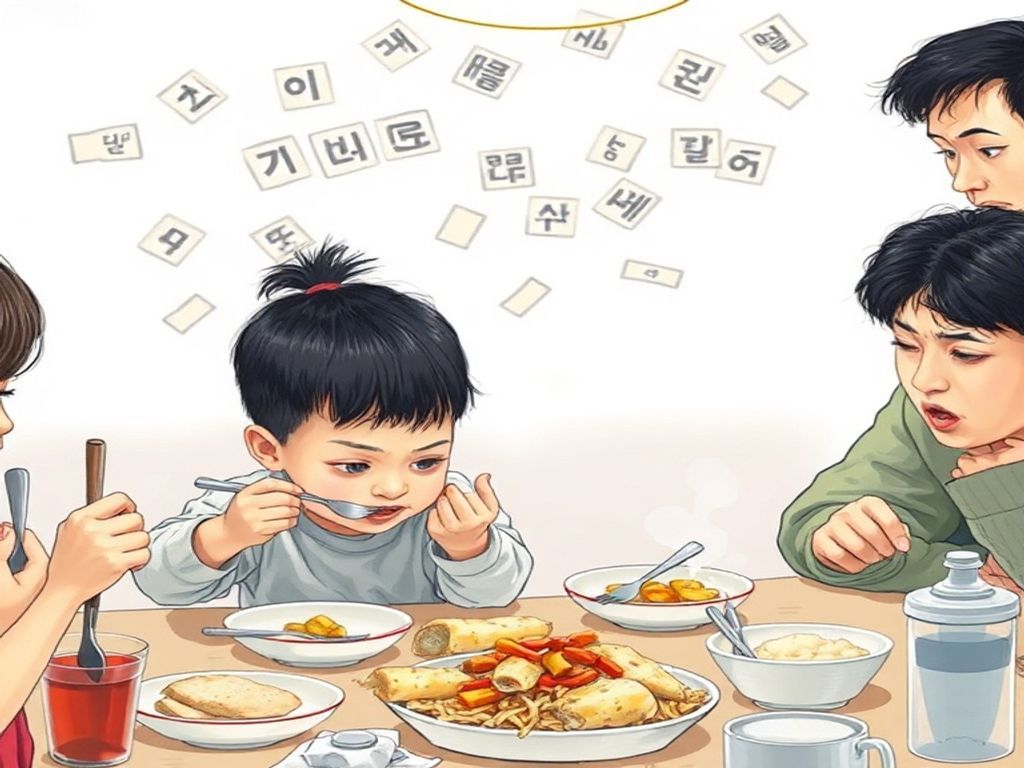
Success in teaching table manners isn't about achieving perfect etiquette overnight. It's about observing consistent effort, gradual improvement, and a positive shift in behavior over time. Here’s what you can look for:
- Reduced frequency of prompting: You find yourself reminding them less often about basic manners.
- Initiative in polite requests: They start asking for things to be passed or saying 'please' and 'thank you' without being prompted.
- Improved utensil use: They are more adept at using their fork and spoon, with fewer spills and dropped items.
- Engagement in conversation: They participate more comfortably and appropriately in family discussions during meals.
- Respect for mealtime rules: They generally stay seated, chew with their mouths closed, and listen when others speak.
- Positive attitude towards meals: Mealtimes become less of a battleground and more of a pleasant family gathering. In my experience, seeing one of my children automatically say 'thank you' to their sibling for passing the bread, or watching them quietly wait for everyone to be served before they start eating, are clear indicators of success. These small, spontaneous acts of politeness speak volumes.
Tips to Improve and Maintain Good Manners
Even when you see progress, maintaining and further refining table manners requires ongoing attention. Here are some strategies that have proven effective in my family:
Lead by Example (Always): Children are sponges. They will mimic your behavior more than they follow your instructions. Ensure your own table manners are impeccable. From how you hold your fork to how you engage in conversation, be the model you want them to follow. This is non-negotiable.
Make it a Family Affair: Don't just focus on the children. Have a family meeting where everyone discusses expectations and agrees on a few key manners to focus on each week. This fosters a sense of shared responsibility.
Positive Reinforcement is Powerful: When you see good behavior, acknowledge it! A simple 'Thank you for chewing with your mouth closed, that's excellent!' or a smile and nod can go a long way. Specific praise is more effective than general compliments. For example, instead of 'Good job,' try 'I noticed you waited patiently for everyone to be served, I appreciate that.'
Gentle Correction, Not Criticism: When mistakes happen, correct them calmly and privately if possible. Avoid embarrassing them in front of others. For instance, if your child slurps their soup, a quiet whisper, 'Remember to sip gently,' is better than a loud reprimand.
Practice Makes Perfect (and Fun): Role-playing different mealtime scenarios can be a fun way to practice. You can even have 'practice dinners' where you intentionally focus on one or two manners. For example, dedicate one meal to practicing asking for food to be passed.
Connect Manners to Respect: Explain to your children that good manners are about showing respect for the food, the person who prepared it, and the people they are eating with. This helps them understand the underlying value, making the rules more meaningful than just arbitrary commands.
Be Patient and Persistent: There will be setbacks. Children will have off days, especially when they are tired or upset. Acknowledge the slip-up without dwelling on it, and gently guide them back to the expected behavior. Consistency over time is the most important factor. Aim for progress, not immediate perfection. Common Mistake: Giving up too soon. It takes months, even years, for manners to become ingrained. Persistence is key. A Note on High-Sensitivity Topics: This article offers general information on teaching children table manners. It is not intended as medical, dietary, or behavioral diagnosis or treatment advice. For specific concerns regarding a child's eating habits, behavior, or development, please consult with a qualified pediatrician, child psychologist, or registered dietitian. Professional guidance is essential for addressing individual needs and ensuring a child's well-being.
Conclusion
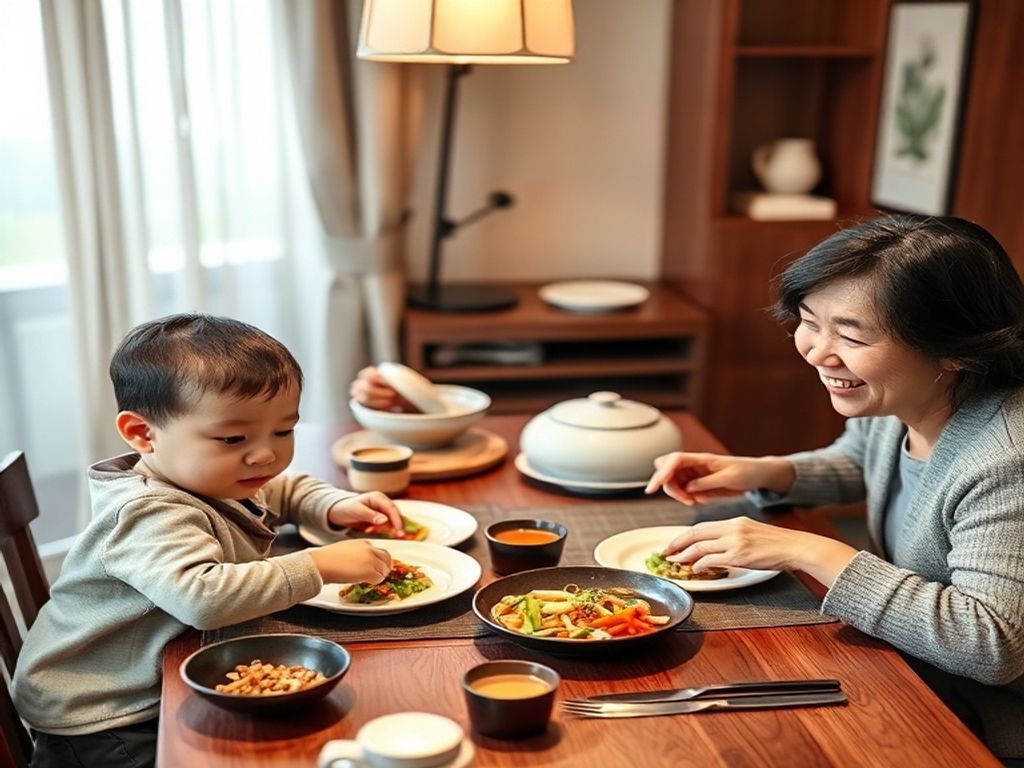
Teaching children table manners is a journey, not a destination. It’s about cultivating respect, consideration, and a positive relationship with food and family. By focusing on consistency, positive reinforcement, and leading by example, you can help your children develop habits that will serve them well throughout their lives.
Key Takeaways:
Start Early and Be Consistent: Introduce basic manners from a young age and reinforce them consistently across all mealtimes.
Positive Reinforcement Over Punishment: Focus on praising good behavior and offering gentle, constructive corrections for mistakes.
Model the Behavior You Want to See: Your own actions at the table are the most powerful teaching tool you possess. Your Action Step Today: Choose one specific manner you want to reinforce this week. It could be saying 'please' and 'thank you' before receiving food, or ensuring everyone waits for their plate before starting. Make a conscious effort to model and gently prompt this behavior at every meal.
Previous
Infant Development Checklist: Your Guide to Baby's First Year
Next
Teaching Kids Table Manners: A Parent's Guide
More in Parenting
A Working Parent's Guide to Children's Eye Care: Protecting Your Firstborn's Vision
A practical guide for busy working parents on protecting their firstborn's vision. Learn how to spot early warning signs, set up healthy home lighting, and build simple routines.
Is It Puberty Rebellion or Teen Anxiety? A 2-Week Guide for Exhausted Parents
Unsure if your teenager is going through normal puberty or experiencing deep emotional anxiety? Discover the 2-week observation method and a daily 5-minute checklist.

Childhood Hives Causes and Management for School-Aged Kids
Childhood hives can be triggered by stress, temperature, or infection. Learn how to manage triggers and decide when your child is ready for school or daycare.
Side Dish Refusal in Toddlers: Strategies for Multi-Child Homes
Learn why children refuse side dishes after a second baby arrives and how to manage picky eating with age-specific strategies and consistent mealtime routines.