Children's Eyesight: Practical Tips for Busy Parents

Key Takeaways
Worried about your child's eyesight? Get practical, real-world advice for busy parents on protecting kids' vision, from screen time to outdoor play. General info only – consult a professional.
Children's Eyesight: Practical Tips for Busy Parents
If you're dealing with the constant juggle of work, childcare, and all the demands of modern family life, the idea of adding 'meticulous children's eyesight management' to your to-do list can feel overwhelming. As a working mom of two – a 4-year-old and a 7-year-old – I know the struggle is real. We're often just trying to get through the day, making the best choices we can without the luxury of endless time or resources. When it comes to our kids' vision, it's easy to worry, especially with so much screen time becoming an undeniable part of their world. But the good news is that practical, actionable steps can make a real difference without requiring perfection. It's about consistency, not constant vigilance.
Please note: The information provided in this article is for general knowledge and informational purposes only, and does not constitute medical advice. It is essential to consult a qualified healthcare professional, such as a pediatrician or ophthalmologist, for any health concerns or before making any decisions related to your child's vision or medical care.
How Can I Actively Protect My Child's Eyesight?
The core of protecting your child's eyesight boils down to a few key areas: regular professional eye exams, balancing screen time with ample outdoor play, and supporting overall eye health through good habits and nutrition. Forget the guilt trips; these are practical strategies you can integrate into a busy schedule.
From my experience, the biggest impact comes from these three pillars:
- Prioritize Outdoor Time: Aim for at least 90–120 minutes of outdoor play daily. Natural light and focusing on distant objects are crucial for eye development and can help reduce the risk of myopia (nearsightedness). Even if it's just a brisk walk to the park after work or playing in the backyard for an hour, make it a non-negotiable part of the day.
- Smart Screen Time Management: It's not about eliminating screens entirely (let's be real, that's often impossible for working parents), but about setting boundaries and practicing the '20-20-20 rule.' For every 20 minutes spent looking at a screen, take a 20-second break to look at something 20 feet away. This helps reduce eye strain and fatigue.
- Schedule Regular Eye Exams: Don't wait until there's a problem. A child's eyes develop rapidly, and early detection of issues is vital. The American Optometric Association (AOA) recommends a child's first comprehensive eye exam at 6 months, another at age 3, and then annually once they start school, or as recommended by their eye care professional. These foundational steps are surprisingly effective and, once you get into a rhythm, become just another part of your family's routine.
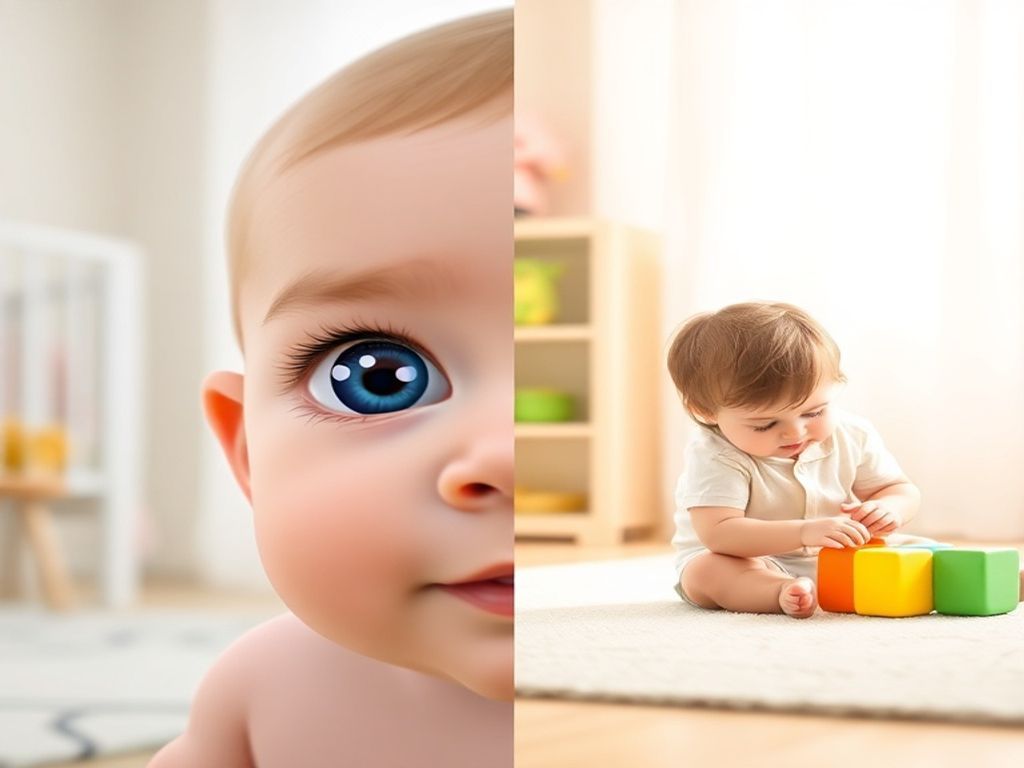
Diving Deeper: Practical Strategies for Vision Health
Let's break down each of these areas with more detail and actionable tips that fit into a busy life. When my kids were younger, especially when my eldest was 4 and my youngest was still waking me up at 2 AM, I needed advice that wasn't overly complicated or demanding. This is that kind of advice.
Why is Outdoor Play So Important for Young Eyes?
It might sound simple, but getting outside is one of the most powerful tools we have for our children's vision. Studies consistently show a strong link between time spent outdoors and a reduced risk of developing myopia. For instance, research published in Ophthalmology (2012) suggested that each additional hour of outdoor time per week could reduce the risk of myopia by 2%. It's not just about the distance viewing; the natural light exposure plays a significant role in eye development.
- Natural Light Exposure: Sunlight helps regulate dopamine release in the retina, which is thought to prevent the eye from growing too long (a common cause of nearsightedness).
- Distance Vision Practice: Unlike indoor environments where everything is relatively close, outdoors provides endless opportunities for the eyes to focus on objects far away, strengthening their ability to adjust.
- Reduced Eye Strain: Being outdoors naturally encourages kids to look around, shifting their focus and giving their eyes a break from sustained close-up work. Concrete Example: Instead of just sending them outside, try to make it an activity. My 7-year-old loves scavenger hunts, even in our small backyard. I'll give her a list of 5-7 things to find (a specific leaf, a smooth rock, a feather), which makes her actively scan her surroundings and focus on different distances. For my 4-year-old, it's often just about running around and pointing out birds or clouds, but it's still active visual engagement.
Navigating the Screen Time Maze
Let's be honest: screens are a lifeline for many working parents. They offer moments of peace, educational content, and a way for kids to connect. The goal isn't to ban them, but to manage them smartly to minimize potential negative impacts on eyesight. The American Academy of Pediatrics (AAP) recommends varying screen time limits based on age, generally advising less for younger children and more structured limits for older ones.
Here are a few strategies I've found helpful:
Implement the 20-20-20 Rule: This is easy to remember and surprisingly effective. Every 20 minutes, encourage your child to look away from the screen for 20 seconds at something at least 20 feet away. We use a simple timer for this, or I'll just call out, 'Time for an eye break!'
Set Clear Time Limits: My 7-year-old gets 60 minutes of tablet time on weekdays and slightly more on weekends, often split into two 30-minute sessions. My 4-year-old gets even less, usually 20-30 minutes for a specific show. Consistency is key here; once the timer goes off, the screen goes away.
Encourage Good Posture and Distance: Make sure they're not hunched over a tiny screen. Tablets should be held at least 16–18 inches from their eyes. Desktops should be at arm's length, with the top of the monitor at or slightly below eye level.
Prioritize Quality Content: Opt for educational apps or shows that encourage interaction rather than passive viewing. This can sometimes make the screen time feel more engaging and less 'staring into space.'
Avoid Screens Before Bedtime: The blue light emitted by screens can interfere with sleep patterns, which in turn can impact overall health, including eye health due to fatigue. We stop all screen use at least 60 minutes before bedtime. Warning: One common mistake is assuming that educational apps are 'free passes' from screen time limits. While beneficial, they still require close-up focus and emit blue light. Treat all screen time similarly when it comes to breaks and duration.
The Role of Nutrition in Eye Health
While good nutrition can't prevent all eye problems, a diet rich in certain vitamins and nutrients can support overall eye health and development. Think of it as foundational support for healthy eyes.
Key nutrients for eye health include:
- Vitamin A: Crucial for good vision, especially in low light. Found in carrots, sweet potatoes, spinach, and kale.
- Vitamin C: An antioxidant that can help protect against damage. Abundant in citrus fruits, bell peppers, and broccoli.
- Vitamin E: Another powerful antioxidant. Found in nuts, seeds, and leafy green vegetables.
- Omega-3 Fatty Acids: Important for retinal health and can help prevent dry eyes. Rich sources include fatty fish like salmon, chia seeds, and walnuts.
- Zinc: Helps transport Vitamin A from the liver to the retina to produce melanin, a protective pigment. Found in beans, nuts, and red meat. Concrete Example: Getting kids to eat a perfect diet is a battle I often lose. Instead of aiming for perfection, I focus on small, consistent additions. For instance, I'll sneak a handful of spinach into a fruit smoothie for breakfast, or add finely grated carrots to pasta sauce. We also aim for fatty fish like salmon once a week and make sure berries are readily available for snacks. It's about cumulative effect, not single perfect meals.
The Crucial Role of Professional Eye Exams
This is perhaps the most critical, yet often overlooked, aspect of children's vision care. School vision screenings are a good start, but they are not a substitute for a comprehensive eye exam by an optometrist or ophthalmologist. A school screening primarily checks for basic visual acuity (how well a child can see from a distance). It often misses issues like astigmatism, farsightedness, eye teaming problems, or early signs of other eye conditions.
During a professional eye exam, a specialist will:
- Check Visual Acuity: Test how well your child sees at various distances.
- Assess Refractive Errors: Determine if your child has nearsightedness, farsightedness, or astigmatism.
- Evaluate Eye Alignment and Movement: Look for strabismus (crossed eyes) or amblyopia (lazy eye), which can have significant long-term impacts if not treated early.
- Examine Eye Health: Use specialized tools to look inside the eye for any signs of disease or abnormalities.
- Test Depth Perception and Color Vision: Provide a comprehensive picture of visual function. Warning: Don't assume your child will tell you if something is wrong with their vision. Many children don't realize that what they're seeing isn't 'normal' because they've never experienced anything else. My 7-year-old, for example, is very articulate, but she wouldn't necessarily know if her vision was blurry unless it was drastically so. That's why proactive exams are so important.
Common Pitfalls and Things to Watch For
As busy parents, we're doing our best, but it's easy to fall into certain traps when it comes to vision care:
- Relying Solely on School Screenings: As mentioned, these are helpful but limited. Schedule a full professional exam at the recommended intervals.
- Ignoring Family History: If you or your partner have significant vision problems, especially myopia that developed in childhood, your child is at a higher risk. Mention this to your eye care professional.
- Overlooking Environmental Factors: Poor lighting when reading or doing close-up work can contribute to eye strain. Ensure your child has adequate, non-glare lighting for tasks.
- Not Encouraging Breaks: It's not just screen time; any sustained close-up activity, like reading or drawing, benefits from regular eye breaks. Teach them to look up and around every 15–20 minutes. I remember one particularly rough patch when my 4-year-old was having trouble focusing during story time. I initially thought it was just typical toddler attention span. After her 3-year check-up, the optometrist confirmed a mild farsightedness. It wasn't severe enough for glasses immediately, but knowing about it allowed us to adjust her reading distance and encourage more outdoor play. It was a good reminder that sometimes, what looks like a behavior issue is actually a physical one.
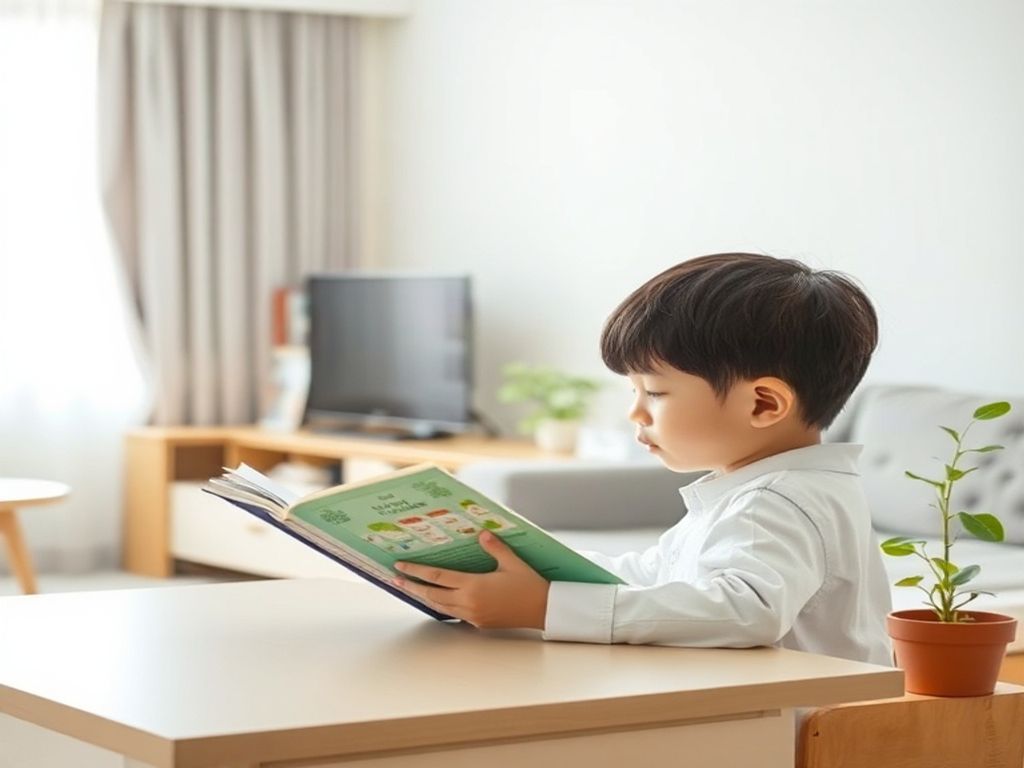
Conclusion
Managing your children's eyesight doesn't have to be another source of parental stress. By focusing on a few key, consistent practices, you can make a significant positive impact on their vision health. Remember these three takeaways:
Prioritize time outdoors for at least 90–120 minutes daily, embracing natural light and distance viewing.
Manage screen time smartly by setting clear limits and implementing the 20-20-20 rule to prevent eye strain.
Schedule regular, comprehensive eye exams with a professional, as school screenings are not enough to catch all potential issues. It's about finding practical ways to integrate these habits into your already busy life, rather than striving for an unattainable ideal. Today, make a tangible step towards better eye health for your child: schedule their next comprehensive eye exam if they haven't had one in the last year, or if they're due for their 6-month or 3-year check-up. Your child's eyes are precious, and consistent care can help them see the world clearly for years to come.
Previous
Preventing Child Safety Accidents: Navigating Teen Risks at Home
Next
Children's Eyesight: Practical Tips for Busy Parents
More in Parenting
A Working Parent's Guide to Children's Eye Care: Protecting Your Firstborn's Vision
A practical guide for busy working parents on protecting their firstborn's vision. Learn how to spot early warning signs, set up healthy home lighting, and build simple routines.

Is It Puberty Rebellion or Teen Anxiety? A 2-Week Guide for Exhausted Parents
Unsure if your teenager is going through normal puberty or experiencing deep emotional anxiety? Discover the 2-week observation method and a daily 5-minute checklist.
Childhood Hives Causes and Management for School-Aged Kids
Childhood hives can be triggered by stress, temperature, or infection. Learn how to manage triggers and decide when your child is ready for school or daycare.
Side Dish Refusal in Toddlers: Strategies for Multi-Child Homes
Learn why children refuse side dishes after a second baby arrives and how to manage picky eating with age-specific strategies and consistent mealtime routines.