Elementary school supplies checklist for new parents: Timeline and tips
Key Takeaways
Prepare for your child's first day with this comprehensive guide to elementary school supplies. Learn what to buy, what to avoid, and how to manage the budget.
Elementary school supplies checklist for new parents: Timeline and tips
Disclaimer: The following information is for general educational purposes only. It does not constitute professional educational advice, legal counsel, or medical guidance. School requirements vary significantly by district and individual teacher. Always consult your specific school's official handbook and supply list before making final purchasing decisions.
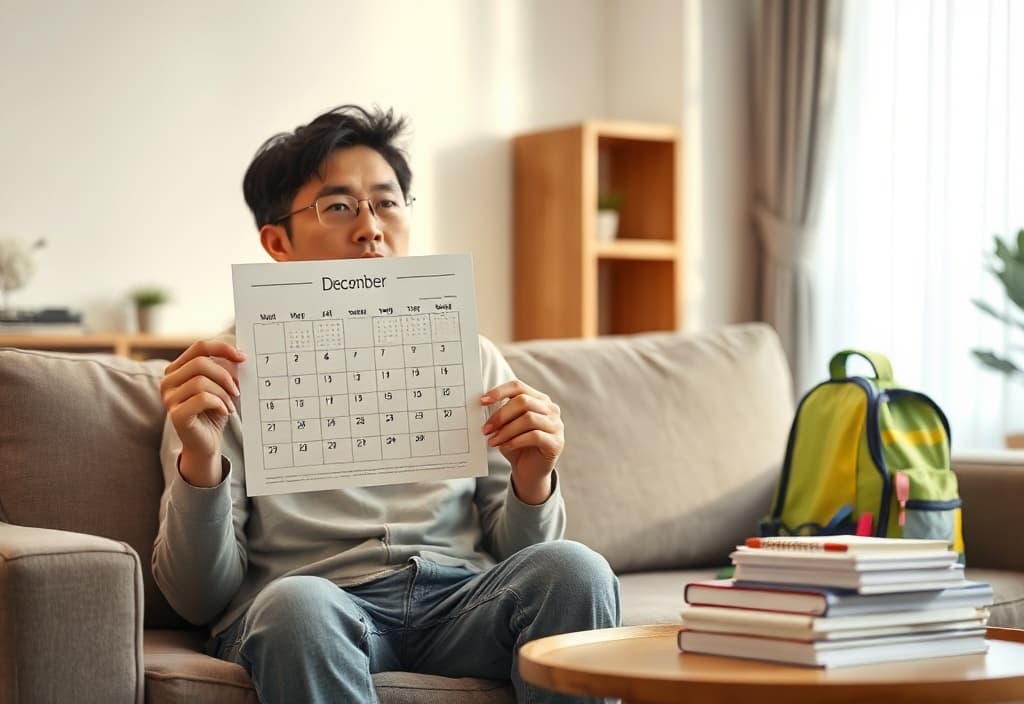
I remember the time in late February 2021 when a freezing sleet storm kept us indoors, and I finally opened the orientation packet for my eldest child's first year of elementary school. I sat on the living room floor surrounded by my three children—the eldest excited, the middle one curious, and the 18-month-old trying to eat a highlighter—and felt a sudden, sharp wave of overwhelm. The list was three pages long and filled with specific requirements for things I hadn't thought about since I was seven years old. Over the years, through trial and error with three very different temperaments, I have learned that the process of gathering supplies is less about the shopping trip and more about understanding the rhythm of the school day.
What are the absolute essentials for the first-time school parent?
This section is for complete newcomers who are just starting their journey into the elementary school system. The first rule of school supplies is to wait for the official list provided by the teacher, but there are certain 'big ticket' items you can begin researching early.
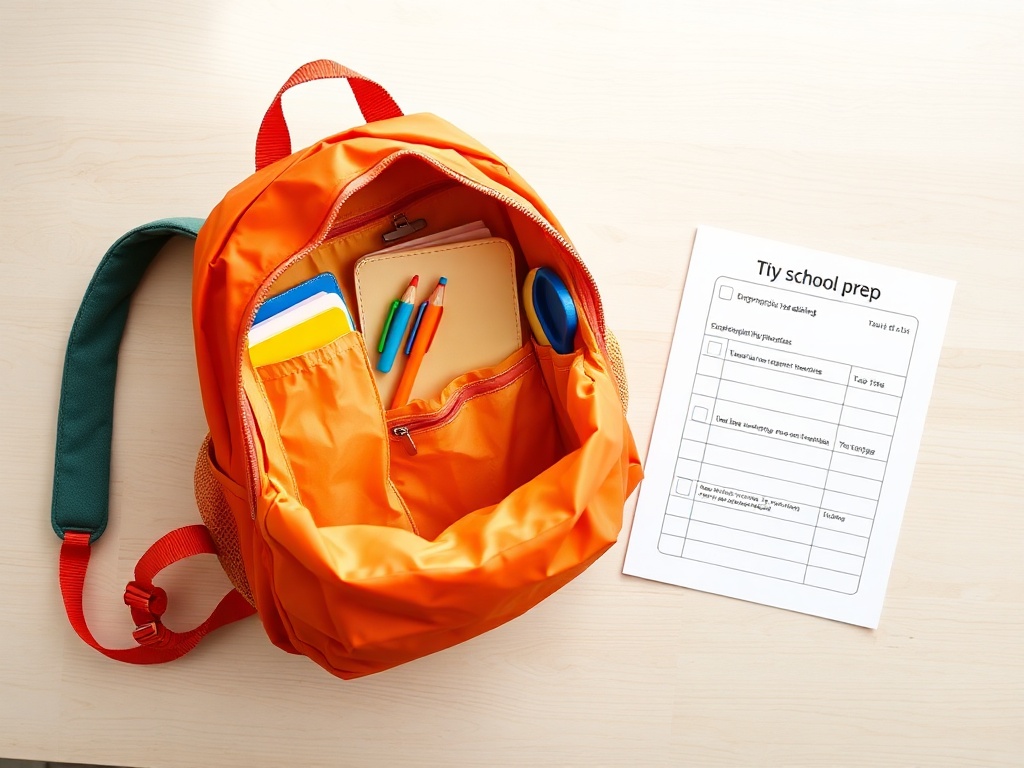
In my experience, the backpack is the most critical purchase you will make. For a child entering the first grade, weight is the primary concern. Pediatric experts often suggest that a child's backpack should not exceed 10 to 15 percent of their total body weight to prevent back strain. When shopping, look for a bag that weighs less than 700 grams while empty. I have found that backpacks with a chest strap are particularly helpful for smaller children, as they prevent the shoulder straps from sliding off narrow shoulders during the walk to school.
Another entry-level essential is the indoor shoe. In many regions, children are required to change into 'indoor-only' shoes to keep the classrooms clean. For a six-year-old, the mechanism of the shoe matters more than the style. Specifically, I have observed that velcro or slip-on styles are far superior to laces. In a class of 20 to 25 students, the teacher cannot tie 50 shoes every time the class moves to the gym or the library. Ensuring your child can put on and take off their shoes in under 30 seconds is a major win for their independence.
Stationery basics usually include pencils, erasers, and a pencil case. For beginners, I recommend standard wood-cased pencils rather than mechanical ones. Many teachers actually ban mechanical pencils in early grades because the lead snaps too easily and the clicking becomes a distraction. Look for 2B or B grade lead, which is softer and easier for small hands to write with compared to the standard HB lead. A cloth or silicone pencil case is also a better choice than a metal one; if a metal case falls off a desk, it sounds like a cymbal crash and interrupts the entire lesson.
How do you transition from basic kits to functional organization?
This level of guidance is for parents who have the basic supplies but are looking for ways to make the daily routine more efficient and less stressful. Once the initial shopping is done, the challenge shifts to maintenance and organization.
One of the most important 'intermediate' steps is the labeling process. In a typical elementary classroom, at least three other children will have the exact same blue folder or yellow highlighter as your child. You must label everything—not just the big items, but every individual colored pencil, the cap of every glue stick, and the inside of every shoe. In my experience, waterproof name stickers are a life-saver. For example, during my second child's first year, we used a set of 100 small vinyl stickers that survived the dishwasher and the washing machine. This prevented us from having to replace a lost water bottle three times in the first semester.
Hygiene kits are another consideration that parents often miss in the first wave of shopping. A small, zippered pouch containing two spare masks, a travel-sized pack of tissues, and a small bottle of hand sanitizer can live in the front pocket of the backpack. I have found that teaching a child to manage this 'personal care kit' early on builds a sense of responsibility. We also include a spare set of underwear and socks in a gallon-sized plastic bag at the bottom of the backpack. Accidents happen, whether it is a bathroom mishap or a deep puddle at recess, and having their own clothes to change into saves the child from the potential embarrassment of wearing 'loaner' clothes from the nurse's office.
Organization at home is the final piece of this intermediate phase. I recommend setting up a 'launch pad' near the front door. This is a specific spot where the backpack, shoes, and water bottle live. By creating a dedicated space, you eliminate the frantic morning search for a missing library book. My children each have a cubby that holds their specific gear, which has reduced our morning exit time by at least 10 minutes.
What advanced considerations should parents keep in mind for long-term use?
This section is for those looking ahead to the middle of the school year and beyond, focusing on ergonomics and the psychological impact of school preparation. As the school year progresses, the needs of the student evolve.
Ergonomics at home become increasingly important as the volume of homework grows. While a first-grader may only spend 15 to 20 minutes on homework, a third-grader might spend 45 minutes or more. An advanced consideration is the height-adjustable desk and chair. A common mistake is letting children work at a standard dining table where their feet dangle. According to ergonomic principles, a child's feet should be flat on the floor or a footrest, with their knees and hips at 90-degree angles. This posture supports better focus and prevents early fatigue during writing tasks.
Another advanced strategy involves the 'supply rotation' system. Instead of giving your child a brand-new box of 24 crayons every time they lose one, keep a central bin of 'community supplies' at home. When a pencil becomes too short to hold comfortably, or a glue stick dries out, they can come to the home bin to find a replacement. This teaches them to value their tools rather than seeing them as disposable. I have estimated that this approach saved us roughly 50 dollars in unnecessary stationery costs last year alone.
Finally, consider the social aspect of supplies. While we want our children to have high-quality tools, there is a fine line between 'functional' and 'excessive.' Bringing a 100-piece professional art set to a first-grade classroom can create unnecessary social friction or lead to the heartbreak of expensive items being broken or stolen. Advanced planning involves choosing supplies that are high-quality and durable but not so precious that they cause anxiety for the child or the parent if they are lost.
Critical caveats: When the standard list fails to meet your child's needs
It is important to recognize that the standard school supply list is designed for the 'average' student, but many children do not fit that mold. There are several situations where you should deviate from the recommended path.
- Sensory Sensitivities: Some children find the smell of certain markers or the texture of specific paper to be overwhelming. If your child has sensory processing differences, you may need to source scent-free or low-texture alternatives. In this case, always verify with the teacher that your substitutions are acceptable for classroom use.
- Fine Motor Challenges: If a child struggles with grip, standard thin pencils can be frustrating. Triangular-shaped pencils or specialized rubber grips can make a significant difference. However, do not wait until the first day of school to introduce these; let the child practice with them at home first to see what feels most comfortable.
- Sustainability Goals: Many standard lists suggest plastic folders and disposable items. If your family prioritizes sustainability, you might look for recycled paper products or refillable fountain pens (for older elementary students). Just be aware that these often require a higher level of maintenance that a young child may not be ready for.
- Budget Constraints: The cost of a full supply list can easily exceed 100 to 150 dollars per child. Do not feel pressured to buy the most expensive brands. Many 'store brands' perform just as well as name brands for items like folders, notebooks, and rulers.

Decision criteria for smart shopping
When you are standing in the aisle of a department store, it is easy to lose perspective. Use these two criteria to help you decide whether to put an item in your cart or leave it on the shelf:
1. The 30-Second Rule (Independence)
Can your child operate this item entirely on their own in 30 seconds or less? This applies to water bottle lids, backpack zippers, lunchbox latches, and shoe fasteners. If it requires an adult's help to open or close, it will likely stay closed at school, meaning your child might not drink enough water or might struggle to pack up their bag when the bell rings. High-quality items are those that empower the child to be independent.
2. The Durability-to-Cost Ratio
Is this an item that needs to last the whole year, or is it a consumable? Spend more on the backpack and the lunchbox, which face daily wear and tear. These are 'investment' pieces. Conversely, spend less on pencils, erasers, and glue sticks. These are consumables that will be lost, used up, or traded. I have seen parents spend 15 dollars on a single 'fancy' eraser only for it to be lost by the second day of school. Stick to functional, affordable options for items that have a high turnover rate.
Conclusion and next steps
Preparing for the first day of elementary school is a milestone that marks a new chapter for both the child and the parent. By focusing on ergonomic backpacks, independent-friendly footwear, and a robust labeling system, you can reduce the logistical friction of the school day. Remember that the goal of these supplies is to support your child's learning environment, not to create a fashion statement or a source of distraction.
To summarize the most important points:
- Prioritize lightweight, ergonomic gear to protect your child's physical health.
- Label every single item to minimize loss and replacement costs.
- Choose supplies that foster independence, such as velcro shoes and simple lunchbox latches.
Your specific action to take today
Before you buy a single pencil, go to your school's website and download the most recent supply list. If it is not available yet, look for last year's list as a reference, but pause your actual shopping until the new list is confirmed by the teacher. Verifying the specific requirements early will prevent you from wasting money on items the school might actually prohibit.
Previous
Child protein intake strategies for busy multi-child families
Next
Elementary school supplies checklist for new parents: Timeline and tips
More in Parenting
A Working Parent's Guide to Children's Eye Care: Protecting Your Firstborn's Vision
A practical guide for busy working parents on protecting their firstborn's vision. Learn how to spot early warning signs, set up healthy home lighting, and build simple routines.
Is It Puberty Rebellion or Teen Anxiety? A 2-Week Guide for Exhausted Parents
Unsure if your teenager is going through normal puberty or experiencing deep emotional anxiety? Discover the 2-week observation method and a daily 5-minute checklist.

Childhood Hives Causes and Management for School-Aged Kids
Childhood hives can be triggered by stress, temperature, or infection. Learn how to manage triggers and decide when your child is ready for school or daycare.
Side Dish Refusal in Toddlers: Strategies for Multi-Child Homes
Learn why children refuse side dishes after a second baby arrives and how to manage picky eating with age-specific strategies and consistent mealtime routines.