Newborn Essential Gear List: A Practical Guide for New Parents
Key Takeaways
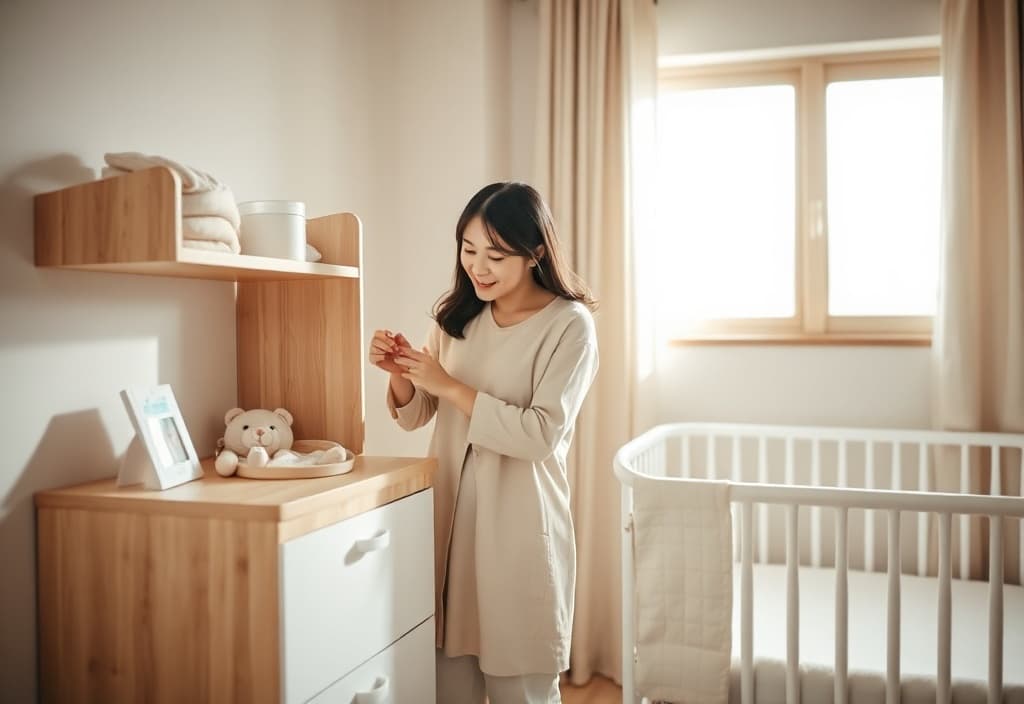
Newborn essential gear lists often include items you will never use. This guide breaks down must-have supplies based on real-world experience with three kids.
Newborn Essential Gear List: A Practical Guide for New Parents
Most people assume that following a generic newborn essentials checklist ensures a smooth transition to parenthood, but in practice, your child's unique temperament and your specific living situation dictate what is actually necessary. There is a common misconception that more gear equals more preparedness. Having raised three children with vastly different needs—one who refused to be put down, one who slept through anything, and one with sensitive skin—I have learned that the marketing industry often preys on the anxiety of new parents. You do not need a gadget for every minor task. Instead, you need a functional foundation that prioritizes safety, sleep, and sanity.
Disclaimer: This article provides general information only. It does not constitute medical, veterinary, legal, or professional advice. Always consult with a qualified pediatrician or safety expert regarding your child's health and equipment safety.
Why is Choosing Baby Gear So Overwhelming?
The difficulty in selecting newborn gear lies in the unpredictability of the infant. You are essentially shopping for a person you have not met yet. What works for a friend's baby might be a total failure for yours. For example, some infants find comfort in a motorized swing, while others find the motion overstimulating and will cry until they are held. This unpredictability, combined with a billion-dollar baby industry, leads to 'nesting fatigue,' where parents buy everything just in case.
Furthermore, the physical space of your home plays a massive role. A large, multi-functional high chair might be highly rated, but if you live in a small apartment, it becomes a literal stumbling block. In my experience, the best approach is to categorize items into 'immediate essentials' and 'wait-and-see' items. This prevents your home from being cluttered with expensive plastic that your baby might never use.
What Are the Non-Negotiable Essentials for a Newborn?
When you strip away the gadgets, a newborn only has a few core requirements: a safe place to sleep, a way to eat, clothes to stay warm, and a safe way to travel. According to the American Academy of Pediatrics (AAP, 2022) safe sleep guidelines, the most critical item is a firm, flat sleep surface free of blankets, pillows, or bumpers. This is the one area where you should never compromise or buy second-hand unless you can verify the history of the item.
Safe Sleep Environment
- A Crib or Bassinet: This must meet current safety standards. Specifically, avoid any models manufactured before 2011, as drop-side cribs were banned due to safety risks.
- Firm Mattress: The mattress should fit snugly within the frame with no gaps larger than two fingers.
- Swaddles or Sleep Sacks: 3–4 items are usually enough. In practice, some babies prefer the 'arms up' position while others need their arms pinned to prevent the startle reflex.
Transportation and Safety
- Infant Car Seat: This is the only item you truly need before leaving the hospital. Ensure it is installed correctly. According to the National Highway Traffic Safety Administration (NHTSA), nearly 50% of car seats are installed incorrectly.
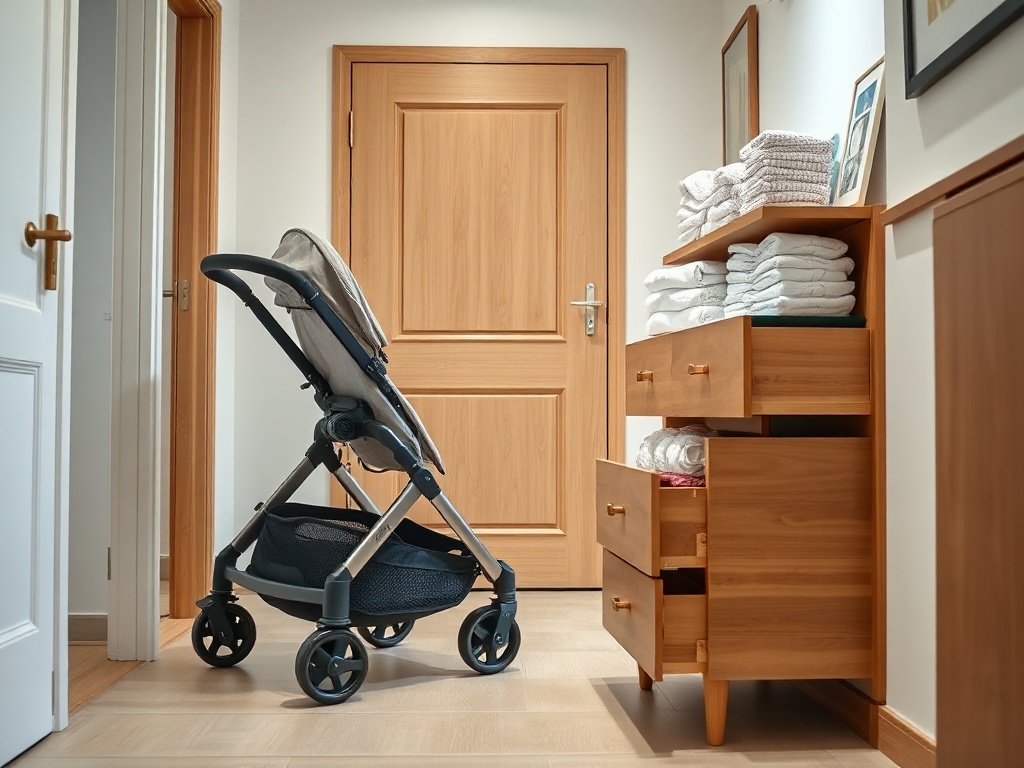
- Stroller: Choose one that is compatible with your car seat (a travel system) or one that reclines fully for a newborn who cannot yet sit up.
- First Aid Kit: This should include a digital thermometer, a nasal aspirator (the manual suction types are often more effective than bulb syringes), and infant-safe nail clippers.
How Do You Distinguish Needs from Wants in Feeding and Clothing?
Feeding and clothing are the two areas where parents overspend the most. It is easy to be swayed by cute patterns or 'innovative' bottle designs. However, the basics are usually the most reliable. Whether you are breastfeeding, formula feeding, or doing a combination, you will spend a significant portion of your day—roughly 8–12 times in a 24-hour period—feeding your baby.
Feeding Supplies
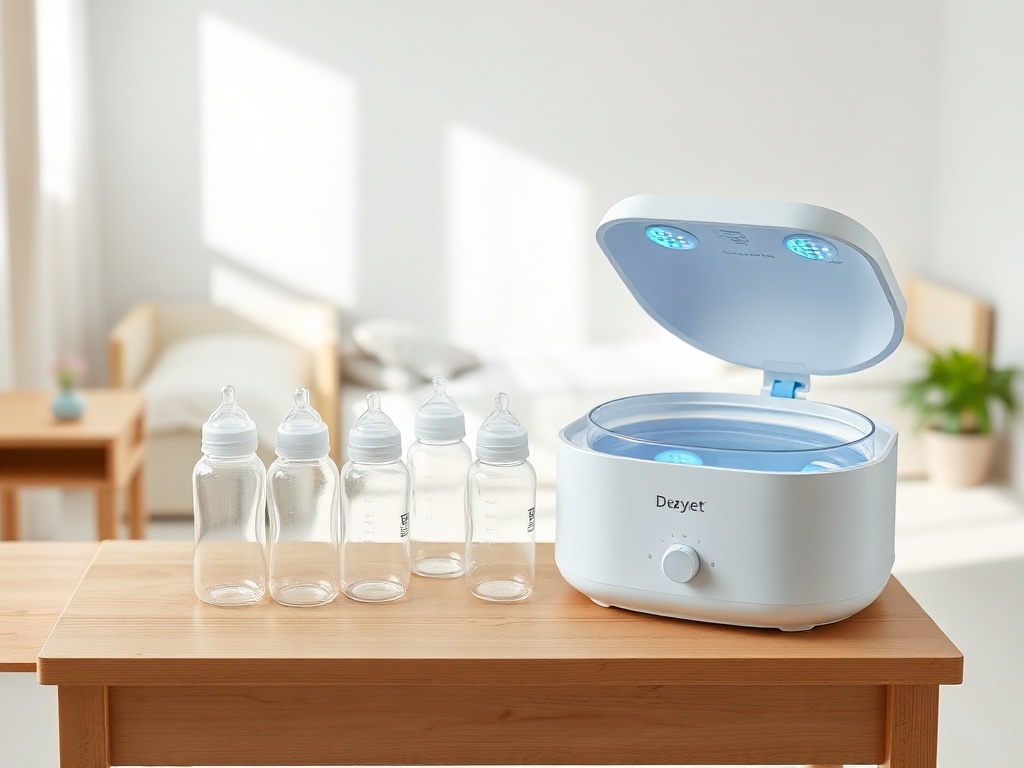
If you are breastfeeding, you might assume you do not need bottles. In my experience, having at least 2 bottles on hand is a necessary backup for emergencies. For formula feeding, you will need 6–8 bottles to avoid constant washing. Specifically, look for bottles with 'slow flow' nipples for newborns to prevent gas and choking.
Realistic Clothing Needs
Most newborns grow at a rate of about 1 inch per month during the first quarter of their lives. This means they will outgrow 'Newborn' sizes faster than you can wash them.
- Onesies (5–7): Look for 'kimono style' or side-snap tops. Newborns often hate having clothes pulled over their heads, and these snaps make the process much calmer.
- Sleepers (5–7): Opt for zippers rather than snaps. Fumbling with 10 snaps during a 3:00 AM diaper change is a mistake you only want to make once.
- Socks and Hats (2–3): Even in summer, newborns struggle to regulate their body temperature and may need light layers.
Critical Caveats: When the Advice May Fail
It is important to acknowledge that even the most 'essential' list can fail depending on your circumstances. For example, many experts recommend a baby carrier (wrap or structured carrier). However, if you have back issues or had a C-section, carrying a 3.5kg to 4.5kg baby for several hours a day might not be physically sustainable. In this case, a high-quality, lightweight stroller is much more essential than a wrap.
Another failure point is the 'all-in-one' travel system. While convenient, these strollers are often heavy (weighing 12–15kg). If you live in a walk-up apartment with no elevator, this 'essential' item becomes a daily nightmare. You must weigh the benefit of the item against the reality of your physical environment.
What Readers Often Miss
One thing many new parents miss is the 'postpartum care' for the mother. While we focus on the baby's gear, the mother's recovery tools are just as essential for the household to function. Additionally, parents often forget to check the expiration dates on car seats. Plastic degrades over time, especially when exposed to the heat of a car, and a seat that is 6–10 years old may not provide the necessary protection in a crash.
Decision Criteria for Smart Purchasing
When you are standing in a store or looking at an online cart, use these two criteria to decide if an item is worth it:
Frequency of Use vs. Cost: An item that costs $200 but is used every single day (like a mattress or car seat) has a low cost-per-use. An item that costs $100 but is only used for two weeks (like a specialized newborn lounger) is a poor investment.
Ease of Maintenance: Can the fabric be tossed in a washing machine? Can the plastic parts go in the dishwasher? If an item requires hand-washing or delicate care, it will likely end up in a corner gathering dust when you are sleep-deprived.
Common Mistakes to Avoid
- Buying Too Many Diapers in Advance: Do not stock up on 500 'Size N' diapers. Some babies are born at 4kg and move to Size 1 within a week. Furthermore, certain brands may cause a rash on your specific baby's skin. Buy one small pack of two different brands to see which fits best.
- Over-reliance on Tech: Snuza monitors, high-tech socks, and breathing sensors can provide peace of mind, but they are also prone to false alarms. These alarms can increase parental anxiety rather than decrease it. Use them as a supplement to, not a replacement for, safe sleep practices.
- Ignoring the Second-Hand Market for Non-Safety Items: While you should buy a car seat new, items like baby bathtubs, clothes, and wooden bookshelves are perfect for buying used. This can save you 50–70% of your budget, which can then be redirected toward high-quality safety gear.
The Single Most Accessible First Action
Before you buy a single item, the most effective first step is to inventory your space and your support system. Measure the area where the baby will sleep and where you will change them. Ask friends or family members specifically what they have in storage that they are willing to lend you. Most parents are eager to clear out baby gear once their children outgrow it. By starting with what is freely available and what actually fits in your home, you create a realistic baseline for what you truly need to purchase.
Conclusion
Preparing for a newborn does not require a mountain of plastic and electronics. By focusing on the fundamentals, you ensure your baby is safe and your budget is preserved for the long term. Remember these three key points:
- Prioritize Safety over Aesthetics: A beautiful vintage crib is not worth the risk if it does not meet modern safety standards.
- Wait and See: Aside from a car seat and a few outfits, most items can be purchased after the baby arrives once you understand their temperament.
- Focus on Maintenance: Choose gear that is easy to clean and durable enough to survive the first year. Your specific action for today is to verify the safety ratings and recall history of any major item (crib, car seat, stroller) you are currently considering. Check official government safety websites or reputable consumer advocacy groups to ensure the products meet the latest requirements before you commit to a purchase.
Previous
Best Age to Start English Exposure for Children: A Parent Guide
Next
Newborn Essential Gear List: A Practical Guide for New Parents
More in Parenting
A Working Parent's Guide to Children's Eye Care: Protecting Your Firstborn's Vision
A practical guide for busy working parents on protecting their firstborn's vision. Learn how to spot early warning signs, set up healthy home lighting, and build simple routines.
Is It Puberty Rebellion or Teen Anxiety? A 2-Week Guide for Exhausted Parents
Unsure if your teenager is going through normal puberty or experiencing deep emotional anxiety? Discover the 2-week observation method and a daily 5-minute checklist.

Childhood Hives Causes and Management for School-Aged Kids
Childhood hives can be triggered by stress, temperature, or infection. Learn how to manage triggers and decide when your child is ready for school or daycare.

Side Dish Refusal in Toddlers: Strategies for Multi-Child Homes
Learn why children refuse side dishes after a second baby arrives and how to manage picky eating with age-specific strategies and consistent mealtime routines.