Newborn Baby Gear List: A Practical Guide for Single Parents

Key Takeaways
This newborn baby gear list helps single parents prioritize essential items while saving money. Learn what to buy, what to skip, and how to stay on budget.
Newborn Baby Gear List: A Practical Guide for Single Parents
If you're dealing with the overwhelming anxiety of preparing for a baby on a single income, the sheer volume of products marketed as 'essentials' can feel like a financial trap. When I found out I would be raising my child alone, my first instinct was to buy every gadget available to compensate for the fact that there would only be one set of hands in the house. I spent hours researching the latest monitors, self-rocking bassinets, and high-tech bottle warmers, thinking they were the solution to my upcoming challenges.
This article provides general information only and does not constitute medical, veterinary, or legal advice. Please consult with a qualified pediatrician or safety expert before making final decisions regarding baby equipment and safety protocols.
The Reality of the 'Must-Have' Marketing Trap
I remember sitting on my living room floor surrounded by boxes of gear I had purchased with credit cards I couldn't afford to max out. Among the items was a $400 designer diaper bag that promised to organize my life. Within three weeks of my child being born, I realized that a $20 backpack I already owned was actually more functional because it left both of my arms free. This was my first major lesson in parenting: price does not equal utility, especially when you are the sole decision-maker and financier.
The key insight I gained was that newborn gear should serve the parent just as much as the baby. For a single parent, 'essential' means the item must either save time, ensure safety, or reduce physical strain. If a product requires a complex setup or takes up too much space in a small apartment, it is a liability, not an asset. By shifting my focus from 'what looks good' to 'what actually works for a solo caregiver,' I was able to return nearly $800 worth of unnecessary gadgets.
How to Prioritize Your Newborn Gear List
When you are managing a household alone, you need to categorize your purchases based on immediate necessity and safety. According to the American Academy of Pediatrics (AAP) 2022 guidelines, the most critical investments are those that facilitate safe sleep and secure transport. Everything else can often be sourced second-hand or skipped entirely.
Essential Safety and Transport
- Infant Car Seat: This is the one item you should never buy used unless you know the full history of the seat. A car seat that has been in a minor accident may have structural compromises. Look for models with high safety ratings from the NHTSA.
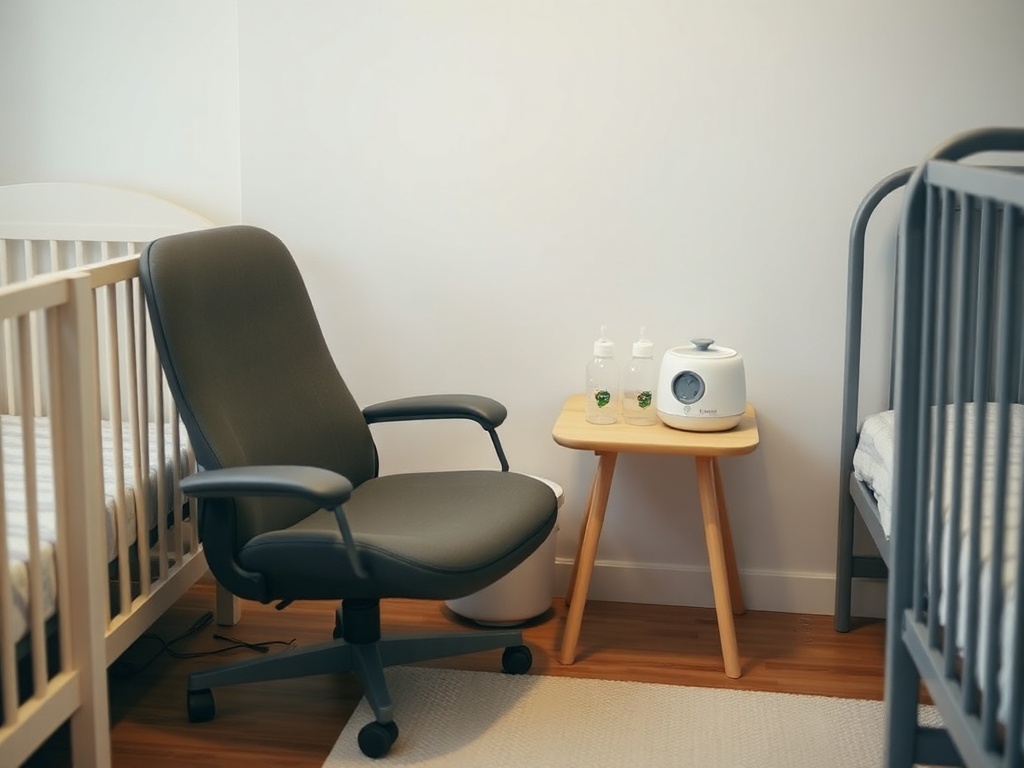
- Safe Sleep Surface: A firm, flat mattress in a CPSC-approved crib or bassinet is non-negotiable. For single parents in smaller spaces, a mini-crib that can roll from the bedroom to the living room is a highly practical choice.
- First Aid Kit: Ensure you have a digital thermometer, a nasal aspirator, and infant-specific fever reducers. In my experience, having these on hand at 2:00 AM prevents the panic of having to run to a pharmacy alone with a sick infant.
Feeding and Hygiene Basics
- Bottles and Nipples: Even if you plan to breastfeed, having 2-3 bottles on hand is essential for emergencies or if you need to use a pump.
- Diapering Station: You will go through approximately 8-10 diapers per day in the first month. Instead of a dedicated changing table, a waterproof pad on a sturdy dresser works just as well and saves both money and space.
- Bathtubs: A simple plastic tub with a mesh support is safer and easier to clean than elaborate spa-style baby baths.
Why Some Popular Recommendations May Fail You
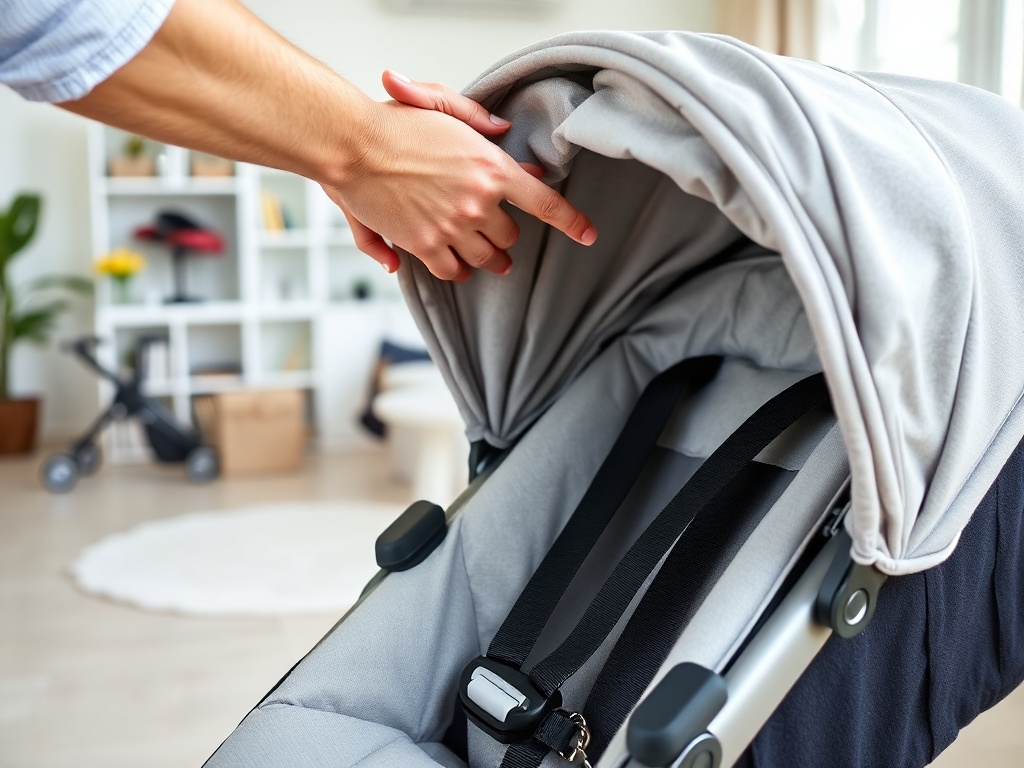
It is important to understand that what works for a two-parent household might be a burden for a single parent. For example, many lists recommend large, heavy strollers with multiple attachments. While these are great for long walks in the park with a partner, they are incredibly difficult to fold and lift into a trunk while holding a crying baby by yourself. In practice, a lightweight stroller that can be folded with one hand is far more valuable.
Furthermore, high-tech 'smart' bassinets that cost over $1,000 are often cited as life-savers. However, if the baby becomes dependent on the specific motion of that device, you may face a significant struggle when they outgrow it at 4-5 months. For a single parent, establishing a sustainable sleep routine that doesn't rely on expensive, temporary technology is often the better long-term strategy.
Decision Criteria for Smart Purchasing
When evaluating any piece of gear, use these two criteria to decide if it belongs in your home:
The 'Solo Test': Can I operate, clean, and move this item entirely by myself while holding a 10-pound weight? If a stroller requires two hands and a foot to fold, it fails the solo test.
The 'Longevity vs. Cost' Ratio: If an item costs more than $100 but will only be used for less than 90 days (like certain infant-only loungers), the cost-to-use ratio is too high. Look for convertible items that grow with the child.
Critical Caveats and What You Might Miss
There are several factors that can make even the best-reviewed gear a poor fit for your specific situation. Before you spend your budget, consider these risks:
- The Temperament Factor: Every baby is different. Some infants loathe being swaddled, while others refuse to sit in a swing. Buying expensive versions of these items before the baby arrives is a common mistake. It is better to wait and see what your child prefers.
- Recall Risks: If you are sourcing gear from second-hand marketplaces to save money, you must verify the model number against the latest recall lists. Organizations like the Consumer Product Safety Commission (CPSC) provide updated databases.
- Space Constraints: In a single-parent household, clutter can lead to increased stress. Avoid 'unitaskers'—items that only do one thing—and opt for multi-functional gear like a high chair that converts into a toddler seat.
Verification and Next Steps
Before you finalize your registry or start purchasing, take the following steps to ensure you are making a sound investment.
- Proceed: Purchase your car seat and sleep surface new. These are the foundations of infant safety and should be the first items you secure.
- Pause: Wait on luxury items like high-end rockers, specialized bottle prep machines, or extensive wardrobes. These can be bought later if you find they are truly necessary.
- Verify: Check with your local community groups or single-parent networks. Often, these communities have 'buy nothing' groups where you can find gently used clothes and toys for free, significantly reducing your initial overhead.
Frequently Asked Questions
How can I save money on diapers without sacrificing quality?
One of the most effective ways to save is to avoid brand loyalty in the first few months. Many store brands offer the same leak protection as premium brands at 30-40% lower cost. According to a 2023 consumer report, generic diapers often perform as well as name brands in absorbency tests. Additionally, signing up for subscription services can save you 5-15% on every box, and buying in bulk usually reduces the price per unit significantly.
What should I look for in a second-hand stroller to ensure it is safe?
When inspecting a used stroller, check the braking system first to ensure it locks firmly on both sides. Look for frayed straps or broken buckles in the 5-point harness, and ensure the frame does not have any cracks or significant rust. It is also vital to check the manufacture date; strollers older than 10 years may not meet current safety standards or may have degraded plastic components that could snap under pressure.
Is a video baby monitor necessary for a small apartment?
In a small living space where you are never more than 15-20 feet away from the baby, a high-end video monitor is often an unnecessary expense. An audio-only monitor can suffice for monitoring naps while you are in another room, and many single parents find they can hear the baby clearly without any electronic aid at all. If you do choose a monitor, a basic model without Wi-Fi connectivity is often more secure and significantly cheaper than 'smart' versions.
Conclusion
Navigating the world of newborn gear as a single parent requires a balance of strict budgeting and uncompromising safety standards. By focusing on the essentials—safe sleep, secure transport, and basic hygiene—you can create a nurturing environment without unnecessary financial strain.
Remember these three key points:
Prioritize safety certifications over brand names or aesthetic trends.
Use the 'Solo Test' to ensure every item is manageable for a single caregiver.
Avoid buying 'stage-one' items in bulk, as babies outgrow newborn sizes and gear very quickly. Your specific action for today is to create a 'Need vs. Want' list. Move any item over $50 that is not related to safety, feeding, or sleep into the 'Want' category, and commit to waiting until after the baby is born to see if you actually require it.
Previous
Indoor Weekend Play Checklist for Busy Working Parents
Next
Newborn Baby Gear List: A Practical Guide for Single Parents
More in Parenting
A Working Parent's Guide to Children's Eye Care: Protecting Your Firstborn's Vision
A practical guide for busy working parents on protecting their firstborn's vision. Learn how to spot early warning signs, set up healthy home lighting, and build simple routines.
Is It Puberty Rebellion or Teen Anxiety? A 2-Week Guide for Exhausted Parents
Unsure if your teenager is going through normal puberty or experiencing deep emotional anxiety? Discover the 2-week observation method and a daily 5-minute checklist.

Childhood Hives Causes and Management for School-Aged Kids
Childhood hives can be triggered by stress, temperature, or infection. Learn how to manage triggers and decide when your child is ready for school or daycare.
Side Dish Refusal in Toddlers: Strategies for Multi-Child Homes
Learn why children refuse side dishes after a second baby arrives and how to manage picky eating with age-specific strategies and consistent mealtime routines.