Adolescent Academic Stress Relief: Effective Strategies for Parents
Key Takeaways
Manage adolescent academic stress effectively. Learn how to balance academic pressure with mental well-being through active recovery and communication strategies.
Adolescent Academic Stress Relief: Effective Strategies for Parents
Disclaimer: The information provided in this article is for general educational purposes only. It does not constitute medical, psychological, or professional health advice. If your child is experiencing severe anxiety, depression, or physical symptoms, please consult a qualified healthcare professional or a licensed school counselor.
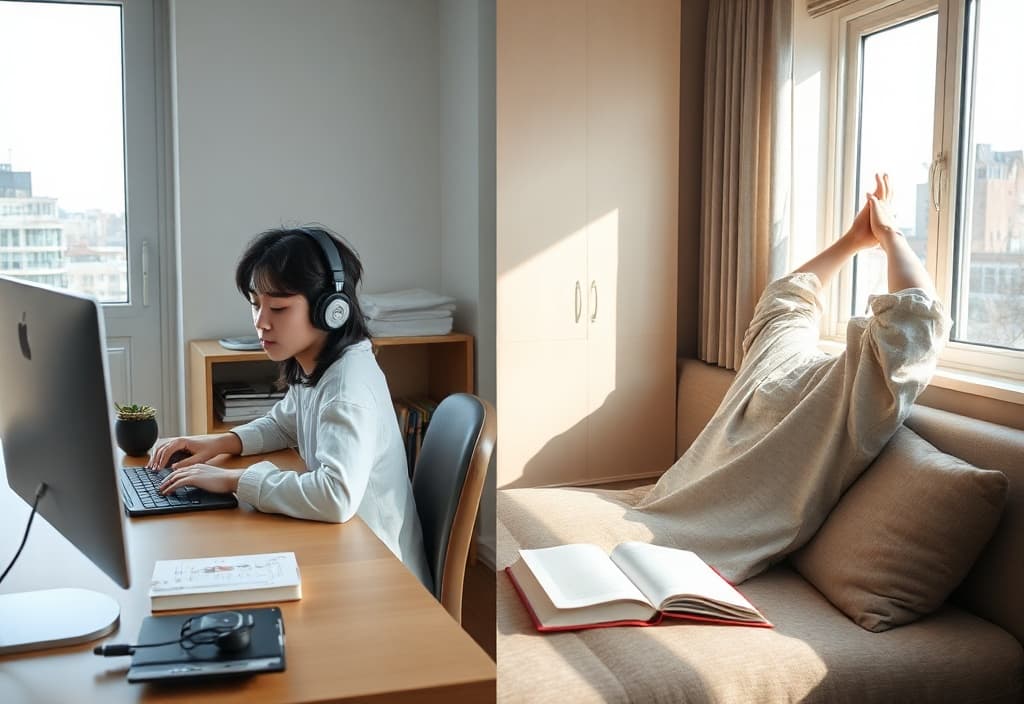
The short answer is that relieving adolescent academic stress requires a transition from 'passive distraction' to 'active recovery' while establishing clear boundaries for autonomy. Here's why. When a teenager feels they have zero control over their schedule, the brain remains in a state of high cortisol production, making even simple tasks feel insurmountable. True relief comes not from simply doing less, but from doing things that restore a sense of agency and physical well-being. By focusing on quality recovery rather than just 'taking a break', parents can help their children build the resilience needed for long-term academic success.
The Tension of the Three-Generation Household
In my experience living in a household with three generations, the definition of 'hard work' is often a point of contention. Not long ago, I found my 15-year-old child sitting at the kitchen table at 11:00 PM, staring blankly at a chemistry textbook. My mother-in-law, who grew up in an era where academic success was the only path to stability, suggested that another hour of memorization was the solution. She believed that 'persistence' was a muscle that needed to be flexed until it hurt.
However, I could see the physical signs of a nervous system in shut-down mode. My child's shoulders were hunched, their breathing was shallow, and they had been on the same page for 40 minutes. This is a scene played out in many homes: the clash between old-school grit and the modern understanding of cognitive load. I realized that my child didn't need more time with the book; they needed a radical shift in their environment to break the cycle of stress.
I made the decision to close the book and insist on a 15-minute walk outside, followed by sleep. My mother-in-law was skeptical, fearing this would lead to a lack of discipline. Yet, the next morning, my child woke up and finished the assignment in 20 minutes with total clarity. This experience taught me that stress relief isn't about laziness; it is about strategic recovery. According to a 2019 survey by the Pew Research Center, 70% of teens see anxiety and depression as a major problem among their peers, with academic pressure being a leading cause. This statistic highlights that the 'push through it' method is increasingly failing our children.
Why Traditional Study Advice Often Fail Modern Teens?
Many parents rely on the methods that worked for them 20 or 30 years ago, but the landscape of education has changed. The volume of digital information and the 'always-on' nature of social media mean that a teen's brain rarely gets a true moment of silence.
The Illusion of Passive Rest
When we tell a stressed teen to 'take a break', they often reach for their phone. In practice, scrolling through social media for 30 minutes is not a break for the brain. It is a high-speed intake of social comparison and blue light, which can actually increase cognitive fatigue. For example, a student who spends their break watching short-form videos may return to their desk feeling more scattered than before. We must distinguish between 'distraction' and 'recovery'.
The Problem with Bargaining
Another common mistake is using breaks as a bargaining chip. For instance, saying, 'If you finish 10 more problems, you can have 10 minutes of gaming.' This frames rest as a reward for suffering rather than a biological necessity. When rest is treated as a luxury, the child begins to view their own needs as secondary to their output. This can lead to a long-term pattern of burnout where the individual does not know how to stop until they collapse.
The Autonomy Gap
Stress is often a result of feeling 'trapped'. If every hour of a teen's day is scheduled by parents, tutors, or school, they lose their sense of agency. Research in self-determination theory suggests that autonomy is a core human need. When a child feels they are merely a 'cog in the machine' of their own education, their stress levels skyrocket. In my house, I've observed that the more I try to micromanage the 'how' and 'when' of studying, the more my child resists and becomes stressed.
What Are the Most Effective Ways to Reduce Academic Pressure?
To effectively manage stress, we can compare two primary approaches: the traditional 'High-Pressure Persistence' model and the 'Integrated Recovery' model.
- High-Pressure Persistence: Focuses on hours spent at the desk, external rewards, and minimizing 'non-productive' time.
- Integrated Recovery: Focuses on brain health, physical movement, and psychological autonomy.
Active Recovery Techniques
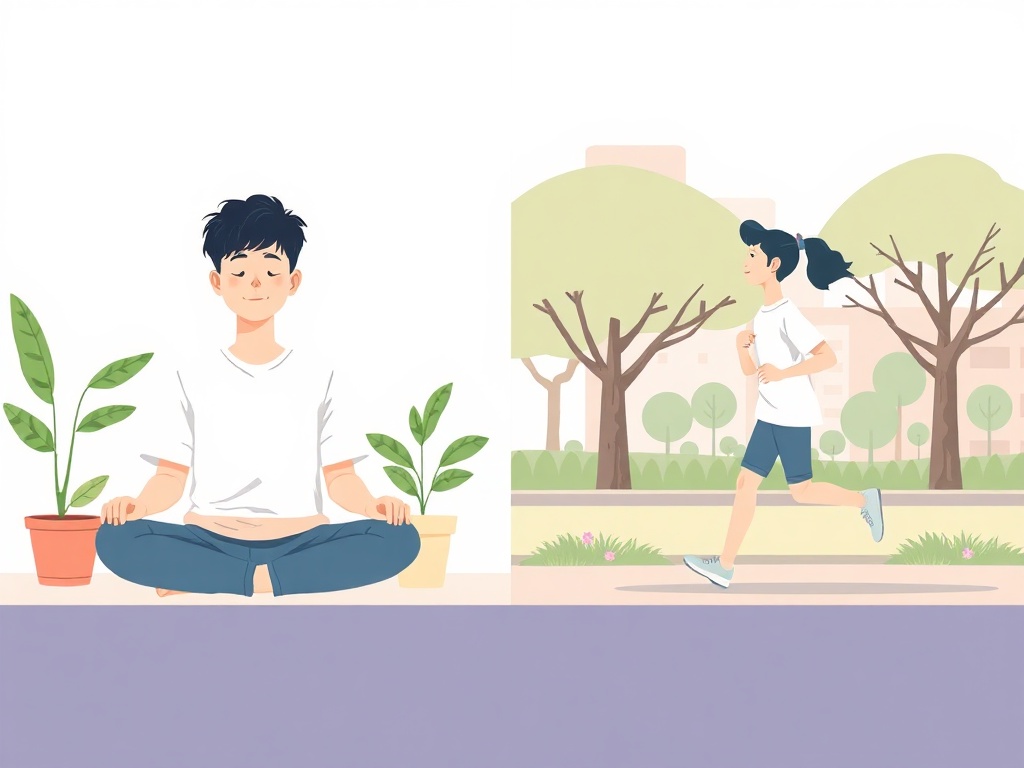
Instead of passive rest, encourage activities that engage the body or a different part of the brain. Specifically, the following five methods have shown significant results in our household:
Physical Movement: A 20-minute walk or 15 minutes of stretching can lower cortisol levels significantly. The CDC recommends 60 minutes of physical activity daily for adolescents, yet many students fall far short of this during exam seasons.
Digital Detox Zones: Implementing a rule where no screens are allowed 30 minutes before sleep helps the brain transition into a restorative state. Warning: Do not make this a punishment; frame it as a 'brain reset' for better performance.
Creative Expression: Engaging in a hobby that has no 'grade' attached, such as drawing or playing an instrument for fun, allows the prefrontal cortex to rest.
The 50/10 Rule: Encourage 50 minutes of deep focus followed by 10 minutes of movement (not phone time). This respects the brain's natural attention span.
Sleep Hygiene: The National Sleep Foundation recommends 8–10 hours of sleep for teens. In practice, many students get fewer than 6 hours. Prioritizing sleep over 'cramming' almost always results in better test scores due to improved memory consolidation.
How Can Parents Differentiate Between Laziness and Burnout?
One of the biggest challenges in a multi-generational home is the fear that a child is 'just being lazy'. However, the symptoms of burnout are distinct if you know what to look for.
- Physical symptoms: Frequent headaches, stomachaches, or a 15% increase in resting heart rate during study sessions can indicate chronic stress.
- Emotional changes: Increased irritability, especially when asked about school, or a sudden withdrawal from family activities.
- Cognitive signs: Difficulty concentrating on simple tasks or taking 3–4 times longer than usual to complete a standard assignment. If you see these signs, the 'proceed' step is not to push harder, but to 'pause' and evaluate the total load. For example, if my child is consistently irritable, I look at their sleep log for the past 3 days. Often, the 'laziness' is actually a body that is too exhausted to function.
Critical Caveats and When Advice May Fail
It is important to recognize that parental strategies have limits. There are specific scenarios where the advice to 'just take a walk' or 'manage your time' will not be enough.
When There is a Clinical Issue
If a child has an undiagnosed learning disability, such as ADHD or dyslexia, the stress is not just about the workload—it is about a fundamental mismatch between the task and their brain's processing style. In these cases, standard stress relief will fail because the underlying barrier remains. You must verify this with a professional educational psychologist.
When the Environment is Truly Toxic
In some highly competitive school environments, the workload is objectively impossible for any human to complete healthily. If a student has 5–6 hours of homework every night on top of an 8-hour school day, no amount of 'active recovery' will fix the math. In this situation, parents must consider a change in environment or a formal meeting with the school to advocate for a manageable load.
The Risk of 'Toxic Positivity'
Simply telling a teen to 'not worry' or 'it doesn't matter' can backfire. To them, in their current world, it does matter. Dismissing their feelings as 'just school' can lead to a breakdown in communication. Instead, acknowledge the difficulty while providing the tools to handle it.
Decision Criteria for Choosing a Strategy
When your teen is stressed, use these two criteria to decide how to intervene:
Criterion 1: The Timeline. Is the stress caused by a specific upcoming event (an exam next week) or is it a chronic state (the entire semester)? Short-term stress requires tactical breaks and extra sleep. Chronic stress requires a structural change in their schedule or expectations.
Criterion 2: The Source of Stress. Is the stress internal (perfectionism) or external (heavy workload/parental pressure)? If it is internal, focus on mindset and 'permission to fail'. If it is external, focus on time management and advocacy.

How to Implement a Sustainable Stress Management Plan?
To move forward, I recommend a 'verify and adjust' approach. Start by observing your child's current habits for one week without intervening.
- Step 1: Audit the Time. Note how many hours are spent on 'passive' vs. 'active' rest.
- Step 2: The Family Meeting. Sit down and ask, 'On a scale of 1–10, how much control do you feel you have over your daily schedule?' If the answer is below 5, look for ways to give them back some agency.
- Step 3: Model the Behavior. If you are constantly stressed and working on your phone at the dinner table, your teen will mirror that behavior. Show them what healthy boundaries look like. Warning: Avoid the mistake of 'over-talking'. Sometimes, a stressed teen just needs a parent to sit nearby in silence, offering a snack, rather than a 20-minute lecture on 'why they are stressed'. Warning: Do not compare your child's stress levels to your own 'when you were their age'. The digital and academic pressures of today are statistically and qualitatively different from those of 30 years ago.
Conclusion
Managing adolescent academic stress is a marathon, not a sprint. In my multi-generational home, finding the middle ground between 'grit' and 'well-being' has required constant negotiation, but the results—a happier, more resilient child—are worth it.
Summary of Key Points
- Prioritize Active Recovery: Replace screen-based scrolling with physical movement, creative hobbies, and adequate sleep (8–10 hours) to truly lower cortisol.
- Build Autonomy: Stress decreases when students feel they have a say in their schedule and methods. Move away from micromanagement.
- Distinguish Burnout from Laziness: Watch for physical symptoms and emotional withdrawal as signs that the nervous system is overloaded, rather than a lack of discipline.
Your Action Step for Today
Tonight, declare a 'Zero-Study Dinner'. For 60 minutes, prohibit all talk of grades, upcoming tests, or college applications. Focus entirely on personal interests or funny stories. This small boundary reinforces that your child is valued for who they are, not just for their academic output.
Previous
Child water safety rules for parents: Comparing pool and beach prep
Next
Adolescent Academic Stress Relief: Effective Strategies for Parents
More in Parenting
A Working Parent's Guide to Children's Eye Care: Protecting Your Firstborn's Vision
A practical guide for busy working parents on protecting their firstborn's vision. Learn how to spot early warning signs, set up healthy home lighting, and build simple routines.

Is It Puberty Rebellion or Teen Anxiety? A 2-Week Guide for Exhausted Parents
Unsure if your teenager is going through normal puberty or experiencing deep emotional anxiety? Discover the 2-week observation method and a daily 5-minute checklist.

Childhood Hives Causes and Management for School-Aged Kids
Childhood hives can be triggered by stress, temperature, or infection. Learn how to manage triggers and decide when your child is ready for school or daycare.

Side Dish Refusal in Toddlers: Strategies for Multi-Child Homes
Learn why children refuse side dishes after a second baby arrives and how to manage picky eating with age-specific strategies and consistent mealtime routines.