Dog Brushing and Coat Care Guide for Multi-Pet Homes
Key Takeaways
Master dog brushing and coat care for puppies, adults, and seniors. Learn professional techniques for multi-pet households to maintain skin health and hygiene.
Dog Brushing and Coat Care Guide for Multi-Pet Homes
If you're dealing with the constant struggle of managing multiple coat types, from the fine, silky hair of a senior spaniel to the thick, double-layered fluff of a young husky, you know that a one-size-fits-all approach to grooming does not work. Maintaining a multi-pet household requires a strategic understanding of how hair growth, skin sensitivity, and behavioral tolerance change as a dog transitions from a puppy to a senior. Proper coat care is not merely an aesthetic choice; it is a fundamental pillar of canine hygiene and health. Poorly managed coats can lead to painful matting, skin infections, and the inability to regulate body temperature.
This guide provides general information regarding canine grooming practices. It is not a substitute for professional veterinary advice or medical diagnosis. If your dog exhibits signs of severe skin irritation, unexplained hair loss, or parasitic infestation, consult a licensed veterinarian or a certified professional groomer immediately.
What tools are essential for managing different coat types?
Before you begin the physical process of brushing, you must assemble a toolkit that addresses the specific needs of each dog in your home. In a multi-pet environment, using the wrong tool on a specific coat type can cause 'brush burn' or fail to remove the dead undercoat, leading to mats. For example, a bristle brush might work for a short-haired Beagle, but it will be entirely ineffective for a Poodle mix with a curly, high-maintenance coat.
The Essential Grooming Kit
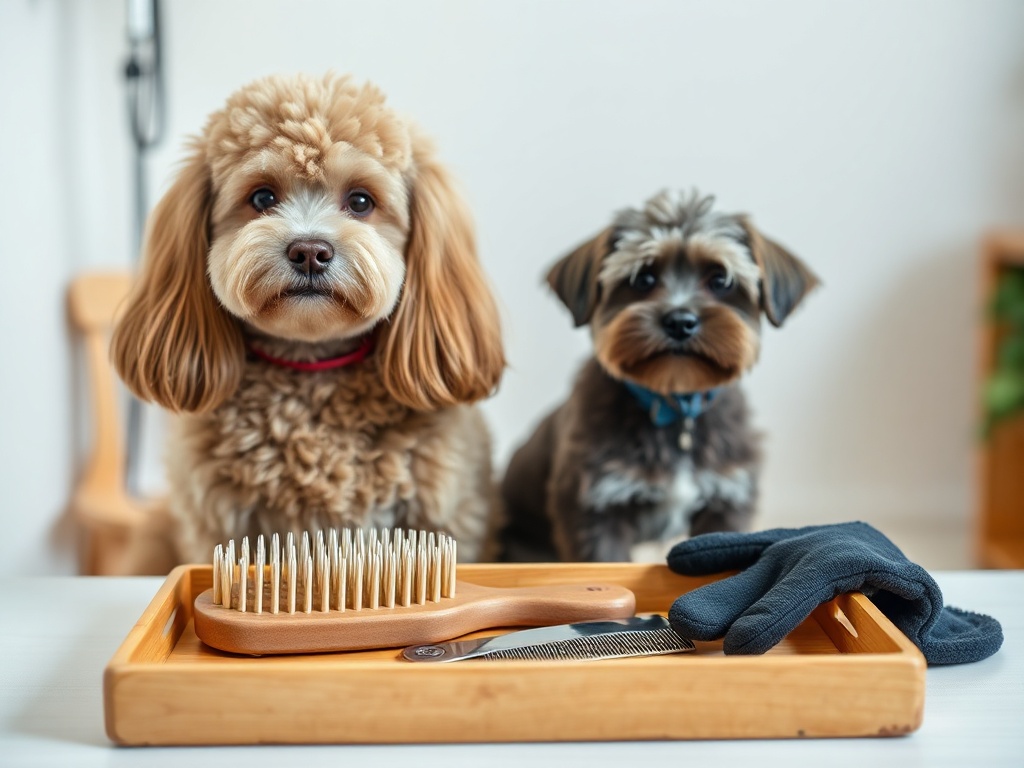
- Slicker Brush: This is the workhorse of dog grooming. It features fine, short wires closely spaced on a flat or curved surface. It is designed to remove loose hair and de-tangle. Specifically, it is the primary tool for medium to long-haired dogs.
- Stainless Steel Greyhoud Comb: Often overlooked, this tool is the ultimate 'truth-teller.' If a comb cannot pass through the coat from the skin to the tips, a mat is present. You need a comb with both wide and narrow teeth spacing.
- Undercoat Rake: Essential for double-coated breeds. These tools have long, tines that reach through the topcoat to pull out dead hair from the undercoat during shedding seasons.
- Pet-Safe Detangling Spray: This reduces friction, which minimizes hair breakage. It is particularly useful for senior dogs whose hair may be more brittle.
- High-Value Rewards: Grooming should be a positive reinforcement activity. Keep small, 5-calorie treats on hand to reward stillness and cooperation.
The Mindset for Multi-Pet Success
Managing multiple dogs requires a calm environment. If one dog is highly anxious about grooming, the others will likely feed off that energy. Establish a dedicated grooming station—perhaps a specific mat or a raised table—to signal that it is 'work time.' This helps dogs understand the boundaries of the activity. You should aim for a mindset of 'short and frequent' rather than 'long and stressful.'
How does dog brushing change as your pet ages?
The process of grooming must evolve alongside your dog's physical and mental development. What works for a resilient 3-year-old adult dog could be traumatic for a 12-week-old puppy or physically painful for a 12-year-old senior with arthritis.
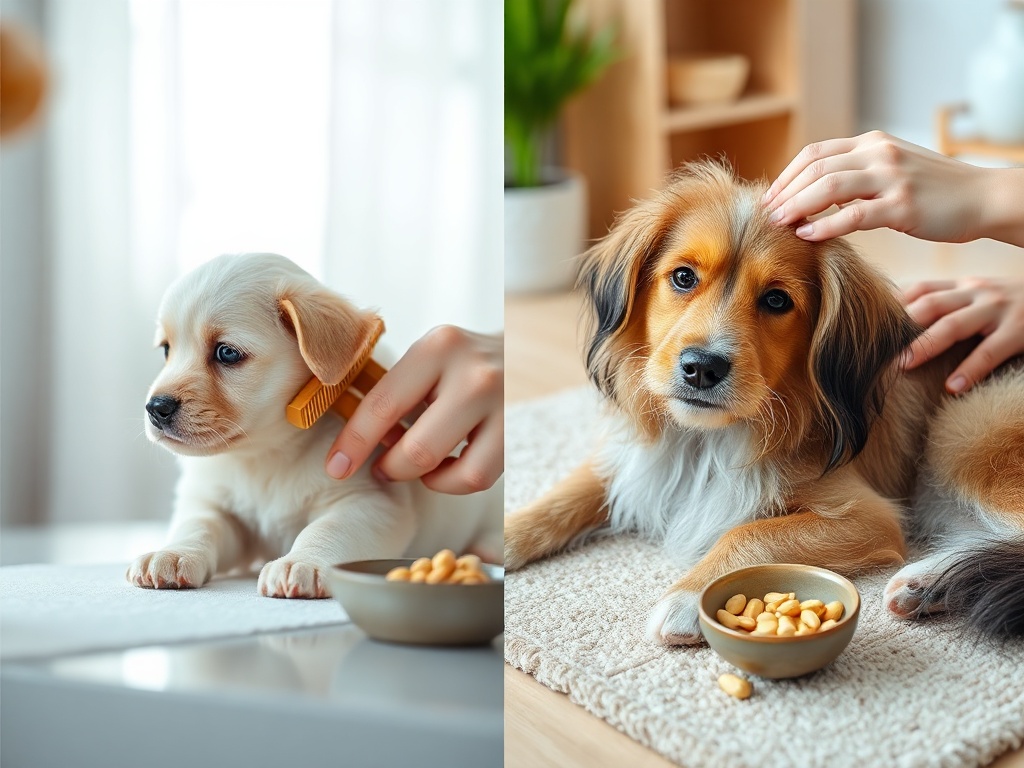
1. The Puppy Stage: Desensitization (8–24 Weeks)
At this age, the goal is not perfect grooming but perfect behavior. Puppies have soft, 'puppy coats' that rarely mat, but this is the critical window for socialization. According to canine behavioral studies, the primary socialization period ends around 16 weeks, making early positive exposure to grooming tools vital.
- Step 1: Introduce the tool. Let the puppy sniff the brush. Reward them immediately. Repeat this 5-10 times until they are indifferent to the object.
- Step 2: Touch the puppy with the back of the brush (the non-bristle side). Move it over their back, legs, and ears. This simulates the sensation without the risk of a snag.
- Step 3: Perform one gentle stroke with the bristles. Reward. If the puppy nips at the brush, stop immediately. Do not scold; simply remove the brush and wait 30 seconds before trying again.
- Common Failure Point: Many owners try to brush the whole puppy at once. This leads to overstimulation. Limit puppy sessions to 2-3 minutes total.
2. The Adult Stage: Efficiency and Maintenance (1–7 Years)
Adult dogs have their full, mature coats. This is when the volume of shedding is at its peak. In multi-pet homes, you may be dealing with seasonal 'blow outs' where double-coated dogs lose their undercoat twice a year. For example, a Golden Retriever can produce enough loose fur in a single week to fill a 10-gallon trash bag.
- Step 1: Conduct a 'hands-on' inspection. Run your fingers through the coat to feel for lumps, bumps, or mats. Check high-friction areas like the armpits and behind the ears.
- Step 2: Use the 'Line Brushing' technique. Part the hair with one hand so you can see the skin. Brush the hair away from the part. This ensures you are reaching the base of the hair, not just the surface.
- Step 3: Use the undercoat rake on heavy-shedding areas like the thighs and neck. Use long, steady strokes in the direction of hair growth.
- Step 4: Finish with the metal comb. Run it through the entire coat. If it catches, go back with the slicker brush to work out the knot.
- Common Failure Point: Brushing only the top layer. This creates 'compacted' hair near the skin, which can trap moisture and cause 'hot spots' (acute moist dermatitis).
3. The Senior Stage: Comfort and Health Monitoring (8+ Years)
Senior dogs often have thinner skin, less body fat, and joint pain. Brushing becomes a therapeutic activity and a chance to check for new growths, which are common in older pets. According to veterinary data, roughly 50 percent of dogs over the age of 10 will develop some form of neoplasia (tumors), making regular skin checks essential.
- Step 1: Adjust the positioning. If your senior dog has hip dysplasia, let them lie down on a soft orthopedic bed during grooming rather than making them stand.
- Step 2: Use softer tools. Switch to a soft-bristle brush or a silicone grooming mitt to avoid scratching thinning skin.
- Step 3: Focus on hygiene areas. Senior dogs may have more difficulty cleaning themselves. Ensure the hair around the paws and rear end is kept short and clean.
- Common Failure Point: Applying too much pressure. Senior dogs have less 'cushion' between their skin and bone. Brushing directly over the spine or hips can be painful.
How to know if the brushing was successful?
Success in grooming is measured by the health of the skin and the manageability of the coat. You will know your routine is effective if you can pass a fine-toothed metal comb through the dog's coat from the skin to the tips without it snagging on any debris or knots. This is often called the 'Comb Test.'
In practice, a healthy coat should have a natural sheen, which indicates that the natural oils (sebum) are being distributed correctly by the brush. Conversely, if the coat feels greasy, dusty, or has a 'yeasty' odor, the grooming routine may be insufficient or there may be an underlying health issue. In a multi-pet home, success also looks like a lack of 'inter-pet' tension during grooming sessions. If all dogs are calm and waiting their turn, your behavioral training is working.
Tips for Improving the Grooming Experience
To make coat care easier in a busy household, consider these professional strategies:
- Create a Rotating Schedule: Do not try to brush three dogs on the same day. Assign 'Dog A' to Mondays and Thursdays, and 'Dog B' to Tuesdays and Fridays. This ensures each pet gets 15-20 minutes of focused attention.
- Use Gravity to Your Advantage: If you have a small dog, grooming them on a counter or table (with a non-slip mat) saves your back and prevents the dog from wandering off.
- Watch the Weather: During peak shedding seasons, which usually occur over a 3-4 week period in spring and autumn, increase brushing frequency to daily to prevent the house from being overrun with fur.
- Hydration Matters: A dog's coat health starts from the inside. Ensure they have constant access to fresh water, as dehydration can lead to dry, brittle hair that mats more easily.
When this advice may not be a fit: Critical Caveats
There are specific scenarios where home brushing is either insufficient or dangerous. You must recognize these boundaries to protect your pet.
When to Pause and Seek a Professional
Tight Mats Near the Skin: If a mat is tight against the skin (less than 0.5 inches of space), do not attempt to cut it out with scissors. A dog's skin is very thin and can easily be pulled into the mat. Professionals use electric clippers with specific guards to safely remove these.
Severe Pelted Coats: If the hair has felted into a solid 'pelt,' brushing will be extremely painful and may cause skin tears. In these cases, a 'shave-down' by a professional is the most humane option.
Aggressive Behavior: If a dog growls, snaps, or shows the whites of their eyes (whale eye) during grooming, stop immediately. Forcing the issue can lead to a bite. Consult a professional trainer or a 'fear-free' certified groomer.
Decision Criteria for Owners
When deciding whether to handle grooming yourself or hire a professional, consider these two criteria:
- Risk Tolerance: Are you comfortable handling sharp tools near a moving animal? If you have shaky hands or a highly reactive dog, the risk of injury is high.
- Time vs. Complexity: A short-haired dog takes 10 minutes a week. A Poodle or a heavy-coated Chow Chow may require 5-7 hours of maintenance per month. Evaluate if your schedule allows for this commitment.
Summary and Next Steps
Effective coat management in a multi-pet household requires a structured approach tailored to each dog's life stage. Puppies need desensitization, adults need consistent maintenance, and seniors need gentle, health-focused care. By using the right tools—specifically the slicker brush and metal comb—and employing techniques like line brushing, you can prevent painful mats and monitor for skin health.
Key Takeaways:
Always use the 'Comb Test' to verify that you have reached the base of the hair near the skin.
Adapt your tools and positioning to the age and physical condition of the dog.
Maintain a consistent, rotating schedule to manage the workload in a multi-pet home. Action to take today: Conduct a 5-minute 'hands-on' inspection of each of your dogs. Feel behind their ears, under their armpits, and along their tail base for any small knots. If you find a knot that you cannot easily pull apart with your fingers, schedule a dedicated 15-minute brushing session for that dog tomorrow morning.
Previous
Pet Hair Shedding Management: A Checklist for New Owners
Next
Dog Brushing and Coat Care Guide for Multi-Pet Homes
More in Pets

Pet First Aid Guide for Multi-Pet Households: Easy Steps for Beginners
Learn essential pet first aid tips for multi-pet households. Discover how to build a custom kit, handle choking, perform CPR, and coordinate emergencies.

Heartworm Prevention for Large Dogs: A Step-by-Step Home Guide
Heartworm prevention for large dogs requires precise dosing and consistency. Learn how to choose the right medication, manage schedules, and avoid common errors.

Introducing Two Dogs Successfully After a Failed First Attempt
Introducing two dogs requires a structured approach to prevent aggression. Follow this safety-first checklist to ensure a successful meeting and long-term peace.
Pet Birthday Party Ideas: Safety and Emergency Prep for Multi-Pet Homes
Explore pet birthday party ideas focused on safety and emergency prevention. Learn how to manage multi-pet dynamics, food risks, and stress during celebrations.