Dog crate training methods for puppies and adult dogs
Key Takeaways
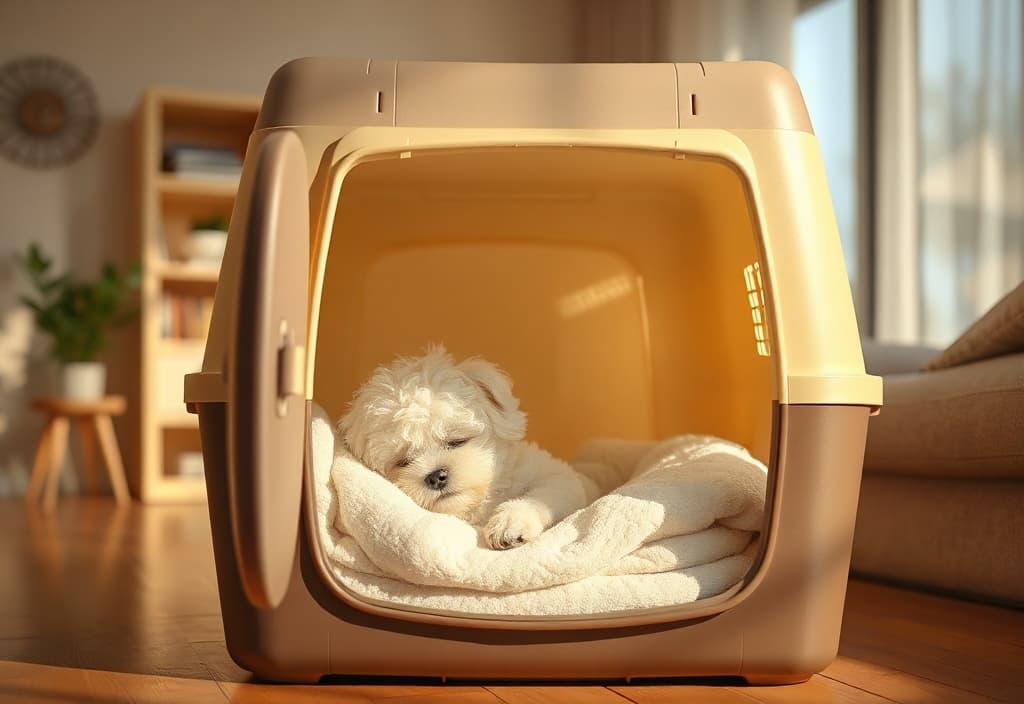
Dog crate training is a vital skill for safety and comfort. Learn specific methods for puppies and adult dogs to create a positive, stress-free environment.
Dog crate training methods for puppies and adult dogs
If you've ever dealt with a dog that treats their crate like a prison rather than a sanctuary, you are likely facing the consequences of an improper introduction. Many owners view the crate as a tool for confinement, but without the right psychological approach, it quickly becomes a source of significant stress for both the animal and the household. This guide provides general information only and does not constitute professional veterinary advice or behavioral therapy. If your dog exhibits signs of severe anxiety or self-harm, consult a certified trainer or a veterinary behaviorist immediately.
Why crate training actually matters
Ignoring the importance of crate training often leads to a phenomenon known as separation distress. According to observations from professional training organizations in 2023, dogs without a designated 'safe space' are 40% more likely to engage in destructive chewing or inappropriate elimination when left alone. The crate is not merely a box; it is a management tool that ensures safety during travel, provides a secure area for recovery after medical procedures, and prevents the ingestion of household toxins.
Failing to establish this foundation can result in expensive property damage or, more critically, physical injury to the dog. A dog that has not been trained to remain calm in a confined space may break teeth or nails attempting to escape a crate at a veterinary clinic or a groomer. By establishing the crate as a positive environment, you provide the dog with a coping mechanism for high-stress situations such as thunderstorms or holiday gatherings.
How to implement age-specific crate training
The approach to crate training must vary based on the dog's developmental stage. A 10-week-old puppy has different physiological and psychological needs compared to a 5-year-old rescue dog with an unknown history.
Training for puppies (8–16 weeks)
Puppies in this age bracket have limited bladder control and a natural instinct to stay close to their pack. The goal here is to build a positive association through frequency rather than duration.
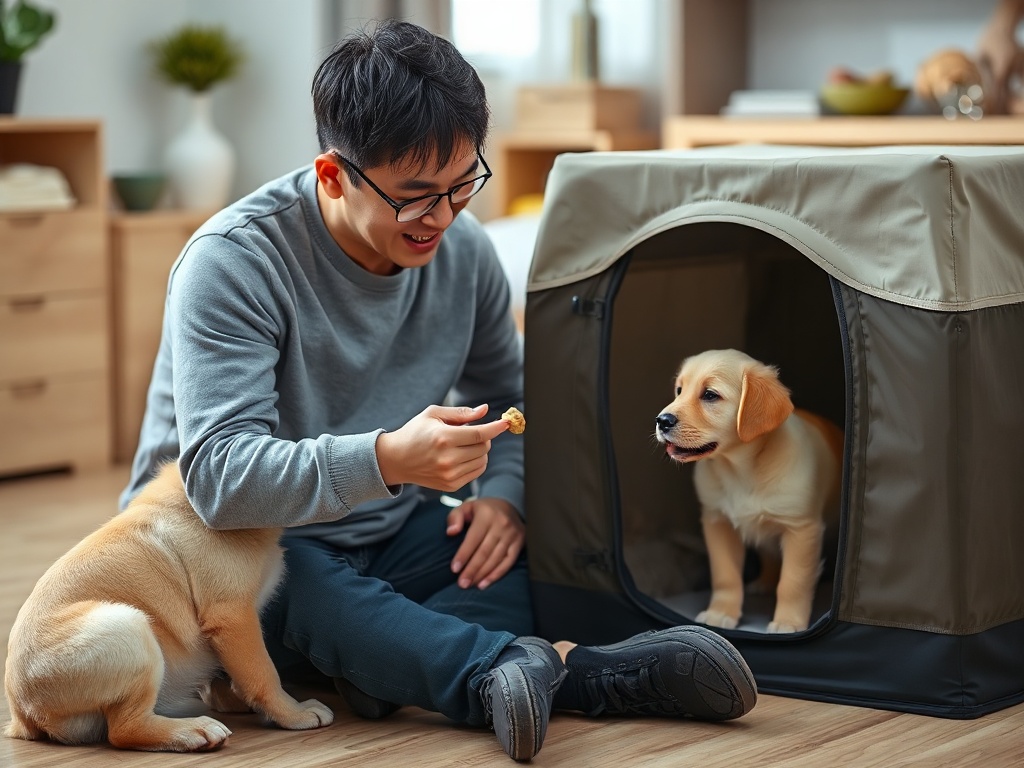
- The 5-minute rule: Start by tossing high-value treats into the crate. Let the puppy enter, eat, and exit freely. Repeat this 10–15 times per session.
- Mealtime integration: Feed every meal inside the crate. Initially, leave the door wide open. After 3–4 days, begin closing the door while they eat, opening it the moment they finish.
- Scheduled naps: Puppies require 18–20 hours of sleep per day. When the puppy falls asleep outside, gently move them into the crate to finish their nap.
Training for adult dogs (1–7 years)
Adult dogs may have existing negative associations or may simply be suspicious of new furniture. The process requires more patience and a focus on desensitization.
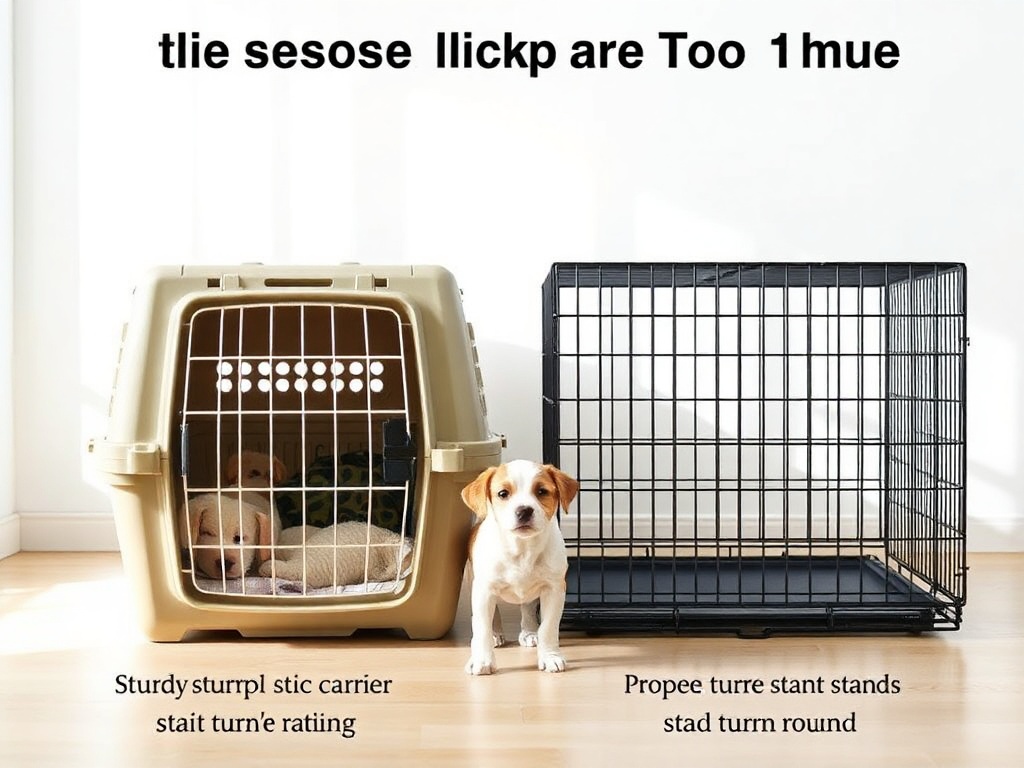
- Environmental setup: Place the crate in a high-traffic area like the living room so the dog does not feel isolated. Use a crate that is approximately 25% larger than the dog to allow for comfortable movement.
- The 'Value Loading' phase: Spend 20 minutes a day hiding 'surprises' in the crate, such as a new toy or a long-lasting chew. The dog should discover that good things happen in the crate even when you aren't asking them to go inside.
- Incremental duration: Once the dog is comfortable eating inside, close the door and sit beside the crate for 2 minutes. Gradually increase this by 5-minute increments over the course of 2 weeks.
Training for senior dogs (8+ years)
Senior dogs often face mobility issues or cognitive decline, making the physical comfort of the crate the top priority.
- Orthopedic support: Use high-quality memory foam bedding to support aging joints. Ensure the entrance is low so the dog does not have to step over a high lip.
- Temperature control: Older dogs struggle to regulate body temperature. Ensure the crate is not near a drafty window or a direct heat vent.
Critical decision criteria for owners
When deciding on a crate training schedule, you must evaluate two primary factors: your dog's temperament and your own daily time commitment.
Risk Tolerance: If your dog shows high levels of panic (heavy panting, drooling, or biting the bars), the risk of injury is high. In these cases, you must pause the training and use an exercise pen (X-pen) while seeking professional help.
Consistency Level: Crate training fails when owners are inconsistent. If you cannot commit to at least three 10-minute sessions per day for the first 21 days, the dog will likely struggle to form a lasting positive association.
Common mistakes and how to fix them
Even well-intentioned owners often fall into traps that stall progress. Recognizing these errors early can save months of frustration.
Using the crate as punishment
If you send your dog to the crate because they barked at the mail carrier or had an accident, you are teaching them that the crate is a 'time-out' zone. This creates a negative emotional response. Instead, only use the crate for positive confinement. If you need to separate the dog for a cooling-off period, use a different room or a baby gate.
Rushing the door closure
Many owners close the door and lock it the first time the dog walks in. This often triggers a 'trapped' sensation. To fix this, practice 'door games' where you swing the door shut for only 1 second and then immediately open it and reward. The dog must learn that the door closing is not a permanent state.
Responding to demand barking
If you let the dog out the moment they whine, you are inadvertently training them that noise equals freedom. Wait for at least 5–10 seconds of silence before opening the door. This reinforces that calm behavior is the key to exiting.
What readers may miss: When crate training is not the fit
It is important to acknowledge that crate training is not a universal solution. Some dogs suffer from 'confinement anxiety,' which is distinct from 'separation anxiety.' While a dog with separation anxiety might be fine in a crate if a human is in the room, a dog with confinement anxiety will panic regardless of who is present. If you observe your dog trembling, refusing treats while inside, or attempting to dig through the bottom of the crate, you should transition to a 'dog-proofed' room or a large exercise pen. Forcing a dog with true confinement phobia into a crate can lead to broken jaws or severe psychological trauma.
Summary of key steps
To ensure success in your crate training journey, keep these three points in mind:
- Positive Association: The crate must always be linked to high-value rewards and calm experiences.
- Gradual Progression: Never jump from a 5-minute session to a 4-hour session overnight; use incremental steps.
- Age-Appropriate Goals: Adjust your expectations based on the dog's physical capabilities and past history. Your next step: Today, place a high-value treat in the back of the crate and leave the door open. Do not ask the dog to enter; simply observe if they are willing to step inside on their own. If they do, you are ready to proceed with the mealtime integration step. If they refuse, stay in the 'Value Loading' phase for another 48 hours before attempting to close the door.
Previous
Dog Treat Selection for Training Success by Age Group
Next
Dog crate training methods for puppies and adult dogs
More in Pets

Pet First Aid Guide for Multi-Pet Households: Easy Steps for Beginners
Learn essential pet first aid tips for multi-pet households. Discover how to build a custom kit, handle choking, perform CPR, and coordinate emergencies.

Heartworm Prevention for Large Dogs: A Step-by-Step Home Guide
Heartworm prevention for large dogs requires precise dosing and consistency. Learn how to choose the right medication, manage schedules, and avoid common errors.

Introducing Two Dogs Successfully After a Failed First Attempt
Introducing two dogs requires a structured approach to prevent aggression. Follow this safety-first checklist to ensure a successful meeting and long-term peace.

Pet Birthday Party Ideas: Safety and Emergency Prep for Multi-Pet Homes
Explore pet birthday party ideas focused on safety and emergency prevention. Learn how to manage multi-pet dynamics, food risks, and stress during celebrations.