Dog Treat Selection for Training Success by Age Group
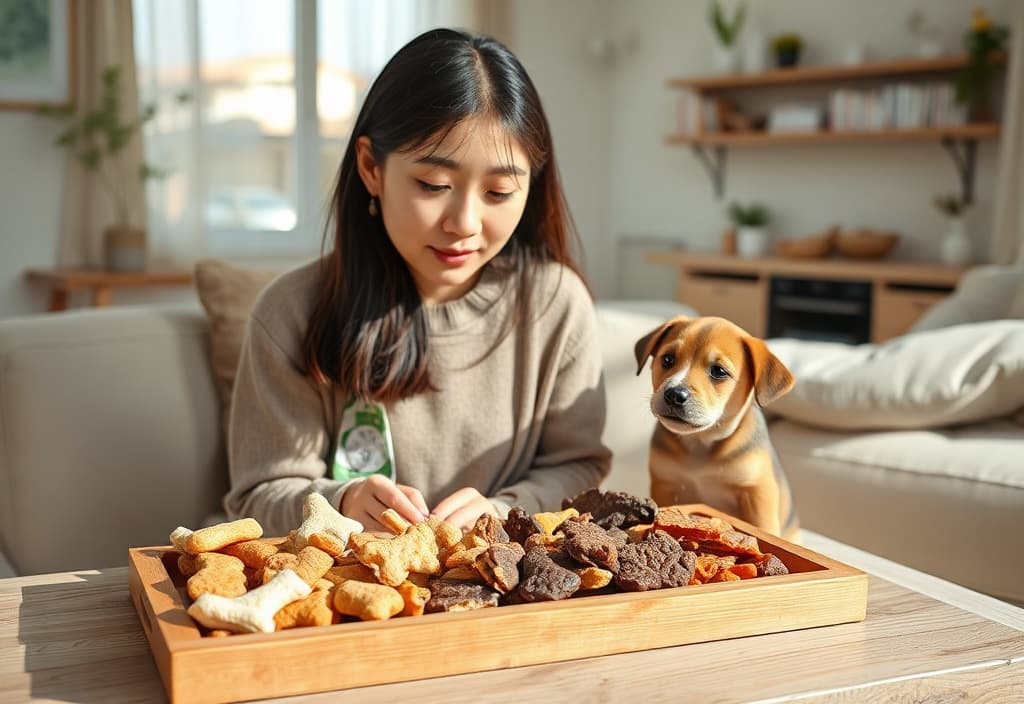
Key Takeaways
Choosing dog treats for training requires more than flavor. Learn how to select the best rewards based on age and nutritional needs for a healthy canine.
Dog Treat Selection for Training Success by Age Group
You've probably heard that any tasty snack works as a reward for training. It's not quite right. While a dog might eagerly eat whatever you offer, the nutritional density, texture, and caloric value of a treat can either accelerate their learning or lead to long-term health complications like obesity and lethargy. For owners accustomed to the specific dietary needs of cats, transitioning to the varied world of canine rewards requires a shift in perspective regarding frequency and motivation.
According to a 2018 survey by the Association for Pet Obesity Prevention, approximately 56% of dogs in the United States are classified as overweight or obese. This statistic highlights a critical failure in how owners manage supplemental feeding. Training requires high repetition, which naturally leads to a high volume of treats. If those treats are not carefully selected, the health cost of teaching a 'sit' command might outweigh the behavioral benefit. Understanding how to balance motivation with metabolic safety is the first step in a successful training journey.
The information provided here is for general educational purposes only and does not constitute veterinary medical advice, diagnosis, or treatment. Always consult with a licensed veterinarian before introducing new foods to your pet's diet, especially if they have underlying health conditions or food sensitivities.
Why Does the 10 Percent Rule Matter for Training?
The most fundamental rule in pet nutrition is that treats should never exceed 10% of a dog's total daily caloric intake. In a training context, this poses a significant challenge. A standard training session might involve 20–30 repetitions. If each treat is the size of a standard commercial biscuit, you will likely exceed the daily limit within a single five-minute session.
To manage this, you must look at the 'size-to-reward' ratio. For example, a single medium-sized dog biscuit can contain 30–40 calories. If you use 20 of these, you have added 600–800 calories to the dog's day. For a 20-pound dog, this is nearly double their required intake. Instead, professional trainers use treats the size of a pea or even a grain of rice. This allows for high-frequency reinforcement without the caloric fallout.
Meaningful training is built on the 'so what' factor. If the treat is too small or uninteresting, the dog will not see the point in performing a difficult task. If it is too large, the dog spends too much time chewing, which breaks the flow of the session and leads to early satiety. When a dog is full, they lose the motivation to work, effectively ending the training session prematurely.
How Do You Choose Treats for Puppies (3–12 Months)?
Puppies are in a state of constant growth and cognitive development. Between 3–12 months of age, their primary focus is on exploring the world with their mouths. During this stage, training sessions occur frequently—often 5–10 times a day—to reinforce housebreaking and basic socialization. This high frequency demands a specific type of reward.
Prioritize Soft Textures
Puppies have deciduous teeth that eventually fall out to make room for adult teeth. Hard, crunchy biscuits can sometimes be uncomfortable for a teething puppy to chew. Soft, moist treats are preferable because they can be consumed almost instantly. This immediacy is vital for effective puppy training because it links the reward to the behavior within the critical 1.5-second window of association.
Focus on High-Protein Content
Since puppies require significant protein for muscle and tissue development, look for treats where the first ingredient is a recognizable meat source, such as chicken, beef, or lamb. Avoid 'meat by-products' or 'animal meal' when possible, as these can be harder for a developing digestive system to process. Specifically, freeze-dried single-ingredient treats like beef liver are excellent for puppies because they provide intense flavor with minimal additives.
Watch for Digestive Sensitivity
It is common for puppies to have sensitive stomachs. When introducing a new training treat, start with a very small amount and wait 24 hours to observe their stool consistency. If you notice diarrhea or excessive gas, that specific protein or preservative may be too rich for them. In practice, many owners find that plain, boiled chicken breast is the safest and most effective high-value reward for a young puppy.
What Are the Best Rewards for Adult Dogs (1–7 Years)?
Adult dogs generally have more stable digestive systems but higher levels of environmental distraction. An adult dog walking in a park is competing with squirrels, other dogs, and various scents. To keep their attention, you need a 'hierarchy' of rewards. This means using different treats for different levels of difficulty.
The Hierarchy of Value
- Low-Value Rewards: Use these for behaviors the dog already knows well in low-distraction environments (e.g., 'Sit' in the living room). Examples include their regular kibble or plain Cheerios.
- Medium-Value Rewards: Use these for new commands or moderately distracting areas. Examples include commercial jerky strips or store-bought soft chews.
- High-Value Rewards: Reserve these for the most difficult tasks, such as 'Recall' (coming when called) in a crowded park. Examples include small pieces of string cheese, hot dogs (low sodium), or freeze-dried tripe. In practice, if you use a high-value reward like cheese for a simple 'sit' every day, the reward loses its power. The dog becomes 'spoiled' and may refuse to work for anything less. By varying the rewards, you keep the dog engaged and curious about what might come next.

How Should Senior Dog Treats Differ (7+ Years)?
As dogs age, their metabolic rate decreases by approximately 20%. This means that the same treat regimen used during their adult years will almost certainly lead to weight gain in their senior years. Obesity in senior dogs is particularly dangerous as it puts extra strain on aging joints and can exacerbate conditions like arthritis or heart disease.
Focus on Functional Ingredients
For senior dogs, treats should serve a dual purpose: motivation and health support. Look for treats containing glucosamine, chondroitin, or omega-3 fatty acids. These ingredients help support joint health and cognitive function. Many senior-specific treats are formulated to be lower in fat and calories to account for the dog's more sedentary lifestyle.
Dental Considerations
Many dogs over the age of 7 suffer from some degree of periodontal disease. Hard treats can be painful or even cause tooth fractures in seniors with weakened enamel. Opt for 'lickable' treats or very soft chews that do not require significant mastication. For example, using a small amount of plain, non-fat Greek yogurt on a silicone lick mat can be a highly effective way to reward a senior dog during grooming or stationary training.
Critical Caveats and When This Advice May Fail
While the guidelines above apply to many dogs, there are several scenarios where these recommendations might not be effective or could even be harmful. It is essential to recognize these exceptions before starting a rigorous training program.
The Failure of Food Motivation
Not all dogs are food-motivated. Some breeds, particularly those in the sighthound or livestock guardian groups, may find environmental stimuli far more rewarding than a piece of chicken. In these cases, using food as the primary training tool will fail. You must identify what the dog actually values—this could be a game of fetch, a specific scent, or simply moving forward on a walk. If your dog turns their head away from a high-value treat, do not force it; instead, reassess their motivation level and stress.
Health-Related Restrictions
Dogs with chronic conditions such as pancreatitis, kidney disease, or diabetes cannot follow standard treat advice. For a dog with pancreatitis, even a small piece of cheese (high fat) can trigger a life-threatening flare-up. For these dogs, 'treats' often have to be limited to their prescribed veterinary diet kibble or specific low-fat vegetables like steamed green beans or sliced cucumbers.
Decision Criteria for Owners
When choosing a treat, use these two criteria to make your final decision:
Digestibility vs. Value: Does the treat cause loose stools? If a high-value treat like liver causes digestive upset, its 'value' is negated by the physical discomfort it causes the dog. Always prioritize a treat that the dog's body can process efficiently.
Preparation Time vs. Training Frequency: If you are doing 3 sessions a day, can you realistically prepare fresh chicken every time? If not, you need a shelf-stable alternative that matches that value level. Consistency in the reward is more important than the occasional 'gourmet' snack.
What Multi-Pet Households Need to Know
If you are primarily a cat owner who has recently added a dog to the family, you must be vigilant about cross-species treat consumption. Cat treats are often designed to be highly palatable with very high fat and protein concentrations. While they are not inherently toxic to dogs, they are far too calorie-dense for canine training.
Furthermore, many cat owners use 'pill pockets' or soft treats that contain high levels of sodium. Dogs are more sensitive to sodium intake than many people realize. Specifically, ensure that any dog treats kept in the house do not contain Xylitol (often listed as birch sugar). This artificial sweetener is found in some 'human-grade' peanut butters and specialty snacks and is lethally toxic to dogs, causing rapid insulin release and liver failure.

Critical Warnings and Common Mistakes
- The Xylitol Trap: Always check the label of any peanut butter or 'sugar-free' treat. Xylitol can kill a dog in small amounts.
- Human Food Dangers: Never use grapes, raisins, onions, or chocolate as rewards. These are toxic and can cause permanent organ damage or death.
- Over-Treating: If you find your dog is leaving their regular dinner untouched, you are likely over-treating during the day. This creates a 'picky eater' and unbalances their long-term nutrition.
- Choking Hazards: Avoid giving small, hard treats to brachycephalic (flat-faced) breeds like Pugs or Bulldogs during active training, as they may struggle to breathe and swallow simultaneously.
- Sodium Levels: Avoid commercial jerky made for humans, as the sodium content is often 5–10 times higher than what is safe for a dog.
Summary and Next Steps
To ensure your training is both effective and safe, keep these three points in mind:
Match the Treat to the Task: Use low-value kibble for easy wins and high-value meats for difficult environmental challenges.
Adjust for Age: Focus on soft, high-protein rewards for puppies and low-calorie, functional treats for seniors.
Respect the 10 Percent Rule: Treat calories must be subtracted from the total daily food allowance to prevent obesity. Action to take today: Check the ingredient label of your current dog treats. If the first ingredient is a carbohydrate (like wheat or corn) or if you see 'birch sugar' (Xylitol) anywhere on the list, set those treats aside and replace them with a single-ingredient protein reward like freeze-dried chicken or beef. Before proceeding with a high-intensity training schedule, verify your dog's current weight with a veterinarian to ensure you are starting from a healthy baseline. If your dog shows signs of lethargy or refuses food, pause the training and consult a professional.
Previous
Dog Brushing and Coat Care Guide for Multi-Pet Homes
Next
Dog Treat Selection for Training Success by Age Group
More in Pets

Pet First Aid Guide for Multi-Pet Households: Easy Steps for Beginners
Learn essential pet first aid tips for multi-pet households. Discover how to build a custom kit, handle choking, perform CPR, and coordinate emergencies.
Heartworm Prevention for Large Dogs: A Step-by-Step Home Guide
Heartworm prevention for large dogs requires precise dosing and consistency. Learn how to choose the right medication, manage schedules, and avoid common errors.

Introducing Two Dogs Successfully After a Failed First Attempt
Introducing two dogs requires a structured approach to prevent aggression. Follow this safety-first checklist to ensure a successful meeting and long-term peace.
Pet Birthday Party Ideas: Safety and Emergency Prep for Multi-Pet Homes
Explore pet birthday party ideas focused on safety and emergency prevention. Learn how to manage multi-pet dynamics, food risks, and stress during celebrations.