Cat Constipation Solutions: Effective Relief for Your Feline
Key Takeaways
Cat constipation requires careful management. Learn to identify symptoms, adjust diets, and know when to seek professional veterinary help for your cat.
Cat Constipation Solutions: Effective Relief for Your Feline
I remember the winter of 2019 when my senior cat stopped using her litter box regularly, right as I was busy managing the recovery of my 90-pound German Shepherd after his hip surgery. The contrast between the large-scale needs of the dog and the subtle, quiet suffering of the cat was a stark reminder that feline health issues are often masked by their stoic nature. My cat began spending long periods in the litter box with nothing to show for it, her posture tense and her appetite waning, which eventually led to a late-night trip to the veterinary clinic.
Disclaimer: The information provided in this article is for general educational purposes only. It does not constitute medical diagnosis, treatment, or veterinary advice. If your cat has not had a bowel movement for more than 48 hours, or if they are vomiting and lethargic, please consult a qualified veterinarian immediately.
What are the early signs of feline constipation?
This section is for pet owners who have just noticed a change in their cat's bathroom habits and are looking for initial indicators of a problem. Identifying the issue early is the most effective way to prevent a minor backup from becoming a medical emergency.
In a healthy digestive system, a cat should typically produce a bowel movement every 24–36 hours. If you notice that your cat is skipping days or producing stools that are extremely hard, dry, and pebble-like, they are likely experiencing the early stages of constipation. For those of us used to the large, obvious stools of big dogs, these small feline changes can be easy to miss if you are not checking the litter box daily.
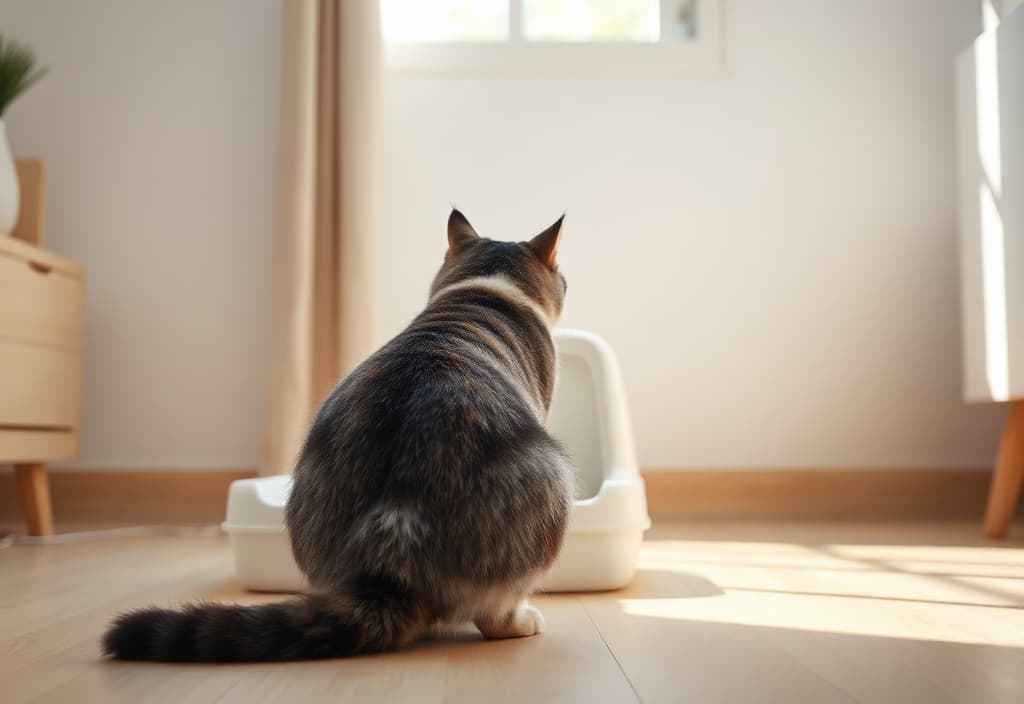
Specific signs to watch for include straining in the litter box, vocalizing while attempting to defecate, or finding small pieces of stool outside the box. According to a 2020 report from the Cornell Feline Health Center, approximately 10% of feline veterinary visits related to digestive issues involve some form of constipation. In practice, this often manifests as a cat that enters the box, scratches around, assumes the crouching position, but leaves without producing anything. If this behavior repeats 3–5 times in a single afternoon, it is a clear signal that the stool is too dry or too large to pass comfortably.
How can diet and hydration resolve digestive blockages?
This level of guidance is for owners who have confirmed their cat is struggling and are ready to implement specific dietary changes to support better motility. Transitioning from a dry-food-only diet to one that incorporates significant moisture is often the first line of defense.
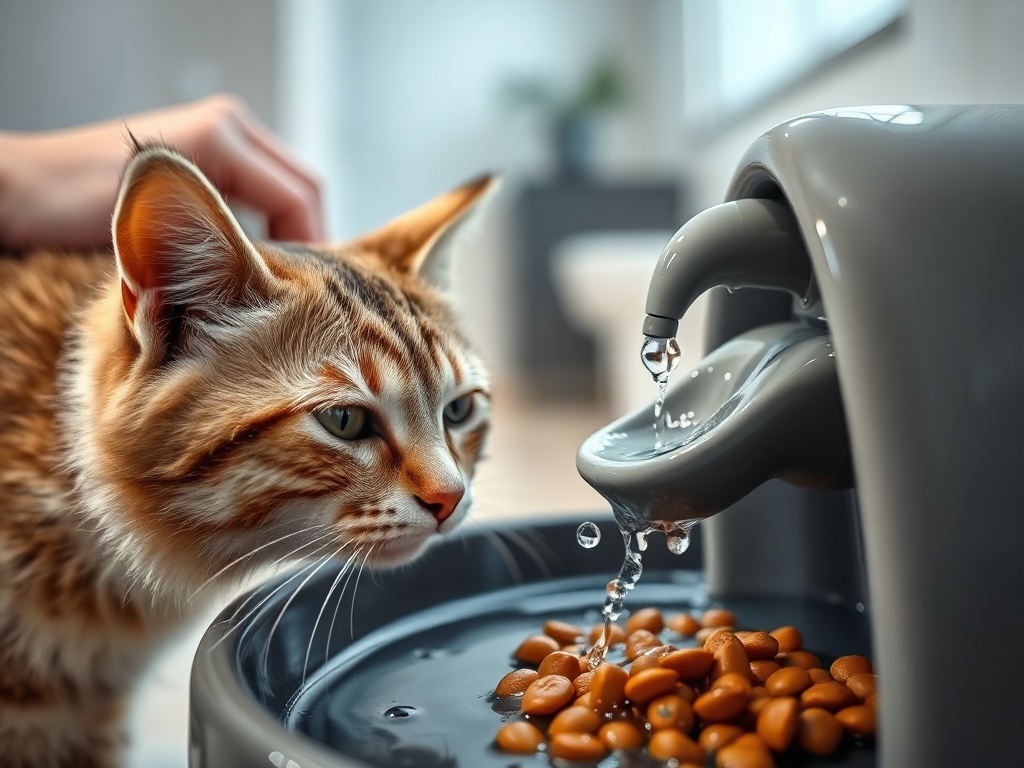
Cats have a low thirst drive because their ancestors evolved to get most of their hydration from prey. When we feed them dry kibble, which typically contains only 10% moisture, they often live in a state of mild, chronic dehydration. This leads the colon to reabsorb too much water from the waste, resulting in hard stools. Increasing water intake is essential. For example, adding two tablespoons of warm water to every meal can significantly increase daily fluid consumption.
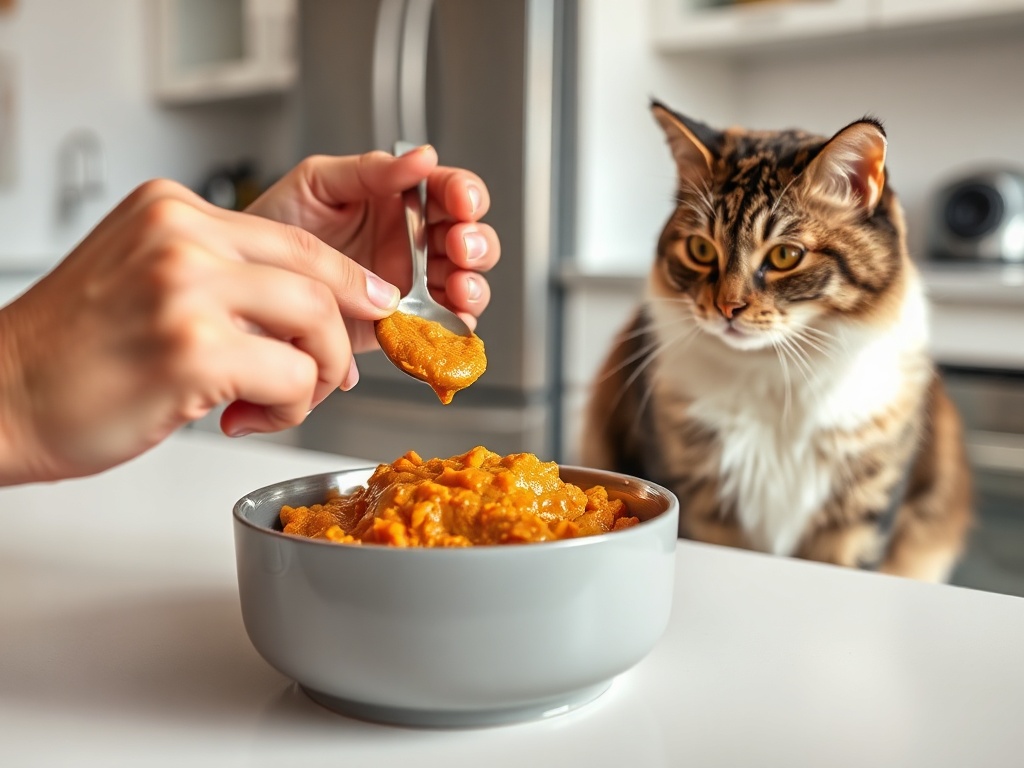
Another effective method is the introduction of soluble fiber. Specifically, adding 1–2 teaspoons of plain, canned pumpkin puree (not pumpkin pie filling) to their food can provide the necessary bulk and moisture to move waste along. Fiber acts like a sponge, holding water within the stool to keep it soft. In my experience, many cats in multi-pet households tend to sneak food from the dog's bowl, which is often higher in grain and lower in the specific proteins cats need, further complicating their digestion. Ensuring your cat has a dedicated, quiet space to eat their high-moisture meals is a simple but effective strategy.
Advanced considerations for chronic feline constipation
This section is for experienced owners dealing with recurring issues or cats with underlying conditions like megacolon or kidney disease. When simple dietary fixes are insufficient, a more clinical and structured approach is required under veterinary supervision.
Advanced management often involves the use of prescription diets specifically formulated with high fiber content, sometimes reaching 15% or more of the total nutritional profile. Veterinarians may also prescribe stool softeners like lactulose or prokinetic medications that help the muscles of the colon contract more effectively. It is important to note that as cats age, their kidney function often declines; this makes them even more prone to constipation because the body prioritizes water for the kidneys over the digestive tract.
In severe cases, a condition called megacolon can develop, where the colon becomes permanently distended and loses its ability to push waste out. According to VCA Animal Hospitals (2022), megacolon may require surgical intervention if medical management fails. For owners of large dogs, the idea of a 'stretched colon' might seem less urgent, but in a small animal like a cat, this can lead to systemic toxicity as waste sits and putrefies. Monitoring the frequency of movements becomes a lifelong task, requiring a log or a digital tracker to ensure the cat never goes more than 2 days without a successful movement.
Critical caveats and when home remedies fail
There are several situations where the advice mentioned above will not apply or may even be dangerous. It is vital to understand these boundaries before attempting to treat a cat at home.
- The Dehydration Trap: If you add fiber to a cat's diet without also increasing their water intake, the fiber can actually make the constipation worse. The fiber will absorb whatever little water is in the gut, creating an even harder mass that is impossible to pass.
- Urinary Emergencies: As mentioned earlier, many owners mistake a cat straining to urinate for constipation. If you wait 24 hours to see if 'fiber works' on a cat that actually has a urinary blockage, the result could be fatal. Always check the litter box for urine clumps.
- Underlying Disease: Constipation is often a symptom, not the primary disease. It can be caused by arthritis (making it painful to crouch), pelvic injuries, or even tumors. If the constipation returns after you have improved the diet, there is a 90% chance an underlying physical issue is present.
Decision criteria for taking action
When deciding how to proceed, consider these two primary criteria to determine the urgency of your response:
Physical Comfort and Behavior: Is your cat still eating and acting normally, or are they hiding and refusing food? If they are eating and active, you can likely start with mild dietary changes (Step: Proceed). If they are lethargic or vomiting, the situation is no longer a simple digestive fix (Step: Verify with a vet).
Duration of the Issue: If it has been less than 36 hours since the last movement, you have time to encourage hydration and play (Step: Proceed). If it has been 48–72 hours, the stool is likely becoming impacted (Step: Pause home treatment and call a clinic).
The role of environmental stress in feline digestion
What many readers miss is that cats are highly sensitive to their environment, and stress can cause the digestive system to slow down significantly. In a home with large dogs, a cat may feel 'trapped' in the litter box if the dog is constantly sniffing around the door or the box itself. This leads to the cat 'holding it' for as long as possible, which allows the colon to dry out the stool.
Specifically, ensure the litter box is in a location where the cat has at least two exit paths and cannot be cornered by a curious dog. I found that moving my cat's box to a laundry room with a 'cat door' that the dog couldn't fit through reduced her constipation episodes by nearly 50% within the first month. This behavioral component is just as important as the nutritional one.
Conclusion and next steps
Managing cat constipation requires a balance of hydration, fiber, and environmental management. By staying vigilant and noticing the subtle signs of straining, you can prevent the development of chronic conditions like megacolon.
- Prioritize Hydration: Transition to wet food and consider a fountain to encourage drinking.
- Monitor Consistency: Ensure the cat produces soft waste every 24–36 hours.
- Reduce Stress: Keep the litter box area safe and inaccessible to larger pets. Your action for today: Clean the litter box completely and measure out exactly 200ml of water into a fresh bowl. Check back in 24 hours to see exactly how much your cat has consumed and whether they have successfully used the box. If they have not, and it has already been 2 days, call your veterinarian to schedule an exam.
Previous
Dog crate training methods for puppies and adult dogs
Next
Cat Constipation Solutions: Effective Relief for Your Feline
More in Pets

Pet First Aid Guide for Multi-Pet Households: Easy Steps for Beginners
Learn essential pet first aid tips for multi-pet households. Discover how to build a custom kit, handle choking, perform CPR, and coordinate emergencies.

Heartworm Prevention for Large Dogs: A Step-by-Step Home Guide
Heartworm prevention for large dogs requires precise dosing and consistency. Learn how to choose the right medication, manage schedules, and avoid common errors.

Introducing Two Dogs Successfully After a Failed First Attempt
Introducing two dogs requires a structured approach to prevent aggression. Follow this safety-first checklist to ensure a successful meeting and long-term peace.

Pet Birthday Party Ideas: Safety and Emergency Prep for Multi-Pet Homes
Explore pet birthday party ideas focused on safety and emergency prevention. Learn how to manage multi-pet dynamics, food risks, and stress during celebrations.