Heartworm Prevention for Large Dogs: A Step-by-Step Home Guide

Key Takeaways
Heartworm prevention for large dogs requires precise dosing and consistency. Learn how to choose the right medication, manage schedules, and avoid common errors.
Heartworm Prevention for Large Dogs: A Step-by-Step Home Guide
The evening air feels heavy and humid against your skin as you watch your dog roam through the tall grass at the edge of the park. You notice a swarm of small insects hovering near the damp ground, and despite the fading light, the rhythmic sound of crickets fills the space. As your dog stops to sniff a particularly interesting patch of brush, a single mosquito circles their ears, searching for a place to land amidst the thick fur of a large breed. This single moment represents the primary point of transmission for a parasite that can cause permanent damage to a dog's respiratory and circulatory systems.
General Information Disclaimer
The information provided in this article is for educational and general informational purposes only. It does not constitute veterinary advice, diagnosis, or treatment. Heartworm prevention involves prescription medications that require a professional diagnosis and a negative heartworm test before initiation. Always consult with a qualified veterinarian before starting or changing any medication regimen for your pet.
Why Prevention Planning Matters for Large Breeds
Heartworm disease, caused by the parasite Dirofilaria immitis, is transmitted exclusively through the bite of an infected mosquito. For owners of large breeds, such as German Shepherds, Labradors, or Great Danes, the stakes of prevention are particularly high. The physical size of the animal means that treatment for an active infection is significantly more expensive and physically taxing than it is for smaller dogs. According to data from the American Heartworm Society (AHS) 2022 survey, heartworm incidence continues to rise across various geographic regions, making consistent prevention a non-negotiable part of responsible ownership.
Prevention works by eliminating the larval stages of the heartworm that have been introduced into the dog's body within the previous 30 days. It does not kill adult worms. This is why the timing of administration is critical. If you miss a dose by even a few days, the larvae may mature into a stage that is no longer susceptible to the preventive medication. For a large dog, an adult heartworm infection can involve dozens of worms measuring up to 12 inches in length living in the heart and pulmonary arteries.
Comparison of Prevention Methods
When preparing to manage heartworm prevention at home, you must choose between three primary delivery methods. Each has distinct advantages and requirements based on your dog's lifestyle and your ability to maintain a schedule.
Oral Chewables
Oral medications are the most common form of home prevention. These are usually flavored tablets given once every 30 days. They often include additional ingredients to control intestinal parasites like hookworms and roundworms.
- Pros: Easy to administer if the dog is food-motivated; no messy residue on the fur; highly effective when given on time.
- Cons: Can be spat out or vomited; requires a strict 30-day memory or reminder system; effectiveness is lost if the dog has undiagnosed digestive issues during administration.
Topical Spot-On Treatments
Topical preventives are applied directly to the skin, usually between the shoulder blades. These are also applied once every 30 days and often provide protection against fleas and ticks in addition to heartworms.
- Pros: Good for dogs with sensitive stomachs who cannot tolerate oral meds; covers multiple parasite types in one application.
- Cons: Can be difficult to apply through the thick double coats of many large breeds; the dog cannot get wet or be bathed for 24–48 hours after application; potential for skin irritation at the site of contact.
Long-Acting Injectables
While this method is administered by a veterinarian, it is a crucial comparison point for owners who struggle with the 30-day home schedule. Options like ProHeart 6 or ProHeart 12 provide protection for 6 or 12 months, respectively.
- Pros: Eliminates the risk of owner forgetfulness; guaranteed dosing for the duration of the shot.
- Cons: Requires a vet visit; cannot be reversed once injected if the dog has a rare allergic reaction; does not usually cover intestinal parasites or fleas.
Criteria for Selecting the Right Method
Choosing the best prevention strategy for your large dog involves more than just picking a brand. You should evaluate your situation based on these three decision criteria:
Weight Accuracy and Cost: Large dogs often fall into the highest weight brackets (e.g., 50–100 lbs or over 100 lbs). Ensure you have an accurate, recent weight for your dog. Under-dosing a 110-pound dog with a tablet meant for a 100-pound dog can leave them vulnerable to infection. Cost is also a factor, as large-breed doses can be 2–3 times more expensive than small-breed versions.
Lifestyle and Environment: If your dog swims 3–4 times a week or requires frequent medicated baths for skin conditions, a topical treatment may be less effective due to wash-off risks. In these cases, oral or injectable options are superior.
Risk Tolerance: If you have a busy schedule and have missed medication dates in the past, your risk tolerance for a 30-day oral tablet should be low. The injectable route might be the safer choice to ensure the dog is never unprotected.
Step-by-Step Execution for Home Prevention
Once you and your vet have selected a method, follow these steps to ensure the prevention is effective and safe.
Step 1: The Mandatory Blood Test
Before giving any preventive, your dog must be tested for existing heartworm infections. Giving preventive medication to a heartworm-positive dog can be dangerous. If adult worms are present, the preventive can cause a sudden die-off of microfilariae (baby worms), leading to a severe, potentially fatal anaphylactic-type reaction. Even if your dog has been on prevention, annual testing is recommended by the AHS to ensure the medication hasn't failed due to missed doses or resistance.
Step 2: Weight Verification
Large dogs can fluctuate in weight by 5–10 pounds over a season. Before purchasing a 6-month or 12-month supply of medication, weigh your dog at the vet or on a large scale. If your dog is 98 pounds and the medication bracket ends at 100 pounds, a small amount of weight gain could render the next dose insufficient.
Step 3: Setting a Hard Schedule
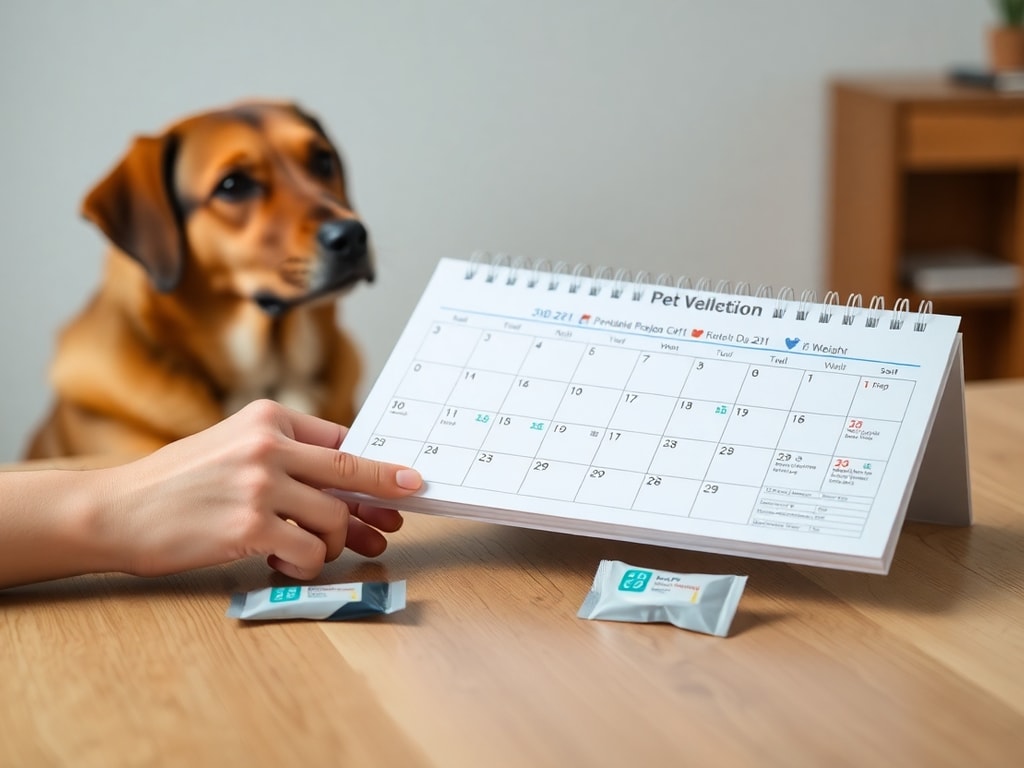
Consistency is the only way home prevention works. Use a digital calendar with recurring alerts or a physical sticker on a wall calendar. Specifically, aim to administer the dose on the same day every month (e.g., the 1st or the 15th). In practice, if you are more than 15 days late, you should consult your vet about the need for an early re-test in 6 months.
Step 4: Administration and Observation
For oral chewables, watch the dog eat the entire tablet. Some large dogs are experts at hiding pills in their cheeks and spitting them out later. For topicals, part the hair until you see the skin. In large breeds with thick fur, like Malamutes or Huskies, simply pouring the liquid on top of the fur will result in zero absorption. Observe the dog for 1–2 hours after administration for any signs of lethargy, vomiting, or facial swelling.
Critical Caveats: When This Advice May Fail
While following a prevention plan is highly effective, there are specific scenarios where the advice above may not apply or could fail to protect your dog.
The Resistance Factor
In some areas, particularly the Mississippi River Valley, there have been documented cases of heartworm strains showing reduced susceptibility to macrocyclic lactones (the active ingredients in most preventives). If you live in a high-incidence area, relying solely on one type of medication without additional mosquito repellent measures might not be enough. This is a critical caveat: prevention is highly effective but not 100 percent guaranteed in the face of evolving parasite resistance.
The Safety Gap
If you rescue a large dog with an unknown medical history, you cannot start prevention immediately. It takes approximately 6 months for a heartworm infection to show up on a standard antigen test. A dog could test negative today but actually be harboring larvae that will mature in 4 months. In these cases, a second test 6 months after the initial one is mandatory to verify the dog's status.
Improper Application in Large Breeds
A common mistake among large dog owners is the 'split dose' error. Because the medication is expensive, some owners might buy a larger dose and try to divide it between two dogs. This is a significant mistake. The active ingredients are not always distributed evenly within a tablet or liquid, meaning one dog gets too much and the other gets too little. Specifically, the concentration of Ivermectin must be precise to reach the therapeutic threshold in a large animal's bloodstream.
Critical Decision Matrix
Before you proceed with your next dose, evaluate your dog's current status using these three categories.
Proceed with Home Prevention
- Your dog has had a negative heartworm test within the last 12 months.
- You have the correct medication weight bracket for your dog's current weight.
- Your dog is showing no signs of illness, such as coughing or lethargy.
Pause and Consult a Vet
- You have missed more than two consecutive months of prevention.
- Your dog has recently traveled to a high-infection area (like the Gulf Coast) while unprotected.
- Your dog is a breed with potential MDR1 gene mutations (like Collies or Australian Shepherds), which can make them sensitive to high doses of certain preventives.
Verify with an Official Source
- If you notice a change in the medication's color, texture, or expiration date.
- If your dog has started a new medication for a different condition, as drug interactions can occur.
Summary and Next Steps
Protecting a large dog from heartworms is a long-term commitment that requires more than just an occasional pill. To ensure your dog remains healthy, remember these three key points:
Year-round consistency is mandatory. Mosquitoes can emerge during unseasonably warm winter days, and missing just one month can open a window for infection.
Weight-based dosing is critical for large breeds. Always verify your dog's weight before starting a new box of medication to avoid under-dosing.
Annual testing is your safety net. Even with perfect administration, a yearly blood test is the only way to confirm that your prevention strategy is working. Your action for today: Check your dog's last heartworm test date and the expiration date on your current supply of medication. If the test was more than 12 months ago or you have less than a one-month supply left, call your veterinarian to schedule an appointment and secure a new prescription.
Previous
Introducing Two Dogs Successfully After a Failed First Attempt
Next
Heartworm Prevention for Large Dogs: A Step-by-Step Home Guide
More in Pets

Pet First Aid Guide for Multi-Pet Households: Easy Steps for Beginners
Learn essential pet first aid tips for multi-pet households. Discover how to build a custom kit, handle choking, perform CPR, and coordinate emergencies.

Introducing Two Dogs Successfully After a Failed First Attempt
Introducing two dogs requires a structured approach to prevent aggression. Follow this safety-first checklist to ensure a successful meeting and long-term peace.

Pet Birthday Party Ideas: Safety and Emergency Prep for Multi-Pet Homes
Explore pet birthday party ideas focused on safety and emergency prevention. Learn how to manage multi-pet dynamics, food risks, and stress during celebrations.

Why Dogs Kick Their Back Legs: 3 Key Reasons for Pet Owners
Understand why dogs kick their back legs after pottying or while nesting. Learn the roles of scent marking, instinctual behavior, and potential medical issues.