Pet Birthday Party Ideas: Safety and Emergency Prep for Multi-Pet Homes
Key Takeaways
Explore pet birthday party ideas focused on safety and emergency prevention. Learn how to manage multi-pet dynamics, food risks, and stress during celebrations.
Pet Birthday Party Ideas: Safety and Emergency Prep for Multi-Pet Homes
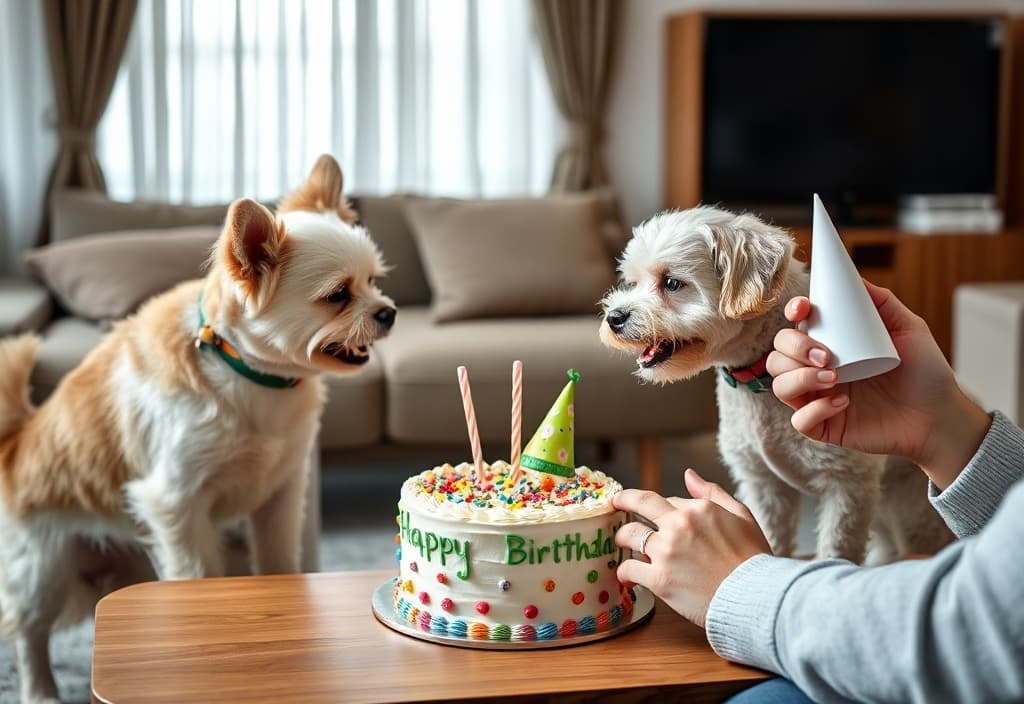
If you have ever attempted to organize a celebration for one pet while simultaneously managing the personalities and appetites of three or four others, you know that a festive atmosphere can shift into a medical emergency in a matter of seconds. The challenge of a multi-pet household is that every individual animal brings a unique set of dietary needs, behavioral triggers, and physical limitations to the table. What serves as a delightful treat for a young, healthy Labrador might be a life-threatening trigger for a senior cat with kidney issues or a smaller dog prone to pancreatitis. This general information serves to highlight the logistical and safety considerations required to ensure your celebration remains a happy memory rather than a trip to the emergency clinic. Always consult with your veterinarian before introducing new foods or high-stress environments to your pets.
How have pet celebrations evolved and what are the current risks?
In the past, celebrating a pet birthday was typically a low-key event involving a single extra treat or a new ball. The focus was almost entirely on the individual pet, and the 'party' rarely involved complex logistics. Owners generally stuck to standard commercial pet treats, which, while not always nutritional, were at least formulated for animal consumption. The environment remained controlled, and the risk of cross-contamination or social conflict was minimal because the scale of the event was so small.
Today, the landscape of pet ownership has shifted toward 'pet parenthood,' where celebrations often mirror human birthdays. We now see elaborate 'pupcakes,' themed decorations, and gatherings that include multiple animals from the same household or even the neighborhood. While this reflects a beautiful bond between humans and their animals, it has introduced new categories of risk. The rise of human-grade pet bakeries means more pets are being exposed to rich, high-fat ingredients that their digestive systems are not equipped to handle. Furthermore, the pressure to create a 'social media-worthy' moment often leads to pets being placed in uncomfortable costumes or crowded situations that prioritize aesthetics over animal welfare.
This shift toward complexity means that in a multi-pet home, the 'birthday pet' is no longer the only variable. You must now account for the 'bystander pets' who may feel excluded, stressed by the change in routine, or tempted to steal toxic human snacks left on a coffee table. The modern approach to pet parties must prioritize safety-first enrichment over visual spectacle, moving away from high-risk decorations and toward species-appropriate activities that accommodate the entire household.
What are the primary dietary hazards in a multi-pet celebration?
Food is the centerpiece of most parties, but it is also the primary source of emergency vet visits during celebrations. In a household with multiple pets, the risk is compounded by the varying tolerances of each animal. For example, a 60-pound dog might tolerate a small piece of cheese, while the same portion could cause severe gastrointestinal distress in a 10-pound feline housemate.
One of the most significant risks is the 'hidden' ingredient. Many sugar-free human snacks contain Xylitol (also known as birch sugar), which is extremely toxic to dogs even in minute quantities. Similarly, many 'all-natural' peanut butters have replaced fats with Xylitol. If a guest brings a snack or if you are baking at home, a single oversight can be fatal. Statistics from veterinary toxicology groups suggest that calls regarding Xylitol poisoning often spike during holiday and party seasons because of the increased presence of baked goods in the home.
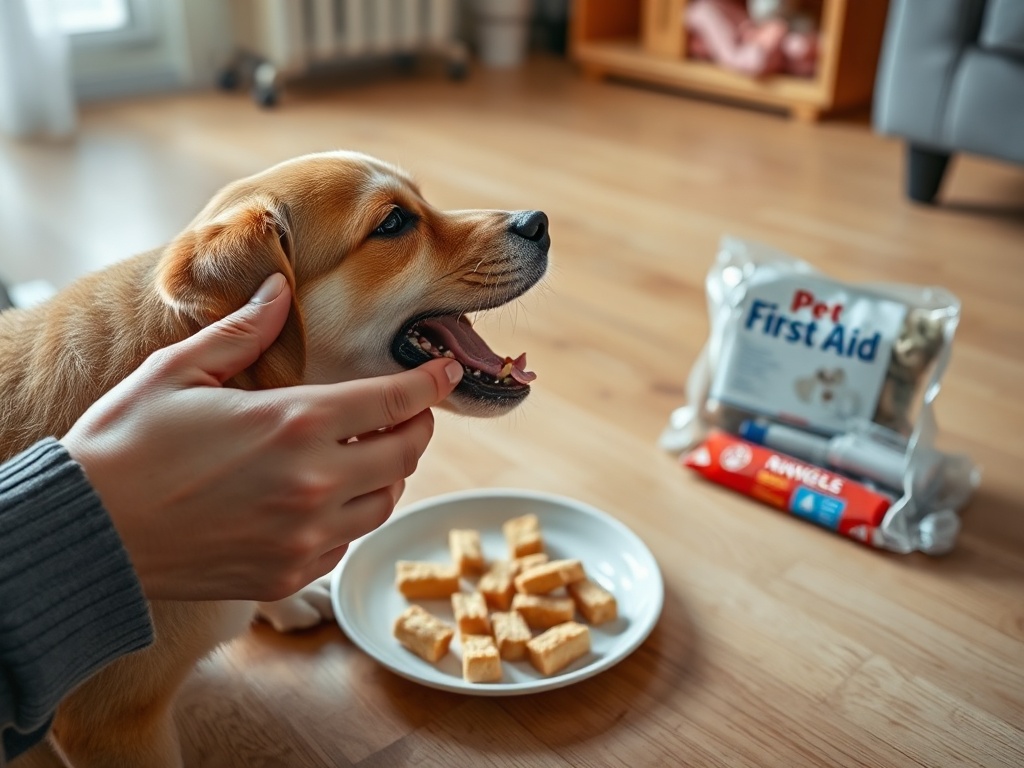
Dietary indiscretion often leads to pancreatitis, an inflammation of the pancreas usually triggered by high-fat foods. In practice, this happens when a pet steals a piece of bacon from a tray or is fed too much 'pet-safe' cake that is still high in fats and sugars. Veterinary observations indicate that approximately 70% of acute pancreatitis cases are linked to a specific incident of eating fatty table scraps or excessive treats. In a multi-pet home, the danger is that you may not even see which pet ate the offending item until they start showing symptoms like vomiting or lethargy hours later.
To manage this, follow these specific guidelines:
- Adhere to the 10% rule: Treats should never exceed 10% of a pet's daily caloric intake.
- Use separate feeding stations: If you are serving a special birthday meal, place each pet in a different room or behind a barrier to prevent resource guarding and overeating.
- Check labels for Xylitol, grapes, raisins, onions, and chocolate: These are common party ingredients that are toxic to both cats and dogs.
- Monitor the trash: Pets are experts at raiding trash cans filled with discarded cake wrappers or meat scraps once the humans are distracted.
Why is environmental safety more complex in multi-pet homes?
Decorations that seem harmless can quickly become surgical emergencies. Balloons are a classic example. If a balloon pops, the sudden noise can trigger a flight response in an anxious pet, leading to injuries as they scramble to hide. More dangerously, the latex fragments are a significant choking hazard. In a multi-pet home, if one dog starts chewing on a popped balloon, another might try to 'steal' it, leading to a frantic swallowing reflex that results in an intestinal blockage.
Ribbons and string are particularly dangerous for cats. Linear foreign bodies—where a string gets caught under the tongue and the rest is pulled through the intestines—are among the most difficult and expensive surgeries to perform. If you are decorating with ribbons, ensure they are completely inaccessible to your feline companions. In practice, this means hanging decorations from the ceiling rather than the walls where a cat might jump to reach them.
Lighting and candles also pose a risk. A single pet might be trained to avoid a coffee table, but in the excitement of a party with three or four pets running around, a tail wag or a sudden pounce can easily knock over a lit candle. This presents a fire hazard for the home and a severe burn risk for the animals. Switching to battery-operated LED candles is a simple way to eliminate this risk while maintaining the festive ambiance.
How do you manage social stress and resource guarding?
Multi-pet households operate on a delicate social hierarchy that can be easily disrupted by the high-energy environment of a party. Resource guarding is the most common cause of inter-pet aggression during celebrations. When a 'high-value' item like a birthday marrow bone or a special toy is introduced, even the best of friends may fight.
Specifically, you should watch for 'stiffening' of the body. If a dog stands over an object and freezes when another pet approaches, an emergency is imminent. In cats, this might look like a low growl or a fixed stare. To prevent these encounters, avoid giving 'communal' gifts. Instead, give each pet their own lower-value enrichment toy in their own space.
Another factor is the 'social battery' of each pet. Some pets are social butterflies, while others are easily overstimulated. In a household with three dogs, perhaps two enjoy the chaos, but the third might become fearful. This fear can manifest as 'fear-aggression,' where the pet lashes out because they feel cornered by the noise and movement.
Consider these behavioral management steps:
Establish 'Safe Zones': Designate a bedroom or a crate area as a 'no-party zone' where pets can go if they feel overwhelmed.
Limit the guest list: If you are inviting human guests, keep the numbers low. A 2-to-1 pet-to-human ratio is often the maximum for maintaining safety.
Pre-party exercise: A 30-minute walk or a vigorous play session before the party starts can help lower the overall energy level in the house.
Short duration: Keep the 'active' part of the celebration (the singing, cake eating, and photo ops) to under 20 minutes to prevent overstimulation.
When might these celebration ideas fail to work?
It is important to recognize that not every pet is a candidate for a birthday party. If your household includes a pet with a history of severe anxiety, chronic illness, or aggressive tendencies, the best 'gift' you can give them is a normal, quiet day. Forcing a pet into a party environment can lead to a condition called 'stress-induced illness,' such as feline idiopathic cystitis in cats or stress colitis in dogs, both of which require medical intervention.
Furthermore, if you have a pet on a strict prescription diet for kidney, liver, or heart issues, even 'pet-safe' birthday cakes are off-limits. In these cases, the risk of a metabolic crisis far outweighs the benefit of a celebratory treat. You must also consider the age of your pets. Senior pets have lower tolerances for noise and physical activity; a party that delights a puppy might be physically painful or confusing for a 14-year-old dog with arthritis.
Critical Caveats: What you might miss
There are several 'invisible' risks that owners often overlook when planning a pet party. One of the most common is scent sensitivity. Many 'pet-themed' candles or air fresheners contain essential oils that are toxic to cats or irritating to a dog's sensitive nose. Citrus, peppermint, and tea tree oils should be avoided in multi-pet environments.
Another caveat is the risk of 'bloat' (GDV) in large-breed dogs. If your celebration involves high-energy play followed immediately by a large 'birthday meal' or cake, the risk of the stomach flipping increases. This is a life-threatening emergency that requires surgery within hours. Always wait at least 60 minutes after heavy exercise before feeding a large meal, and vice versa.
Lastly, verify the credentials of any 'pet bakery' you use. Ensure they provide a full list of ingredients and that they do not use artificial dyes or excessive amounts of honey and molasses, which can cause sudden spikes in blood sugar, particularly in pre-diabetic pets.
Decision Criteria for a Safe Celebration
When deciding how to celebrate, use these two primary criteria to evaluate your plan:
Risk Tolerance and Health History
Evaluate the 'weakest link' in your multi-pet chain. If one pet has a sensitive stomach or a history of seizing under stress, your party must be designed around their needs, not the 'birthday' pet's desires. If the risk of a medical flare-up is high, opt for a 'photo-only' celebration where the pets are not actually consuming new foods or interacting in high-stress ways.
Behavioral Dynamics
Assess the current state of harmony in your home. If there has been recent tension or a change in the household (like a new pet or a move), a party will only exacerbate the stress. A party should only proceed if all pets are currently in a stable, relaxed social state. If you are unsure, consult a professional animal behaviorist to evaluate your pets' body language before planning a group event.
Summary and Next Steps
Planning a pet birthday in a multi-pet home requires a balance of fun and high-level risk management. To ensure the day ends on a positive note, remember these three key points:
- Prioritize Ingredient Safety: Avoid all human-grade toxins and keep fat content low to prevent pancreatitis.
- Manage the Environment: Remove physical hazards like balloons and ribbons, and provide individual safe spaces for every pet.
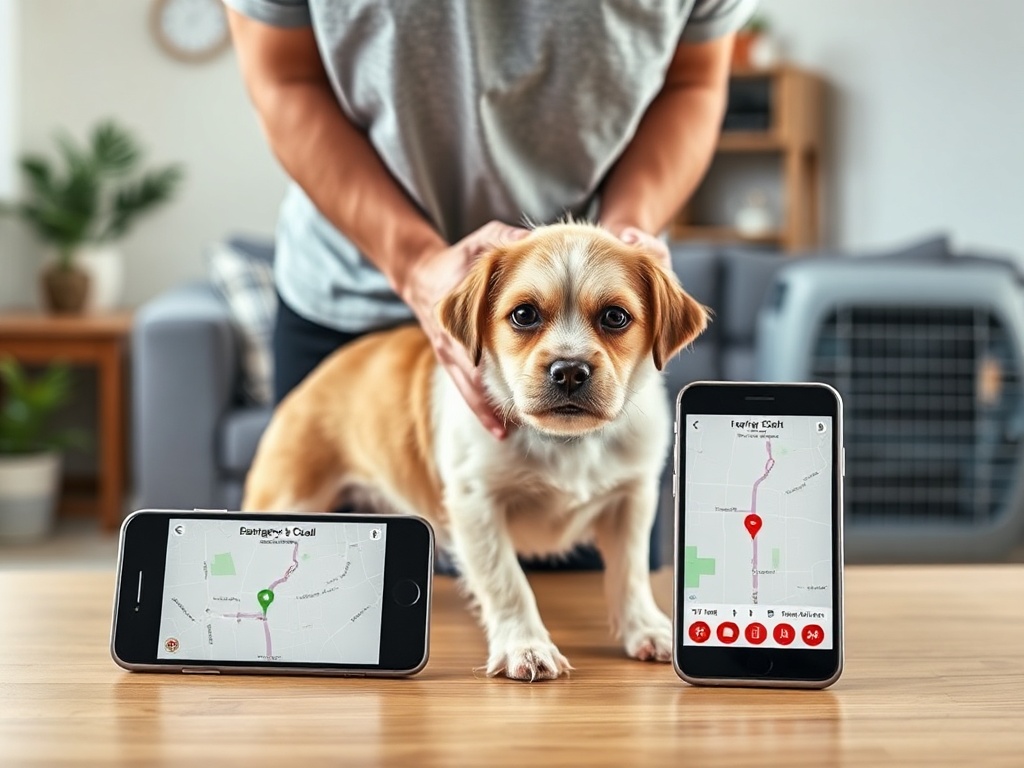
- Control the Energy: Keep celebrations short and monitor for signs of stress or resource guarding to prevent fights. Your specific action to take today: Find the phone number and address of the nearest 24-hour emergency veterinary clinic and save it as a 'favorite' contact in your phone. Having this information ready can save vital minutes in the event that a pet ingests something toxic or an injury occurs during your celebration. Proceed with your party plans only if your pets are healthy and socially stable; pause if you notice any signs of anxiety; and verify all food ingredients with your vet if any of your pets have underlying health conditions.
Previous
Why Dogs Kick Their Back Legs: 3 Key Reasons for Pet Owners
Next
Pet Birthday Party Ideas: Safety and Emergency Prep for Multi-Pet Homes
More in Pets

Pet First Aid Guide for Multi-Pet Households: Easy Steps for Beginners
Learn essential pet first aid tips for multi-pet households. Discover how to build a custom kit, handle choking, perform CPR, and coordinate emergencies.

Heartworm Prevention for Large Dogs: A Step-by-Step Home Guide
Heartworm prevention for large dogs requires precise dosing and consistency. Learn how to choose the right medication, manage schedules, and avoid common errors.

Introducing Two Dogs Successfully After a Failed First Attempt
Introducing two dogs requires a structured approach to prevent aggression. Follow this safety-first checklist to ensure a successful meeting and long-term peace.

Why Dogs Kick Their Back Legs: 3 Key Reasons for Pet Owners
Understand why dogs kick their back legs after pottying or while nesting. Learn the roles of scent marking, instinctual behavior, and potential medical issues.