Pet Hair Shedding Management: A Checklist for New Owners
Key Takeaways
Managing pet hair shedding requires a systematic approach. This guide provides a detailed checklist for cleaning fur from furniture, floors, and the air.
Pet Hair Shedding Management: A Checklist for New Owners
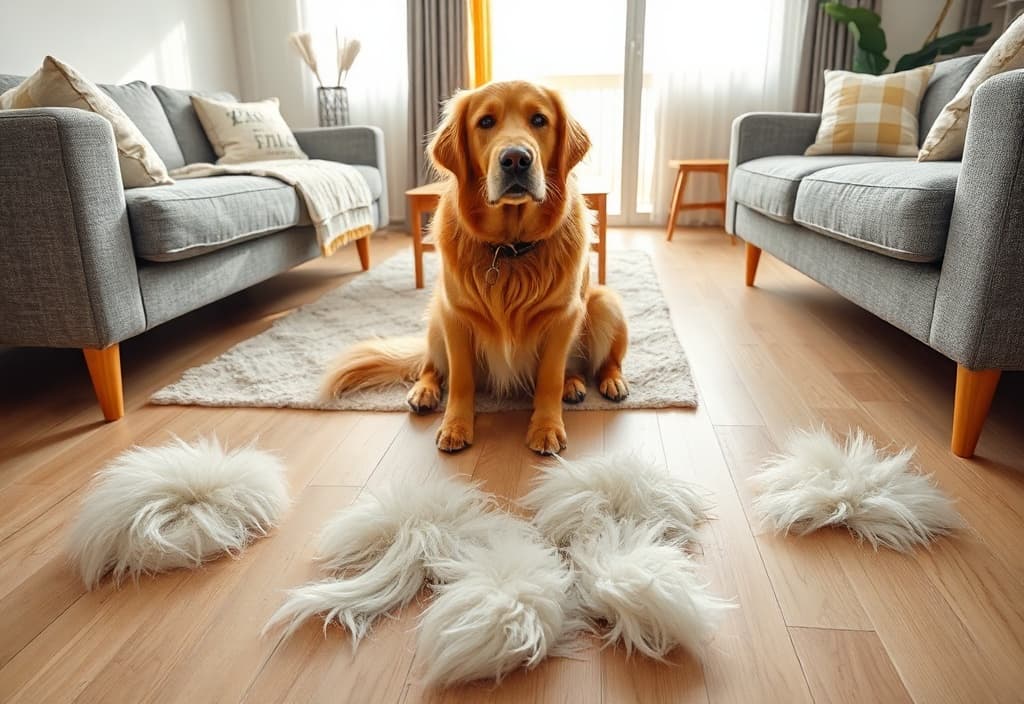
Someone I know once visited a neighbor who lived with two large, double-coated dogs in a relatively small apartment. Within five minutes of sitting on the sofa, their dark navy trousers were almost entirely obscured by a thick layer of light-colored fur. The neighbor, seemingly oblivious, continued the conversation while small clumps of hair drifted across the hardwood floor like tumbleweeds every time the air conditioning kicked in. It was a vivid demonstration of how quickly an indoor environment can be overtaken by shedding if a systematic management plan is not in place.
Understanding the Scope of Household Fur Management
Adopting a pet brings immense joy, but for many, the reality of constant shedding comes as a surprise. Shedding is a natural physiological process where old or damaged hair falls out to make room for new growth. The volume of hair produced depends on factors such as breed, health, and environmental temperature. Managing this effectively is not just about aesthetics; it is about maintaining indoor air quality and hygiene. Without a routine, pet hair can clog HVAC filters, exacerbate allergies, and damage delicate electronic equipment by obstructing cooling fans.
This article outlines the strategies necessary to keep a home clean while sharing it with shedding animals. We will progress from basic grooming techniques to advanced environmental controls, concluding with a practical checklist that can be implemented immediately. It is important to note that this information is for general educational purposes only. If a pet exhibits sudden, patchy hair loss or skin irritation, it is essential to consult a qualified veterinarian, as these can be signs of underlying medical conditions rather than standard shedding.
Foundational Grooming and Prevention for Beginners
For those new to pet ownership, the most effective way to manage hair is to stop it from reaching the floor in the first place. This begins with a consistent grooming schedule. Brushing a pet for 10–15 minutes every day can remove a significant portion of loose fur before it has the chance to fall off naturally. The type of tool used is critical; for example, a simple slicker brush works well for surface tangles, but a dedicated undercoat rake is necessary for breeds with dense secondary coats to reach the trapped fur near the skin.
Bathing also plays a role, though it should be done sparingly. Over-bathing can strip natural oils from the skin, leading to dryness and increased shedding. Specifically, using a deshedding shampoo once every 4–6 weeks can help loosen the undercoat during peak shedding seasons, such as spring and autumn. In my experience, brushing the pet thoroughly both before and after the bath ensures that the maximum amount of loose hair is captured and disposed of in a controlled manner.
This concludes the foundational overview for those new to pet ownership. The following section moves into advanced environmental control and deep-cleaning protocols for those dealing with high-volume shedding.
Advanced Cleaning Technologies and Environmental Control
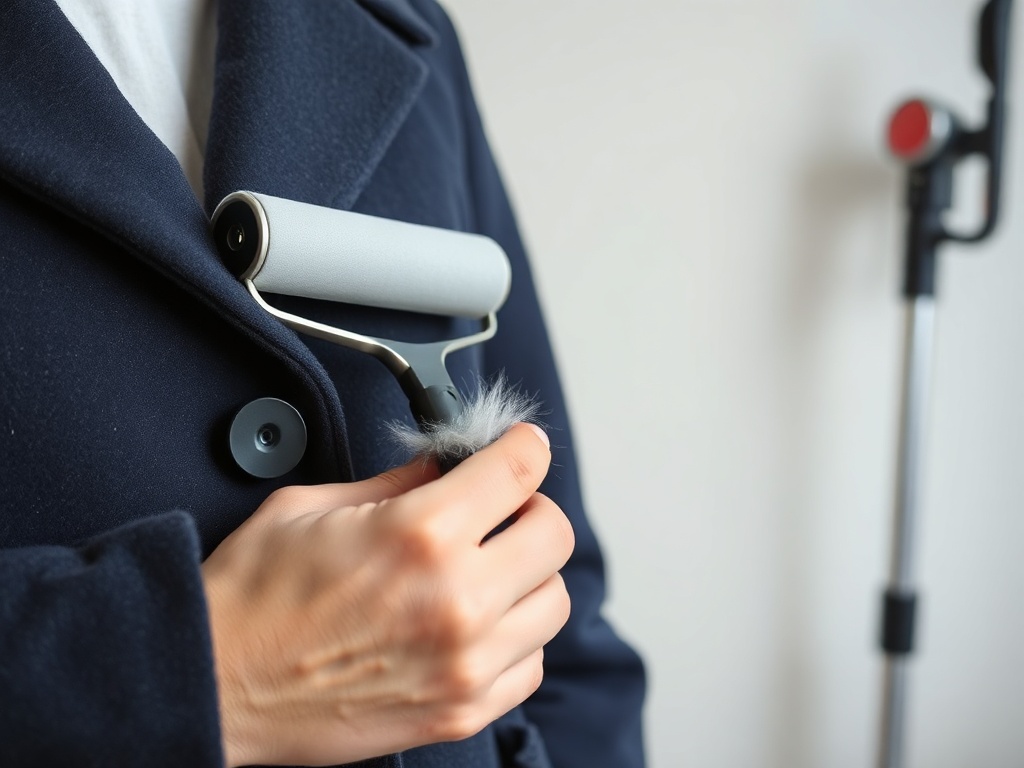
When pet hair becomes an environmental constant, basic sweeping is rarely sufficient. Advanced management requires an understanding of the physics of fur, particularly static electricity. Pet hair is naturally charged and tends to cling to surfaces like magnets. To combat this, maintaining a household humidity level of 45–55 percent is effective. When the air is too dry, static builds up, making it nearly impossible to lift hair from carpets and upholstery. Using a humidifier during winter months can significantly reduce the 'cling' of pet fur.
Air filtration is another critical component. High-Efficiency Particulate Air (HEPA) filters are designed to capture 99.97 percent of particles as small as 0.3 microns. While pet hair is much larger than this, the dander and microscopic fragments attached to the hair are what often trigger allergies. Running a standalone air purifier with a HEPA grade filter in the rooms where the pet spends the most time can keep the air clear of floating fibers. In practice, I have found that placing a purifier near the pet's favorite sleeping spot is the most effective way to catch hair before it migrates throughout the house.
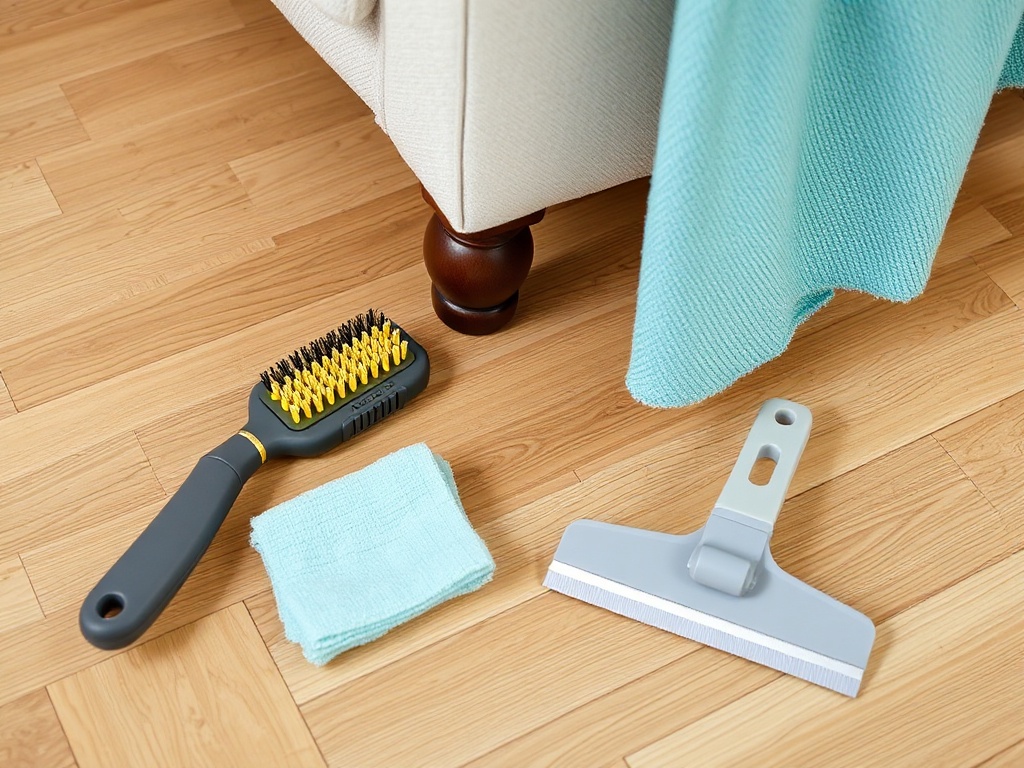
For flooring, the choice of vacuum cleaner is paramount. A vacuum intended for pet owners should have a minimum suction power of 2,000 to 2,500 Pascals (Pa) if it is a robotic unit, or high Air Wattage for upright models. Look for 'tangle-free' brush rolls that use rubber blades instead of traditional bristles. Traditional bristles often become so entwined with long hair that the vacuum loses suction within minutes. Additionally, using a rubber squeegee on carpets before vacuuming can pull deep-seated hair to the surface, making the mechanical suction much more effective.
The Critical Maintenance Checklist
To maintain a clean home, consistency is more important than intensity. Use the following checklist to organize your cleaning routine based on frequency and necessity.
Daily Tasks
- Perform a 10-minute grooming session with an appropriate brush for the pet's coat type.
- Use a damp microfiber cloth or an electrostatic mop on hard floors to capture surface hair.
- Clear pet hair from the food and water bowl area to prevent ingestion of loose fur.
Weekly Tasks
- Vacuum all carpets and rugs using a high-suction vacuum with a HEPA filter.
- Launder pet bedding on a cycle of at least 60 degrees Celsius to kill dust mites and loosen hair.
- Wipe down baseboards and furniture legs where hair tends to accumulate due to air currents.
- Clean the vacuum cleaner's brush roll and empty the canister to maintain maximum airflow.
Monthly Tasks
- Replace or wash filters in air purifiers and HVAC systems (check every 30 days).
- Use a specialized fabric rake on upholstered furniture to remove embedded hairs.
- Bathe the pet using a pH-balanced shampoo designed for their specific skin needs.
When Standard Cleaning Methods Fail
There are instances where even the most diligent cleaning routine feels inadequate. It is important to recognize when the advice provided may not apply or when a different approach is required. For example, if a resident has a severe animal dander allergy, cleaning the hair alone will not suffice, as the allergen is a protein found in the skin and saliva. In such cases, removing carpets entirely in favor of hard flooring is often the only sustainable solution.
Furthermore, some cleaning methods can be counterproductive.
A common mistake is using a standard broom on hardwood floors; this often just launches the hair into the air, allowing it to settle on higher surfaces like countertops or bookshelves. Instead, a damp mop or an electrostatic sweeper should be used to trap the hair.
Another warning involves the use of scented cleaning products; many pets are sensitive to strong fragrances, and some essential oils are toxic to dogs and cats. Always verify the safety of any cleaning chemical used in areas where pets sleep or eat.
Finally, be aware that excessive shedding can sometimes be a 'false' problem. If you are cleaning more hair than usual, check the indoor temperature. If the home is kept very warm during the winter, the pet's body may react by shedding its winter coat prematurely. Adjusting the thermostat by just 2–3 degrees can sometimes stabilize the shedding cycle.
Decision Criteria for Management Tools
When choosing which tools to invest in, consider these two primary criteria to ensure you are making a sustainable choice for your lifestyle.
Financial Investment vs. Time Savings
High-end appliances, such as specialized pet vacuums and air purifiers, carry a significant upfront cost, often ranging from 300 to 800 dollars. However, these tools can reduce daily cleaning time by 20–30 minutes. If your schedule is demanding, the investment in automation (like a robot vacuum) is justifiable. Conversely, if you have a limited budget, manual tools like rubber brushes and microfiber cloths are highly effective but require significantly more physical labor and time.
Maintenance and Longevity
Consider the ongoing cost and effort required to maintain the tools themselves. A vacuum that requires expensive proprietary bags or frequent filter replacements (every 1–2 months) can become a financial burden. Evaluate whether the components are easy to clean. A brush roll that requires a screwdriver to remove for cleaning is less likely to be maintained than one that pops out with a single button. Choose tools that match your willingness to perform regular maintenance.
Critical Caveats and What You May Miss
Readers often overlook the impact of laundry on pet hair management. Fur that is stuck to clothing or bedding can survive a standard wash cycle and end up clogging the drain pump of the washing machine. To prevent this, always run clothes through a 10-minute 'air fluff' or low-heat dryer cycle before washing. The tumbling action and airflow will pull much of the hair into the lint trap, protecting your washing machine.
Additionally, do not ignore the 'hidden' areas. Pet hair frequently accumulates behind refrigerators, inside electronic consoles, and under heavy furniture. These areas act as reservoirs that redistribute hair every time there is a draft. Cleaning these spots at least once every three months is essential for long-term control.
Conclusion
Managing pet hair is a multifaceted task that requires a blend of prevention, technology, and routine. By focusing on these three key points, you can significantly improve your living environment:
Prevention through daily grooming is more effective than any cleaning tool.
Environmental factors like humidity and HEPA filtration are essential for managing airborne fur and dander.
Consistency in a weekly cleaning schedule prevents hair from becoming embedded in fabrics and flooring. Your specific action to take today: Check the lint trap in your clothes dryer and the filter in your primary vacuum cleaner. If they are full or dirty, clean them immediately to restore the efficiency of your hair-removal systems. Next steps:
- Proceed: If your pet is shedding normally and you have the basic tools, start the daily 10-minute grooming routine.
- Pause: If you find yourself vacuuming multiple times a day with no improvement, evaluate your home's humidity levels.
- Verify: Consult a veterinarian if you notice thinning patches of fur or if the pet is scratching excessively, as this may indicate a health issue rather than a cleaning problem.
Previous
Feline Cognitive Dysfunction: Managing Cognitive Decline in Cats
Next
Pet Hair Shedding Management: A Checklist for New Owners
More in Pets

Pet First Aid Guide for Multi-Pet Households: Easy Steps for Beginners
Learn essential pet first aid tips for multi-pet households. Discover how to build a custom kit, handle choking, perform CPR, and coordinate emergencies.

Heartworm Prevention for Large Dogs: A Step-by-Step Home Guide
Heartworm prevention for large dogs requires precise dosing and consistency. Learn how to choose the right medication, manage schedules, and avoid common errors.
Introducing Two Dogs Successfully After a Failed First Attempt
Introducing two dogs requires a structured approach to prevent aggression. Follow this safety-first checklist to ensure a successful meeting and long-term peace.

Pet Birthday Party Ideas: Safety and Emergency Prep for Multi-Pet Homes
Explore pet birthday party ideas focused on safety and emergency prevention. Learn how to manage multi-pet dynamics, food risks, and stress during celebrations.