Vegetarian guest hosting recipes you can prep on weekends
Key Takeaways
Vegetarian guest hosting recipes made easy. Learn how to prep plant-based dishes on weekends, freeze them safely, and master smart ingredient substitutions.
Have you ever spent four hours in the kitchen chopping vegetables for a dinner party, only to have your guests arrive while you were still covered in flour and crying over minced onions? In my early days of hosting vegetarian dinners, this was my exact reality because I tried to cook everything from scratch on Saturday afternoon. I watched YouTube videos of chefs effortlessly plating five-course meals in ten minutes, but in practice, my kitchen looked like a disaster zone and the food was served two hours late.
Why do vegetarian guest hosting recipes fail without a weekend prep strategy?
Preparing vegetarian guest hosting recipes can be deceptively labor-intensive because plant-based cooking relies heavily on washing, peeling, chopping, and pre-cooking raw produce. Unlike meat dishes that can often roast in the oven with minimal hands-on intervention, a great vegetarian spread usually requires multiple distinct vegetable components. In my experience, a common mistake is underestimating the prep time for these components, leading to a frantic rush as the dinner hour approaches. If you are preparing a menu for 6 guests, chopping all the onions, garlic, carrots, and herbs on the same day can easily consume 90 minutes before you even turn on the stove.
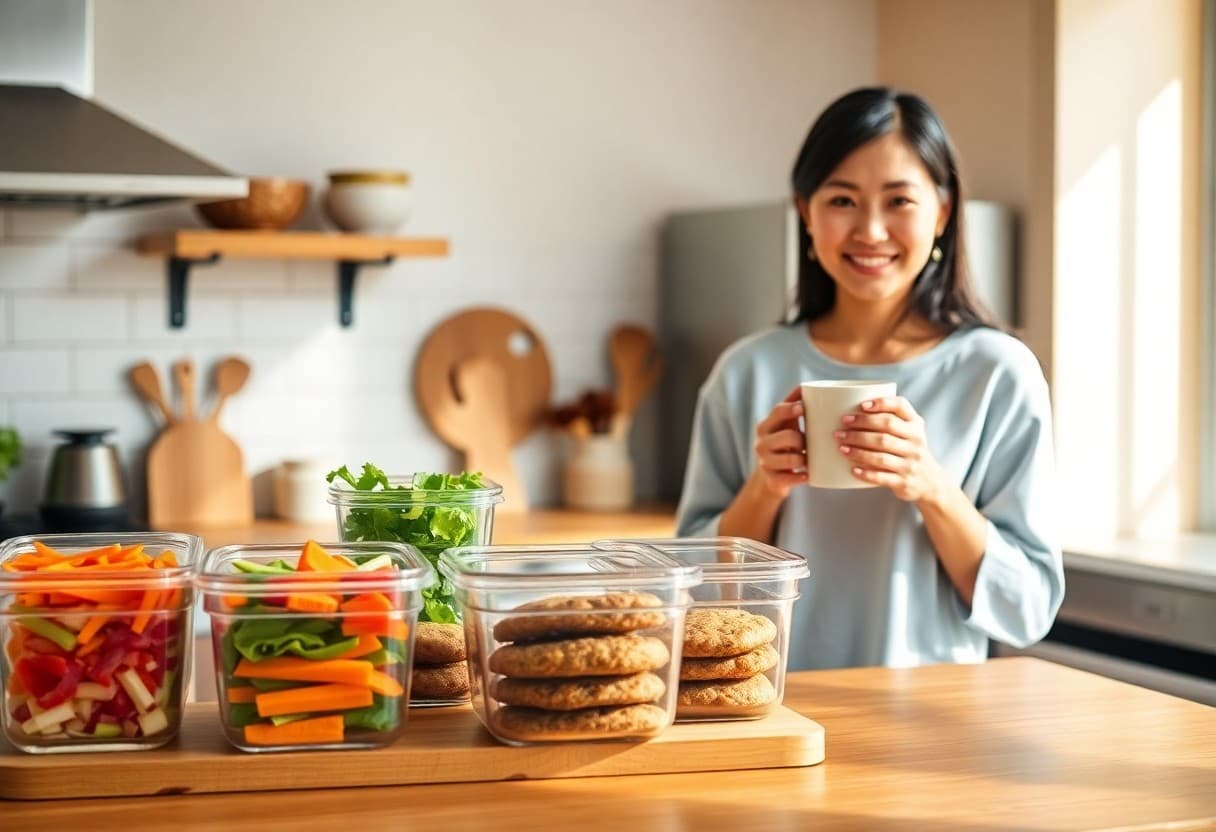
To avoid this kitchen chaos, adopting a weekend prep strategy is a necessary condition for stress-free entertaining. Specifically, doing the heavy lifting 2 days in advance allows you to focus on flavor adjustments and guest interaction during the actual event. For example, washing and drying leafy greens, roasting root vegetables, and preparing bases like tomato sauce or vegetable stock can be done on Sunday afternoon. This approach reduces your active cooking time on the day of the party to less than 30 minutes. However, a caution to keep in mind is that not all vegetables handle storage well; watery vegetables like cucumbers or raw tomatoes will degrade quickly if cut too early, so you must select your prep items based on their shelf-life criteria.
In my early cooking days, I would watch popular channels where hosts prepared elaborate vegetarian banquets in what seemed like real-time. What they did not show was the team of prep cooks who spent hours washing, peeling, dicing, and portioning every single component beforehand. My first attempt at a multi-course vegetarian meal was a complete disaster because I tried to prepare five different dishes simultaneously on a Saturday afternoon. I spent over three hours just chopping butternut squash, dicing bell peppers, and mincing fresh ginger. By the time my guests arrived, my kitchen counters were piled high with vegetable scraps, and I was too exhausted to enjoy the evening. This failure taught me that a meticulous prep strategy is not just helpful—it is absolutely essential for survival.
How can you build a freezer-friendly menu for plant-based entertaining?
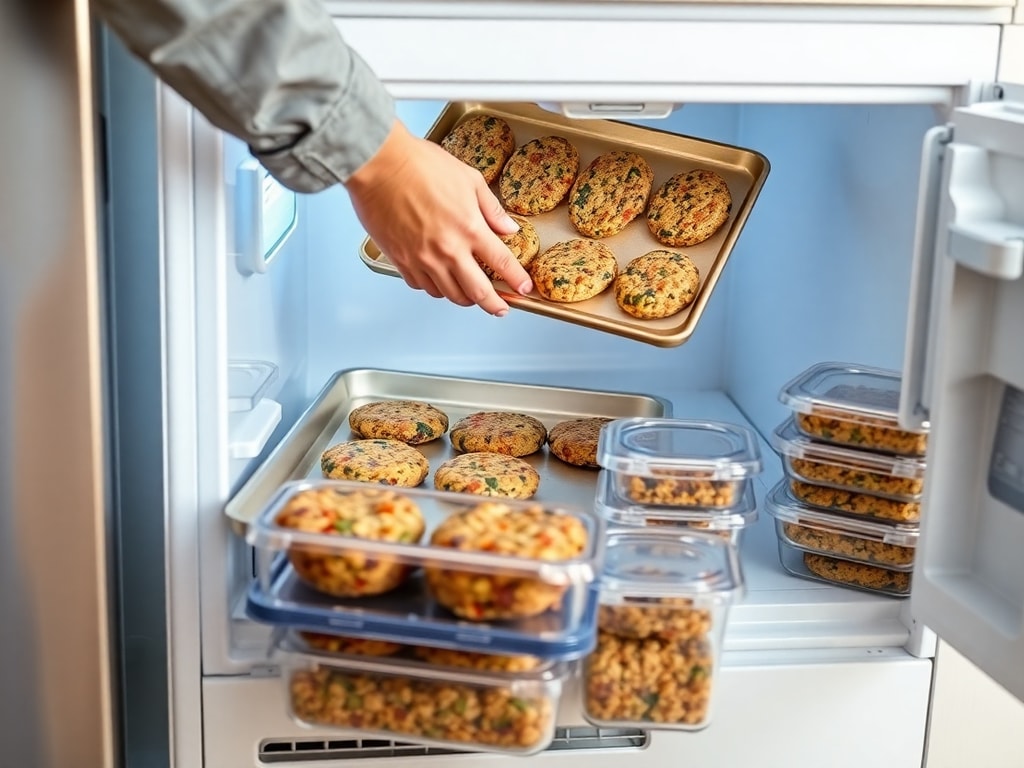
A successful hosting plan often depends on utilizing your freezer to distribute the workload over several weeks rather than several days. When designing freezer-friendly vegetarian guest hosting recipes, you must understand how different ingredients behave at sub-zero temperatures. For example, legume-based dishes like lentil stews, black bean patties, and chickpea curries retain their texture and flavor beautifully when stored at -18 degrees Celsius for up to 30 days. In contrast, dishes containing high-water vegetables or potatoes tend to become grainy and mushy upon thawing, which is a major limitation of generic meal prep guides.
To compare freezer-friendly options, consider making a rich, slow-simmered vegetable lasagna or a spiced eggplant ragout that actually improves in flavor after a freezing cycle. In practice, the key is to freeze these components in airtight containers with less than 1 centimeter of headspace to prevent freezer burn. An excellent alternative to freezing fully assembled dishes is to freeze the labor-intensive elements individually, such as homemade pesto or caramelized onions. When you choose this method, pause to label each container with the date and contents, ensuring you do not leave them in the freezer for more than 4 weeks, which can compromise the subtle aromatics of the herbs.
For example, a hearty lentil shepherd's pie or a rich vegetable chili can be prepared in large batches, frozen, and then reheated to taste as if they were made that very day. In my experience, these dense, legume-based dishes actually benefit from freezing because the freezing process breaks down the fibers slightly, allowing the spices to penetrate deeper into the ingredients. On the other hand, you must avoid freezing dishes containing large chunks of potatoes or zucchini, as they release too much water upon thawing, leaving you with a soggy, unappealing mess. By understanding these structural differences, you can curate a menu that stays perfectly intact from freezer to table.
What are the best ingredient substitutions for common vegetarian dishes?
When hosting a diverse group, you will inevitably run into varying dietary preferences and allergies, making alternative ingredient selection methods a critical skill. For example, if a recipe calls for heavy dairy cream to enrich a wild mushroom soup, a fantastic alternative is soaked and blended raw cashews. Specifically, blending 100g of cashews with 200ml of water creates a rich cream that mimics the mouthfeel of dairy without altering the delicate earthy flavors of the mushrooms. However, a common mistake is using sweetened plant milks like vanilla almond milk as a substitute, which will ruin the savory profile of your main course.
Another area where substitutions are vital is replacing gluten or soy for sensitive guests without sacrificing texture. In practice, if you are making vegetarian meatballs, you can swap traditional breadcrumbs for ground rolled oats or chickpea flour to keep the dish gluten-free. Check the moisture level of your mixture carefully, as chickpea flour absorbs more liquid than standard wheat-based alternatives. Our criteria for a successful substitution should always prioritize structural integrity and flavor compatibility. If a substitute makes the dish dry or crumbly, it is better to pause and choose a completely different recipe rather than forcing an inadequate replacement that disappoints your guests.
In practice, creating rich, satisfying vegetarian guest hosting recipes requires a deep understanding of how to build depth of flavor without relying on meat-based stocks or heavy dairy. For instance, if you need to replace parmesan cheese in a pesto or pasta dish, a blend of nutritional yeast, toasted walnuts, and a pinch of sea salt provides an exceptional savory alternative. This combination delivers the desired umami punch while keeping the dish entirely vegan and dairy-free. When substituting ingredients, always compare the fat and moisture content of the original with your replacement to ensure the texture remains balanced. Taking a moment to pause and test a small batch of your substitute beforehand can save you from a major culinary disappointment on the night of the event.
When should you assemble and cook each dish for maximum freshness?
The secret to seamless entertaining lies in a precise, reverse-engineered timeline that dictates exactly when to assemble and cook each element. If your guests are arriving at 19:00, your final cooking phase should not begin at 18:50; instead, the heavy cooking should be finished by 18:00, leaving only reheating and plating for the final minutes. In my experience, attempting to bake a complex casserole while simultaneously greeting guests at the door is a recipe for burnt edges and cold interiors. A good rule of thumb is to have 80 percent of the meal fully prepared before the first knock on your door.
Specifically, you should categorize your dishes into three temperature-based groups: room temperature, cold, and hot. Cold items like marinated beet salads or herb dips can be fully plated and refrigerated 4 hours in advance. Hot items, such as a vegetable gratin, should be baked 1 hour before serving and kept warm in an oven set to 60 degrees Celsius. This condition ensures that your oven is free for last-minute warming of breads or appetizers. Before you begin the final assembly, check your serving platters and utensils to make sure everything is clean and laid out, avoiding a frantic search through cupboards when the food is ready to be served.
Specifically, you should map out your kitchen appliances and oven space well in advance to avoid a bottleneck. If your main dish needs to bake at 200 degrees Celsius for 45 minutes, you cannot easily warm up appetizers that require a lower temperature at the same time. To prevent this conflict, plan to have your oven-baked main dishes finished and resting before your guests arrive. Most hearty vegetarian casseroles hold their heat exceptionally well and actually set better if allowed to rest for 15–20 minutes before slicing. This resting period gives you the perfect window to use the oven for quick-heating items like flatbreads or roasted nuts, ensuring everything hits the table at the ideal temperature.
Practical timeline checklist for stress-free hosting
- 5 days before: Finalize your menu and write down the grocery list, grouping items by supermarket section.
- 3 days before: Purchase all dry goods, hard vegetables, and alternative ingredients like cashews or gluten-free flours.
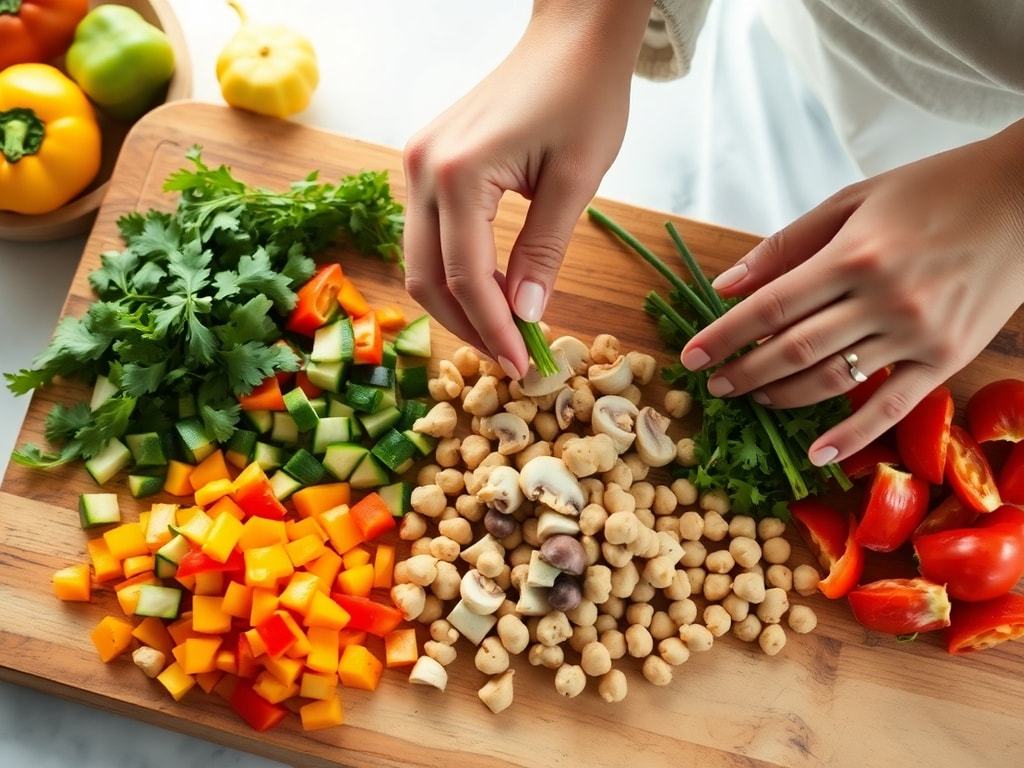
- 2 days before: Chop all aromatic bases like onions, carrots, and celery, and store them in separate airtight containers.
- 1 day before: Prepare any freezer-friendly sauces or stews, transferring them from the freezer to the refrigerator to thaw overnight.
- 4 hours before: Assemble salads without dressing, prepare dips, and set up your dining table and serving platters.
- 2 hours before: Bake any slow-roasted items or casseroles that can sit comfortably at room temperature or in a warm oven.
- 1 hour before: Take a 30-minute break to freshen up and relax; hosting should be enjoyable, not an endurance test.
- 15 minutes before: Reheat the main warm components on the stovetop or in the oven, and dress the salads just as guests arrive. This timeline is designed to distribute the physical labor of hosting evenly over a five-day period, preventing the typical exhaustion that plagues home cooks. By separating the prep phase from the active cooking phase, you minimize kitchen clutter and reduce the risk of cooking mistakes. In practice, following this structured checklist ensures that you spend less time hovering over a hot stove and more time engaging with your guests, which is the ultimate goal of any successful dinner party.
Conclusion
To pull off a successful dinner party using vegetarian guest hosting recipes, you must master three fundamental strategies. First, utilize a weekend prep routine to handle all the tedious washing and chopping before the busy workweek begins. Second, build your menu around freezer-friendly components like rich stews or sauces that can be made weeks in advance without losing quality. Third, develop a reliable library of alternative ingredient substitutions to accommodate different dietary needs seamlessly.
As a concrete action to take today, look at your calendar and select a weekend afternoon to practice making one freezer-friendly vegetable sauce or stew base. By testing this process with a single batch, you will gain the confidence needed to scale up your prep and host your next gathering with absolute ease.
Previous
How to Bake Bread in a Small Kitchen with Minimal Cleanup
Next
Vegetarian guest hosting recipes you can prep on weekends
More in Recipes
Easy 5-Ingredient Pork Suyuk: The Ultimate High-Protein Diet Recipe
Discover a simple 5-ingredient Korean boiled pork (Suyuk) recipe that takes just 50 minutes. Perfect for a high-protein, low-calorie diet that keeps you full.
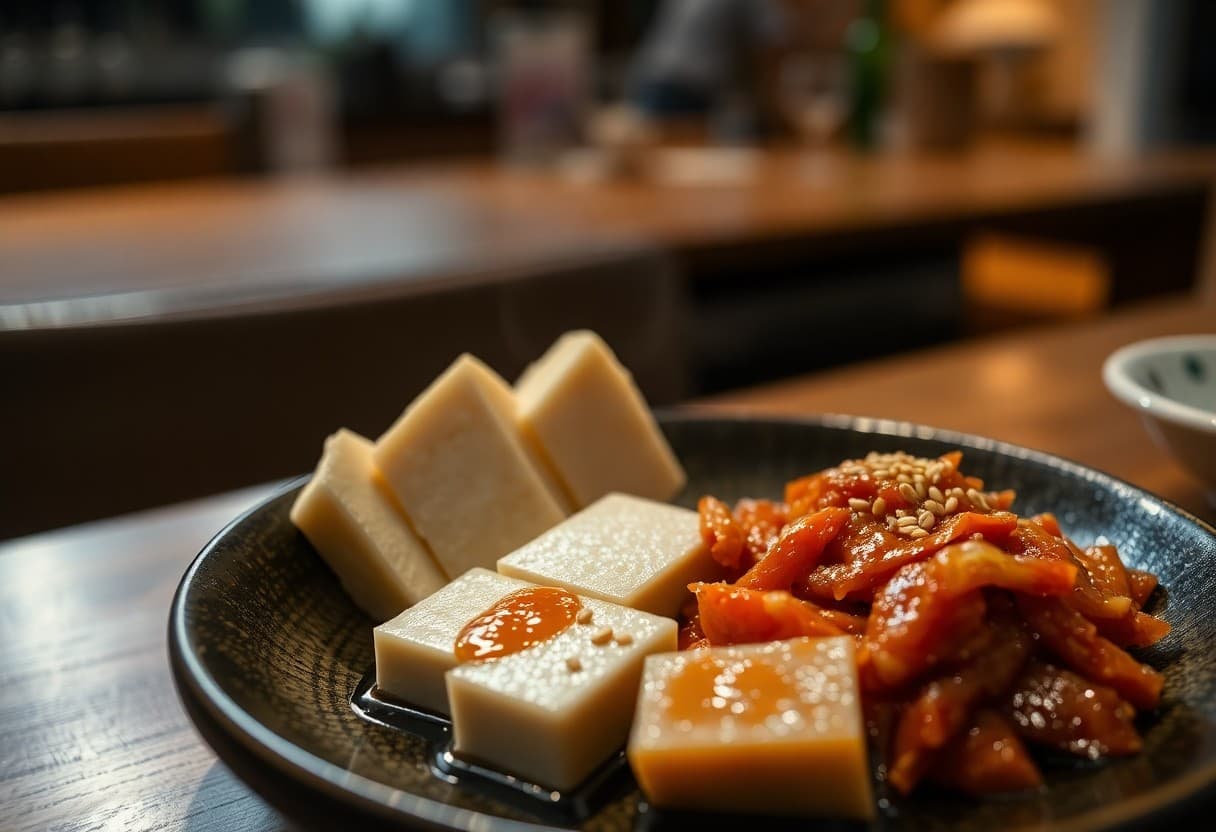
Tofu Kimchi Recipe: Quick Ways to Use Fridge Leftovers
Learn a simple Tofu Kimchi recipe to clear out your fridge. Discover freezer-friendly meal prep tips, common beginner mistakes, and quick cleanup hacks.
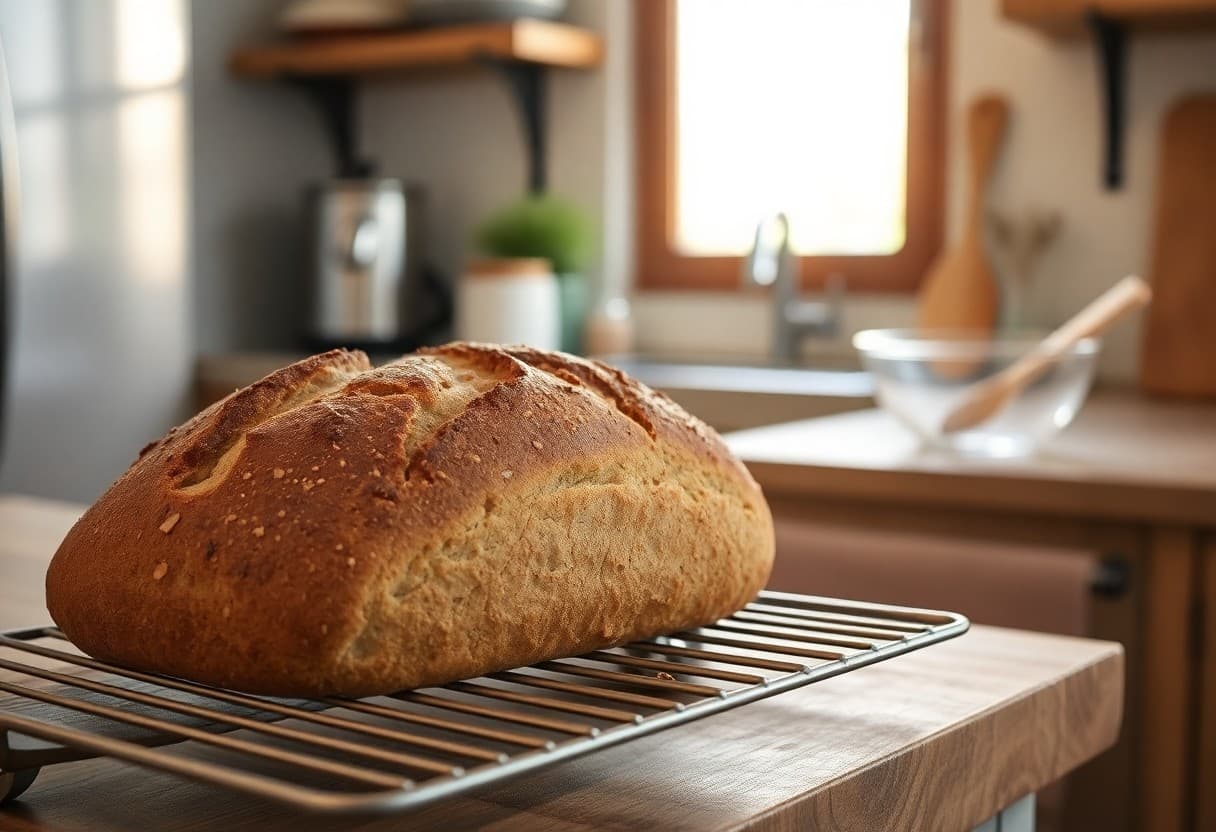
How to Bake Bread in a Small Kitchen with Minimal Cleanup
Learn how to bake homemade bread in a small kitchen with minimal cleanup. This guide covers no-knead methods, diet-friendly tips, and office lunch ideas.

Fridge Clearing Recipes for Small Kitchens: Solo Living Guide
Learn fridge clearing recipes designed for small kitchens. Save money and reduce waste with one-pan methods and easy ingredient substitutions for solo living.