Tofu Kimchi Recipe: Quick Ways to Use Fridge Leftovers
Key Takeaways
Learn a simple Tofu Kimchi recipe to clear out your fridge. Discover freezer-friendly meal prep tips, common beginner mistakes, and quick cleanup hacks.
I spent years thinking that making a decent plate of Tofu Kimchi required a dedicated trip to the grocery store for fresh pork belly and hours of meticulous simmering, and I was wrong. As someone who has lived alone for eight years and regularly struggles to finish ingredients before they spoil, I used to view this classic dish as a complex tavern food rather than a quick weeknight dinner. My early attempts were watery, bland, and ultimately ended up in the trash half-eaten. It was only when I stripped away the culinary snobbery and focused on basic fridge management that I realized this dish is actually the ultimate lazy meal. For busy parents balancing childcare and work, or anyone dealing with a chaotic schedule, mastering a simplified Tofu Kimchi recipe is a survival skill that rescues dying ingredients from the bottom drawer.
Please note that the culinary advice provided here is for general informational purposes only. If you have specific dietary restrictions, allergies, or health conditions, please consult a registered dietitian or a qualified healthcare professional before making major changes to your meal patterns.
Why is this Tofu Kimchi recipe perfect for busy households?
When you are exhausted at the end of a long day, the last thing you want to do is chop a dozen ingredients and wash multiple pans. Many people compare Tofu Kimchi to complex stews that require precise seasoning, but in reality, the fermented kimchi already contains all the deep, complex flavors you need. This makes it an ideal choice for busy households where time is the primary criteria for choosing a dinner menu. Instead of ordering takeout, you can have a hot, balanced meal on the table in less than 15 minutes using items you already own.
Specifically, this dish offers an excellent balance of plant-based protein from the tofu and gut-friendly fiber from the fermented cabbage. For parents trying to feed hungry children quickly, it serves as a reliable dinner option that does not require constant monitoring over a hot stove. An alternative approach is to treat the stir-fried kimchi as a versatile topping that can be prepared in bulk during the weekend. When you need a fast meal, you simply warm up a block of tofu, heat a portion of the pre-made kimchi, and dinner is served. This efficient workflow reduces mental fatigue and helps you maintain a consistent eating schedule even during your busiest weeks.
How to make Tofu Kimchi using everyday fridge leftovers?
Before you head to the supermarket, open your refrigerator crisper drawer and check what needs to be used immediately. The beauty of this recipe is its flexibility with proteins and vegetables. For example, while traditional recipes call for pork belly, you can easily use leftover cooked pork chops, a can of drained tuna, or even processed ham like Spam. If you have half an onion, a dry green onion, or some wilted sesame leaves, these can all be thrown into the pan to add texture and depth without requiring a separate shopping trip.
In practice, you should aim for a basic ratio of 300g of firm tofu to 200g of sour, fermented kimchi. If your kimchi is fresh and lacks that signature sour punch, caution is required because sweet, unfermented kimchi will make the dish taste flat. You can easily fix this by adding a teaspoon of apple cider vinegar during the stir-fry process to mimic the deep acidity of aged kimchi. Always check the saltiness of your protein before adding extra soy sauce; if you are using canned tuna or processed ham, they already contain a significant amount of sodium, meaning you will need less additional seasoning.
What are the critical mistakes that ruin homemade Tofu Kimchi?
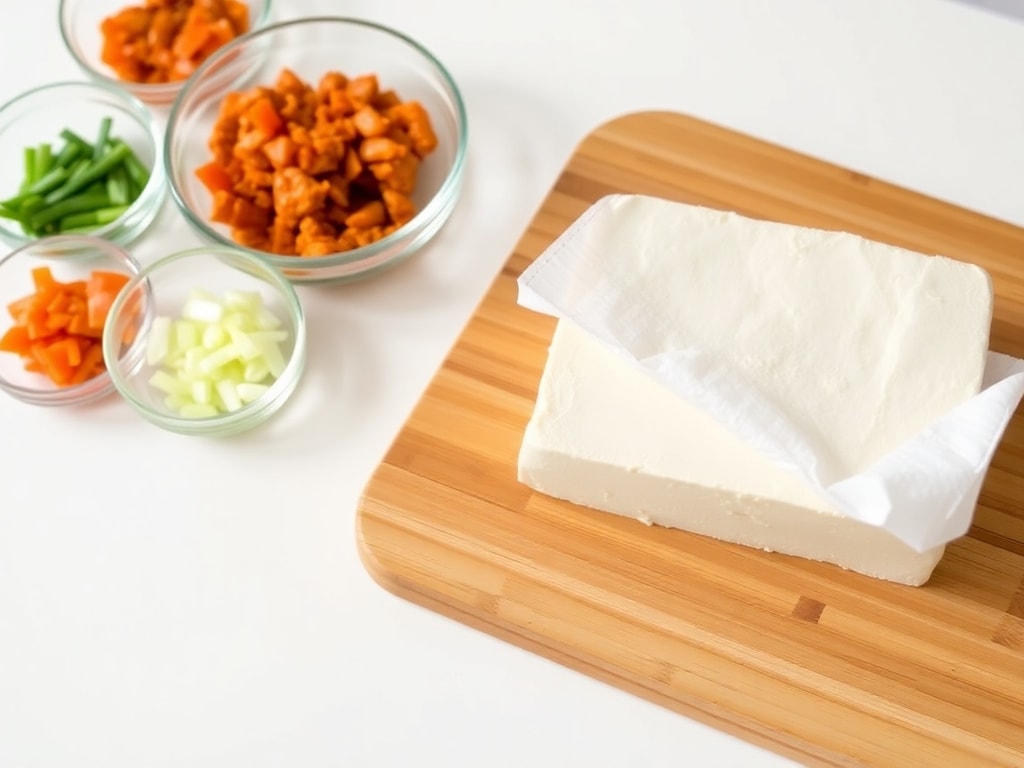
One major mistake that beginners make is failing to manage the water content of the tofu. Tofu is packed with moisture, and if you simply slice it and put it on the plate, a pool of water will quickly accumulate at the bottom, diluting your flavorful stir-fried kimchi into a soggy, unappealing mess. To avoid this, pause after boiling or microwaving your tofu. Place the hot tofu on a clean kitchen towel or several layers of paper towels, and let it drain for at least 5 minutes before slicing. This simple step ensures that the tofu retains its firm texture and holds onto the savory kimchi juices when plated.
Another common limitation of homemade Tofu Kimchi is burning the red pepper flakes in the kimchi. Kimchi contains natural sugars and red pepper powder, both of which burn incredibly fast under high heat, resulting in a bitter, smoky flavor that ruins the dish. The condition for a perfect stir-fry is to cook on medium-low heat, using a generous tablespoon of cooking oil to coat the pan. If the mixture looks too dry or starts to stick, do not add more oil; instead, add two tablespoons of water or kimchi brine to create a smooth, glossy sauce that coats the ingredients evenly without becoming greasy.
How to prepare a freezer-friendly Tofu Kimchi configuration?
If you want to save time during the week, meal prepping this dish is highly effective, but you must understand how freezing affects different ingredients. When you compare tofu and kimchi, they behave very differently in the freezer. Specifically, freezing raw or boiled tofu changes its cellular structure, turning it into a porous, spongy block that releases all its water upon thawing. While some people enjoy this chewy texture for stews, it is generally not ideal for a classic Tofu Kimchi presentation. Therefore, the best criteria for freezing is to only freeze the stir-fried kimchi portion.
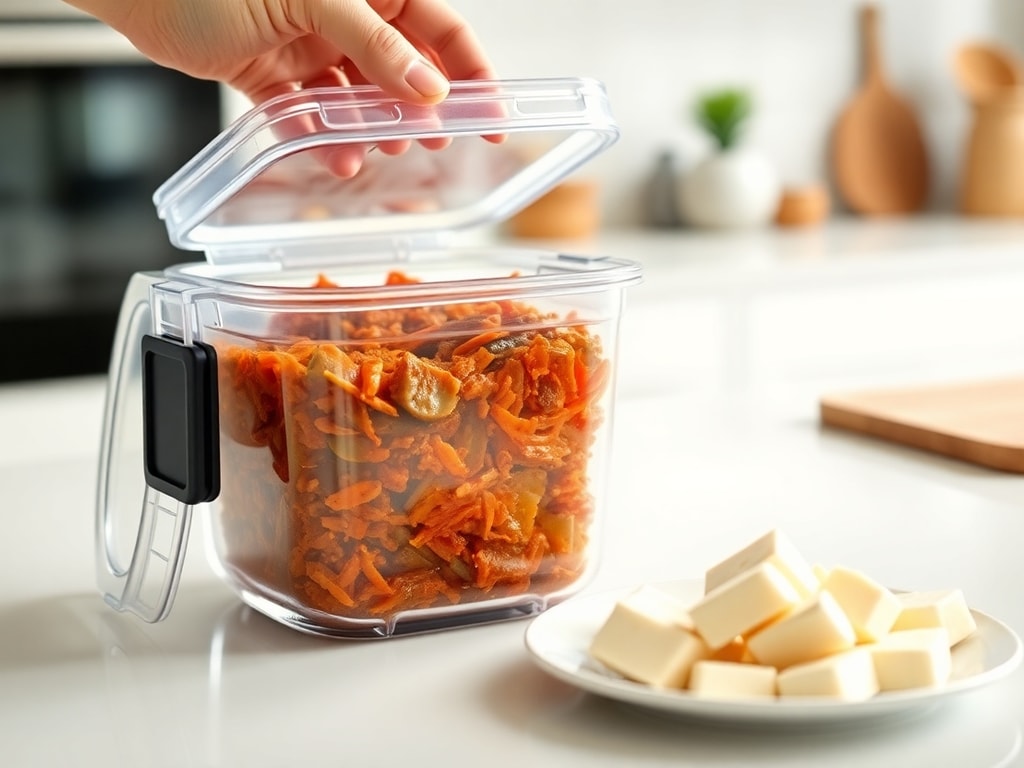
To create a freezer-friendly setup, cook a double batch of the stir-fried kimchi with your chosen protein and vegetables. Allow the mixture to cool completely to room temperature before portioning it into airtight, freezer-safe containers. Caution should be exercised to leave about 1 centimeter of space at the top of the container, as the liquids will expand slightly when frozen. This frozen kimchi base can be kept safely for up to 30 days. When you are ready to eat, simply thaw a portion in the refrigerator overnight or microwave it on the defrost setting, then serve it alongside a freshly boiled block of tofu for a meal that tastes like it was made from scratch.
Step-by-step assembly and serving guide for beginners
To make this dish as simple as possible, follow these straightforward steps. This method minimizes dirty dishes and ensures a great result every single time.
Ingredient Checklist
- 1 block of firm tofu (approximately 300g)
- 1 cup of sour fermented kimchi (chopped into bite-sized pieces)
- 100g of leftover protein (pork, canned tuna, or ham)
- 1/2 onion (sliced thin)
- 1 tablespoon of cooking oil
- 1 tablespoon of sugar (adjust based on kimchi sourness)
- 1 tablespoon of sesame oil
- 1 tablespoon of toasted sesame seeds
Preparation Steps
Prepare the tofu by cutting the block in half horizontally so it heats through quickly and evenly.
Bring a small pot of water to a gentle simmer, add a pinch of salt, and slide the tofu in to heat for 3 to 4 minutes.
While the tofu is warming, heat a frying pan over medium-low heat and add the cooking oil.
Add your leftover protein to the pan and cook until it starts to brown slightly, releasing its natural fats.
Add the chopped kimchi and sliced onions to the pan, stirring continuously to coat them in the cooking oil.
Sprinkle the sugar over the kimchi to balance the acidity, and stir-fry for 5 to 7 minutes until the cabbage becomes translucent.
Turn off the heat, drizzle the sesame oil over the hot kimchi, and give it one final toss.
Remove the tofu from the pot, drain it thoroughly on paper towels for 2 minutes, and slice it into bite-sized rectangles.
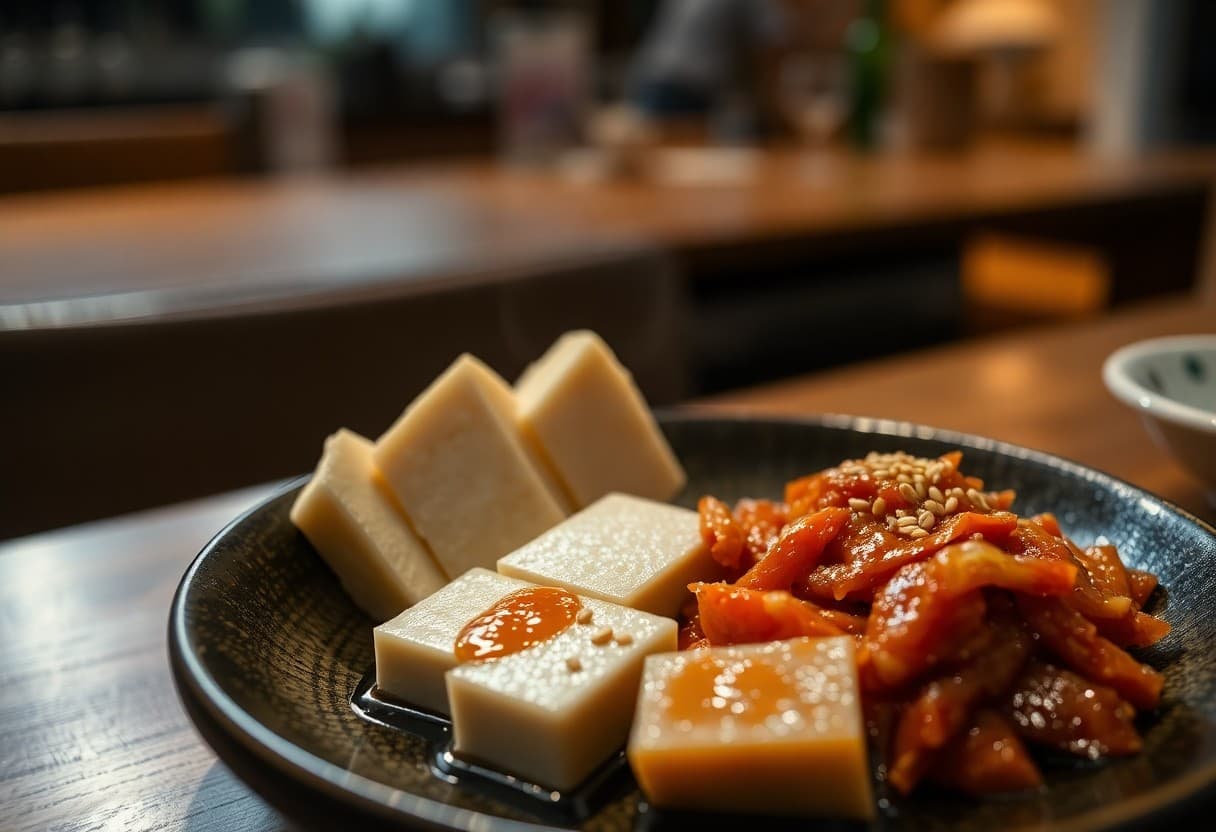
Arrange the warm tofu slices in a circle around the edge of a large plate, pile the hot stir-fried kimchi in the center, and garnish the entire dish with toasted sesame seeds. This simple plating method is not just for aesthetics; it allows you to easily grab a slice of clean, warm tofu and top it with a savory portion of kimchi in every single bite. The contrast between the mild, creamy tofu and the hot, savory, and slightly sweet kimchi is what makes this dish incredibly satisfying without requiring complex cooking skills.
Previous
Vegetarian guest hosting recipes you can prep on weekends
Next
Tofu Kimchi Recipe: Quick Ways to Use Fridge Leftovers
More in Recipes
Easy 5-Ingredient Pork Suyuk: The Ultimate High-Protein Diet Recipe
Discover a simple 5-ingredient Korean boiled pork (Suyuk) recipe that takes just 50 minutes. Perfect for a high-protein, low-calorie diet that keeps you full.

Vegetarian guest hosting recipes you can prep on weekends
Vegetarian guest hosting recipes made easy. Learn how to prep plant-based dishes on weekends, freeze them safely, and master smart ingredient substitutions.

How to Bake Bread in a Small Kitchen with Minimal Cleanup
Learn how to bake homemade bread in a small kitchen with minimal cleanup. This guide covers no-knead methods, diet-friendly tips, and office lunch ideas.

Fridge Clearing Recipes for Small Kitchens: Solo Living Guide
Learn fridge clearing recipes designed for small kitchens. Save money and reduce waste with one-pan methods and easy ingredient substitutions for solo living.