Low-Calorie Cooking for Busy Professionals: Bulk Prep & Storage
Key Takeaways
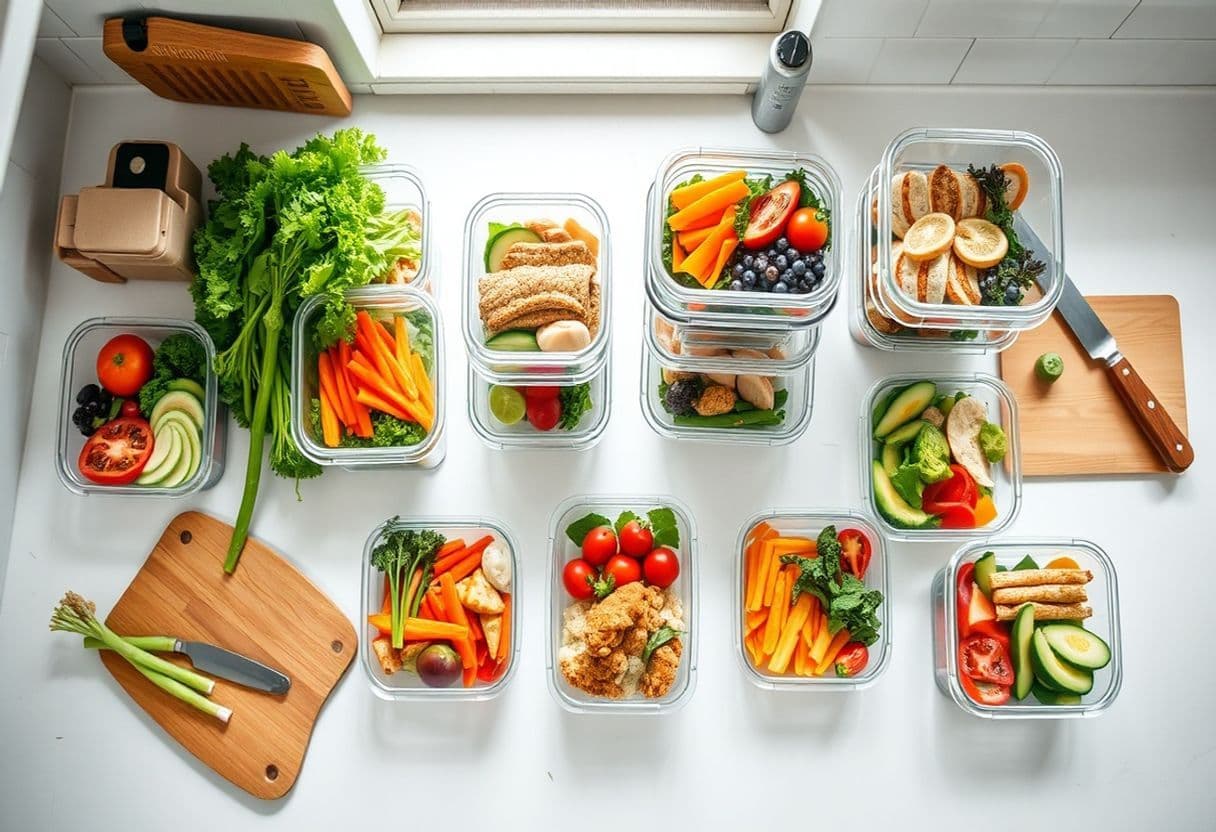
Master low-calorie cooking with bulk meal prep and smart storage strategies. Discover efficient recipes and tips for busy professionals to eat healthy all week without spending hours in the kitchen.
Low-Calorie Cooking for Busy Professionals: Bulk Prep & Storage
Have you ever stared into an empty fridge on a Tuesday night, utterly exhausted after a long workday, and found yourself reaching for the quickest, often unhealthiest, takeaway option, despite your best intentions to eat a low-calorie diet? As someone who balances a demanding schedule with a desire for wholesome, low-calorie meals, I've certainly been there more times than I care to admit. The struggle is real: we want to eat well, manage our weight, and fuel our bodies efficiently, but daily cooking often feels like another chore we simply don't have time for. This is where the magic of bulk cooking and smart storage for low-calorie meals truly shines. It's not about spending your entire weekend in the kitchen; it's about smart planning and efficient execution that frees up your weekdays.
Today, we'll explore effective strategies for preparing low-calorie meals in advance, comparing different approaches to suit various lifestyles and preferences. We'll delve into the criteria that should guide your choices, offer practical recommendations, and highlight common pitfalls to avoid. My goal is to help you achieve your dietary goals without sacrificing your precious free time or culinary enjoyment. This is general information only; always consult a qualified professional for personalized dietary or health advice.
Why Bulk Cook Low-Calorie Meals for Your Busy Week?
The appeal of bulk cooking low-calorie meals for a busy schedule is multifaceted. For me, it boils down to consistency, control, and convenience. On weekdays, I often rely on meal kits for dinner because I simply don't have the bandwidth to plan and shop. But on weekends, I love to cook, and that's when I focus on preparing healthy options that will sustain me through the week. Bulk cooking, or 'meal prepping' as it's often called, bridges the gap between wanting to eat well and having the time to do so.
Here are some compelling reasons why this approach works wonders:
- Time Efficiency: Dedicating 1-2 hours on a Sunday to prep meals can save you 5-10 hours of cooking time throughout the week. Imagine reclaiming those precious weekday evenings!
- Cost Savings: Eating out or ordering takeout frequently can drain your budget. By cooking at home, you typically spend less on ingredients. As I mentioned, I've seen a personal cost reduction of around 30-40% compared to my takeout habits.
- Portion Control: When you prepare meals in advance, you can precisely measure ingredients and portion sizes, making it much easier to stick to your low-calorie goals. This eliminates guesswork and overeating.
- Consistent Nutrition: Knowing exactly what's in your food helps maintain a balanced, low-calorie diet without hidden sugars, excessive fats, or sodium often found in prepared foods.
- Reduced Decision Fatigue: No more agonizing over 'what's for dinner?' after a long day. Your healthy, low-calorie meal is ready and waiting.
- Less Food Waste: Planning meals in advance means you buy exactly what you need, reducing the likelihood of fresh produce spoiling in your fridge.
What Are the Best Strategies for Low-Calorie Bulk Cooking?
When it comes to bulk cooking low-calorie meals, there isn't a single 'right' way. The best method depends on your personal preferences, time availability, and how much variety you crave. I've experimented with a few approaches over the years, and each has its own strengths.
Option 1: Cook-Once, Eat-All-Week (Traditional Meal Prep)
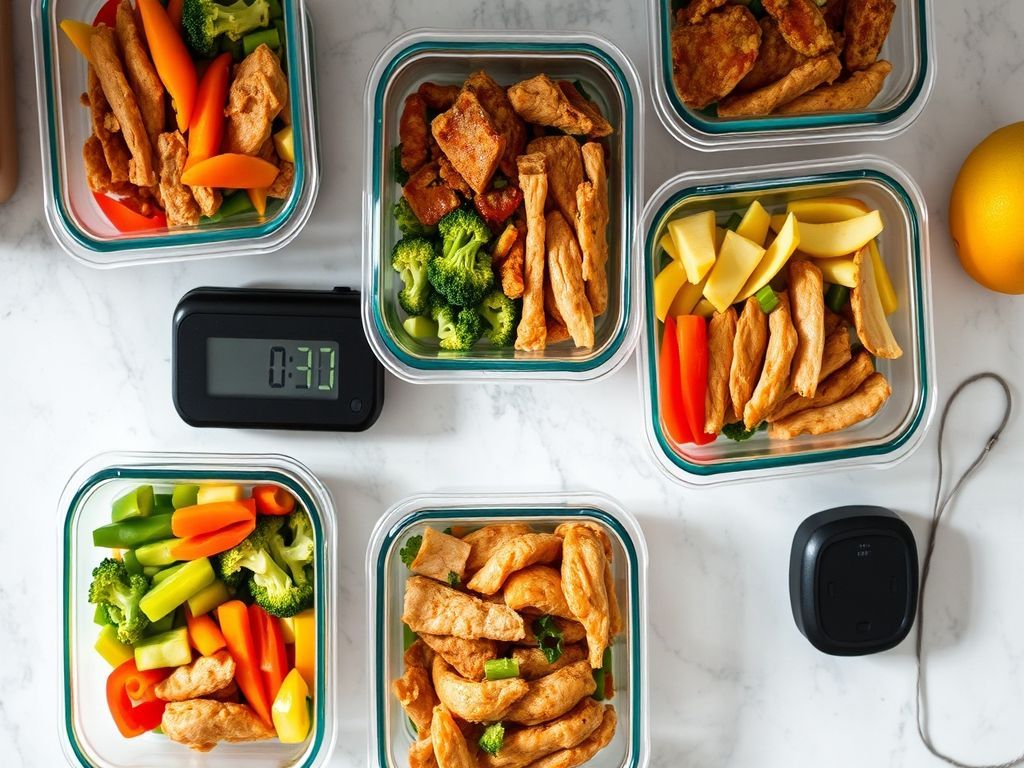
This is perhaps the most common approach, where you cook 3-5 identical or very similar meals to consume throughout the week. Think of it as preparing a batch of chili or a large tray of roasted chicken and vegetables and portioning it out.
Pros:
- Maximum Time Savings: Once the cooking is done, your weeknights are completely free from kitchen duties.
- Simplicity: Minimal decision-making during the week. Just grab and reheat.
- Consistent Calorie Tracking: If you're strict about calorie counting, this method offers the most predictable intake. Cons:
- Repetitive: Eating the same meal for several days can lead to flavor fatigue, making it harder to stick to your diet long-term.
- Storage Limitations: Some foods don't hold up well in the fridge for more than 3-4 days, potentially leading to texture degradation or spoilage. Examples:
- Baked Salmon with Quinoa and Roasted Asparagus: Bake several salmon fillets, cook a large batch of quinoa, and roast a pan of asparagus. Portion into containers. This provides around 450-550 calories per serving depending on portion size and oil used.
- Turkey Chili: A big pot of lean turkey chili can yield 6-8 servings. It's hearty, filling, and stores well. I usually make a batch that clocks in at about 350-400 calories per serving.
- Chicken and Veggie Stir-Fry (without sauce until serving): Cook large amounts of lean protein and various vegetables. Store them separately from a light, low-sodium stir-fry sauce to prevent sogginess until reheating.
Option 2: Component-Based Prep (Mix-and-Match)
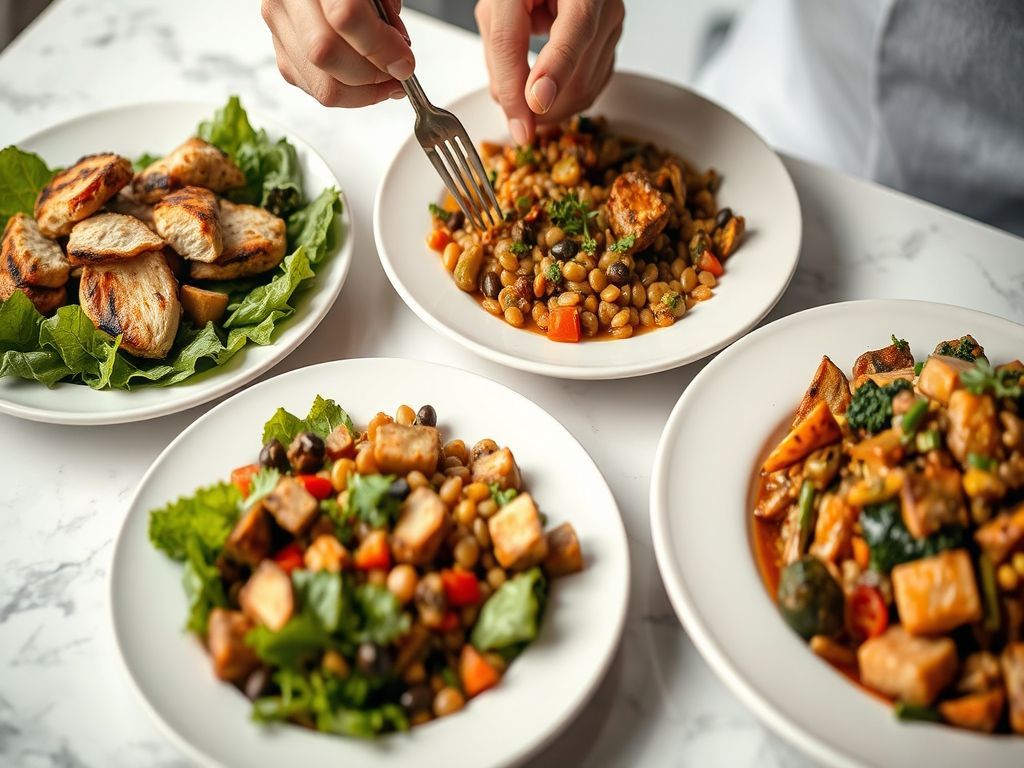
This method involves cooking individual components in bulk – a protein, a grain, and several types of vegetables – and then combining them in different ways throughout the week to create varied meals. This is my preferred method for weekdays, as it offers more flexibility.
Pros:
- Variety: You can assemble different meals each day, reducing boredom and making it easier to stick to your diet.
- Flexibility: Adapt meals based on your cravings or what fresh ingredients you have on hand.
- Better Texture: Components often store better individually, allowing you to combine them fresh. Cons:
- Slightly More Assembly: Requires a few minutes each day to combine components into a meal.
- More Planning: You need to think about how components will combine to form balanced, low-calorie meals. Examples:
- Proteins: Grill or bake a large batch of chicken breasts (e.g., 6-8 breasts, yielding about 150-200 calories per 4oz serving), cook a block of tofu, or boil a dozen eggs.
- Grains: Cook a big pot of brown rice, quinoa, or farro (a 1/2 cup cooked serving is typically around 100-120 calories).
- Vegetables: Roast a medley of bell peppers, broccoli, and zucchini; steam green beans; or chop a large salad mix. A cup of roasted non-starchy vegetables can be as low as 50-80 calories.
- Sauces/Dressings: Prepare a few different low-calorie dressings or sauces to add flavor variety, keeping them separate until serving.
Option 3: Freezer-Friendly Meals (Long-Term Storage)
For ultimate convenience and a 'cook less often' approach, focusing on meals that freeze well is an excellent strategy. This allows you to cook larger batches even less frequently, pulling meals out as needed.
Pros:
- Ultimate Convenience: Cook once every few weeks and have meals ready for months.
- Emergency Meals: Perfect for those days when you truly have zero time or energy.
- Batch Cooking: Allows for even larger quantity cooking, maximizing ingredient purchases. Cons:
- Freezer Space: Requires adequate freezer capacity.
- Texture Changes: Some foods, particularly delicate vegetables or dairy-based sauces, may experience texture changes upon freezing and reheating.
- Thawing Time: Requires advance planning to thaw meals. Examples:
- Soups and Stews: Lentil soup, vegetable soup, or a hearty chicken and vegetable stew (around 250-400 calories per serving) freeze beautifully in individual portions.
- Chili: As mentioned, chili is a freezer superstar. It often tastes even better after freezing!
- Lean Meatballs: Prepare lean turkey or chicken meatballs and freeze them cooked or uncooked. Pair with a low-calorie tomato sauce after thawing.
- Baked Oatmeal Cups: Portion-controlled breakfast options (around 150-200 calories each) that thaw quickly.
Key Criteria for Choosing Your Low-Calorie Bulk Cooking Method
To decide which approach is best for you, consider these factors:
- Time Commitment: How much time are you willing to dedicate to cooking on your prep day (e.g., 1-2 hours) versus daily assembly (e.g., 5-10 minutes)?
- Variety Preference: Do you mind eating the same meal for a few days, or do you need something different every day to stay engaged?
- Storage Capacity: Do you have ample fridge space for several prepped meals, or a large freezer for long-term storage?
- Cooking Skill Level: As an intermediate cook, I find component-based prep and traditional meal prep fairly accessible. Freezer meals might require a bit more understanding of what freezes well.
- Dietary Goals: Are you aiming for strict calorie tracking, or more general healthy eating? Traditional meal prep offers the most precision for calorie counting. For busy professionals, I often recommend a hybrid approach. Use component-based prep for 3-4 days of varied meals, keep one or two traditional meal prep options (like a soup) for backup, and always have a few freezer-friendly emergency meals on hand. This combines the best aspects of variety, convenience, and time-saving.
My Top Tips for Successful Low-Calorie Bulk Cooking and Storage
Once you've chosen your strategy, these practical tips will help ensure your low-calorie bulk cooking efforts are successful and sustainable.
Plan Ahead
Select Your Recipes: Choose 2-3 low-calorie recipes or a few components you want to prepare. Look for recipes that use similar ingredients to minimize your grocery list.
Create a Grocery List: Be specific. Group items by section in the grocery store to save time. I usually estimate I save about 20 minutes in the store by having a well-organized list.
Check Your Pantry: Before shopping, verify what you already have to avoid buying duplicates.
Smart Ingredient Choices
- Lean Proteins: Opt for chicken breast, turkey, fish, eggs, tofu, or lentils. These provide satiety without excessive calories.
- High-Fiber Vegetables: Load up on non-starchy vegetables like broccoli, spinach, bell peppers, zucchini, and green beans. They are low in calories and high in nutrients. For example, a whole head of broccoli is typically under 150 calories.
- Whole Grains: Choose brown rice, quinoa, whole wheat pasta, or oats over refined grains for sustained energy and fiber. A typical serving of cooked quinoa (about 1/2 cup) is around 110 calories.
- Healthy Fats (in moderation): Use small amounts of olive oil, avocado, or nuts for flavor and essential nutrients. Remember, fats are calorie-dense, so measure carefully.
Efficient Cooking Techniques
- Sheet Pan Meals: Toss protein and vegetables with minimal oil and seasonings on a sheet pan and roast. This is incredibly hands-off and cleanup is a breeze. For example, sheet pan chicken and bell peppers can be cooked in about 25-30 minutes.
- Slow Cooker/Instant Pot: These appliances are fantastic for hands-off cooking of soups, stews, and shredded meats. You can set it and forget it, leaving you free to do other things while your food cooks.
- Batch Roasting/Steaming: Cook all your vegetables at once. Roast sturdy vegetables like broccoli and carrots, and steam more delicate ones like green beans.
Portion Control and Proper Storage
- Invest in Good Containers: Airtight, microwave-safe containers (glass or BPA-free plastic) are essential for food safety and freshness. I prefer glass containers as they don't stain or retain odors.
- Portion Immediately: Once food has cooled slightly, portion it into individual containers. This prevents you from overeating and ensures consistent calorie intake.
- Label and Date: Use masking tape and a marker to label containers with the dish name and date. This helps you track freshness and avoid food waste. For example, 'Chicken & Veggies - Oct 26'.
- Refrigeration Guidelines: Most cooked meals are safe in the refrigerator for 3-4 days. Plan to eat the freshest meals first.
- Freezing Guidelines: For longer storage, freeze meals in airtight containers or freezer bags. Most cooked low-calorie meals will last 2-3 months in the freezer without significant quality loss.
Flavor Management
One common mistake people make with low-calorie bulk cooking is under-seasoning, leading to bland food. Don't be afraid to use:
- Herbs and Spices: These are calorie-free flavor powerhouses. Think smoked paprika, cumin, garlic powder, onion powder, oregano, basil, and chili flakes.
- Acids: A squeeze of lemon or lime juice can brighten up any dish. Vinegars (apple cider, balsamic) also add depth.
- Low-Sodium Broths: Use these as a base for soups, stews, or to add moisture when cooking grains or vegetables.
- Hot Sauces: A dash of your favorite hot sauce can provide a flavor kick with minimal calories.
Common Mistakes to Avoid
Overcooking Vegetables: This can lead to mushy textures and loss of nutrients. Aim for slightly al dente when cooking for meal prep, as they will cook a bit more when reheated.
Not Cooling Food Properly: Hot food should be cooled rapidly before refrigerating or freezing to prevent bacterial growth. Divide large batches into smaller containers to speed up cooling; don't put steaming hot food directly into the fridge, as it can raise the internal temperature of the fridge and affect other foods.
Poor Storage: Using non-airtight containers or storing food for too long can lead to spoilage and potential food safety issues. Always adhere to the 3-4 day rule for refrigerated cooked meals.
Making Too Much of One Thing: While batch cooking, resist the urge to make 10 servings of the exact same dish if you know you'll get bored after 3. Vary your components or choose freezer-friendly options.
Forgetting Hydration: While focusing on food, remember that adequate water intake is crucial for any low-calorie diet. Keep a water bottle handy and aim for at least eight 8-ounce glasses of water daily.
Conclusion
Successfully incorporating low-calorie bulk cooking into your busy professional life is entirely achievable with a bit of planning and the right strategies. It's about finding a rhythm that works for you, whether that's traditional meal prep, component-based cooking, or stocking your freezer with healthy options. The benefits — from saving time and money to consistent healthy eating — are well worth the initial effort. Remember, this isn't about perfection; it's about progress and making healthier choices more accessible on your busiest days.
Here are three key takeaways:
- Strategic Planning is Key: Decide on your recipes, make a detailed grocery list, and allocate 1-2 hours on your prep day.
- Prioritize Variety and Proper Storage: Combat flavor fatigue with component-based prep and ensure food safety by using airtight containers and adhering to storage guidelines.
- Embrace Efficiency: Utilize cooking appliances like slow cookers and sheet pans, and don't underestimate the power of herbs and spices for calorie-free flavor. My specific action for you today is to pick one low-calorie recipe or a single component (like roasted chicken breast) to bulk cook this coming weekend. Try it out, see how it fits into your schedule, and adjust from there. You might be surprised at how much easier your weekdays become!
Previous
Seafood Recipes for One: Quick, Flavorful Solo Meals
Next
Low-Calorie Cooking for Busy Professionals: Bulk Prep & Storage
More in Recipes
Easy 5-Ingredient Pork Suyuk: The Ultimate High-Protein Diet Recipe
Discover a simple 5-ingredient Korean boiled pork (Suyuk) recipe that takes just 50 minutes. Perfect for a high-protein, low-calorie diet that keeps you full.
Tofu Kimchi Recipe: Quick Ways to Use Fridge Leftovers
Learn a simple Tofu Kimchi recipe to clear out your fridge. Discover freezer-friendly meal prep tips, common beginner mistakes, and quick cleanup hacks.
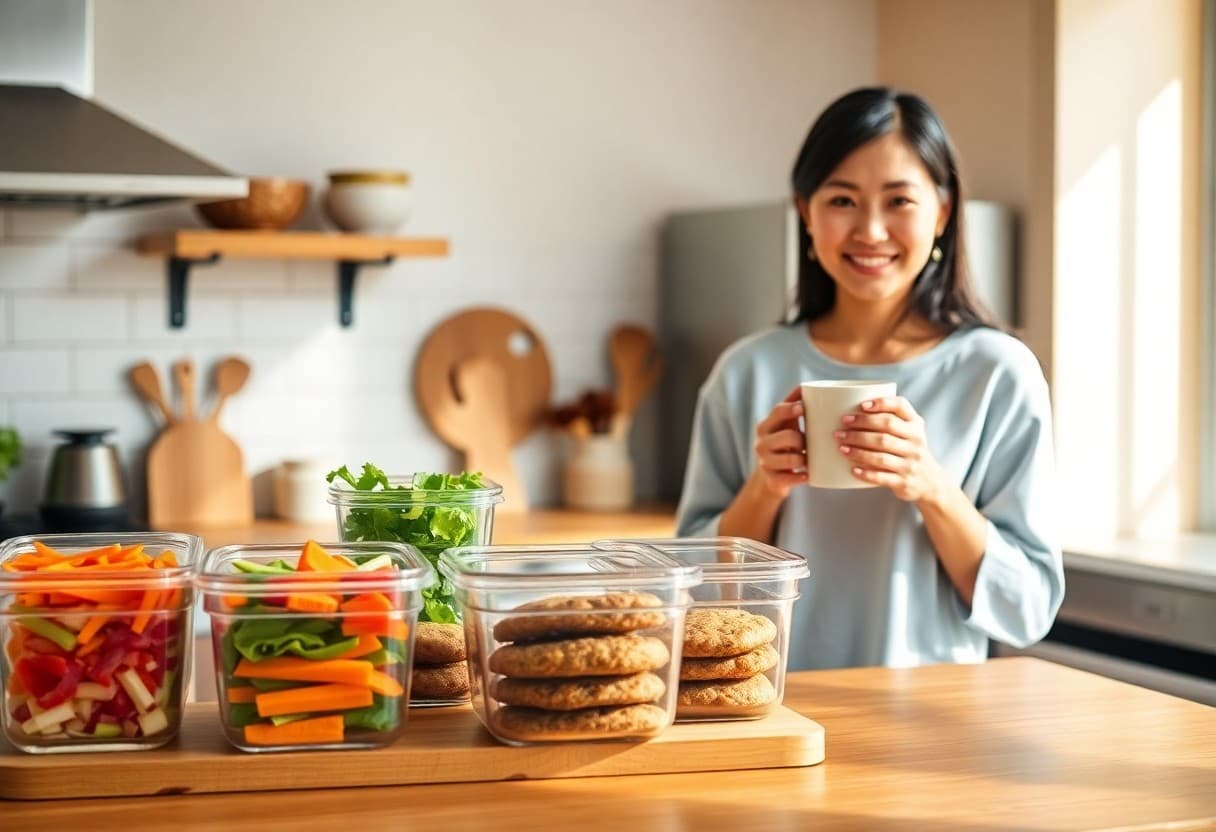
Vegetarian guest hosting recipes you can prep on weekends
Vegetarian guest hosting recipes made easy. Learn how to prep plant-based dishes on weekends, freeze them safely, and master smart ingredient substitutions.
How to Bake Bread in a Small Kitchen with Minimal Cleanup
Learn how to bake homemade bread in a small kitchen with minimal cleanup. This guide covers no-knead methods, diet-friendly tips, and office lunch ideas.