Healthy Bulgogi Recipe: Best Ingredient Substitutes for Better Nutrition
Key Takeaways
Learn how to make healthy bulgogi with our comprehensive guide on ingredient substitutions. Compare beef cuts, sweeteners, and sodium options for better nutrition.
Healthy Bulgogi Recipe: Best Ingredient Substitutes for Better Nutrition
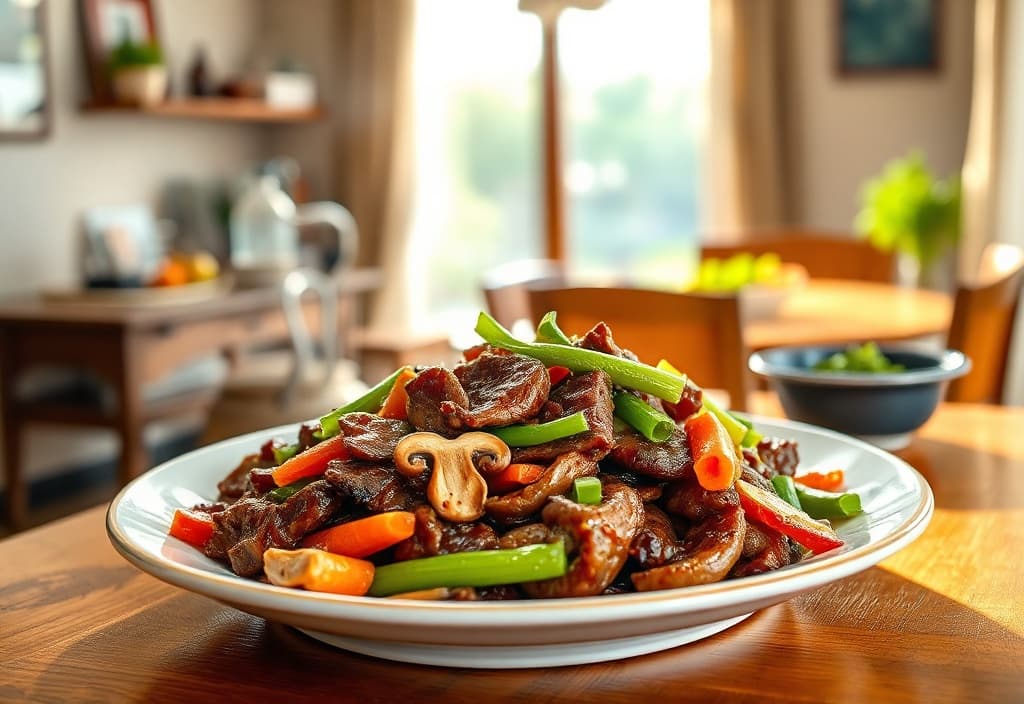
I spent years thinking that the only way to achieve the deep, savory flavor of traditional bulgogi was to load the marinade with refined white sugar and heavy amounts of high-sodium soy sauce, but I was wrong. For a long time, I believed that if I didn't follow the heavy-handed seasoning methods I saw in commercial kitchens, the meat would turn out bland or tough. However, after experimenting with various natural alternatives in my own kitchen, I discovered that you can actually achieve a more complex and vibrant flavor profile by using whole-food substitutions. Shifting away from processed additives not only improved the nutritional value of my weeknight meals but also taught me how different ingredients interact to tenderize meat and create that signature caramelization.
This article provides general culinary information and is not intended as medical, nutritional, or dietary advice. If you have specific health conditions such as diabetes or hypertension, please consult a qualified healthcare professional or a registered dietitian before making significant changes to your diet.
What Criteria Matter When Choosing Bulgogi Ingredients?
Before selecting specific ingredients for a healthy bulgogi, it is essential to understand the three primary pillars that define this dish: texture, the sweet-to-salty balance, and the Maillard reaction. When we modify a recipe for health, we must ensure these pillars remain intact, or the dish will fail to satisfy the palate.
Nutritional Density and Glycemic Impact
The first criterion is the nutritional profile of the ingredients. Traditional recipes often rely on 30–50g of refined sugar per kilogram of meat. For someone monitoring blood glucose levels, this is a significant concern. The goal is to find sweeteners that provide the necessary sugar for caramelization while offering a lower glycemic index or additional fiber. Similarly, the fat content of the beef is a major factor. While a highly marbled ribeye offers a luxurious mouthfeel, it also carries a high saturated fat load. We must weigh the sensory benefits against the caloric density.
Enzymatic Tenderization
Bulgogi relies on enzymes to break down tough muscle fibers. If you choose a leaner, healthier cut of beef, the tenderization process becomes even more critical. The criteria for a good substitute here is its ability to soften the meat without turning it into a mushy, unappealing texture. This requires understanding the strength of different fruit enzymes. For example, some fruits are so powerful they can dissolve meat proteins in a matter of hours, while others work more gently over a 12-hour period.
Sodium Content and Umami Depth
Sodium is the most common hidden health risk in marinated meats. Standard soy sauce can contain over 900mg of sodium per tablespoon. According to the American Heart Association (2024), the recommended daily limit for most adults is 2,300mg, with an ideal limit of 1,500mg for those with hypertension. Therefore, a key criterion for our substitutions is reducing sodium without losing the 'umami' or savory depth that makes the dish craveable. We look for fermented alternatives that provide complexity with a lower salt footprint.
Evaluating Protein Options for Health and Texture
Once the criteria are established, we can evaluate different cuts of beef. In my experience, the choice of protein dictates the entire cooking process.
- Ribeye (Traditional Choice): This cut contains approximately 15–20% fat. While it is the gold standard for flavor, it is the least healthy option in terms of saturated fat and calories. It requires very little marinating time because the fat provides natural tenderness.
- Top Round or Eye of Round (Healthy Choice): These are much leaner cuts, often containing less than 5% fat. They are significantly lower in calories but can become chewy if not sliced thin (2mm or less) and marinated properly. In practice, I find that these cuts require at least 4 hours of marinating to reach an acceptable texture.
- Flank Steak: This is a middle-ground option. It has a strong beefy flavor and moderate fat content. However, it has a very distinct grain. Specifically, if you do not cut against the grain, the meat will be nearly impossible to chew, regardless of the marinade quality. In my kitchen, I typically opt for the top round. It is affordable, widely available at any grocery store, and when handled with the right enzymatic tenderizer, it performs remarkably well for a healthy weekday meal.
Comparing Sweeteners: From Refined Sugar to Fruit Purees
Sweetness is non-negotiable in bulgogi, as it balances the salt and helps the meat brown in the pan. However, the source of that sweetness varies wildly in nutritional impact.
Asian Pear and Grated Apple
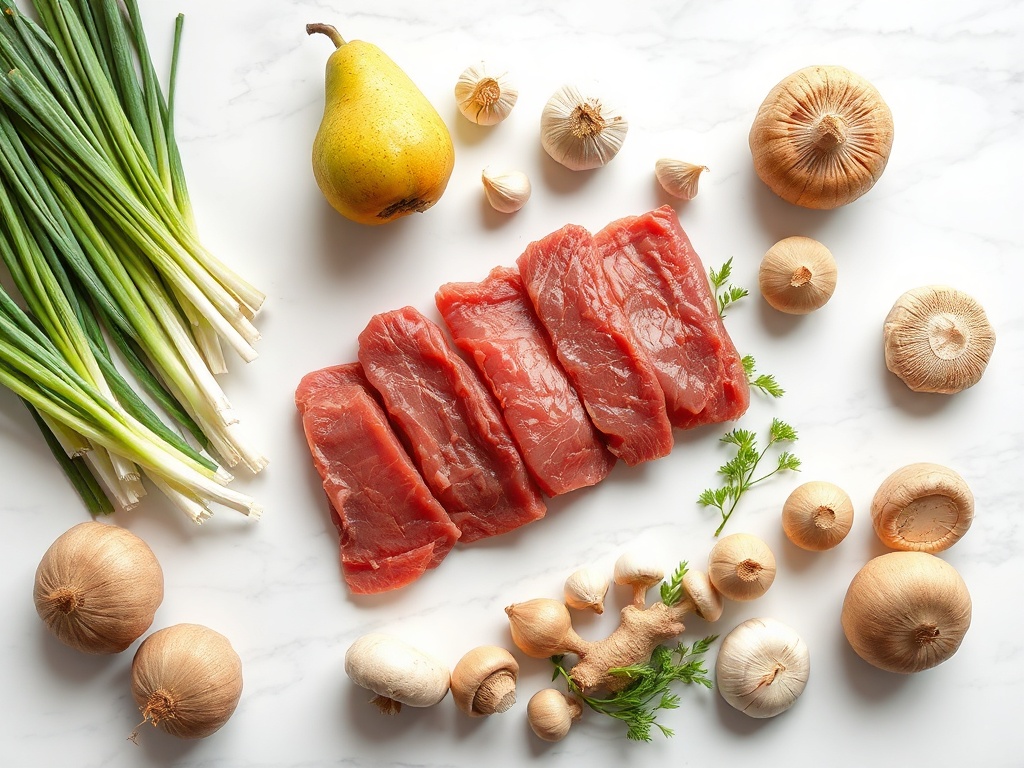
This is the traditional method and, coincidentally, one of the healthiest. An Asian pear provides natural fructose and a specific enzyme called calpain, which gently tenderizes the beef. Using 100g of grated pear instead of 2 tablespoons of white sugar adds fiber and antioxidants. In my experience, if you cannot find Asian pears, a sweet Gala or Fuji apple is a functional 1:1 substitute. These fruits provide a 10–15% reduction in total refined sugar compared to standard recipes.
Monk Fruit and Erythritol
For those on a ketogenic or low-carb diet, sugar alcohols or natural non-caloric sweeteners are options. Specifically, monk fruit sweetener measures 1:1 with sugar and does not spike blood glucose. However, there is a culinary trade-off: these sweeteners do not caramelize like real sugar. If you use 100% monk fruit, you will miss out on the sticky, charred bits that characterize good bulgogi. A better approach is to use a 50/50 split between fruit puree and a low-carb sweetener.
Raw Honey or Maple Syrup
While still technically sugars, these options offer a slightly lower glycemic index than white sugar and provide trace minerals. Honey, in particular, helps create a beautiful glaze on the meat. Use approximately 15ml of honey for every 500g of meat. Be careful with the heat; honey burns at a lower temperature than granulated sugar, so you must monitor the pan closely to avoid a bitter, charred taste.
Sodium Alternatives: Reducing Salt Without Losing Flavor
Finding a substitute for soy sauce is often the hardest part for health-conscious cooks. The salt is necessary for safety and flavor, but the volume can be problematic.
- Liquid Aminos: This is a popular health-store staple. It is made from soybeans but is not fermented in the same way as soy sauce. It contains a similar amount of sodium but provides a broader spectrum of amino acids. Specifically, it has a slightly sweeter, less 'sharp' saltiness.
- Coconut Aminos: This is the best option for those looking to drastically reduce sodium. It contains about 60–70% less sodium than regular soy sauce. It is naturally sweet, which means you can also reduce the amount of added sweetener in your recipe. In practice, I use coconut aminos when cooking for family members with salt sensitivity, though I often add a pinch of sea salt to bring the flavors into focus.
- Low-Sodium Soy Sauce: This is simply regular soy sauce with the salt filtered out. It usually contains about 575mg of sodium per tablespoon. This is the most 'authentic' tasting low-health-impact option and is easily found in any standard grocery store.
Situational Recommendations for Different Health Goals
Depending on your specific goals, the 'best' version of this dish changes. Here are three ways to approach the recipe based on your needs:
For Weight Management and Low Calorie
Focus on the protein and volume. Use 500g of top round beef and increase the vegetable ratio. Instead of serving the meat alone, mix it with 200g of sliced onions, 100g of carrots, and 150g of sliced mushrooms. This increases the fiber content and makes the portion look larger without adding significant calories. Use an apple-based marinade to keep fats at a minimum.
For Heart Health and Low Sodium
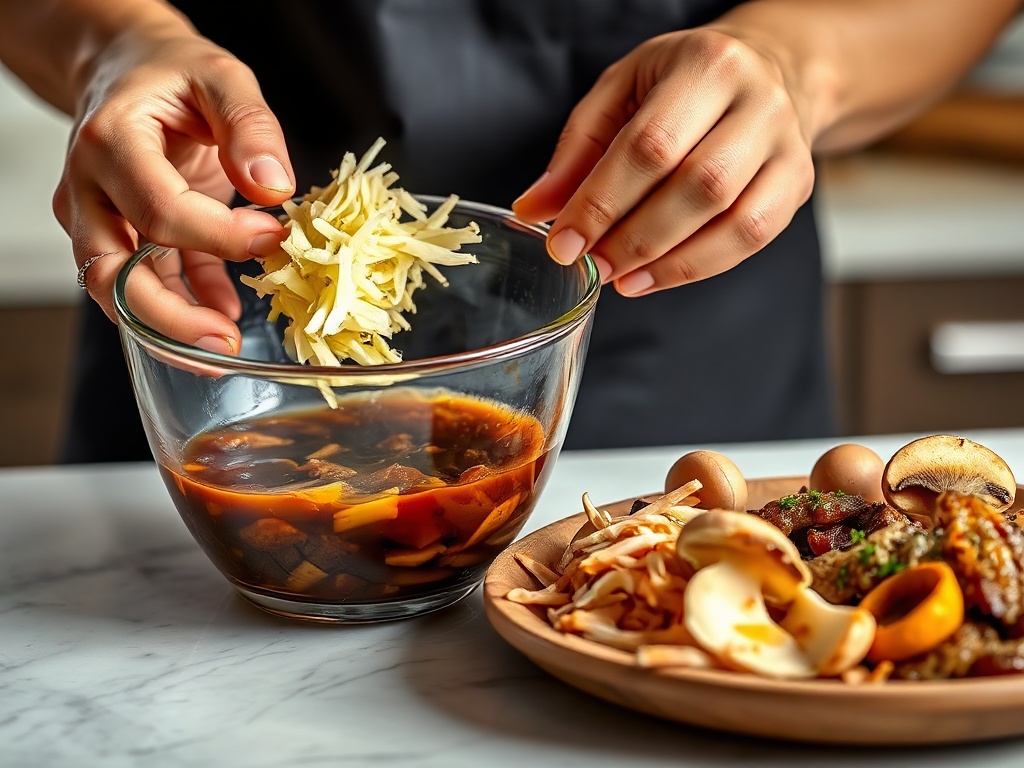
Prioritize coconut aminos as your base. To compensate for the lower salt, increase the aromatics. Use 4–5 cloves of minced garlic and 1 tablespoon of freshly grated ginger per 500g of beef. These ingredients provide a 'flavor punch' that distracts the tongue from the lack of salt. You can find more tips on [healthy meal prep strategies] to manage sodium across your entire week.
For Blood Sugar Regulation
Avoid all liquid sweeteners and stick to a small amount of grated Asian pear for the enzymes, supplemented by monk fruit for the sweetness. Ensure you pair the meal with a high-fiber side, such as steamed broccoli or brown rice, to further slow the absorption of any natural sugars present in the marinade. Understanding how to balance these elements is a key part of [understanding sodium intake] and sugar management in a modern diet.
Critical Caveats and When This Approach May Fail
While substituting ingredients is great for health, it can lead to culinary disasters if you aren't careful. There are three specific areas where these healthy changes often go wrong.
The Enzyme Overload (The Mushy Meat Problem)
Many people think that if a little fruit is good, more is better. This is a mistake. If you use highly reactive fruits like kiwi or pineapple as a substitute for pear, you must be extremely precise. Kiwi contains actinidin, which is significantly more aggressive than the enzymes in pears. If you marinate lean beef in kiwi for more than 30–40 minutes, the proteins will break down too much, resulting in a texture that feels like wet paper. Always limit high-enzyme fruit marinades to under 1 hour.
The Low-Fat Scorch
When using lean cuts like eye of round, there is no fat to protect the meat from the heat of the pan. If you use a high-sugar marinade (even natural sugars from fruit) on a lean cut, the sugars will burn and stick to the pan before the meat is cooked through. To avoid this, you must use a heavy-bottomed pan, like cast iron, and a very small amount of high-smoke-point oil (like avocado oil). Do not crowd the pan; cook in small batches of 200g at a time to maintain the temperature.
The Umami Gap
If you use coconut aminos and a lean cut of beef, you might find the dish tastes 'thin' or one-dimensional. This is because you have removed the fat and the high-sodium fermented depth. To fix this, you must add a source of healthy umami. A few drops of toasted sesame oil (added at the very end of cooking) or a teaspoon of toasted sesame seeds can bridge this gap. Without these finishing touches, the healthy version may feel like a compromise rather than a meal.
Criteria to Verify Before You Start
Before you head to the grocery store, verify these two factors to ensure success:
Knife Sharpness: Since you are likely using a leaner, tougher cut of beef for health reasons, the thickness of the slice is the difference between success and failure. If your knife cannot slice a tomato cleanly, it will not slice beef thin enough. You should aim for 2mm slices.
Pan Type: Check if you have a non-stick or well-seasoned cast iron skillet. Healthy marinades with fruit purees are notoriously sticky. A stainless steel pan without enough oil will result in the marinade tearing off the meat and burning on the bottom of the pan.
FAQ
Is it necessary to wash the beef before marinating it?
No, you should not wash raw beef. According to food safety guidelines from organizations like the USDA, washing meat can spread bacteria to your sink and kitchen surfaces through splashing water. Instead, use a paper towel to pat the meat dry before slicing. This removes excess moisture, which actually helps the marinade adhere better to the fibers and allows for better browning during the cooking process.
Can I replace the beef with a plant-based protein?
Yes, you can use firm tofu or sliced king oyster mushrooms as a healthy, plant-based alternative. For tofu, it is essential to press the water out for at least 30 minutes before marinating, or it will not absorb the flavors. For mushrooms, keep the slices thicker (about 5mm) because they shrink significantly during cooking. Note that plant-based proteins do not have the same connective tissue as beef, so you can skip the enzymatic tenderizers like pear or kiwi and simply use the sweetener for flavor.
How do I know when the bulgogi is perfectly cooked?
Since the beef is sliced so thin (2mm), it cooks extremely fast, usually within 2–3 minutes over high heat. The meat is done when it is no longer pink and the edges begin to look slightly charred or caramelized. Overcooking is the most common mistake with lean cuts; every extra minute on the heat will make the beef tougher. It is better to pull the meat off the heat while it still looks juicy rather than waiting for it to become dark brown all over.
Conclusion
Making a healthy version of bulgogi is entirely possible by focusing on the quality of your ingredients rather than the quantity of additives. By understanding how to balance lean proteins with natural enzymatic tenderizers and low-sodium alternatives, you can enjoy this classic dish without compromising your health goals. Remember these three key points:
- Prioritize the cut: Use lean beef like top round, but ensure it is sliced to 2mm thickness and marinated for at least 4 hours.
- Use whole-fruit sweeteners: Asian pear or apple provides both the necessary sweetness and the enzymes needed for a tender result.
- Watch the sodium: Opt for low-sodium soy sauce or coconut aminos, and boost the flavor with extra garlic and ginger instead of salt. Your next step: Today, check your pantry for a high-quality low-sodium soy sauce or coconut aminos. If you don't have one, make that your primary purchase before your next meal prep session. Pause and verify the sharpness of your kitchen knife before attempting to slice your beef; if it is dull, consider using a local sharpening service or a handheld sharpener first to ensure your beef reaches the required thinness.
Previous
Homemade Naengmyeon: Bulk Prep and Storage Guide for One
Next
Healthy Bulgogi Recipe: Best Ingredient Substitutes for Better Nutrition
More in Recipes
Easy 5-Ingredient Pork Suyuk: The Ultimate High-Protein Diet Recipe
Discover a simple 5-ingredient Korean boiled pork (Suyuk) recipe that takes just 50 minutes. Perfect for a high-protein, low-calorie diet that keeps you full.
Tofu Kimchi Recipe: Quick Ways to Use Fridge Leftovers
Learn a simple Tofu Kimchi recipe to clear out your fridge. Discover freezer-friendly meal prep tips, common beginner mistakes, and quick cleanup hacks.

Vegetarian guest hosting recipes you can prep on weekends
Vegetarian guest hosting recipes made easy. Learn how to prep plant-based dishes on weekends, freeze them safely, and master smart ingredient substitutions.

How to Bake Bread in a Small Kitchen with Minimal Cleanup
Learn how to bake homemade bread in a small kitchen with minimal cleanup. This guide covers no-knead methods, diet-friendly tips, and office lunch ideas.