Tteokguk Recipe: How to Make Korean Rice Cake Soup for One
Key Takeaways
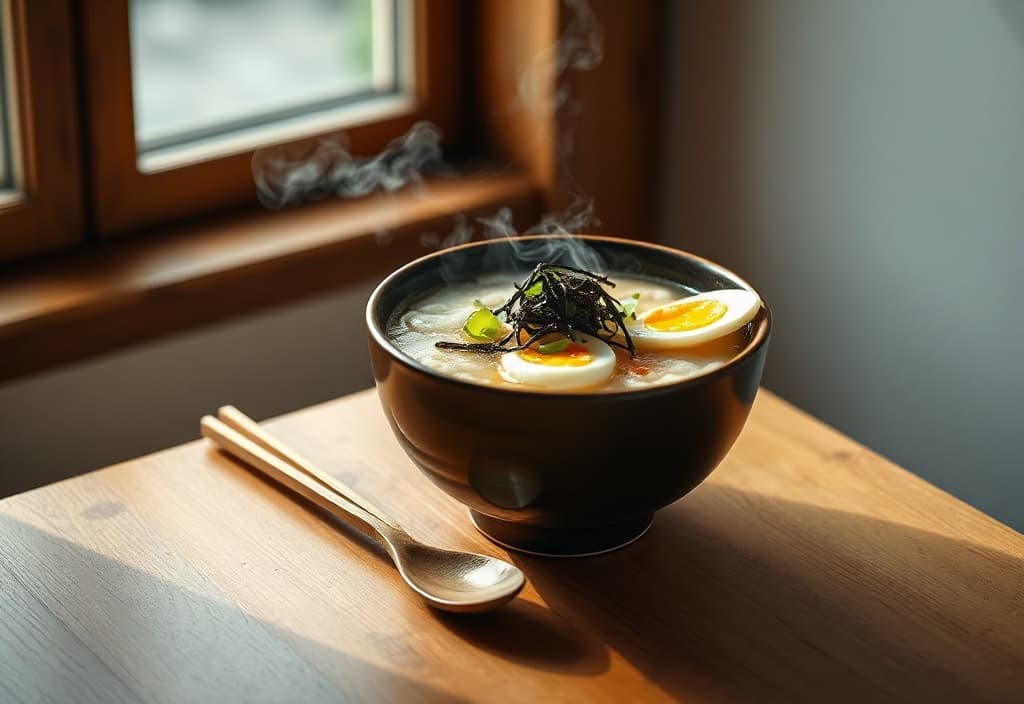
Learn how to make Tteokguk, the classic Korean rice cake soup. This guide compares quick solo-friendly methods with traditional beef broth recipes for home cooks.
Tteokguk Recipe: How to Make Korean Rice Cake Soup for One
You have probably heard that authentic Tteokguk requires a labor-intensive beef bone broth simmered for at least 8 hours to achieve the necessary depth of flavor. It is not quite right. While a long-simmered base is certainly a traditional luxury, the true essence of this dish lies in the balance of the seasoning and the specific texture of the rice cakes, both of which can be mastered in under 20 minutes with the right approach. Whether you are cooking for a crowd or preparing a quiet meal for yourself, understanding the interplay between the starch and the broth is more important than the hours spent at the stove.
Please note that the following information is for general educational and culinary purposes only. It does not constitute nutritional, medical, or dietary advice. If you have specific health concerns or food allergies, I recommend consulting with a qualified professional before making significant changes to your diet.
Why Making Tteokguk Often Feels Intimidating
In my experience, many home cooks hesitate to make Tteokguk because they feel it is a dish reserved only for the Lunar New Year or large family gatherings. There is a certain pressure to make it perfect, with clear broth and intricate garnishes. For someone living alone or a busy parent trying to feed picky children, the idea of preparing multiple garnishes while managing a delicate broth can feel like too much work for a Tuesday night.
The difficulty often boils down to three main factors. First, there is the broth. Achieving a savory 'umami' depth without hours of simmering is a challenge. Second, there is the texture of the rice cakes. If they are overcooked by even 2 minutes, they turn into a gummy, starchy mess. If undercooked, they are unpleasantly hard in the center. Third, there is the seasoning balance. I have often struggled to get the saltiness right for my own palate while keeping it mild enough for my children, who are sensitive to any overpowering flavors.
In my kitchen, I have had to find ways to bypass these hurdles. I have learned that the solo diner does not need a massive pot of bone marrow broth; they need a reliable, flavorful shortcut that respects the traditional flavor profile. I have spent years refining a version that satisfies my craving for comfort food without leaving me with a mountain of dishes to wash.
Analyzing the Broth: Tradition vs. Convenience
When we look at Tteokguk, the broth is the foundation. Traditionally, there are two main paths: the beef-based broth and the dried fish-based broth. Each has its merits, and the choice depends entirely on your available time and taste preference.
The Beef-Based Tradition
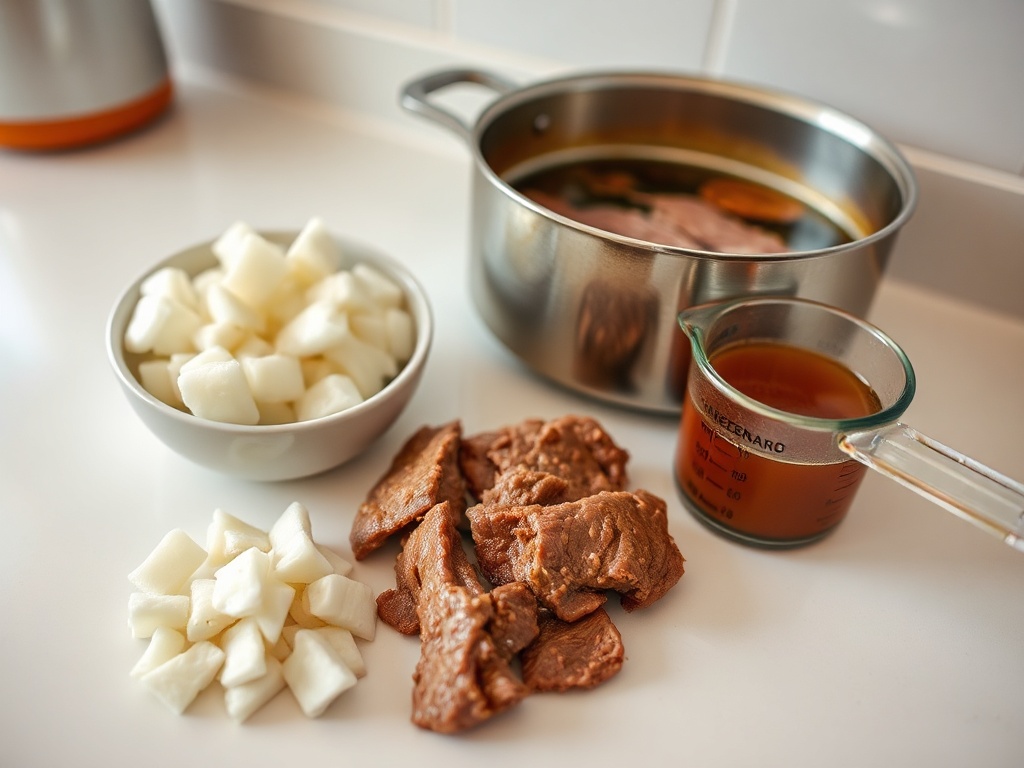
This is the most common version seen in many households. It involves browning small pieces of beef (usually brisket or flank) in sesame oil before adding water. The fat from the beef emulsifies with the water, creating a rich, opaque liquid. In my personal observation, using about 100g of finely minced beef for a single serving provides enough fat and protein to make the soup feel like a complete meal. The downside is that beef can be expensive, and if the meat is not of high quality, it can leave the broth tasting slightly metallic.
The Anchovy and Kelp Alternative
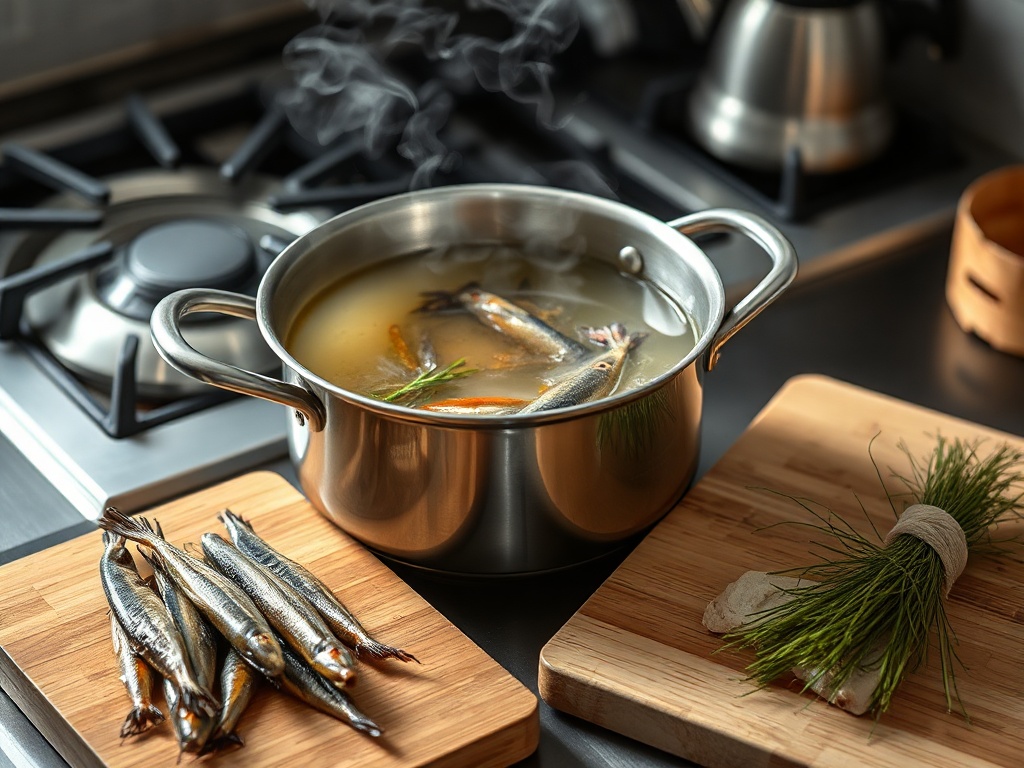
For a lighter, cleaner taste, many prefer a broth made from dried anchovies and kombu (dried kelp). This is my preferred method when I want a quick lunch. It takes about 10 to 15 minutes to extract the flavor. I have estimated that using 3 to 5 large dried anchovies and one 5cm square of kelp for 500ml of water creates a perfectly balanced base. However, the risk here is over-boiling the kelp, which can release a bitter, slimy residue that ruins the soup's clarity.
The Modern Shortcut
As of early 2026, many specialty markets carry high-quality broth tablets or concentrated liquids. While some purists may scoff, I have found that a high-quality anchovy-base tablet can save 15 minutes of prep time without a significant loss in flavor. When I am exhausted after a long day of parenting, this is the solution I turn to most often.
Realistic Solutions for the Solo Cook
If you are cooking for one, you want a method that is efficient but still feels like a proper meal. I recommend a 'hybrid' approach that uses a small amount of beef for flavor and a quick-soak method for the rice cakes. Here is how I manage it in my own kitchen.
Step 1: Preparing the Rice Cakes
I recommend starting with 200g of sliced rice cakes (Tteokguk-tteok) for one person. Even if the package says they are 'fresh,' they have likely been refrigerated. I always soak them in cold water for 10 minutes. This ensures that the outer layer of starch does not dissolve too quickly into the soup, which would make the broth unpleasantly thick.
Step 2: Sautéing the Aromatics
In a small pot, I add 1 tablespoon of toasted sesame oil and the 100g of minced beef. I cook the beef on medium heat until it is completely browned. This is a critical step because the browning process—the Maillard reaction—is what provides the deep savory notes that replace a long-simmered broth. Once the beef is browned, I add 1 tablespoon of soup soy sauce (Guk-ganjang) directly to the meat to let it caramelize for 30 seconds before adding water.
Step 3: The Simmer
I add 400ml to 500ml of water to the pot. I bring this to a boil and let it bubble for about 5 minutes. During this time, I use a spoon to skim off any gray foam that rises to the top. In my experience, removing this foam is the difference between a 'home-cooked' soup and a 'restaurant-quality' one. It keeps the flavor clean.
Step 4: Adding the Cakes and Eggs
I drain the soaked rice cakes and add them to the boiling broth. They will sink to the bottom. I cook them for 3 to 4 minutes. You will know they are ready when they float to the surface. At this point, I have a choice: I can either drizzle in a whisked egg for a 'cloudy' style soup or prepare the egg separately as a garnish.
- The Whisked Method: Whisk 1 egg and pour it in a circular motion. Do not stir immediately; let it set for 10 seconds so you get nice ribbons of egg.
- The Garnish Method: Fry the egg into a thin sheet in a separate pan, slice it into thin strips, and place it on top at the end.
Critical Caveats: Where the Recipe Might Fail
Even with a simple recipe, things can go wrong. I have identified three areas where I frequently see mistakes being made, including in my own early attempts at this dish.
The Salt Trap: Guk-ganjang is much saltier than regular soy sauce. If you use the same amount of regular soy sauce, the soup will be bland. Conversely, if you use too much Guk-ganjang to get the right saltiness, the soup will turn very dark. I suggest using a small amount of soy sauce for flavor and finishing with sea salt for the actual saltiness.
The Starch Overload: If you do not rinse the rice cakes after soaking, the excess surface starch will turn your soup into a thick porridge. This is especially true if you are using frozen cakes. I have observed that a thorough rinse can reduce the 'muddiness' of the broth by about 30 percent.
The Overcook: Rice cakes continue to soften even after you turn off the heat. If you plan on taking photos of your food or if you are interrupted by a phone call, the cakes will become soggy. I recommend serving the soup immediately. If you must wait, undercook the cakes by about 1 minute.
When This Recipe Is Not a Fit
This traditional starch-heavy dish may not be suitable for those on a ketogenic or low-carbohydrate diet, as the rice cakes are primarily composed of refined rice flour. Additionally, if you have a high sensitivity to sodium, you must be very careful with the broth bases, as both store-bought tablets and traditional soy sauces are high in salt. In such cases, I recommend making a homemade vegetable stock from scratch to control the mineral content.
Decision Criteria for Your Tteokguk
When deciding how to approach this recipe, consider these two main criteria:
- Time vs. Flavor Depth: If you have 15 minutes, use the broth tablet and the whisked egg method. If you have 45 minutes, browning the beef and making a separate egg garnish (Jidan) will provide a much more rewarding sensory experience.
- Texture Preference: Do you prefer a 'clean' broth or a 'creamy' broth? For a clean broth, use the anchovy base and the separate egg garnish. For a creamy, hearty broth, use the beef base and whisk the egg directly into the pot.
Summary of Key Points and Next Steps
To ensure your Tteokguk is a success, keep these three points in mind:
- Soak the cakes: Always give your rice cakes at least 10 minutes in water to ensure even cooking.
- Control the salt: Use a combination of soup soy sauce for depth and sea salt for clarity and precision.
- Mind the heat: Do not boil the rice cakes for more than 5 minutes, or you will lose the signature chewy texture.
Your Action Plan for Today
If you want to try this today, the most accessible first step is to check your freezer for rice cakes and put 200g of them in a bowl of cold water. Even if you haven't decided on your broth yet, getting the cakes hydrated is the most important preparation step. Once they are soaking, you can decide whether to go the quick route with a broth tablet or the traditional route with beef.
Depending on your results, you can then proceed to refine your seasoning, or if the texture wasn't right, verify the freshness of your rice cakes with your local supplier. If you find the process too cumbersome for a single meal, you might pause and look into high-quality frozen kits, though I believe the flavor of a home-seasoned broth is always worth the extra 10 minutes of effort.
FAQ
Is there a vegetarian version of Tteokguk that still tastes rich?
Yes, I have found that using dried shiitake mushrooms is the best way to achieve a vegetarian umami. I recommend soaking 3 to 4 dried mushrooms in 500ml of warm water for 20 minutes and using that soaking liquid as your broth base. You can then slice the rehydrated mushrooms and sauté them in sesame oil just like you would with beef to create a savory foundation for the soup.
Why does my broth look grey instead of white or clear?
This usually happens for one of two reasons: either the beef was not rinsed of excess blood before browning, or the foam was not skimmed during the boiling process. To prevent this, I suggest patting the beef dry with a paper towel before it hits the pan and keeping a small bowl of water nearby to dip your skimming spoon into as you remove the impurities from the boiling surface.
Can I store leftover Tteokguk for the next day?
I generally advise against storing Tteokguk once the rice cakes have been added. The cakes will continue to absorb the broth overnight, turning into a single, solid mass of starch by morning. If you know you will have leftovers, I recommend cooking the broth and the rice cakes separately. Store the broth in the fridge and only boil the specific amount of rice cakes you plan to eat at that moment.
Previous
Weekly Lunch Box Side Dishes: A Planning Guide for Solo Diners
Next
Tteokguk Recipe: How to Make Korean Rice Cake Soup for One
More in Recipes
Easy 5-Ingredient Pork Suyuk: The Ultimate High-Protein Diet Recipe
Discover a simple 5-ingredient Korean boiled pork (Suyuk) recipe that takes just 50 minutes. Perfect for a high-protein, low-calorie diet that keeps you full.
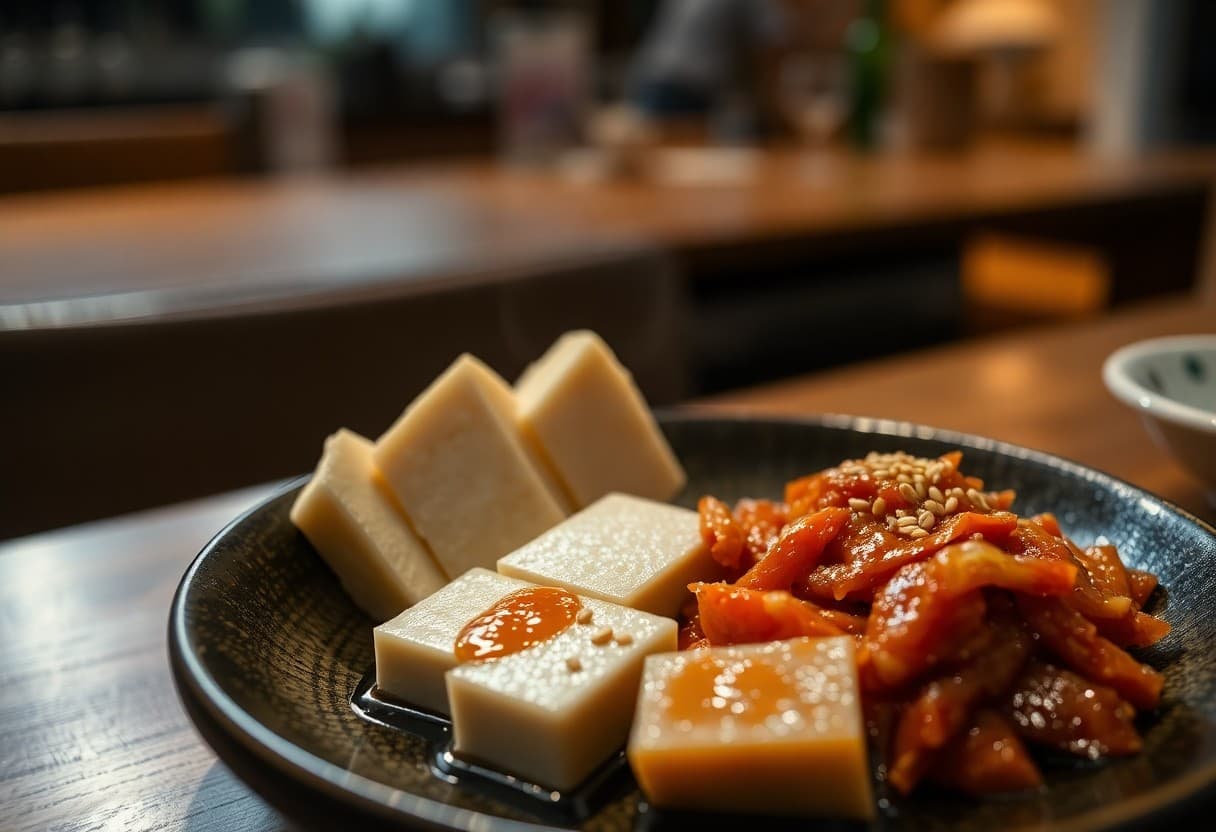
Tofu Kimchi Recipe: Quick Ways to Use Fridge Leftovers
Learn a simple Tofu Kimchi recipe to clear out your fridge. Discover freezer-friendly meal prep tips, common beginner mistakes, and quick cleanup hacks.
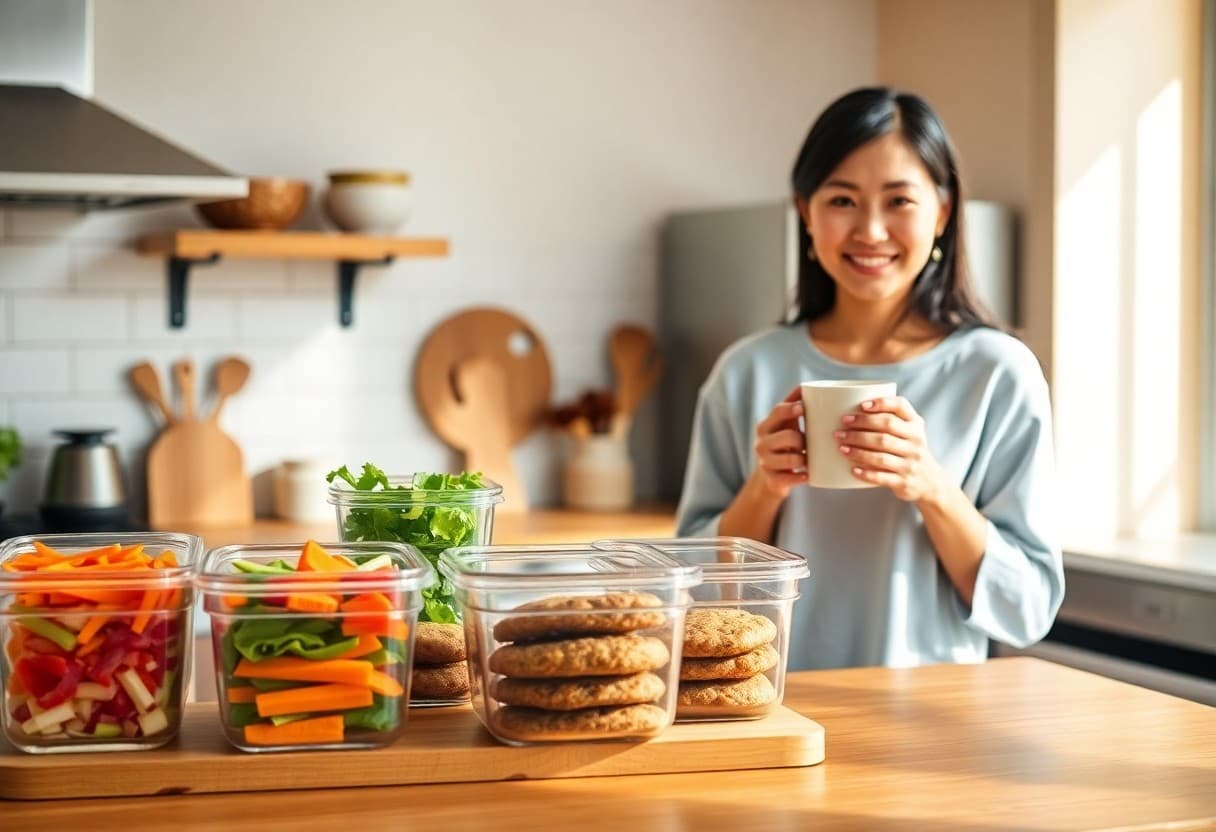
Vegetarian guest hosting recipes you can prep on weekends
Vegetarian guest hosting recipes made easy. Learn how to prep plant-based dishes on weekends, freeze them safely, and master smart ingredient substitutions.
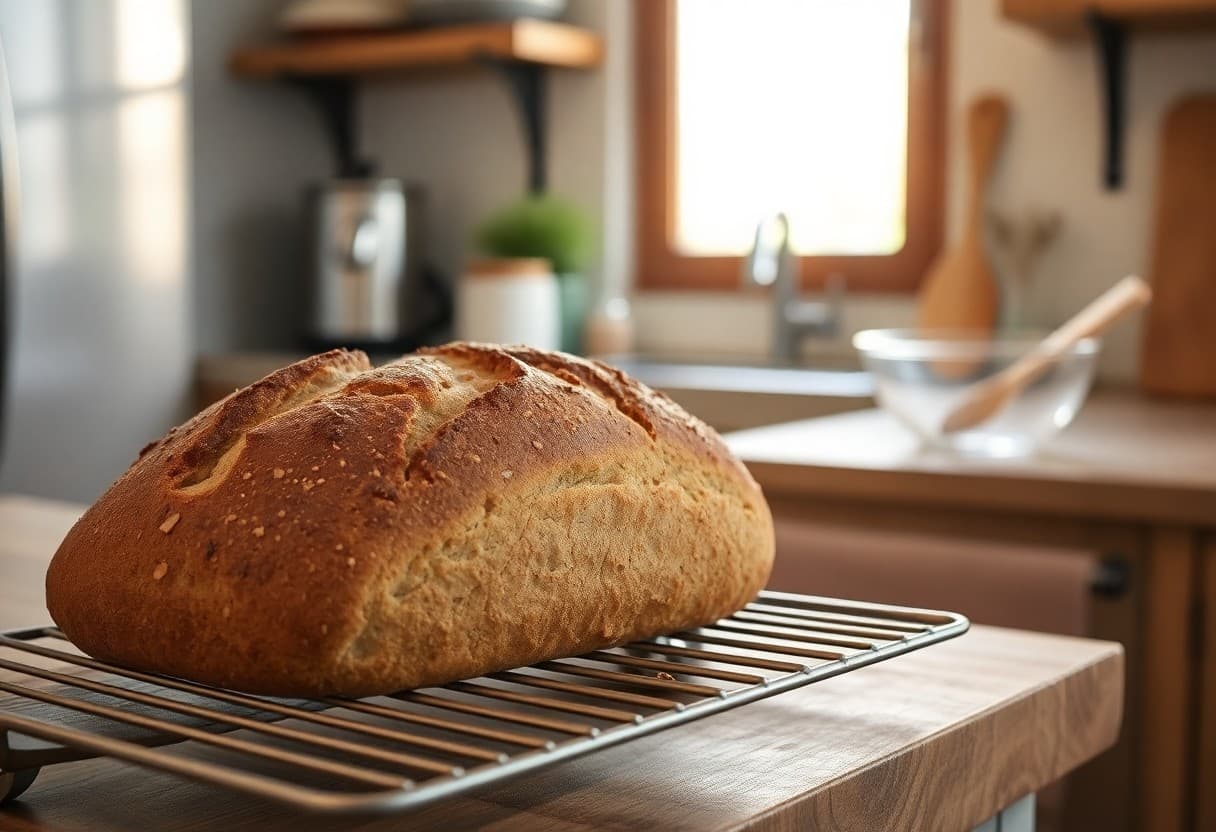
How to Bake Bread in a Small Kitchen with Minimal Cleanup
Learn how to bake homemade bread in a small kitchen with minimal cleanup. This guide covers no-knead methods, diet-friendly tips, and office lunch ideas.