Doenjang Recipe Variations for Large-Scale Vegetarian Meal Prep
Key Takeaways
Learn how to use fermented soybean base in bulk vegetarian cooking. We cover storage, flavor balancing for picky kids, and large-scale meal prep strategies.
Doenjang Recipe Variations for Large-Scale Vegetarian Meal Prep
It's been 12 years since I first opened a tub of fermented soybean paste in my own kitchen, and the aroma alone used to make me wonder if I would ever get the seasoning right. Back then, I was cooking for one and could afford to experiment with single bowls of soup, but now that I am feeding a household with picky children, the stakes are much higher. Over the last decade, I have transitioned from making small, individual meals to preparing large-scale bases that can be stored and repurposed throughout the week. This shift was born out of necessity, as balancing the intense, salty funk of fermented soy with the mild palates of children requires a strategic approach to bulk preparation. This information is intended for general culinary guidance and does not constitute professional nutritional or medical advice. Please consult a specialist for specific dietary needs.
Why is balancing fermented soybean paste flavor so difficult in bulk?
The primary challenge with large-scale cooking using fermented soybean paste, or doenjang, is the concentration of sodium and the intensity of the fermentation. When you scale up a recipe, the saltiness does not always increase linearly. In my experience, a pot that is four times larger than a standard serving often requires only three times the amount of paste to achieve the same flavor depth. If you simply quadruple the ingredients, you risk creating a dish that is far too salty for children or those sensitive to sodium.
Furthermore, the texture of the beans in the paste can be a deterrent for picky eaters. Commercially available pastes often contain 12% to 15% salt by weight (Standard Food Labeling, 2024), which means a heavy hand can quickly ruin a 5-liter batch of stew. For vegetarians, the lack of dried anchovies or beef bones—traditional components of this flavor profile—means you must rely entirely on plant-based umami sources like dried shiitake mushrooms or kelp. Balancing these earthy tones without making the dish taste bitter requires a precise understanding of ratios.
What are the best ways to bulk-prepare doenjang bases?
To make vegetarian meal prep efficient, I focus on creating concentrated bases rather than finished dishes. This allows for versatility throughout the week. Here are the three most effective methods I have found for large-scale preparation:
The Mother Sauce Method
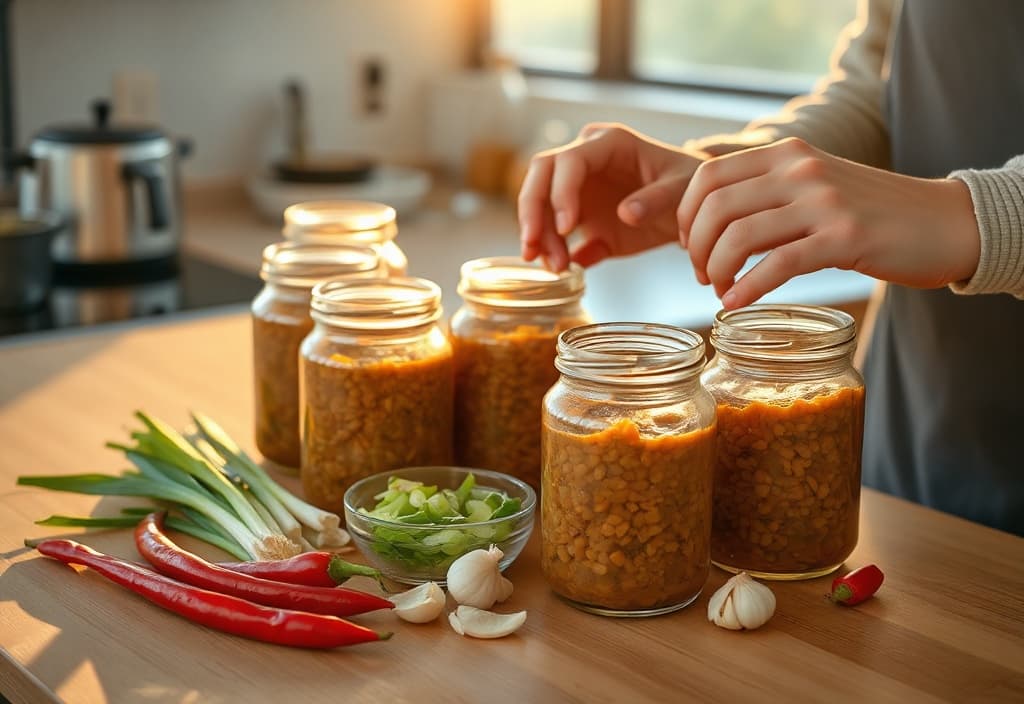
This involves creating a thick, concentrated paste that combines doenjang with aromatics. I typically mix 500g of fermented soybean paste with 100g of minced garlic, 50g of grated ginger, and 200ml of toasted sesame oil. This mixture acts as a shelf-stable foundation. Because the high salt content of the paste preserves the garlic and ginger, this base can stay fresh in a sterilized glass jar for up to 3 months in the refrigerator.
- Use 1 tablespoon per 500ml of water for a quick soup base.
- Use 2 tablespoons as a marinade for 400g of extra-firm tofu.
- Whisk 1 teaspoon into a vinaigrette for a savory salad dressing.
Roasted Vegetable and Doenjang Stock
For those who prefer a liquid base, roasting 1kg of onions, carrots, and radishes before simmering them with 100g of fermented paste creates a rich, dark stock. In my kitchen, I have found that roasting the vegetables first provides a smoky sweetness that counteracts the sharp saltiness of the paste. Once cooled, this stock can be portioned into 1-liter containers and frozen. This method reduces active cooking time by 40 minutes on busy weeknights.
Nut-Butter Doenjang Hybrid
One of the most successful adaptations for my picky kids has been mixing the fermented paste with unsalted peanut butter or almond butter in a 1:1 ratio. This might sound unconventional, but the fats in the nut butter coat the tongue and dampen the intense fermented aroma that many children find off-putting. This hybrid paste is excellent for bulk-making stir-fry sauces or creamy noodle dishes.
Comparing traditional stews and modern vegetarian doenjang fusions
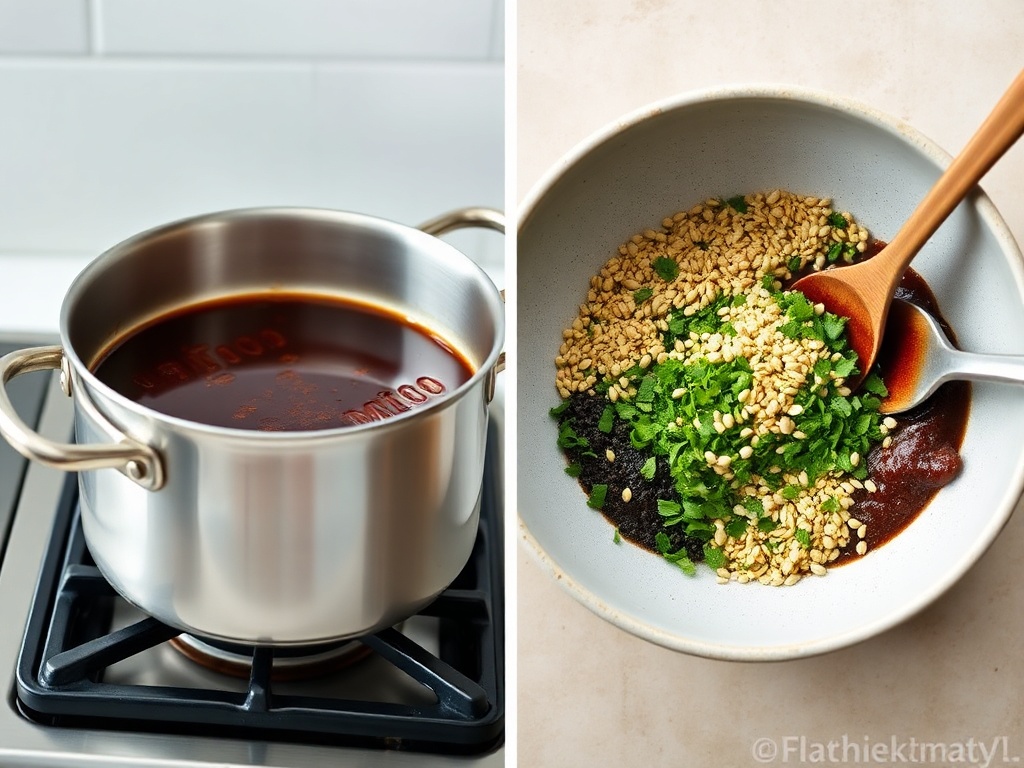
When deciding how to utilize your bulk-prepared paste, it helps to compare the traditional approach with modern, vegetarian-friendly fusions. Each has a different impact on your weekly meal schedule and family acceptance.
- Traditional Style (Jjigae): This relies on a high concentration of paste and a long simmer with sturdy vegetables like zucchini and potatoes. It is excellent for deep flavor but can be difficult to reheat multiple times as the vegetables become mushy. It is best for 1–2 days of consumption.
- Fusion Style (Pasta/Risotto): Using doenjang as an umami booster in a tomato-based pasta sauce or a mushroom risotto is a great way to use bulk supplies. It adds a layer of complexity that mimics parmesan cheese. This style is often more acceptable to children who are wary of the traditional 'stinky' soup smell.
- Dry Rubs and Marinades: Using the paste in its concentrated form to coat vegetables for roasting. This is the fastest way to use a large quantity of paste and provides a crispy, savory crust that is high in protein and flavor. In practice, I find that the fusion style works better for school lunches, while the traditional style is my go-to for a comforting weekend dinner. For example, a doenjang-infused pesto made with spinach and walnuts can be prepared in a 1-liter batch and used for three different meals: as a pasta sauce, a sandwich spread, and a dip for raw vegetables.
Critical caveats: When fermented paste recipes might fail
Despite its versatility, there are specific scenarios where using doenjang in bulk prep will not yield good results. It is important to recognize these before committing to a large batch of ingredients.
- Over-boiling Probiotics: If you are using unpasteurized, artisanal paste for its health benefits, boiling it for more than 5–10 minutes will destroy the live cultures. For large batches, it is better to add the paste at the very end of the reheating process.
- Aluminum Cookware Reactivity: Fermented pastes are acidic and salty. Cooking a large batch in an untreated aluminum pot can lead to a metallic taste and potential leaching. Always use stainless steel, ceramic, or enamel-coated cast iron for bulk preparation.
- The Sogginess Factor: If you add delicate greens like spinach or bok choy to a large batch of stew before freezing, they will turn into an unappealing gray slime upon thawing. Always store the broth base separately and add fresh greens during the final two minutes of reheating. Decision criteria for your prep should include your family's risk tolerance for new flavors and the time you have available. If you have less than 30 minutes for dinner, the Mother Sauce method is superior. If you have a slow Sunday afternoon, the Roasted Vegetable Stock is a better investment.
How to store large batches of doenjang-based sauces
Storage is the most critical step in large-scale prep. Because doenjang is a living fermented product, it continues to evolve even after you have mixed it with other ingredients.
Use Glass Over Plastic: Fermented soy has a very strong odor that can permanently stain and scent plastic containers. I highly recommend using tempered glass jars with airtight lids.
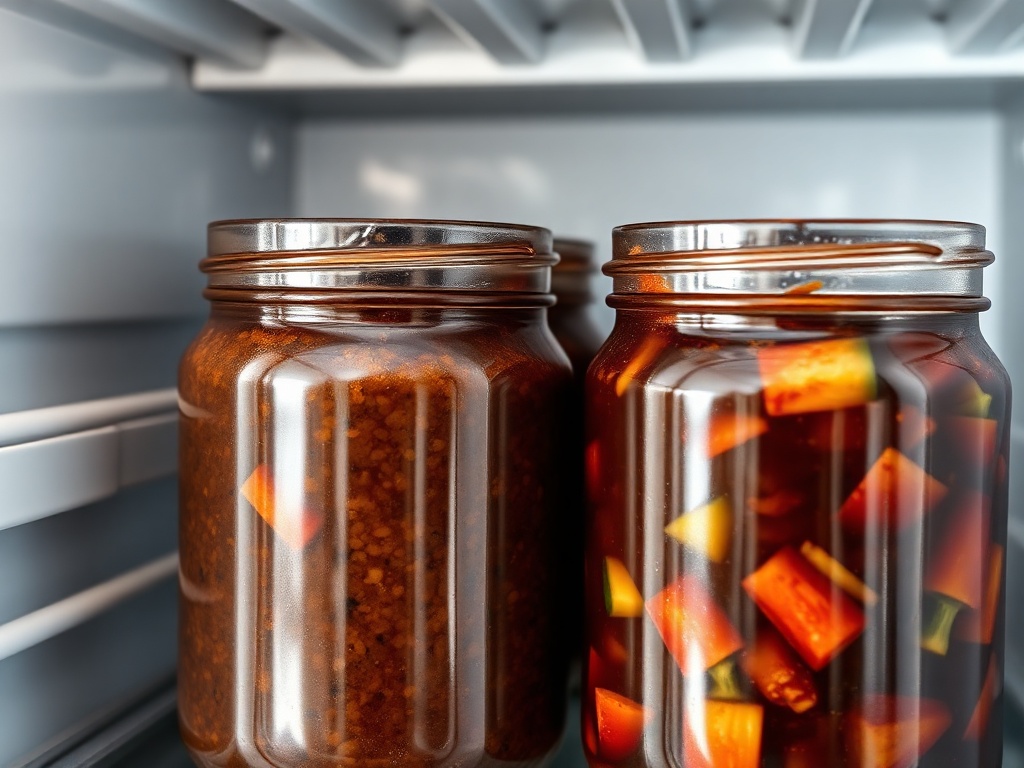
The Oil Seal: For concentrated pastes, pouring a thin layer of sesame or perilla oil over the top before sealing the jar creates an oxygen barrier. This prevents the surface from drying out or developing mold.
Labeling and Dating: While the paste itself has a long shelf life, once you add water, vegetables, or fresh aromatics, the clock starts ticking. A bulk stew in the fridge is safe for 4–5 days, while a concentrated mother sauce lasts 2–3 months.
Small Portions for Freezing: Instead of freezing a 2-liter block of soup, use silicone muffin molds to freeze 100ml pucks of concentrated base. This allows you to pop out exactly what you need for a single serving without thawing the entire batch.
Avoid Cross-Contamination: Always use a clean, dry spoon when scooping from your bulk jar. Even a tiny drop of water or a crumb of food can introduce bacteria that will spoil the entire batch within a week.
The single most accessible first action
If you are overwhelmed by the idea of bulk cooking with doenjang, start with the most versatile and low-risk step: The Nut-Butter Hybrid Sauce. Mix 2 tablespoons of fermented soybean paste with 2 tablespoons of creamy peanut butter and 1 tablespoon of maple syrup. This takes less than 2 minutes to prepare. Use it as a dip for cucumber sticks or toss it with some warm noodles. This small experiment will help you understand how the saltiness of the paste behaves when tempered by fat and sweetness, providing a baseline for your future large-scale experiments.
Summary and Next Steps
Managing doenjang in a vegetarian kitchen requires a balance of tradition and modern convenience. To succeed with bulk prep, remember these three points:
- Concentrate the flavor: Build a mother sauce or a roasted stock rather than finished soups to maximize versatility.
- Balance the intensity: Use fats like nut butters or oils to mellow out the fermented aroma for picky eaters.
- Prioritize storage: Use glass containers and portion control to ensure your hard work doesn't go to waste. Your specific next step depends on your current setup.
- Proceed: If you have glass jars and a fresh tub of paste, make a batch of the Mother Sauce today.
- Pause: If you only have plastic containers or are unsure of the sodium content, wait until you can purchase glass storage and read the nutritional labels on different brands.
- Verify: Check the salt content on your specific brand of paste before scaling up any recipe, as artisanal brands can be significantly saltier than mass-produced ones.
Previous
Tteokguk Recipe: How to Make Korean Rice Cake Soup for One
Next
Doenjang Recipe Variations for Large-Scale Vegetarian Meal Prep
More in Recipes
Easy 5-Ingredient Pork Suyuk: The Ultimate High-Protein Diet Recipe
Discover a simple 5-ingredient Korean boiled pork (Suyuk) recipe that takes just 50 minutes. Perfect for a high-protein, low-calorie diet that keeps you full.
Tofu Kimchi Recipe: Quick Ways to Use Fridge Leftovers
Learn a simple Tofu Kimchi recipe to clear out your fridge. Discover freezer-friendly meal prep tips, common beginner mistakes, and quick cleanup hacks.
Vegetarian guest hosting recipes you can prep on weekends
Vegetarian guest hosting recipes made easy. Learn how to prep plant-based dishes on weekends, freeze them safely, and master smart ingredient substitutions.
How to Bake Bread in a Small Kitchen with Minimal Cleanup
Learn how to bake homemade bread in a small kitchen with minimal cleanup. This guide covers no-knead methods, diet-friendly tips, and office lunch ideas.