Diet Tteokguk: How to Reduce Calories in Rice Cake Soup
Key Takeaways
Diet Tteokguk can be high in calories, but these modifications help. Learn how to make a low-calorie Korean rice cake soup with better ingredients and broth.
Diet Tteokguk: How to Reduce Calories in Rice Cake Soup
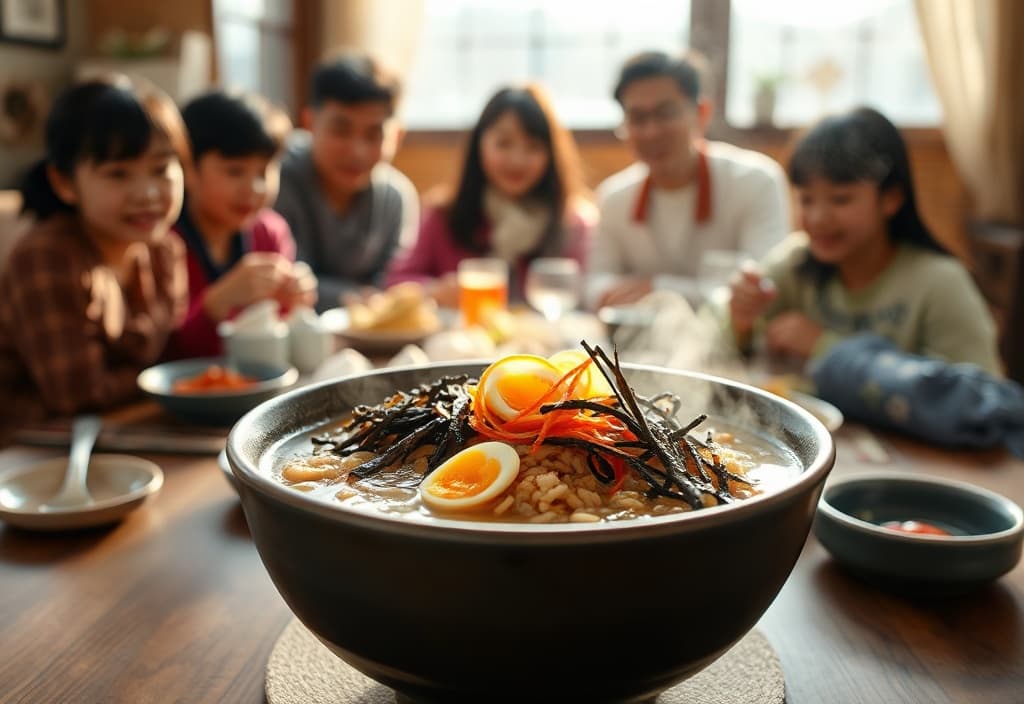
430 calories is the average nutritional cost of a single standard bowl of Korean rice cake soup, according to data from the Korea National Health and Nutrition Examination Survey (KNHANES). When I first saw that number, I was genuinely surprised because I always viewed this dish as a light, comforting soup rather than a calorie-dense meal. In my two years of reducing meat consumption and experimenting with plant-based alternatives, I have learned that traditional dishes often hide a significant amount of refined carbohydrates and sodium. While Tteokguk is a celebratory staple, it can be a difficult fit for those strictly monitoring their caloric intake or blood sugar levels. Making a diet-friendly version requires more than just reducing the portion size; it involves a fundamental shift in how we balance the macronutrients within the bowl.
This article provides general information regarding nutritional adjustments and cooking techniques for informational purposes only. It does not constitute medical advice, dietary prescription, or professional weight loss counseling. If you have underlying health conditions such as diabetes or hypertension, please consult with a registered dietitian or a qualified medical professional before making significant changes to your diet.
What Criteria Matter for a Diet-Friendly Soup?
Before selecting ingredients or choosing a cooking method, we must establish the criteria that define a successful diet-friendly soup. In my experience, many healthy versions of traditional recipes fail because they focus solely on calorie reduction while ignoring satiety and flavor. If a meal does not keep you full for at least 3–4 hours, it is likely to lead to snacking later in the day, defeating the purpose of the diet.
Glycemic Index and Carbohydrate Quality
The primary concern with rice cake soup is the rice cake itself. Traditional tteok is made from highly refined white rice flour that has been pounded into a dense form. This creates a high Glycemic Index (GI) food, which causes a rapid spike in blood glucose and a subsequent insulin response. For a dieter, the goal is to lower the GI or mitigate the spike by introducing fiber. This ensures that the energy from the carbohydrates is released more slowly into the bloodstream.
Calorie Density and Volume
Calorie density refers to the number of calories in a given weight of food. Rice cakes are extremely calorie-dense, containing approximately 220–250 calories per 100g. To make this soup diet-friendly, we must lower the overall calorie density by increasing the volume of the soup with low-calorie ingredients. This is often referred to as volume eating, where you feel physically full because of the bulk of the food, even though the total calorie count remains low.
Sodium Levels and Water Retention
Excessive sodium does not contain calories, but it is a major hurdle for weight management. High salt intake leads to water retention, which can cause the scale to fluctuate and leave you feeling bloated. Traditional broths and the soy sauce used for seasoning can easily exceed 1,000mg of sodium in a single serving. A diet version must prioritize flavor through aromatics and umami-rich ingredients rather than relying on salt.
Evaluating Ingredient Options for Weight Loss
Once the criteria are established, we can evaluate the specific components of the soup. Not all substitutions are created equal, and some health-marketed products are not as beneficial as they appear.
The Base: Selecting the Rice Cake Alternative
- Brown Rice Cakes: These are a significant improvement over white rice versions. They contain more fiber, which lowers the GI and provides a more sustained feeling of fullness. In my testing, the texture is slightly grainier, but it holds up well in hot broth.
- Oat Rice Cakes: Relatively new to the market, these often mix oat flour with rice flour. They provide beta-glucan, a type of soluble fiber known for heart health and satiety. However, check the labels, as some brands still use 70–80% white rice flour.
- Tofu Rice Cakes: These are processed items where tofu is blended with starch to mimic the texture of tteok. They are lower in carbs and higher in protein, making them an excellent choice for those on a ketogenic or low-carb path.
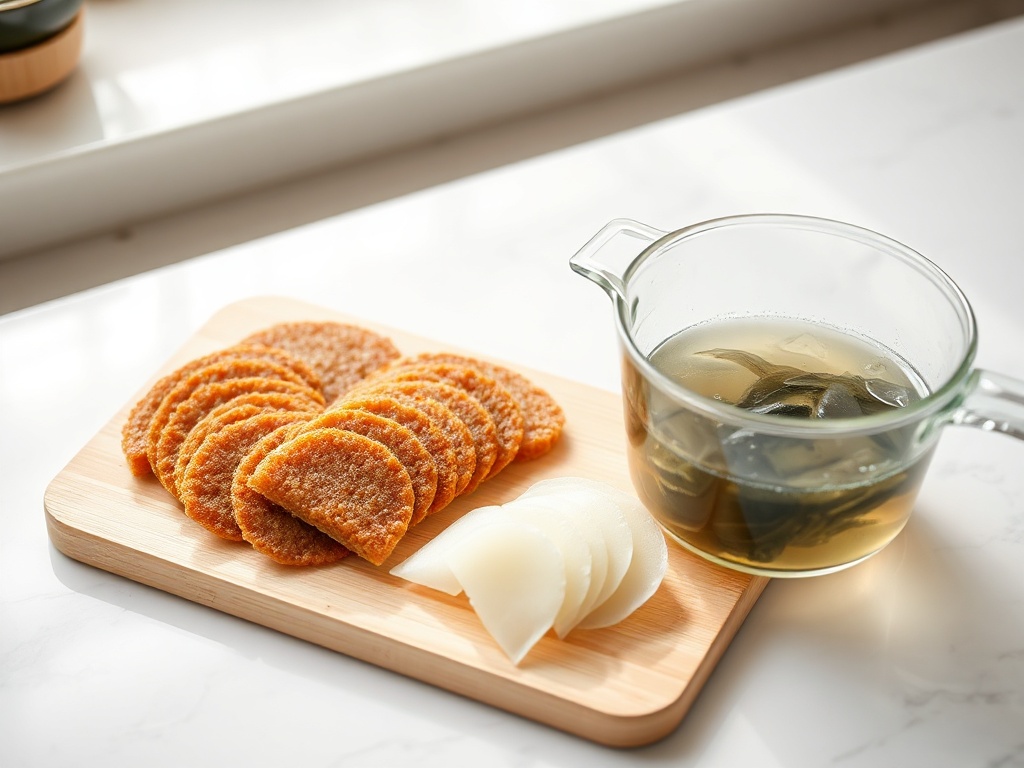
- Vegetable Substitutes: For the most aggressive calorie cutting, replacing half the rice cakes with sliced zucchini or radish is effective. For example, using 50g of rice cakes and 150g of sliced radish provides a similar mouthfeel with a fraction of the calories.
The Broth: Beyond Beef Bone
Traditional tteokguk often uses a heavy beef bone broth (sagol) or a brisket-based stock. While flavorful, these can be high in saturated fat.
- Dried Pollack (Bugeo) Broth: This is my preferred option. It is incredibly lean and high in protein. When sautéed with a tiny amount of sesame oil before adding water, it creates a milky, rich-looking broth without the heavy fat content of beef bones.
- Anchovy and Kelp Base: This is the classic light option. It is nearly calorie-free and provides a clean umami base. According to various nutritional databases, a cup of anchovy broth contains fewer than 15 calories.
- Shiitake and Vegetable Stock: For a meat-free approach, dried shiitake mushrooms provide a deep savory flavor. In my experience, adding a piece of kombu (dried kelp) and simmering it for 15–20 minutes creates a base that is satisfying even without animal fats.
Situational Recommendations for Different Diet Goals
Depending on your specific health goals, the way you assemble your tteokguk should change. There is no one-size-fits-all recipe when it comes to dietary restrictions.
For Low-Carbohydrate Seekers
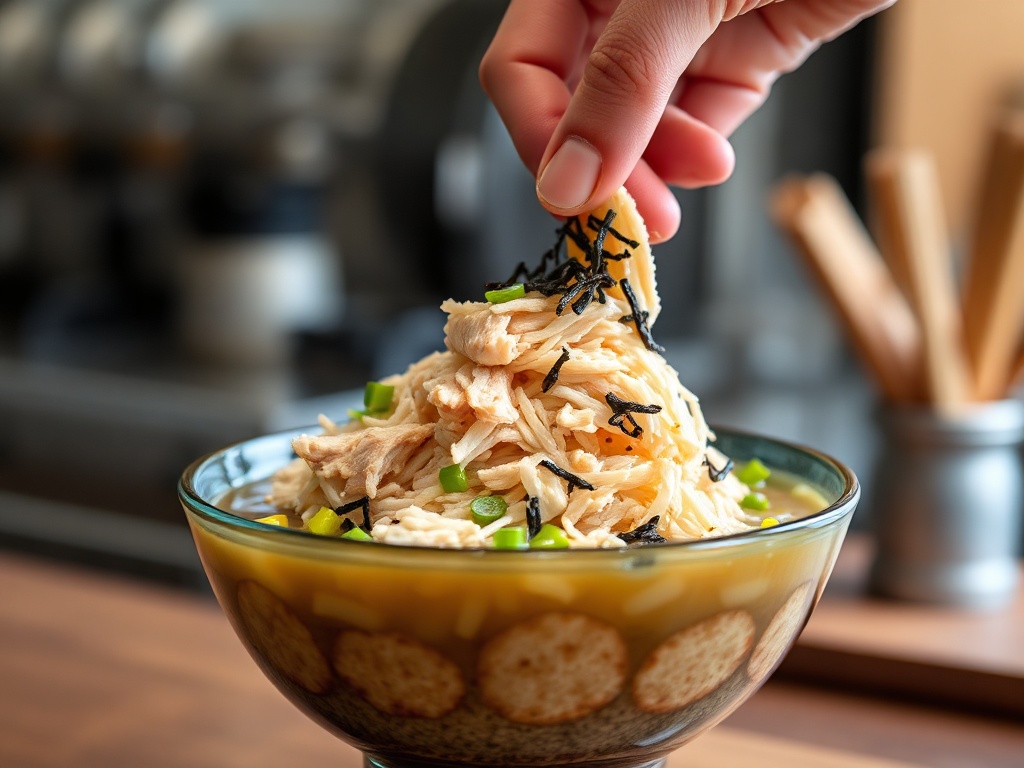
If you are focusing on a low-carb lifestyle, the rice cakes are your biggest enemy. I recommend a 25/75 split. Use only 25% of the usual rice cake portion (about 5–6 slices) and fill the rest of the bowl with protein and high-fiber vegetables. Specifically, adding a large amount of egg ribbons (jidan) and shredded chicken breast can provide the chewing experience you crave without the starch. In practice, this can bring the carb count down from 80g to under 20g per serving.
For General Calorie Deficit
If you simply want to eat a large volume of food for fewer calories, focus on the broth and vegetables. Use an anchovy-based broth and add 2 cups of chopped cabbage or bok choy to the soup. The cabbage wilts down and takes on the flavor of the broth, acting as a filler. This allows you to have a massive, steaming bowl of soup that feels like a feast but only totals around 250–300 calories.
For Sodium-Sensitive Dieters
To manage blood pressure or bloating, avoid using soy sauce (guk-ganjang) as the primary seasoning. Instead, use a very small amount of fish sauce for umami and rely on toasted garlic, white pepper, and a generous amount of green onions. The sulfurous bite of raw green onions added at the end provides a sensory distraction from the lack of salt.
Red Flags and Common Mistakes to Avoid
Even with the best intentions, it is easy to accidentally turn a diet soup into a high-calorie meal. Here are three major pitfalls I have encountered in my own kitchen.
- Overusing Sesame Oil: While sesame oil is a healthy fat, it is extremely calorie-dense. One tablespoon contains 120 calories. Many recipes call for sautéing the meat and the rice cakes in oil before adding water. For a diet version, use a non-stick pot and only 1 teaspoon of oil, or skip the sautéing step entirely and use a cold-start broth method.
- Hidden Sugars in Store-Bought Broth: If you purchase pre-packaged beef bone broth, read the ingredient list carefully. Many commercial brands add sugar or corn syrup to balance the saltiness, which can add 20–40 calories of pure sugar per serving. Always look for unsalted, additive-free options.
- The Garnishing Trap: Traditional garnishes like fried beef, egg yolks, and oil-soaked seaweed can add up. A handful of seasoned seaweed can add 50 calories and 200mg of sodium. Instead, use boiled lean brisket (shredded) and steamed egg whites to keep the protein high and the fat low.
Practical Steps for Implementation
When you are ready to cook, follow these specific measurements to ensure consistency. Use 100g of brown rice cakes per person, which is roughly one large handful. Balance this with 150g of bulky vegetables like Napa cabbage or zucchini. For protein, aim for at least 20g per serving, which can be achieved with one whole egg and 50g of lean protein like tofu or skinless chicken breast.
In my experience, the order of operations matters for texture. Do not boil the rice cakes for more than 3–5 minutes. If you overcook them, the starch leaches into the soup, making the broth thick and heavy. A clear, thin broth is psychologically more satisfying when you are trying to eat a lighter meal.
Conclusion
Adapting a traditional dish like Tteokguk for a diet does not mean you have to sacrifice the essence of the meal. By focusing on ingredient quality and nutritional density, you can enjoy a comforting bowl of soup that aligns with your fitness goals.
To summarize the key strategies for a successful diet rice cake soup:
- Swap refined white rice cakes for brown rice, oat, or tofu-based alternatives to lower the glycemic impact.
- Increase the volume of the meal by adding low-calorie vegetables like radish, cabbage, or mushrooms.
- Prioritize lean, high-protein broth bases like dried pollack or anchovy to keep the calorie count low while maintaining satiety. One specific action you can take today is to pre-soak your rice cakes in cold water for 30 minutes before your next meal. This simple step reduces surface starch and helps you achieve a cleaner, diet-friendly broth without any extra cost or complicated ingredients.
Previous
5-Minute Fridge Meals: High-Protein Ingredient Substitutions for Dieters
Next
Diet Tteokguk: How to Reduce Calories in Rice Cake Soup
More in Recipes
Easy 5-Ingredient Pork Suyuk: The Ultimate High-Protein Diet Recipe
Discover a simple 5-ingredient Korean boiled pork (Suyuk) recipe that takes just 50 minutes. Perfect for a high-protein, low-calorie diet that keeps you full.
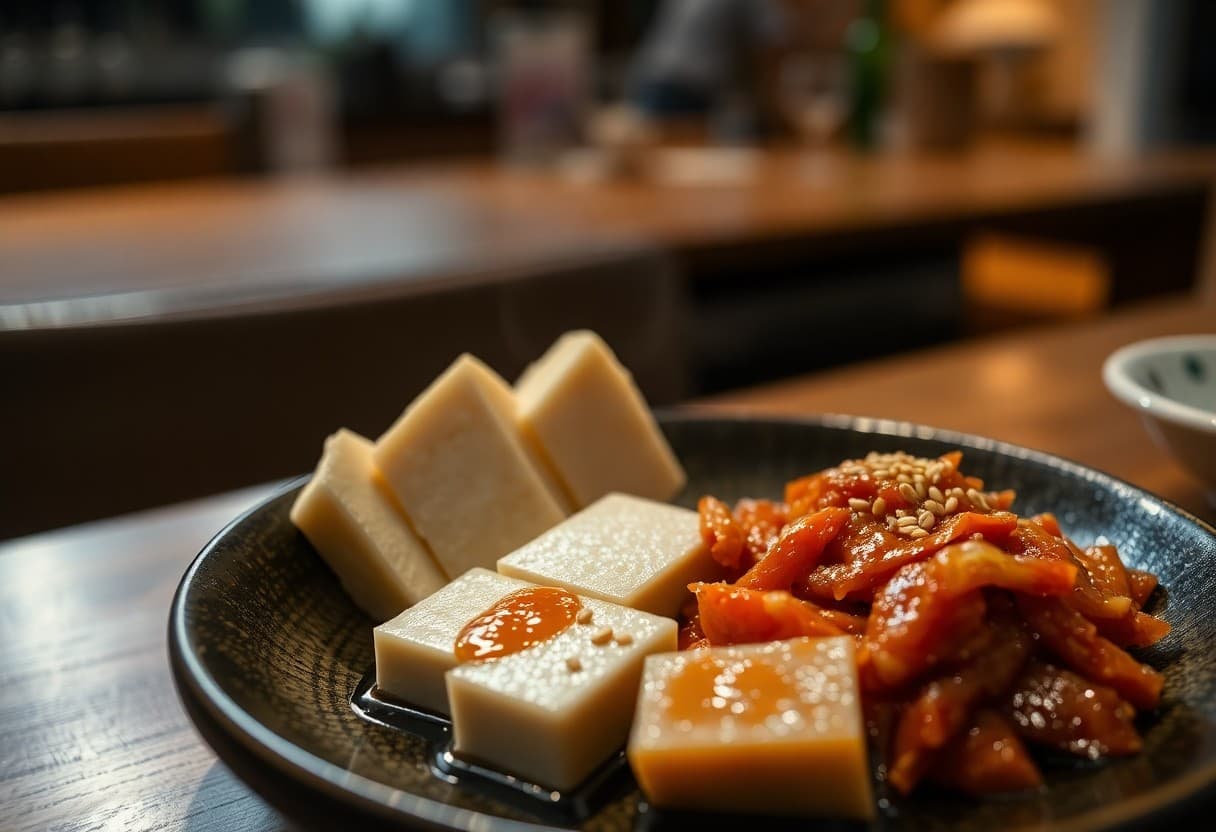
Tofu Kimchi Recipe: Quick Ways to Use Fridge Leftovers
Learn a simple Tofu Kimchi recipe to clear out your fridge. Discover freezer-friendly meal prep tips, common beginner mistakes, and quick cleanup hacks.
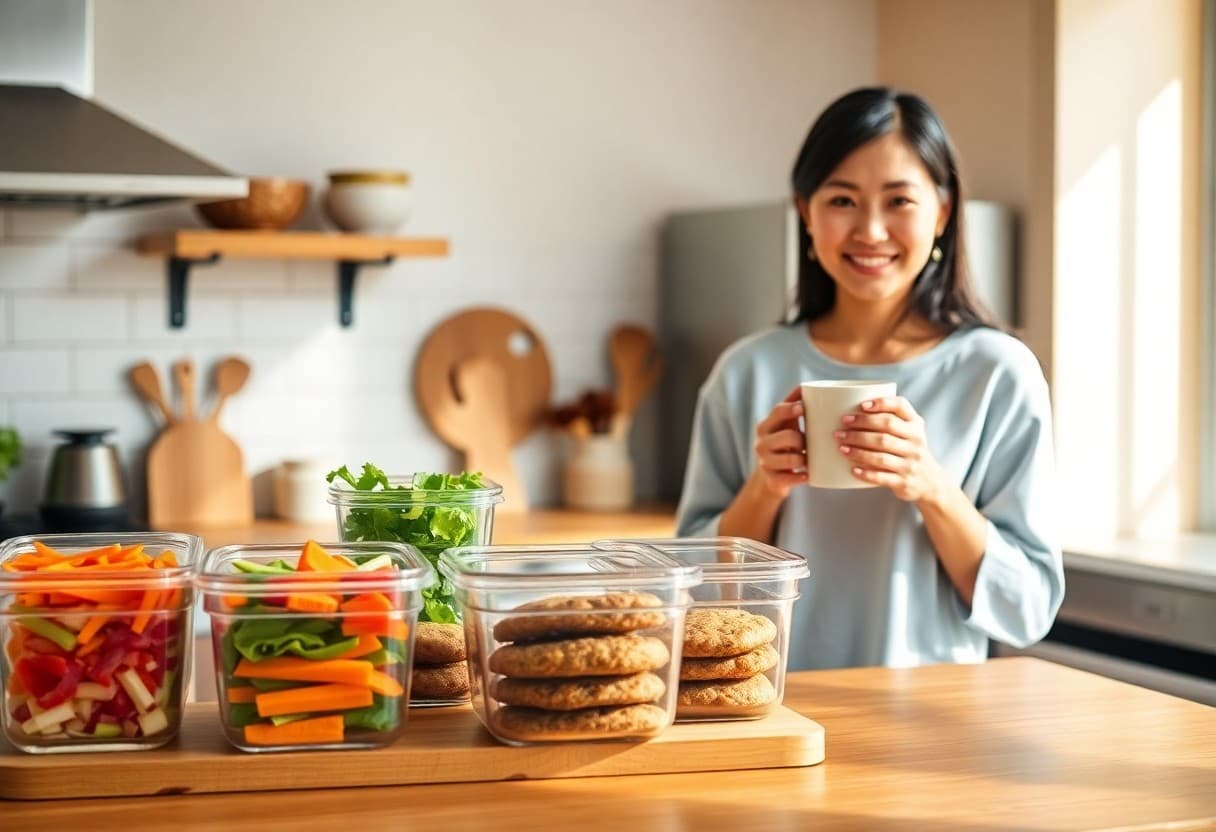
Vegetarian guest hosting recipes you can prep on weekends
Vegetarian guest hosting recipes made easy. Learn how to prep plant-based dishes on weekends, freeze them safely, and master smart ingredient substitutions.
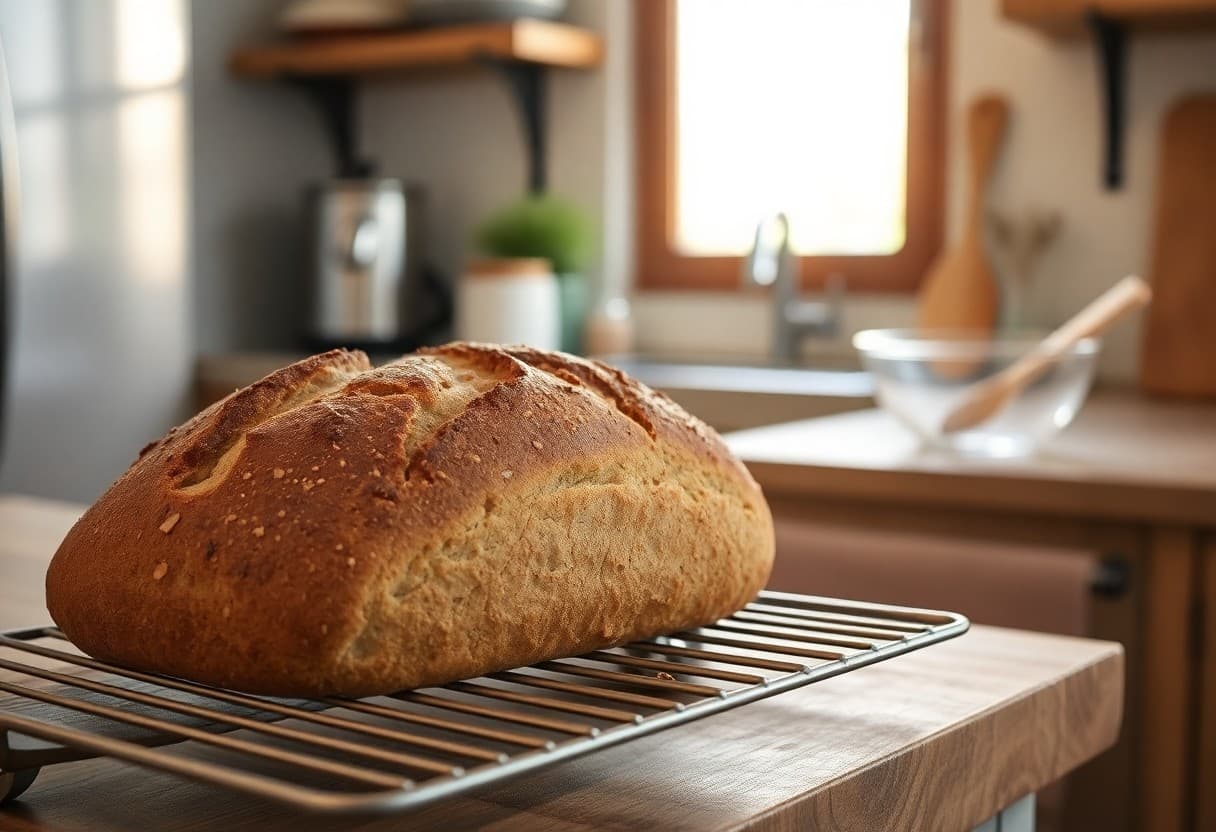
How to Bake Bread in a Small Kitchen with Minimal Cleanup
Learn how to bake homemade bread in a small kitchen with minimal cleanup. This guide covers no-knead methods, diet-friendly tips, and office lunch ideas.