5-Minute Fridge Meals: High-Protein Ingredient Substitutions for Dieters

Key Takeaways
5-minute fridge meals are easier with smart ingredient substitutions. Learn how to swap staples for low-calorie alternatives to stay on track with your diet.
5-Minute Fridge Meals: High-Protein Ingredient Substitutions for Dieters
Most people assume that healthy, diet-friendly cooking requires a meticulously planned grocery list and hours of meal prep every Sunday, but in practice, a nutritious meal is often just 5 minutes away using whatever is already in your fridge. We are conditioned to believe that 'real' cooking involves pre-heating ovens and chopping a dozen different vegetables. This misconception often leads to dieters giving up when they are tired, eventually reaching for high-calorie delivery apps because they think they lack the specific ingredients for a healthy recipe. In reality, the most successful weight loss journeys are built on the ability to improvise with what is available, turning a few random items into a balanced plate in less time than it takes to scroll through a delivery menu.
Please note that the following information is for general educational purposes and does not constitute medical, nutritional, or professional weight loss advice. Always consult with a qualified healthcare provider or a registered dietitian before making significant changes to your diet or exercise routine.
Why do we think quick meals must be unhealthy?
There are several deep-seated myths that prevent us from utilizing our refrigerators effectively. By normalizing these misconceptions, we can begin to see our kitchen staples in a new light.
The Superfood Fallacy
Many dieters believe that a meal isn't truly 'healthy' unless it contains specific, trendy superfoods like kale, quinoa, or fresh avocado. When these items aren't in the fridge, the brain registers the kitchen as 'empty.' However, nutritional science suggests that basic staples like frozen spinach or a simple head of cabbage can be just as nutrient-dense. According to 2022 data from the USDA, frozen vegetables often retain more vitamins than 'fresh' produce that has been sitting on a shelf for a week. Your body cares about the vitamins and fiber, not the price tag or the trendiness of the ingredient.
The Gourmet Requirement
We often fall into the trap of thinking a meal must follow a specific cultural recipe to be valid. I used to think that if I didn't have basil and pine nuts, I couldn't make a healthy Mediterranean dish. This 'all-or-nothing' mentality is a major roadblock. In my experience as a mom trying to feed picky eaters while maintaining my own calorie deficit, I have learned that a 'bowl of things' is a perfectly acceptable dinner. If you have a protein, a bulky vegetable, and a healthy fat, you have a complete meal, regardless of whether it has a name like 'Pasta Primavera.'
The Substitution Fear
There is a common fear that substituting ingredients will result in a meal that tastes terrible. Most people assume that if a recipe calls for heavy cream, using Greek yogurt will ruin it. While the chemical properties are different, the functional result is often surprisingly similar. Substituting is an art form that requires understanding the role of an ingredient—is it providing fat, acid, crunch, or volume? Once you understand this, the fridge becomes a playground rather than a source of stress.
How to master the art of the 5-minute fridge swap
The secret to 5-minute dieting is not a specific recipe, but a framework of substitutions. This allows you to look at a high-calorie craving and rebuild it with what you have on hand. According to a 2023 survey by the International Food Information Council, nearly 45% of consumers prioritize convenience when making food choices. The key is making the healthy choice the most convenient one.
The Base Substitution
Instead of reaching for white rice or pasta, which require 10–12 minutes to boil and are calorie-dense, look for high-volume, low-calorie bases in your crisper drawer.
- Cabbage for Noodles: Thinly sliced cabbage takes 3 minutes to sauté and provides a satisfying crunch. At roughly 25 calories per 100g, it is a fraction of the calories found in wheat pasta.
- Cucumber for Wraps: If you are out of tortillas, large cucumber slices or lettuce leaves can hold tuna salad or deli turkey perfectly.
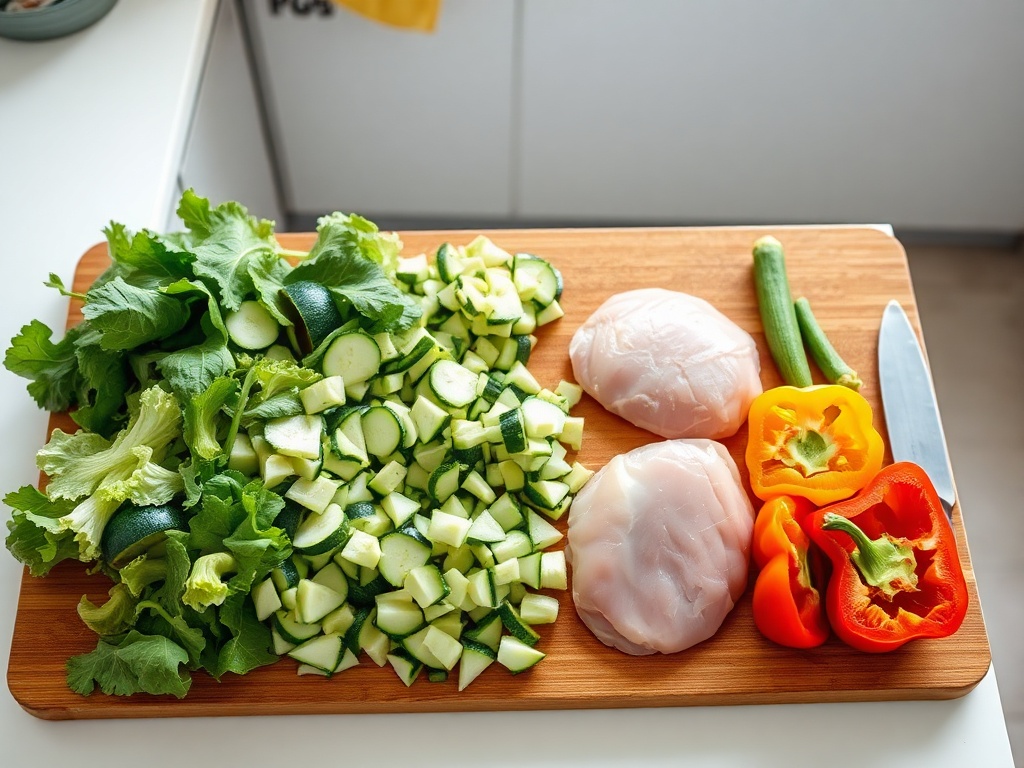
- Zucchini for Volume: Grating a zucchini into whatever you are cooking adds massive volume without changing the flavor profile significantly.
The Protein Pivot
Protein is the most important component for satiety, yet it often takes the longest to cook. To keep things under 5 minutes, you must rely on 'fast proteins.' In my kitchen, I always keep at least 3 of the following: canned tuna, smoked duck, firm tofu, eggs, or pre-cooked chicken breast. If a recipe calls for ground beef, but you only have tofu, crumble the tofu and season it heavily. The texture will be different, but the high-protein goal remains intact.
The Sauce Strategy
Sauces are where most diets go to die. A single tablespoon of mayonnaise or heavy oil can add 100 calories instantly. I have found that replacing these with high-protein or low-calorie alternatives is the most effective way to stay on track. For example, mixing 50g of Greek yogurt with a teaspoon of mustard creates a creamy, tangy dressing that replaces mayo at a 1:4 calorie ratio.
What are the best 5-minute meal frameworks?
When you are staring at a random assortment of ingredients, use one of these three frameworks to assemble your meal. These are the methods I use daily to feed myself while my kids are clamoring for chicken nuggets.
The High-Volume Scramble
This is my go-to when I have 'nothing' in the fridge. All you need are 2 eggs and any vegetable that can be chopped small.
Chop 150–200g of any vegetable (peppers, onions, spinach, or even leftover broccoli).
Sauté them in a non-stick pan with a tiny spray of oil for 3 minutes.
Whisk 2 eggs with a splash of water and pour over the veggies.
Scramble for 60 seconds and season with black pepper. Warning: Avoid using too much cheese in your scramble. While it adds flavor, just 30g of cheddar adds 115 calories, which can quickly turn a light meal into a heavy one.
The 5-Minute 'Kitchen Sink' Bowl
This follows the rule of thirds: 1/3 protein, 2/3 vegetables. If you have leftover rice, use only 50g (about 3 tablespoons) to keep the glycemic load low.
- Protein: Use 100g of canned salmon or sliced deli turkey.
- Vegetables: Use raw greens, shredded carrots, and sliced radishes.
- Dressing: Use 1 tablespoon of apple cider vinegar, a squeeze of lemon, and a dash of nutritional yeast for a cheesy flavor without the fat.
The Rapid Stir-Fry
If you have a bag of frozen mixed vegetables, you are 5 minutes away from a meal. The trick here is high heat.
- Heat a pan to medium-high.
- Add 200g of frozen vegetables directly to the dry pan. Let the moisture evaporate for 2 minutes.
- Add 100g of a fast protein (like shrimp or sliced tofu).
- Finish with 1 tablespoon of soy sauce and a teaspoon of sesame oil. In my experience, the [efficient kitchen organization] of keeping your frozen veggies at eye level makes this choice much more likely when you're tired. It is much easier to grab the frozen peas than to peel a raw carrot when the kids are being loud.
When should you avoid certain substitutions?
While substituting is great, there are a few common mistakes that can ruin a 5-minute meal or stall your progress.
- Warning: Do not substitute a 'fat' for a 'carb' and expect the same satiety. If you remove the oil from a dressing, you must add a little fiber or protein (like flaxseeds or yogurt) to ensure you don't feel hungry 30 minutes later.
- Warning: Be careful with 'low-fat' processed substitutes. Often, when manufacturers remove fat, they add sugar to maintain flavor. Always check the label for hidden sugars in low-fat dressings.
- Specific Example: If you are substituting cauliflower rice for white rice, remember that cauliflower is 90% water. You need to cook it over high heat for only 2 minutes; any longer and it becomes mushy, which is the number one reason people hate cauliflower-based substitutes.
Practical seasoning for the whole family
One of my biggest struggles is seasoning. I want my 5-minute meal to be spicy and bold to keep me satisfied, but my kids will refuse to touch anything with a hint of chili. To solve this, I rely on 'post-cook' seasoning.
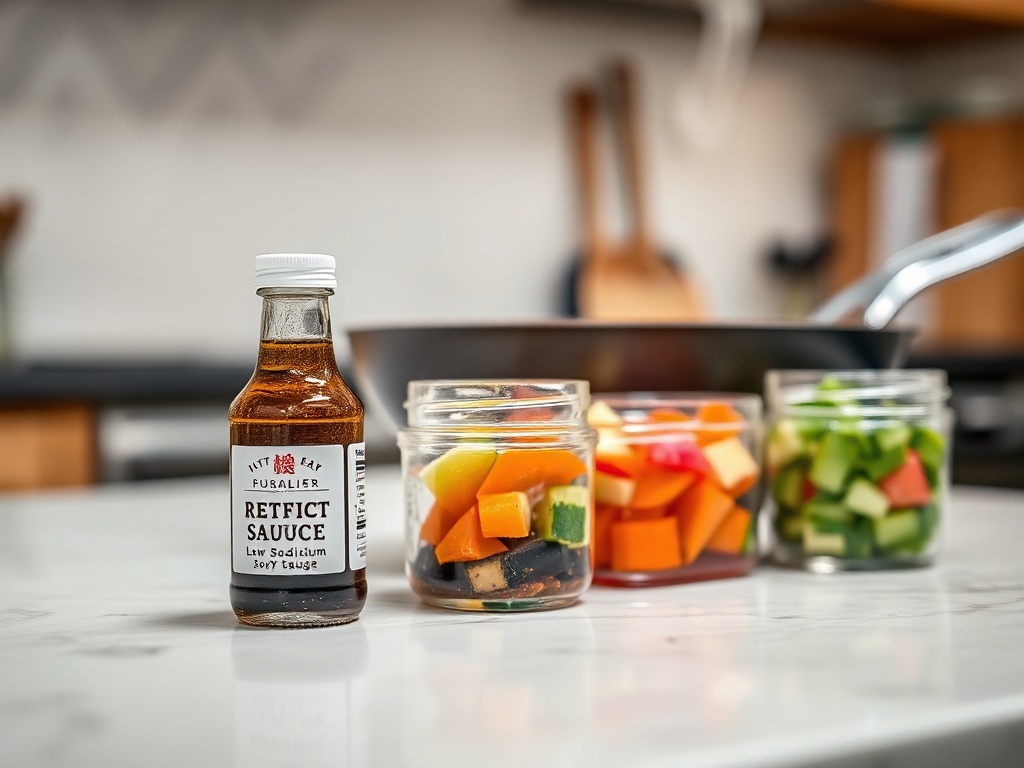
I prepare the base meal (e.g., chicken and cabbage) with just salt and garlic. I plate the kids' portions first. Then, I add my 'adult' flavors to the remaining portion in the pan. Specifically, I keep a jar of 'diet-friendly' flavor boosters: red pepper flakes, smoked paprika, cumin, and various vinegars. These add zero calories but provide the sensory variety needed to prevent diet boredom. You can learn more about creating [low-calorie seasonings] to keep your pantry stocked for these moments.
Summary and Action Plan
Healthy eating does not have to be a choreographed performance. It is a series of small, fast decisions made under pressure. By mastering the 5-minute fridge meal, you remove the 'time' excuse from your health journey.
Key Takeaways
- Base Swaps: Use high-volume vegetables like cabbage or zucchini to replace calorie-dense grains and pastas.
- Fast Proteins: Keep canned or pre-cooked proteins (tuna, eggs, tofu) on hand to ensure you can build a meal in under 300 seconds.
- Flavor without Fat: Utilize vinegars, spices, and Greek yogurt to create satisfying sauces without the caloric density of oils or mayo.
Your Action Task for Today
Open your refrigerator right now and identify three items that could be combined into a 5-minute meal. Do not wait until you are hungry to think about this. Decide on a 'base,' a 'protein,' and a 'sauce' swap today so that when your 5-minute window of hunger hits this evening, you already have a plan to avoid the delivery apps.
Previous
Dak-bokkeum-tang recipe tips for solo cooks: spicy chicken stew
Next
5-Minute Fridge Meals: High-Protein Ingredient Substitutions for Dieters
More in Recipes
Easy 5-Ingredient Pork Suyuk: The Ultimate High-Protein Diet Recipe
Discover a simple 5-ingredient Korean boiled pork (Suyuk) recipe that takes just 50 minutes. Perfect for a high-protein, low-calorie diet that keeps you full.
Tofu Kimchi Recipe: Quick Ways to Use Fridge Leftovers
Learn a simple Tofu Kimchi recipe to clear out your fridge. Discover freezer-friendly meal prep tips, common beginner mistakes, and quick cleanup hacks.
Vegetarian guest hosting recipes you can prep on weekends
Vegetarian guest hosting recipes made easy. Learn how to prep plant-based dishes on weekends, freeze them safely, and master smart ingredient substitutions.
How to Bake Bread in a Small Kitchen with Minimal Cleanup
Learn how to bake homemade bread in a small kitchen with minimal cleanup. This guide covers no-knead methods, diet-friendly tips, and office lunch ideas.