10-Minute Lunch Box Ideas for Solo Dwellers
Key Takeaways
10-minute lunch box strategies for solo dwellers. Save money and eat seasonally with these simple, fast meal prep tips designed for a busy lifestyle.
10-Minute Lunch Box Ideas for Solo Dwellers
If you've ever stared at your refrigerator at 7:30 AM, realizing that buying lunch out for the fourth time this week will cost you another 15 dollars, you know the specific stress of the morning rush. Most of us want to eat better and save money, but the idea of spending an hour every evening meticulously prepping containers is exhausting. After eight years of living alone, I have learned that the only way to make a lunch habit stick is to ensure it takes no more than 10 minutes from start to finish. This is general information intended for lifestyle improvement; please consult a nutritionist if you have specific dietary or medical requirements.
Why is a 10-minute lunch box better than takeout?
Choosing to pack your own lunch provides immediate benefits for both your bank account and your energy levels. In my experience, preparing a meal at home costs roughly 3 to 5 dollars per serving, compared to the 15 to 20 dollars often spent at city delis or through delivery apps. Over a standard 20-day work month, this simple shift can save you approximately 240 dollars. Beyond the financial aspect, a survey by a consumer group in 2023 noted that 65 percent of office workers feel more sluggish after a heavy restaurant lunch compared to those who eat a home-packed meal. When you control the ingredients, you avoid the hidden sugars and excessive sodium that lead to the dreaded 3 PM energy crash.
Entry-Level: The Assembly Method
This level is designed for complete newcomers who may not feel comfortable using the stove in the morning or who simply want the fastest possible path to a packed bag. At this stage, we focus on assembly rather than cooking. You are essentially putting together high-quality components that require zero heat.
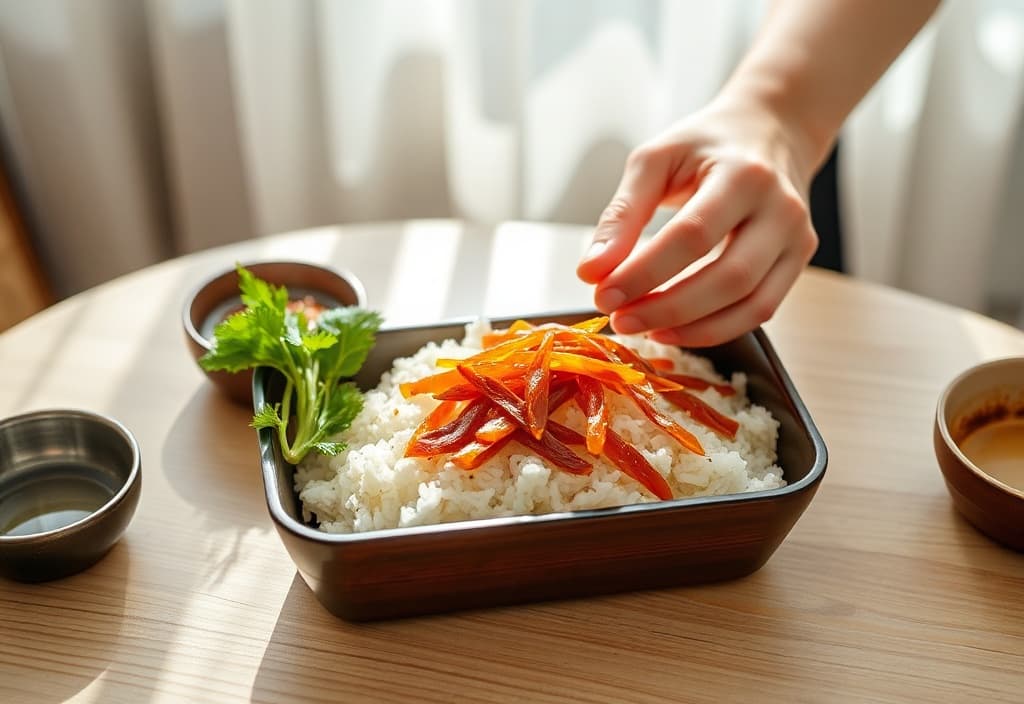
One of the most reliable 10-minute lunches is the modern adult lunch tray. This involves taking a 700ml container and dividing it into sections. For example, fill one half with 100g of lean deli turkey or smoked tofu, and the other half with a handful of whole-grain crackers and 30g of hard cheese like cheddar or gouda. Add a side of pre-washed baby carrots or sliced bell peppers.
Another entry-level option is the hearty wrap. Using a large flour or corn tortilla, spread 15ml of hummus or Greek yogurt as a base. Layer on 50g of pre-washed spinach and a handful of rotisserie chicken strips. Roll it tightly and wrap it in foil. In practice, this takes exactly 4 minutes to assemble. The key to success here is buying ingredients that are already processed for you, such as pre-washed greens and pre-cut vegetables. While these may cost 1 or 2 dollars more than the whole versions, they are the secret to keeping your prep time under the 10-minute mark.
Intermediate: The Five-Minute Sauté
This level is for those who have a basic comfort level with a frying pan and are willing to do a very small amount of active cooking to improve the flavor of their lunch. Once you have mastered the assembly method, you can start incorporating warm elements that still fit within a tight schedule.
How do you balance heat and speed? Use a 24cm non-stick skillet to ensure quick heat distribution. A favorite intermediate recipe is the 10-minute stir-fry bowl. Start with a base of 200g of pre-cooked microwaveable rice, which takes 90 seconds to heat. While the rice is in the microwave, sauté 150g of frozen stir-fry vegetables with 10ml of soy sauce and a teaspoon of sesame oil. If you have leftover protein from dinner, toss it in for the last 60 seconds.
Specifically, using frozen vegetables is a major time-saver because they are already chopped and blanched. In my experience, frozen peas, corn, and edamame are perfect for this because they thaw and cook almost instantly. Another intermediate strategy is the quick pasta salad. While 100g of small pasta shapes like fusilli take 8 minutes to boil, you can spend those 8 minutes chopping a tomato and a cucumber. Drain the pasta, rinse it under cold water to stop the cooking, and toss it with 15ml of bottled vinaigrette. By the time the timer hits 10 minutes, your lunch is in the container.
How do you incorporate seasonal ingredients into a quick lunch?
Seasonal eating is often portrayed as a complex culinary endeavor, but for the solo dweller, it simply means buying what is cheapest and freshest at the market right now.
Spring and Summer Options
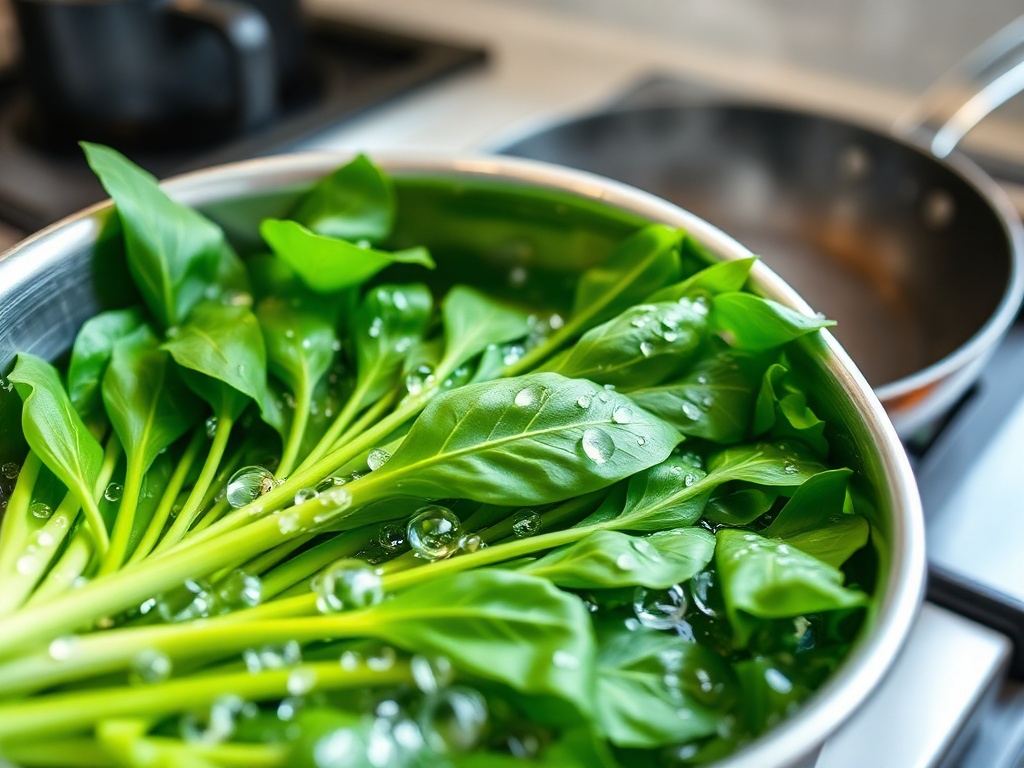
During the months of March to May, focus on tender greens and asparagus. A 10-minute spring lunch might include a salad of 100g of arugula topped with 3 to 4 blanched asparagus spears and a hard-boiled egg that you prepared earlier in the week. As we move into the summer months from June to August, the focus should shift to hydration. Use cucumbers and tomatoes heavily. For example, a Mediterranean-style box with 150g of chopped cucumbers, 50g of feta cheese, and 10 olives is refreshing and takes 6 minutes to chop.
Autumn and Winter Options
From September to November, utilize the abundance of apples and pears. A simple sandwich made with 2 slices of whole-grain bread, 30g of brie cheese, and half a thinly sliced apple provides a sophisticated seasonal flavor profile in under 5 minutes. In the winter months from December to February, focus on hearty grains. While cooking grains from scratch takes time, using pre-cooked pouches of quinoa or farro allows you to create a warm base for roasted sweet potatoes (which can be batch-roasted once a week) in under 10 minutes.
Advanced: The Optimized Solo System
This level is for the experienced solo dweller who wants to maximize variety while minimizing daily effort through a structured system. Advanced lunch packing isn't about working harder in the morning; it's about working smarter with your inventory.
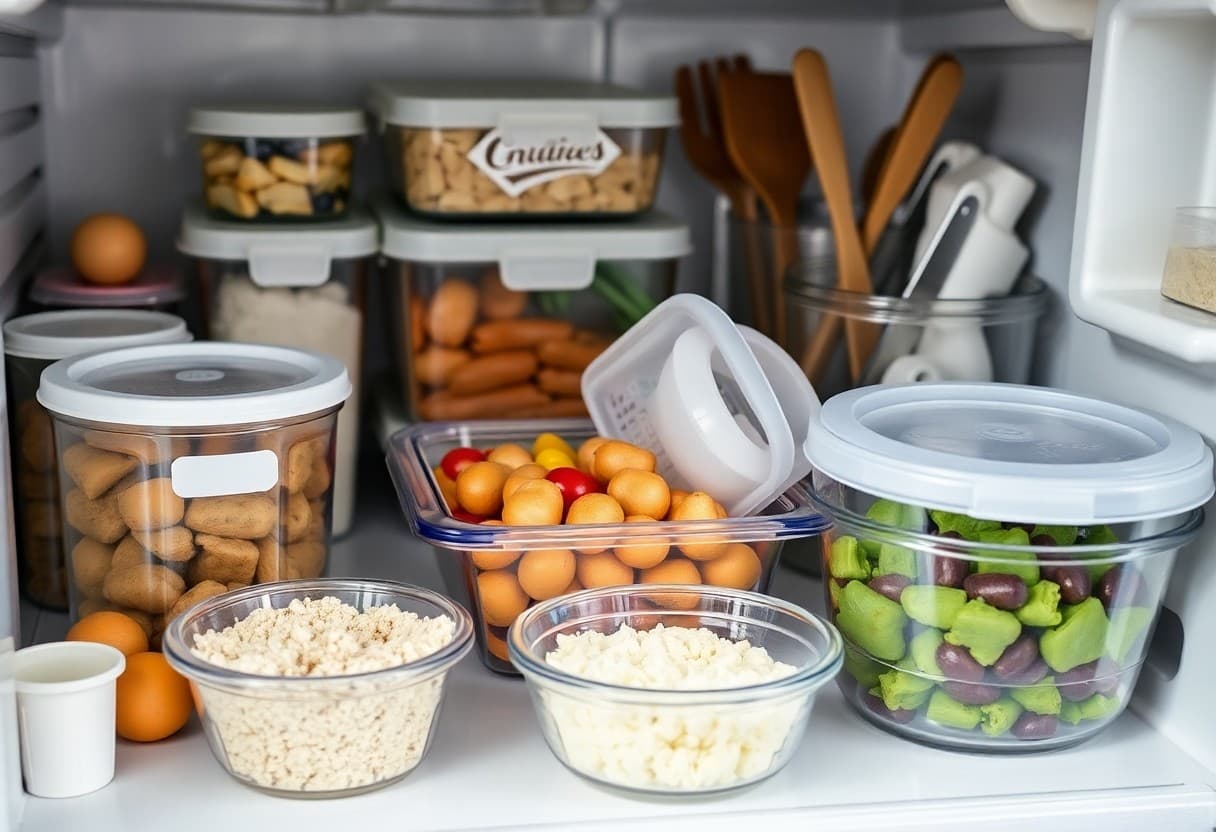
To reach this level, you must embrace the concept of component prep. This is different from full meal prep where you make five identical meals. Instead, you spend 20 minutes on a Sunday evening preparing three 'versatile bases.' For example, boil 4 eggs, wash a large container of mixed greens, and roast 300g of a seasonal vegetable like broccoli or cauliflower.
With these components ready, your 10-minute morning task becomes a matter of choosing a flavor profile.
- Monday: Greens + 1 egg + 100g roasted broccoli + lemon dressing.
- Tuesday: 1 egg + 50g tuna + 100g roasted broccoli in a wrap.
- Wednesday: Greens + 100g chickpeas + 1 egg + 15ml hummus. This system ensures that you never get bored, which is the main reason people abandon their lunch box habits. By rotating your sauces and proteins while keeping the 'base' the same, you can maintain a high-quality diet with minimal decision fatigue. In practice, I find that having at least 3 different bottled dressings in the fridge prevents the 'same-food' burnout that often occurs by Wednesday.
Common Mistakes and Warnings
Even with the best intentions, certain mistakes can ruin your lunch experience and lead you back to the expensive cafeteria.
- Warning: Never pack hot rice or pasta in a sealed plastic container immediately. The steam will condense, making the food soggy and potentially creating a vacuum seal that makes the lid impossible to open later. Let it sit for at least 3 minutes before closing the lid.
- Common mistake: Using watery vegetables like sliced tomatoes or cucumbers directly against bread. This will result in a soggy sandwich by 12 PM. Always place these ingredients in the center of the sandwich, protected by meat or cheese, or pack them in a separate small container.
- Warning: Be cautious with strong-smelling ingredients like canned sardines or heavy garlic if you work in an open-plan office. While nutritious, these can be disruptive to colleagues. Stick to milder proteins like chicken, turkey, or chickpeas for communal eating environments.
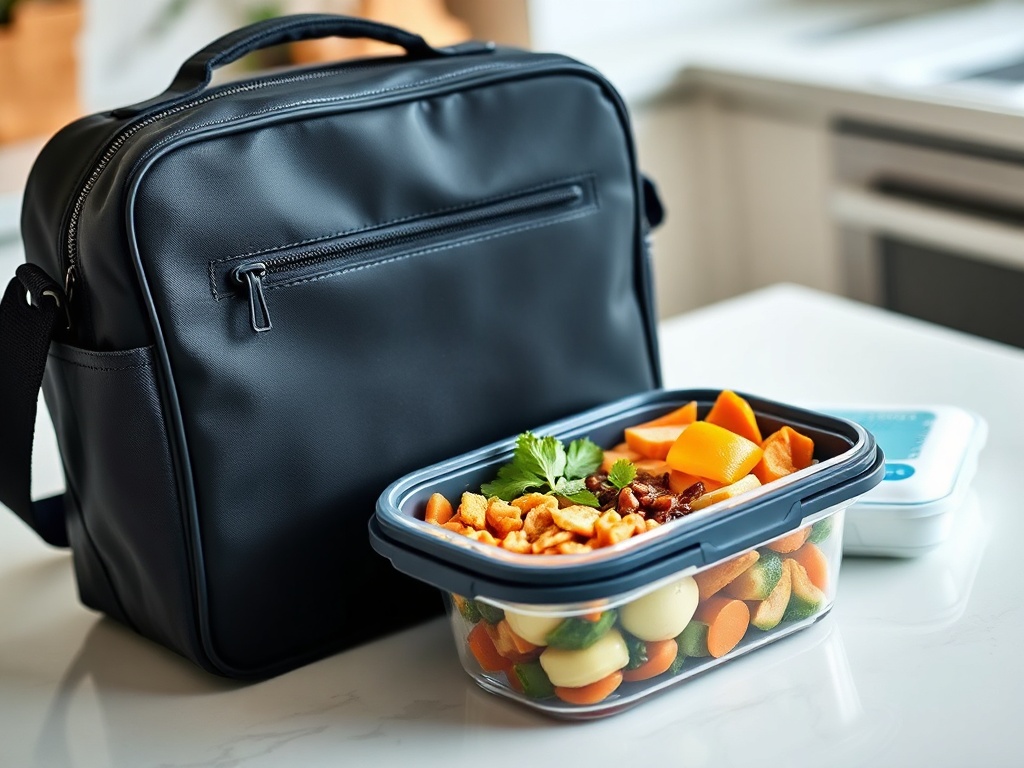
- Note on food safety: If your commute is longer than 30 minutes and your lunch contains meat or dairy, you must use an insulated bag. A 2022 food safety study indicated that temperatures inside a standard backpack can rise quickly, reaching the danger zone for bacterial growth within an hour in summer conditions.
FAQ
How can I make my lunch more filling without adding too much prep time?
The most efficient way to increase satiety is to add 20g to 30g of healthy fats or fiber. In practice, this means adding half an avocado (which takes 30 seconds to slice) or a 30g serving of walnuts or almonds. Fiber-rich additions like canned black beans (rinsed) or hemp seeds can be sprinkled on any salad or bowl in seconds and will significantly extend how long you feel full after eating.
What if I forget to prep and only have 5 minutes?
In emergency situations, the 'grocery store grab' is your best friend. Keep a mental list of three items you can grab from a local market: a bag of pre-washed salad, a small tin of tuna or a pack of pre-cooked chicken, and a piece of fruit. You can assemble these at your desk in under 3 minutes. It is still cheaper and often healthier than a fast-food meal.
Can I make 10-minute lunches that are environmentally friendly?
Yes, being a solo dweller allows you to be very efficient with waste. Avoid single-use plastic baggies and invest in a set of reusable silicone bags or small stainless steel tins for snacks. Using a reusable beeswax wrap for sandwiches instead of plastic wrap is a 10-second swap that significantly reduces your daily waste. Additionally, buying large tubs of yogurt or hummus and portioning them into your own small containers is 40 percent cheaper than buying individual plastic cups.
Conclusion
Successfully maintaining a lunch box habit as a solo dweller does not require culinary expertise or hours of kitchen labor. By focusing on the 10-minute philosophy, you can save significant amounts of money while improving your daily energy levels. Remember these three key points:
- Start with assembly-based meals to build the habit without the stress of cooking.
- Use frozen and pre-washed ingredients to cut down on chopping and prep time.
- Incorporate seasonal produce to keep your meals interesting and cost-effective throughout the year. To start today, go to your kitchen and identify one container you can use tomorrow. Pack a simple 'adult lunch tray' with whatever protein, cheese, and vegetable you currently have in your fridge. Taking that first small step is the most important part of changing your routine.
Previous
Diet Tteokguk: How to Reduce Calories in Rice Cake Soup
Next
10-Minute Lunch Box Ideas for Solo Dwellers
More in Recipes
Easy 5-Ingredient Pork Suyuk: The Ultimate High-Protein Diet Recipe
Discover a simple 5-ingredient Korean boiled pork (Suyuk) recipe that takes just 50 minutes. Perfect for a high-protein, low-calorie diet that keeps you full.
Tofu Kimchi Recipe: Quick Ways to Use Fridge Leftovers
Learn a simple Tofu Kimchi recipe to clear out your fridge. Discover freezer-friendly meal prep tips, common beginner mistakes, and quick cleanup hacks.
Vegetarian guest hosting recipes you can prep on weekends
Vegetarian guest hosting recipes made easy. Learn how to prep plant-based dishes on weekends, freeze them safely, and master smart ingredient substitutions.
How to Bake Bread in a Small Kitchen with Minimal Cleanup
Learn how to bake homemade bread in a small kitchen with minimal cleanup. This guide covers no-knead methods, diet-friendly tips, and office lunch ideas.