1N2D Couple's Travel: The Ultimate Food Allergy Survival Guide
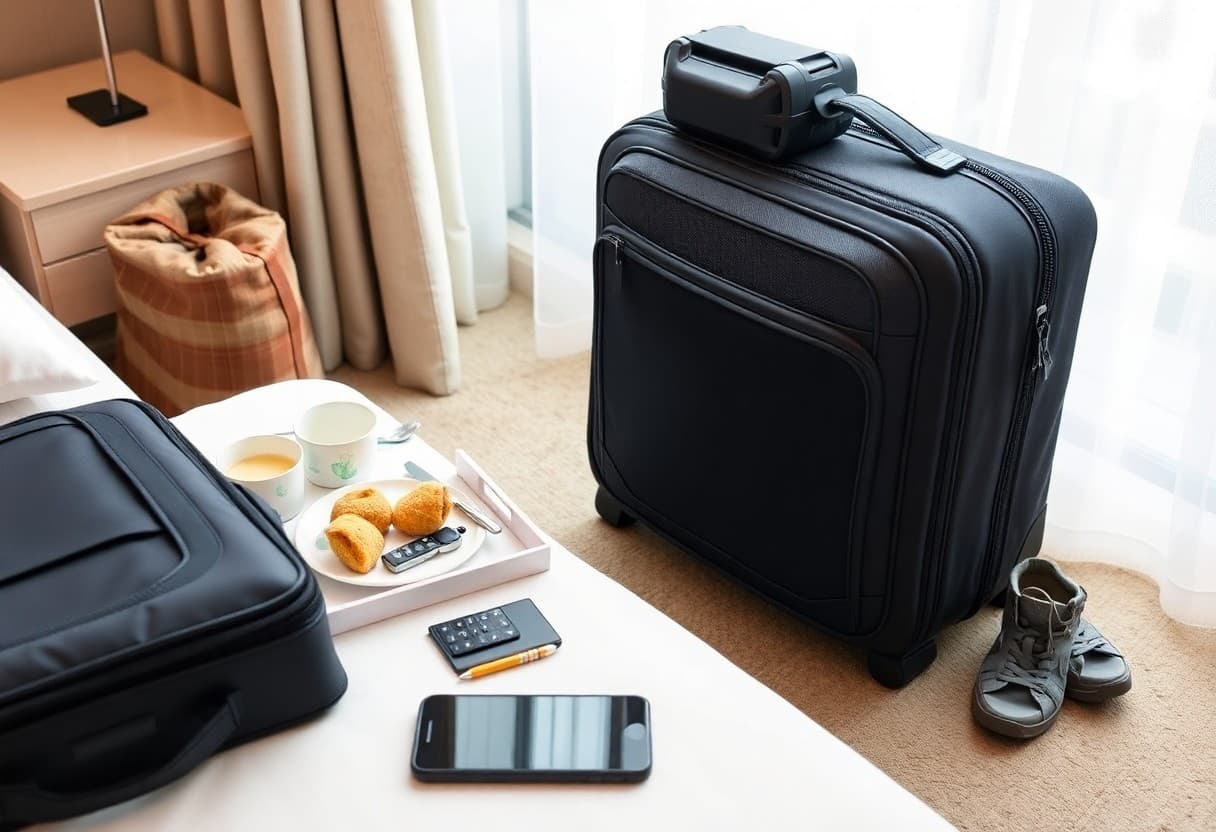
Key Takeaways
Plan a safe 1-night, 2-day couple's trip abroad. Learn how to manage food allergies using public transit, prepare emergency cards, and build a backup plan.
Planning an overseas trip is exciting, but for couples traveling with food allergies, it can also bring a lot of anxiety. When you only have a short 1-night, 2-day schedule, every hour counts. Between navigating public transportation and quickly finding restaurants, there is little room for error. However, with a systematic approach, you can minimize allergy risks and fully enjoy your romantic getaway. Here is a practical, step-by-step guide designed for couples using public transit to manage food allergies safely abroad.
Pre-Trip Prep: Organizing Allergy Records and Medical Documents
Before you pack your bags, the first step is to create a clear, accessible record of your allergy profile. Write a one-page A4 summary detailing your specific food allergies, typical symptoms, and emergency treatment protocols. Translate this document into English and the local language of your destination (such as Japanese, Spanish, or French).
Additionally, design an "Allergy Emergency Card" based on World Health Organization (WHO) guidelines. This pocket-sized card must display your name, emergency contact details, specific allergens, and step-by-step instructions on how to administer an epinephrine auto-injector (EpiPen). Print this card, place it in a waterproof plastic sleeve, and keep it in your primary bag at all times.
For digital backup, save a PDF version of your medical documents, including a standardized "Allergy Symptoms and Treatment" guide, on your smartphone. Having this ready allows you to instantly share vital information with local medical personnel if an emergency arises.
Dining and Navigating Public Transit Safely at Your Destination
Using subways, buses, and trains is a highly efficient and cost-effective way to travel, but it requires extra vigilance regarding food safety. When utilizing public transit, look out for "allergy-friendly restaurant" indicators on transit maps and station information boards. You can also search online transit communities and local forums for real-time recommendations.
When choosing a place to eat, always verify if the restaurant has a clear ingredient labeling system. If the menu does not explicitly list allergens, you must ask the staff directly. Use simple, direct questions such as, "Does this dish contain nuts, shellfish, or dairy?"
This is where your pre-prepared allergy card and translation apps become invaluable. For example, if you are traveling in Spain, you can show your card and ask, "¿Contiene frutos secos?" (Does this contain nuts?). Never guess or make assumptions; always get direct confirmation from the kitchen staff.
The 2-Day Emergency Checklist: Essential Kits and Hospital Mapping
On a short 1-night, 2-day trip, a well-stocked emergency kit is your ultimate safety net. Because you are on a tight schedule, keep your emergency items in a single, easily accessible pouch. Make sure to pack:
- Two Epinephrine auto-injectors (including one backup)
- Two doses of antihistamines (spaced according to dosage guidelines)
- One pack of acetaminophen (for headaches or sudden fever)
- Health insurance cards and a printed emergency contact list
- A smartphone with your digital allergy card and offline translation apps installed Label this pouch clearly with an "EMERGENCY" tag on the outside so your partner or a bystander can locate it instantly. Once you arrive at your lodging, ask the front desk for the local emergency number and the location of the nearest hospital. Save these coordinates in your digital maps immediately so you can navigate there without panic if symptoms occur.
Public Transport Survival: Smart Snack Kits and Alert Stickers
Relying solely on public transport means your dining window is often dictated by train and bus schedules, which can leave you stranded in areas with limited safe food options. To prevent hunger-driven risks, pack a "Safe Snack Kit" before you set out.
Use a small thermal bag to carry allergen-free, ready-to-eat foods (such as sugar-free dried fruits, low-sodium nut alternatives, or safely packaged items like sealed kimchi) and a bottle of fresh water. This ensures you can stay energized without being forced to make hasty, risky food choices.
Additionally, prepare "Emergency Alert Stickers" for your transit journeys. These stickers should briefly state your name, allergen types, and quick EpiPen instructions. Placing one of these stickers on the back of the seat in front of you can alert nearby passengers or transit operators to your condition, ensuring swift assistance if you experience an allergic reaction while on board.
Seasonal Allergy Factors and the Three-Step Decision Framework
Allergy triggers shift with the seasons, so adjust your preparations based on when you travel:
- Spring: Monitor local pollen counts, and carry high-quality masks and protective eyewear.
- Summer: Prolonged sun exposure can exacerbate skin allergies; apply high-SPF sunscreen regularly.
- Autumn: Dry air can irritate skin and airways. Apply moisturizer frequently and minimize the consumption of processed or preserved foods.
- Winter: Indoor heating dries out the air. Carry a portable humidifier or drink water frequently to stay hydrated. To make fast, stress-free decisions while traveling, use a "Three-Step Safety Framework" to evaluate your options:
Facts Confirmed Immediately: This includes things you have 100% control over, like your packed medications and printed translations.
On-Site Verification: These are conditions you must check upon arrival, such as asking waitstaff about cross-contamination or verifying if a nearby hospital is open.
Suspended Judgments: Never assume a food is safe just because it looks familiar. Treat all unverified options as potential risks until proven otherwise. By categorizing your choices this way, you can easily pivot to backup plans without feeling overwhelmed by sudden schedule changes.
Conclusion and Final Checklist
Before you head out, do one final run-through of your checklist:
Allergy records, cards, and translations printed and packed.
At least two doses of Epinephrine, antihistamines, and acetaminophen on hand.
Safe snack kit and emergency alert stickers prepared.
Public transit routes, restaurant information, and allergy-friendly dining options mapped.
Hotel location, emergency contacts, and nearest hospital coordinates saved. With these steps checked off, you and your partner can embark on your short getaway with peace of mind. Preparation turns potential anxiety into a safe, memorable adventure. If you are still finalizing your travel arrangements, make sure to also check out our guide on Visa and Document Prep Guide for Overseas Travel to ensure your entry documents are fully in order. --- Information current as of June 20, 2026.
Previous
Hanok Stays: Easy Transit Solo Travel Guide
Next
1N2D Couple's Travel: The Ultimate Food Allergy Survival Guide
More in Travel

Slow Travel with Pets: A 4N5D Low-Walking Guide to Gangneung and Yangyang
Plan a relaxed 4-night, 5-day pet-friendly trip to Gangneung and Yangyang. Discover low-walking itineraries, budget tips, and safety checklists.

Hanok Stays: Easy Transit Solo Travel Guide
Discover charming Korean Hanok stays accessible by public transit. Prioritize pace and ease on your solo or friends' weekend trip, avoiding car dependency.
Sick child during overseas travel: Managing care and costs
Learn how to manage a sick child during overseas travel when peak season bookings are full. Discover emergency alternatives, cost-saving tips, and next steps.

How to Apply for an International Travel Visa for Your Family
Learn how to apply for an international travel visa for your family. This guide covers documentation for minors, processing times, and common pitfalls to avoid.