Sick child during overseas travel: Managing care and costs
Key Takeaways
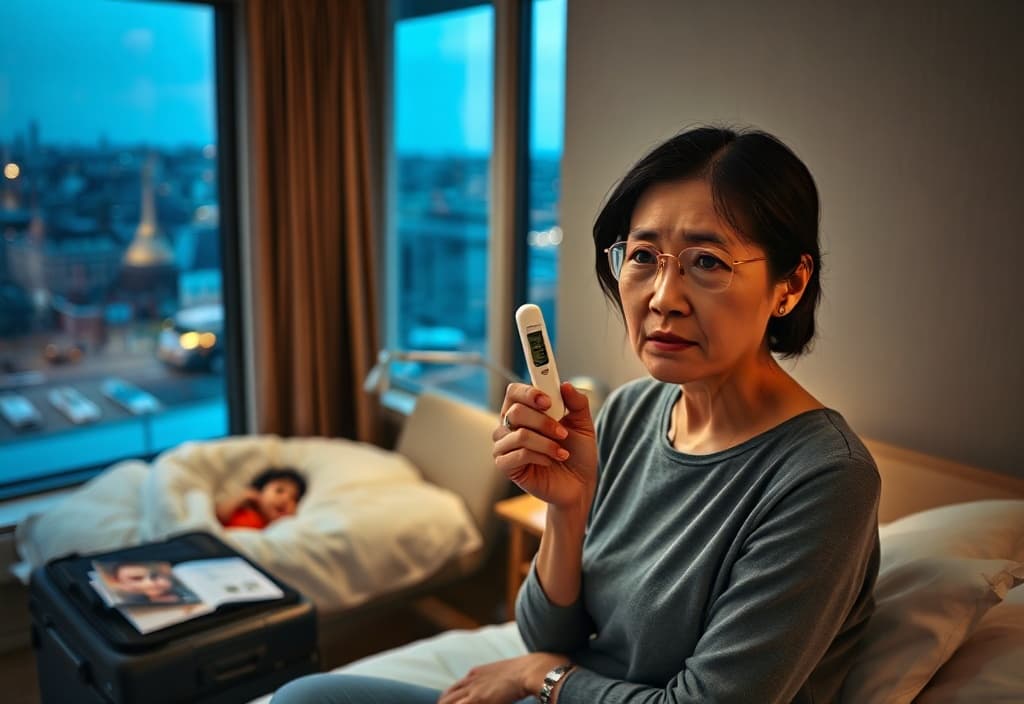
Learn how to manage a sick child during overseas travel when peak season bookings are full. Discover emergency alternatives, cost-saving tips, and next steps.
Sick child during overseas travel: Managing care and costs
The short answer is that managing a sick child during peak travel seasons requires a pivot from traditional hospital-first thinking to a tiered approach involving local tele-health, neighborhood pharmacies, and pre-verified walk-in clinics. Here's why. During peak holiday periods, international clinics in popular destinations often reach 100% capacity for scheduled appointments, leaving travelers with the choice of 8-hour waits in emergency rooms or managing symptoms independently. By understanding the local healthcare infrastructure and identifying where financial leaks occur, parents can provide effective care without draining their travel budget or wasting precious days in a waiting room.
This article is for general information only. It does not constitute medical diagnosis, treatment, or professional veterinary or legal advice. If your child is experiencing a medical emergency, please contact local emergency services or a qualified healthcare professional immediately.
The evolution of medical care during overseas travel
In the past, the standard approach for a sick child abroad was to rely heavily on the hotel concierge or a physical travel guidebook. Travelers would often wait until a symptom became severe before seeking help, often resulting in expensive 'house calls' from doctors who charged premium rates for visiting tourist hotels. These services, while convenient, often lacked the specialized pediatric equipment found in clinics and frequently led to over-prescription of antibiotics to ensure a 'quick fix' for the remainder of the trip.
Today, the landscape has shifted toward digital integration and local transparency. Most experienced travelers now use tele-health apps to consult with doctors in their home country first to determine the severity of the situation. Digital health records and real-time translation tools have made it easier to communicate symptoms to local pharmacists. The focus has moved from 'finding a doctor' to 'triaging the necessity of a clinic visit.' This shift is driven by the rising costs of private international clinics and the realization that many common travel ailments can be managed with high-quality, over-the-counter local equivalents if caught early.
Looking forward, we are seeing a move toward integrated travel insurance apps that provide real-time wait times for local clinics and direct billing, eliminating the need for travelers to pay thousands of dollars upfront. As AI-driven diagnostic tools become more common, the first step for many will be a digital screening that suggests whether to proceed to a hospital, pause and monitor at the hotel, or verify symptoms with a local pharmacist.
What to do when pediatric bookings are full?
During peak seasons, such as the 7–8월 summer break or the 12월 winter holidays, finding an available slot at an English-speaking pediatric clinic can feel impossible. When you call a clinic and are told they are fully booked for the next 3–5 days, you need an alternative strategy.
First, consider the 'University Hospital' route. While private international clinics may be full, large teaching hospitals in major cities often have 24-hour pediatric emergency departments. In my experience, while the wait times can be 4–6 hours, the quality of care is often superior and the costs are significantly lower than private boutique clinics.
Second, leverage the power of local pharmacies. In many European and Asian countries, pharmacists have a wider scope of practice than in North America. They can often recommend effective treatments for 1–2 days of symptoms like mild fever (100–102 degrees Fahrenheit) or digestive upset.
Third, check for 'Urgent Care' or 'Walk-in' clinics rather than 'Pediatricians.' General practitioners can often handle common issues like ear infections or skin rashes for children over the age of 2. Specifically, look for clinics located in residential neighborhoods rather than tourist hubs, as these are less likely to be overwhelmed by the seasonal influx of travelers.
- Check the [comprehensive travel insurance guide] for a list of preferred providers.
- Contact your embassy or consulate; they often maintain a list of local doctors who speak your language.
- Use a translation app to write down the child's symptoms, age, weight in kilograms, and any known allergies before arrival.
- Prepare a 'medical history card' in the local language to hand to the triage nurse.

How to avoid hidden medical costs abroad?
Financial leaks during a medical crisis abroad usually occur in three areas: overpriced hotel-affiliated services, non-itemized hospital billing, and unnecessary emergency transportation. A 'hotel doctor' visit can easily cost $300–$500, whereas a visit to a local clinic might be $50–$100.
Another significant leak is the 'convenience markup' at pharmacies located inside airports or major malls. For example, a basic bottle of children's ibuprofen might cost $15 in a tourist zone but only $4 at a neighborhood pharmacy 15 minutes away. To avoid these leaks, always ask for an itemized receipt (a 'superbill') that includes the ICD-10 codes (international disease codes). Without these codes, your insurance provider back home may reject the claim, leading to a 100% loss of the funds spent.
In practice, you should also be wary of 'package deals' offered by some private international hospitals. They may suggest a full battery of blood tests and IV fluids for a simple case of dehydration. While sometimes necessary, these can inflate a bill by $1,000 or more. Always ask for the price of each procedure before it is performed, unless it is a life-threatening emergency.
Critical caveats: When the advice may fail
It is important to recognize that a DIY approach to travel medicine has limits. The 'pharmacy-first' or 'wait-and-see' method is not applicable if the child is under 6 months old, has a pre-existing chronic condition, or is showing signs of severe dehydration (no wet diapers for 8–12 hours).
In some regions, the local 'equivalent' medication may have different concentrations. For instance, infant paracetamol drops in one country might be twice as strong as the brand you use at home. Failing to check the 'mg/ml' concentration is a common and dangerous mistake. Furthermore, in remote areas or developing regions, the 'University Hospital' might not meet the standards you expect. In these cases, the cost of a private medical evacuation (which can exceed $50,000) makes high-quality travel insurance an absolute necessity rather than an option.
Decision Criteria for Parents
To decide whether to seek professional help or manage symptoms at the hotel, consider these two criteria:
The 'Hydration and Alertness' Rule: If the child is drinking fluids and remains alert/playful during fever-free periods, you can likely wait 24 hours. If they are lethargic and refusing all fluids, you must proceed to a clinic regardless of the booking status.
The 'Local Resource' Assessment: Do you have access to a 24-hour pharmacy within a 20-minute radius? If not, the risk of waiting overnight increases, and you should seek a clinic visit during daylight hours while transportation is easier to arrange.
Recommended eateries for a recovering child
When a child is unwell, finding gentle food is essential. Here are three types of locations that are generally safe and reliable in most major international hubs.
Rice Porridge and Broth Stations
In many Asian cities, such as Seoul or Tokyo, look for specialized porridge shops like Bonjuk. They offer plain or vegetable-based rice porridges that are easy on the stomach.
- What to order: Plain rice porridge (Juk) or vegetable porridge.
- Price band: $8–$13 per serving.
- Sightseeing flow: These are often located near major subway stations, making them easy to access on the way back to your accommodation.
International Bakeries and Soup Cafes
Establishments like Le Pain Quotidien (found in many European and North American cities) offer consistent, simple vegetable soups and high-quality bread.
- What to order: Lentil or tomato soup with a side of plain baguette.
- Price band: $15–$25 for a light meal.
- Vibe: Quiet, clean, and reliable for children who are sensitive to strong smells while sick.
Clean-Eating and Plant-Based Cafes
In Southeast Asian hubs like Bangkok, shops like Broccoli Revolution provide clean, filtered-water-washed produce and simple grains.
- What to order: Plain quinoa or steamed seasonal vegetables.
- Price band: $10–$20.
- Timing: Best for a midday meal when the child needs nutrients but cannot handle heavy, oily local street food.
Essential steps for medical preparedness
Before you leave for your next trip, ensure you have these items and plans in place to avoid the stress of peak-season medical failures.
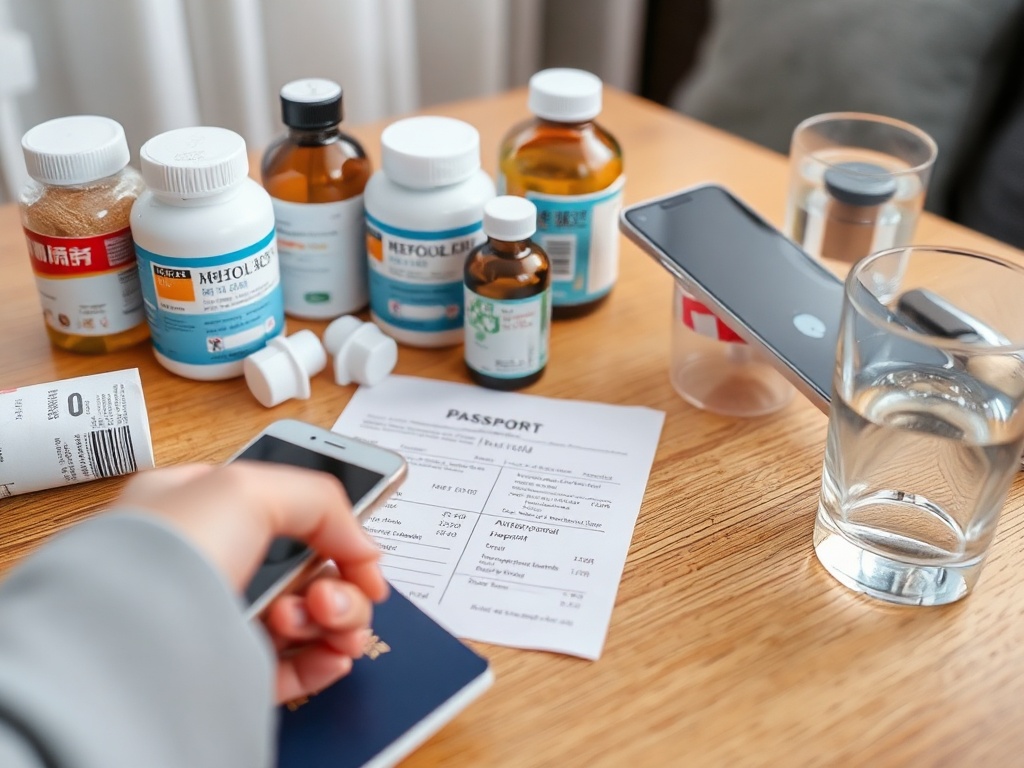
Pack a 72-hour kit: Include a digital thermometer, children's fever reducers, oral rehydration salts, and a small bottle of antiseptic. This buys you time to find a clinic without panicking.
Download offline maps: Mark the locations of at least two 24-hour pharmacies and the nearest university hospital to your hotel.
Photograph all documents: Keep a digital copy of your child's immunization record and your insurance policy on your phone's home screen.
Verify the 'International Clinic' locations: Do not just search for 'doctor.' Search for 'Pediatrician' to ensure the facility has the right-sized equipment for children.
Check the local emergency number: It is not 911 in every country. For example, it is 112 in much of Europe and 999 in others.
Learn the generic names: Write down 'Acetaminophen' and 'Ibuprofen' as many countries use different brand names.
Identify a 'safe food' source: Know where the nearest grocery store is to buy plain crackers, bananas, and bottled water.
Set a 'Return Home' threshold: Decide in advance at what point you will cancel the remainder of the trip and fly home. Having this number in mind reduces emotional stress during the crisis.
- Visit the [emergency medical kit list] to see exactly what to pack.
- Consult with your pediatrician 2 weeks before departure regarding travel-specific health risks.
Conclusion
Managing a sick child during overseas travel is a test of preparation and patience. The key is to avoid the high-stress, high-cost traps of tourist-centric medical services. By shifting your perspective from finding a 'quick fix' to utilizing local infrastructure like university hospitals and neighborhood pharmacies, you can manage most common illnesses effectively.
Three key takeaways from this guide:
- Peak season requires a tiered approach: Tele-health -> Pharmacy -> Local Clinic -> University Hospital.
- Financial leaks are prevented by avoiding hotel doctors and asking for itemized bills with ICD-10 codes.
- Preparation is the best medicine: always have a 72-hour medical kit and pre-mapped emergency locations. One specific action to take today: Log into your travel insurance portal and save the 'Emergency Assistance' phone number and your policy number into your phone's contact list under the name 'AAA Emergency Insurance' so it appears at the top of your list.
Previous
How to Apply for an International Travel Visa for Your Family
Next
Sick child during overseas travel: Managing care and costs
More in Travel

Slow Travel with Pets: A 4N5D Low-Walking Guide to Gangneung and Yangyang
Plan a relaxed 4-night, 5-day pet-friendly trip to Gangneung and Yangyang. Discover low-walking itineraries, budget tips, and safety checklists.
1N2D Couple's Travel: The Ultimate Food Allergy Survival Guide
Plan a safe 1-night, 2-day couple's trip abroad. Learn how to manage food allergies using public transit, prepare emergency cards, and build a backup plan.
Hanok Stays: Easy Transit Solo Travel Guide
Discover charming Korean Hanok stays accessible by public transit. Prioritize pace and ease on your solo or friends' weekend trip, avoiding car dependency.
How to Apply for an International Travel Visa for Your Family
Learn how to apply for an international travel visa for your family. This guide covers documentation for minors, processing times, and common pitfalls to avoid.