Hanok Stays: Easy Transit Solo Travel Guide
Key Takeaways
Discover charming Korean Hanok stays accessible by public transit. Prioritize pace and ease on your solo or friends' weekend trip, avoiding car dependency.
Hanok Stays: Your Public Transit Path to Tranquility
Picture this: you're standing at a bustling Seoul subway station, the hum of the city a familiar soundtrack. You've just arrived, your backpack is settled, and the thought of navigating unfamiliar roads or finding parking feels like an added chore you'd rather skip. The allure of a peaceful retreat, a glimpse into traditional Korean life, beckons, but the logistics of getting there without a car seem daunting. You're looking for that perfect blend of cultural immersion and effortless travel, where the journey itself is part of the relaxation, not a source of stress.
The Quiet Appeal of Traditional Korean Housing
Opting for a Hanok stay, particularly when relying solely on public transportation, offers a unique and deeply rewarding travel experience. Beyond the aesthetic appeal of the tiled roofs, wooden beams, and paper windows, these traditional houses provide a tangible connection to Korea's past. For solo travelers or those heading out with friends on a weekend escape, the emphasis shifts from ticking off every landmark to savoring the atmosphere and the ease of movement. My own trips have often been dictated by the convenience of train and bus lines, and I've found that prioritizing accessible locations for accommodation can dramatically enhance the overall enjoyment of a trip.
Why Prioritize Accessibility Over Extensive Sightseeing?
In my experience, there’s a palpable difference in the quality of a trip when the location of your stay aligns seamlessly with your transportation methods. When you’re only using public transport, the last thing you want is to spend an hour or more just to get from your accommodation to the nearest subway station. This is where Hanok stays, especially those situated within or near urban centers accessible by metro or bus, truly shine. They offer a sanctuary that is both culturally rich and practically convenient. For instance, I once stayed in a Hanok near a major bus terminal in Jeonju, which allowed me to explore the Hanok Village extensively on foot for two days without needing a single taxi.
This approach also forces a more mindful pace. Instead of rushing from one attraction to another, you have more time to simply *be
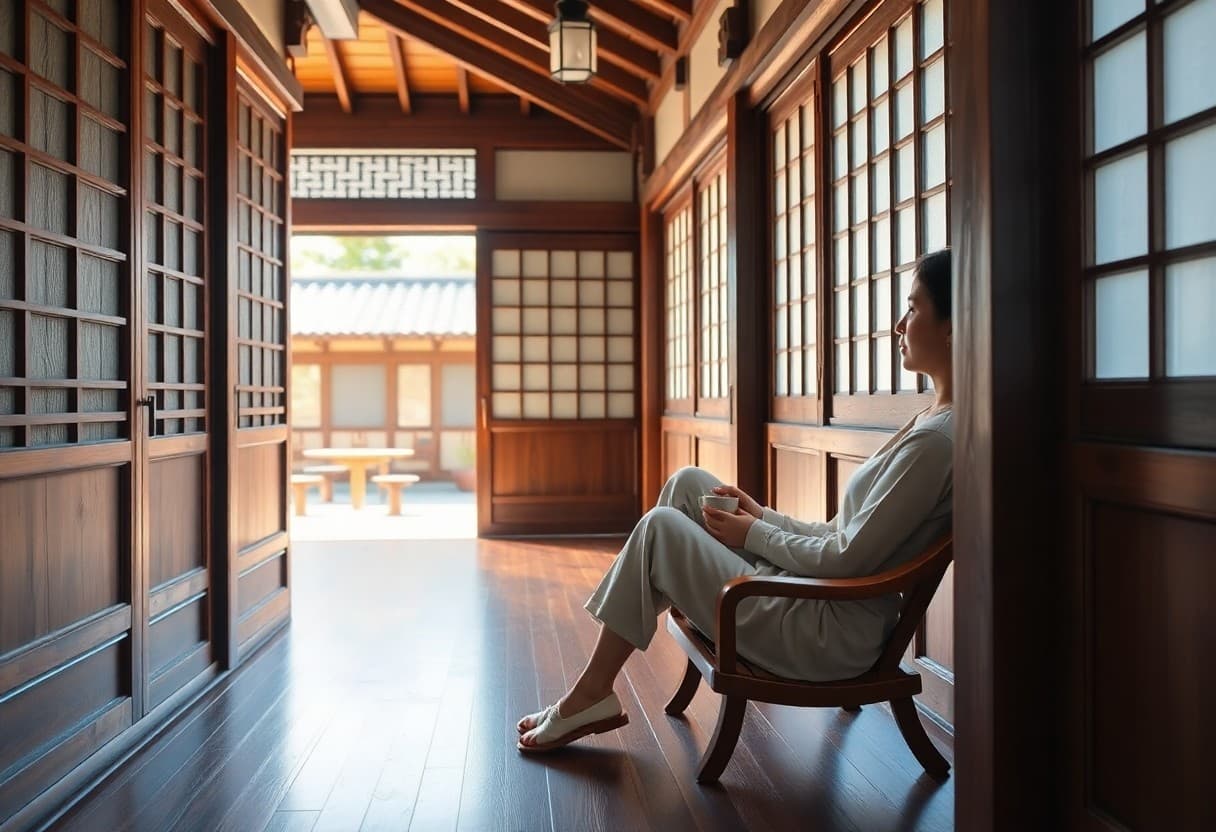
- in your surroundings. This means lingering over a cup of tea in your Hanok's courtyard, enjoying the quiet morning air, or taking a leisurely stroll through a nearby neighborhood. It's about the quality of experience, not the quantity of sights seen. I've found that by choosing a well-connected Hanok, I often discover charming local eateries and smaller, less-touristed spots that I would have missed if I were solely focused on a packed itinerary.
Finding Your Accessible Hanok Haven
Selecting the right Hanok when you're car-free is all about strategic planning. It’s not just about finding a beautiful building; it’s about finding one that fits your travel rhythm.
Key Location Factors for Public Transit Users:
- Proximity to Major Transit Hubs: Look for Hanoks within a 10–15 minute walk of subway stations or major bus stops. Websites often list the nearest station, but a quick map search can confirm the walking distance and route.
- Neighborhood Vibe: Consider the surrounding area. Is it a quiet residential street, or is it bustling with shops and cafes? A balance is often ideal – close enough to amenities but not so central that it’s overwhelmingly noisy.
- Connectivity to Day Trips: If you plan to venture outside the city, check how easy it is to access intercity bus terminals or train stations from your chosen Hanok. A 20-minute bus ride to a KTX station is perfectly manageable and far preferable to a lengthy taxi journey.
Examples of Transit-Friendly Hanok Stays:
While specific availability changes, here are the *types
- of locations and experiences that work well. I’m not naming specific establishments to avoid endorsement, but these are the characteristics to seek out:
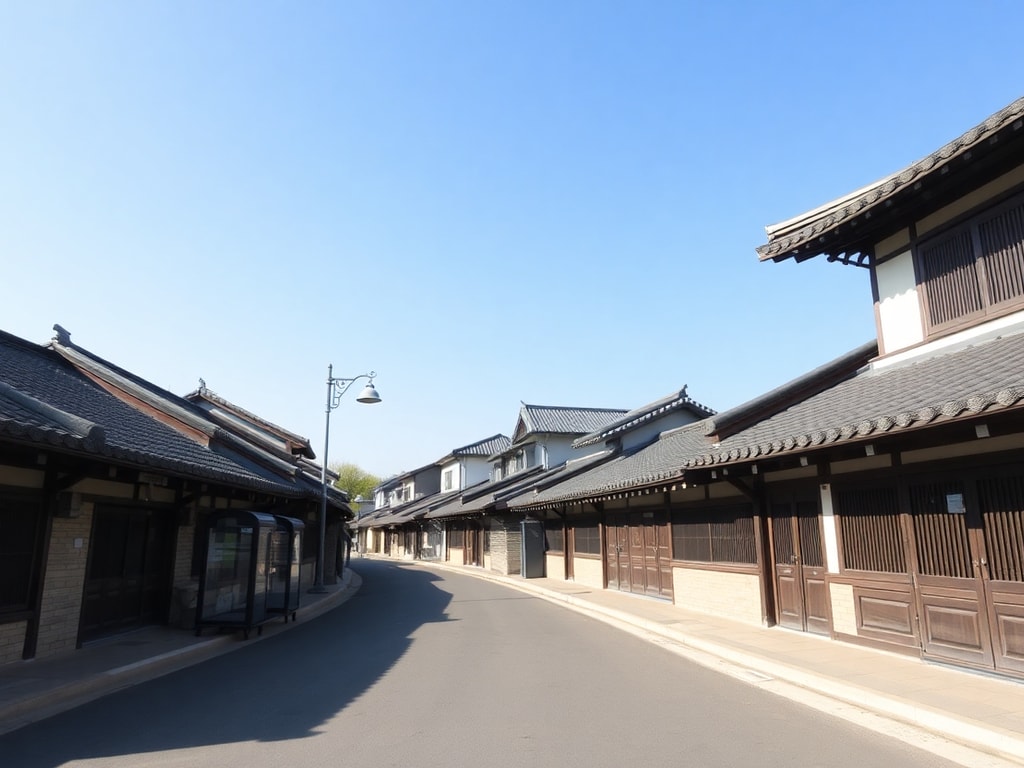
- The Urban Oasis Hanok: Imagine a Hanok nestled in a quieter alley of a well-known Seoul district like Bukchon or Ikseon-dong. These areas are often served by multiple subway lines (e.g., Anguk Station, Jongno 3-ga Station), making them incredibly accessible. You can spend your days exploring the immediate historic alleys and easily hop on the subway to visit other parts of the city.
- What to expect: Often beautifully restored, offering a peaceful retreat from the city buzz. Many are within a 5–10 minute walk of at least one major subway line.
- Rough price band: Can range from mid-tier (₩100,000-₩200,000 per night) to higher-end, depending on amenities and size.
- Sightseeing flow: Excellent. You can walk to Gyeongbokgung Palace or Changdeokgung Palace, and the subway connects you to Myeongdong, Gangnam, or Hongdae in under 30 minutes.
- The Cultural Hub Hanok (e.g., Jeonju): Jeonju's Hanok Village is a prime example where many Hanoks are located within walking distance of each other and the main bus terminal. This makes it ideal for travelers arriving by intercity bus. Once you're there, the village itself is best explored on foot.
- What to order/vibe: The vibe is immersive, with many Hanoks offering traditional experiences like wearing Hanbok. Many local eateries within the village serve Jeonju's famous bibimbap and moju (a traditional rice wine).
- Rough price band: Generally more affordable than Seoul, often in the ₩70,000-₩150,000 range.
- Sightseeing flow: Ideal for staying within the village and exploring its many alleys. Day trips to areas outside Jeonju would require careful bus planning from the main terminal.
- The Provincial Town Gem: Beyond the major cities, smaller towns often have preserved Hanoks that are surprisingly accessible. For instance, a town like Andong, known for its folk village, has accommodations that might be a 15–20 minute bus ride from the intercity bus terminal. This often means a quieter, more authentic experience.
- What to expect: More rural, potentially with larger courtyards and a stronger emphasis on nature. You'll likely need to rely on local buses for transport within the town.
- Rough price band: Typically the most budget-friendly, often ₩50,000-₩100,000 per night.
- Sightseeing flow: Best suited for those who want to immerse themselves in a specific cultural site or natural area and don't mind less frequent public transport options for further exploration.
Common Pitfalls and How to Sidestep Them
Despite the inherent charm, there are a few common missteps I've seen or experienced that can detract from a perfect Hanok getaway.
Mistake 1: Underestimating Walking Distances
- The Problem: Online maps can sometimes be deceiving, or you might overlook the fact that a listed station is actually 25 minutes away from your accommodation, uphill. This adds significant time and energy drain to your day, especially with luggage.
- The Fix: Always use a mapping tool like Naver Maps or Kakao Maps (which are more accurate for Korea than Google Maps) to check the *walking route
- and *time
- from the nearest transit stop to the Hanok. Look for reviews that specifically mention ease of access.
Mistake 2: Assuming All Hanoks Are Equal
- The Problem: The term 'Hanok stay' can be broad. Some are meticulously preserved historical homes, while others are more modern constructions designed to *look
- like Hanoks. The authenticity and the experience can vary drastically.
- The Fix: Read descriptions carefully. Look for details about the building's history, original materials, and traditional features like ondol (floor heating) and hanji (traditional Korean paper) windows. Photos should show these elements prominently.
Mistake 3: Forgetting About Luggage Logistics
- The Problem: Navigating busy train stations or bus terminals with large suitcases can be a hassle. If your Hanok is down a narrow alley or up a steep path, you might regret your packing choices.
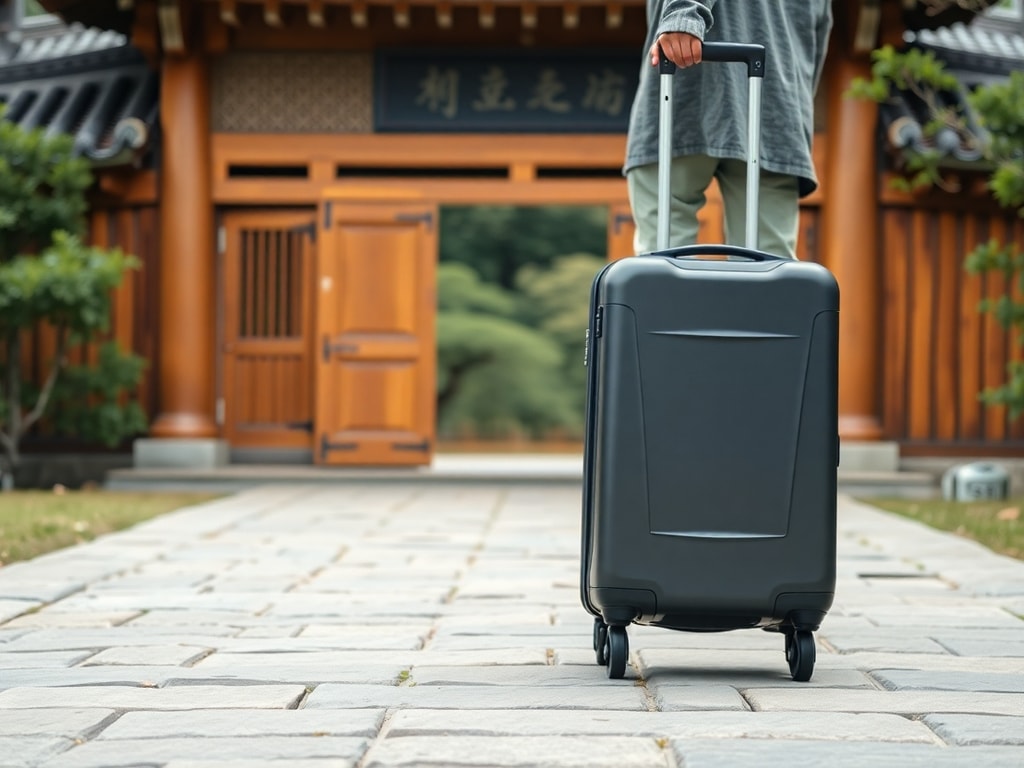
- The Fix: Pack light! Aim for a backpack or a smaller rolling suitcase that's easy to manage. If you have a lot of luggage, consider sending it ahead via a courier service like 'Sadong' (convenient for major cities) to your accommodation or a designated pickup point.
Planning Your Transit-Centric Hanok Adventure
Choosing a Hanok stay accessible by public transport is more than just a lodging choice; it's a commitment to a more grounded, immersive, and stress-free travel experience. It allows you to connect with the local culture at a human pace, discover hidden gems, and truly appreciate the tranquility that these traditional homes offer. By focusing on accessibility, reading reviews, and packing smart, you can unlock a truly memorable Korean adventure without the need for a car.
To take action today: Identify one region in Korea you're interested in visiting. Then, spend 20–30 minutes researching Hanok accommodations in that area, specifically looking at their proximity to subway stations or major bus routes using a Korean mapping app. This small step can open up a world of possibilities for your next trip.
Previous
Sick child during overseas travel: Managing care and costs
Next
Hanok Stays: Easy Transit Solo Travel Guide
More in Travel

Slow Travel with Pets: A 4N5D Low-Walking Guide to Gangneung and Yangyang
Plan a relaxed 4-night, 5-day pet-friendly trip to Gangneung and Yangyang. Discover low-walking itineraries, budget tips, and safety checklists.
1N2D Couple's Travel: The Ultimate Food Allergy Survival Guide
Plan a safe 1-night, 2-day couple's trip abroad. Learn how to manage food allergies using public transit, prepare emergency cards, and build a backup plan.

Sick child during overseas travel: Managing care and costs
Learn how to manage a sick child during overseas travel when peak season bookings are full. Discover emergency alternatives, cost-saving tips, and next steps.

How to Apply for an International Travel Visa for Your Family
Learn how to apply for an international travel visa for your family. This guide covers documentation for minors, processing times, and common pitfalls to avoid.