New Zealand Travel Guide for Couples: Budgeting for Aotearoa
Key Takeaways
Planning a New Zealand trip for two on a budget? Discover how to save money on accommodation, food, and activities while experiencing the real Aotearoa.
New Zealand Travel Guide for Couples: Budgeting for Aotearoa
Most people assume a trip to New Zealand involves lavish spending on luxury resorts and guided tours, but in practice, experiencing the stunning landscapes and vibrant culture can be remarkably accessible for budget-conscious couples like us. When my partner and I first started exploring Aotearoa, we quickly learned that the real magic often lies beyond the most expensive attractions and that a well-planned budget can unlock deeper, more authentic experiences.
Why Budgeting Matters for Your New Zealand Couple's Adventure
Ignoring your budget when planning a trip to New Zealand isn't just about saving money; it has concrete consequences that can significantly impact your entire experience. For a start, unchecked spending can lead to considerable financial stress throughout your journey. Instead of savouring the moment, you might find yourselves constantly checking bank balances, which diminishes the joy of travel and the very reason you set off in the first place.
Furthermore, focusing solely on expensive, well-advertised tourist traps can mean missing out on the genuine, local experiences that often cost very little. Many of New Zealand's most breathtaking sights, such as countless hiking trails and pristine beaches, are completely free to access. If your budget is strained, you might feel compelled to cut short your trip or limit your activities to only the most iconic, often crowded, spots. This can lead to a rushed, superficial visit rather than the slow, immersive exploration that truly allows you to connect with the country and each other.
In our experience, a clear budget allows us to travel slower, stay longer in places we love, and genuinely soak in the atmosphere. For example, opting for a holiday park cabin in a scenic location like Taupo or the Abel Tasman region, which might cost around NZ$100–150 per night, provides a comfortable base with self-catering facilities. This contrasts sharply with a luxury hotel room easily costing NZ$500 or more per night, which can quickly deplete funds meant for weeks of travel in just a few days. By making smart choices, you transform a potentially fleeting and stressful holiday into a memorable, extended adventure.
How Can Couples Enjoy New Zealand Without Breaking the Bank?
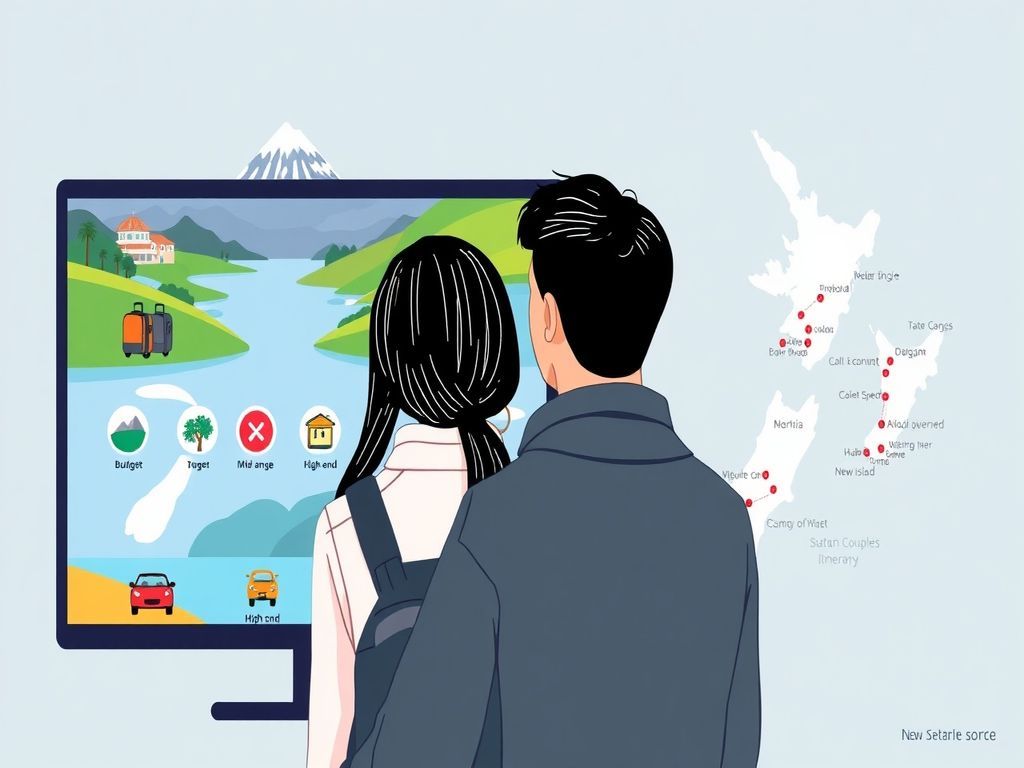
Navigating New Zealand on a budget as a couple requires a strategic approach across several key areas: accommodation, food, transport, and activities. By making informed decisions in each, you can significantly reduce costs without compromising on the quality of your experience.
Accommodation: Smart Stays for Less
Accommodation is often one of the largest expenses, but New Zealand offers excellent value options:
- Holiday Parks & Campsites: These are a fantastic option, especially if you're traveling with a campervan or even a tent. However, many holiday parks also offer 'cabins' or 'motel units' that provide private rooms, shared kitchen facilities, and often private bathrooms, all at a fraction of the cost of traditional hotels. We've stayed in comfortable cabins for NZ$80–150 per night. They often have great community facilities, like BBQ areas and shared lounges, perfect for meeting other travellers.
- Motels & Budget B&Bs: New Zealand has an abundance of well-maintained motels, many offering kitchenettes for self-catering. These can range from NZ$120–200 per night and often provide a good balance of privacy and affordability. Look for independent operators in smaller towns for better deals.
- House Swaps or Longer Stays: For extended trips (e.g., 2–3 weeks or more in one region), consider house-sitting or short-term holiday rentals. Websites like 'Bookabach' or 'Airbnb' can offer great deals for longer durations, sometimes making the cost per night comparable to, or even less than, a motel. This offers a true 'local' experience. For example, during a two-week exploration of the South Island, staying primarily in holiday park cabins and budget motels allowed us to keep our accommodation costs to an average of NZ$130 per night, saving us approximately 60% compared to if we had chosen mid-range hotels.
Food: Savoring Flavors on a Budget
Eating out for every meal can quickly inflate your budget. We've found that a mix of self-catering and strategic dining works best:
- Self-Catering: Make good use of supermarket chains like Pak'nSave (generally the cheapest), Countdown, and New World. Stock up on essentials for breakfast, lunch, and some dinners. Holiday park kitchens are usually well-equipped, making cooking easy. Our daily food budget averaged NZ$80–120 for two by cooking most meals.
- Local Markets: Seek out local farmers' markets for fresh produce, artisanal bread, and often ready-to-eat gourmet snacks at reasonable prices. They're also a great way to experience local culture.
- Cafes & Pubs: For meals out, target cafes for breakfast or lunch, which are generally more affordable than dinner. Many pubs offer 'lunch specials' or 'happy hour' deals on food and drinks. Fish and chips from a local takeaway shop is also a classic, budget-friendly treat. When we do eat out, we look for places that offer good value and a real sense of place. Here are the types of places we seek out:
A Local Bakery/Café (e.g., in Rotorua or Taupo): After exploring geothermal parks or enjoying a lakeside stroll, we often look for a welcoming café. These spots are perfect for a hearty brunch or a light lunch. You'll often find delicious savoury pies, freshly baked goods, and excellent coffee. It's a casual, relaxed vibe. For two, expect to pay around NZ$30–50.
A Traditional Pub (e.g., in Dunedin or Christchurch): For dinner, especially after a day of sightseeing historic architecture or exploring a city, a traditional pub offers a fantastic atmosphere and often great value. Look for classic pub fare like fish and chips, hearty burgers, or a Sunday roast. It's a chance to relax with a local brew. A meal for two typically falls in the NZ$60–90 range.
A Farmer's Market Food Stall (e.g., Queenstown Lakes District, Saturday morning): If your visit aligns with a local farmer's market (many towns have them weekly), this is an unbeatable option for a diverse, budget-friendly lunch. You can sample everything from gourmet sausages and artisanal cheeses to international street food and fresh fruit. It's perfect for gathering picnic supplies before a hike. For two, you can usually enjoy a satisfying meal for NZ$20–40.
Transport: Navigating Aotearoa Affordably
New Zealand's beauty is spread out, making transport a critical budget item:
- Rental Car: For couples wanting flexibility, a rental car is almost essential. Book well in advance (3–6 months, especially for peak season) to secure the best rates. A compact sedan or small SUV will be fuel-efficient and easier to navigate on winding roads. We've secured compact cars for NZ$50–100 per day by booking 4 months ahead.
- Campervan: A campervan combines accommodation and transport, which can be very cost-effective. While the daily rental rate (NZ$150–300+) might seem high, you save on separate accommodation costs. Factor in fuel and campsite fees (NZ$20–50 per night for a powered site).
- Intercity Buses: Companies like InterCity offer routes between major towns, but they are less flexible for exploring remote national parks or scenic drives. This option is best if you're focusing on city-to-city travel or specific, popular tourist hubs that have good bus connections. Remember to factor in fuel costs, which can be significant. As of early 2024, petrol prices typically range from NZ$2.80–3.20 per litre.
Activities: Free & Low-Cost Wonders
New Zealand is a paradise for outdoor enthusiasts, and many of its best attractions are free or low-cost:
- Hiking & Walking: The Department of Conservation (DOC) maintains thousands of kilometres of walking tracks, from short strolls to multi-day Great Walks (some require booking and fees). Many day hikes are completely free and offer spectacular scenery. Spending an afternoon on a free DOC trail around Mount Maunganui, for instance, offers stunning coastal views that are just as rewarding as any paid excursion.
- Beaches & Lakes: New Zealand's coastline and numerous lakes offer endless opportunities for swimming, picnicking, and photography without spending a cent.
- Museums & Galleries: While major national museums might have an entry fee, many regional museums and art galleries offer free admission or a modest donation-based entry, providing excellent cultural insights.
- DOC Passes: If you plan on doing multiple Great Walks or staying in DOC huts, consider purchasing a DOC hut pass or an annual pass, which can offer significant savings over individual bookings.
What are Common Budgeting Mistakes for New Zealand Trips?
Even with the best intentions, it's easy to fall into common traps that can derail your budget. Being aware of these pitfalls can help you avoid them.
Mistake 1: Underestimating Daily Costs
Problem: Many travellers, particularly from countries with lower costs of living, underestimate the daily expenses in New Zealand. Fuel, groceries, and even a simple coffee can add up quickly. It's easy to assume prices are comparable to other popular travel destinations, but New Zealand can be surprisingly expensive in some categories.
Fix: Research typical costs thoroughly before you go. Look up average prices for petrol, basic groceries, and a few specific attractions you're interested in. Then, add a 10–15% buffer to your daily budget for unexpected expenses or small indulgences. We always factor in a 'miscellaneous' category of around NZ$50 per day to absorb these small surprises.
Mistake 2: Not Booking in Advance
Problem: New Zealand's popularity, especially during its peak summer season (December–February), means that last-minute bookings for rental cars, popular accommodations, and certain tours can lead to significantly higher prices, or worse, no availability at all. This forces costly compromises or changes to your itinerary.
Fix: For peak season travel, aim to book your rental car and key accommodation at least 6 months in advance. For the shoulder seasons, 3–4 months is usually sufficient. We've found that prices for car rentals can be 20–30% higher if booked less than 2 months prior to departure, completely negating any budget planning.
Mistake 3: Sticking Exclusively to Tourist Hotspots
Problem: Iconic locations like Queenstown, Milford Sound (for tours), and Rotorua, while beautiful, often come with premium prices for everything from parking to meals and activities. Focusing solely on these well-trodden paths can inflate your budget without necessarily enhancing your experience compared to what's available elsewhere.
Fix: Balance your itinerary with visits to lesser-known towns or regions. Places like Oamaru, the Catlins, or the Coromandel Peninsula offer incredible natural beauty and authentic experiences often at a fraction of the cost. We found that by spending half our trip in these quieter spots, our daily expenses were noticeably lower, allowing us to stretch our budget further and discover hidden gems we might have otherwise missed.

Summary: Your Budget-Friendly New Zealand Journey
Embarking on a New Zealand adventure as a couple doesn't have to break the bank. With a thoughtful approach and smart choices, you can experience the country's stunning beauty and vibrant culture without financial strain. Here are the three key takeaways for a budget-friendly trip:
Prioritize self-catering and budget-friendly accommodation: Utilise holiday parks, motels with kitchenettes, and supermarkets to significantly cut down on food and lodging costs, freeing up funds for experiences.
Book transport and key stays well in advance: Securing rental cars and popular accommodation several months ahead, especially for peak travel times, can lead to substantial savings and prevent last-minute price hikes.
Embrace free activities and explore off the beaten path: New Zealand's natural wonders, from hiking trails to pristine beaches, are often free. Mix iconic destinations with quieter, equally beautiful regions to enhance your experience and stretch your budget further. To start your budget-friendly New Zealand adventure today, I encourage you to begin researching holiday parks and campervan rental options for your preferred travel dates. Comparing prices now will give you a clear picture of potential savings and set you on the right path for an unforgettable trip.
Previous
Gyeongju Family Trip: Summer Beaches with a Baby on a Budget
Next
New Zealand Travel Guide for Couples: Budgeting for Aotearoa
More in Travel

Slow Travel with Pets: A 4N5D Low-Walking Guide to Gangneung and Yangyang
Plan a relaxed 4-night, 5-day pet-friendly trip to Gangneung and Yangyang. Discover low-walking itineraries, budget tips, and safety checklists.
1N2D Couple's Travel: The Ultimate Food Allergy Survival Guide
Plan a safe 1-night, 2-day couple's trip abroad. Learn how to manage food allergies using public transit, prepare emergency cards, and build a backup plan.
Hanok Stays: Easy Transit Solo Travel Guide
Discover charming Korean Hanok stays accessible by public transit. Prioritize pace and ease on your solo or friends' weekend trip, avoiding car dependency.

Sick child during overseas travel: Managing care and costs
Learn how to manage a sick child during overseas travel when peak season bookings are full. Discover emergency alternatives, cost-saving tips, and next steps.