Low-Cost Carrier Tips: Essential Precautions for Budget Travelers

Key Takeaways
Low-cost carrier tips for backpackers. Learn how to avoid hidden fees, manage strict baggage limits, and navigate secondary airports to save money on travel.
Low-Cost Carrier Tips: Essential Precautions for Budget Travelers
If you've ever arrived at the airport only to find that your 'cheap' 20-dollar flight requires a 50-dollar fee just to print a boarding pass, you know that low-cost carriers (LCCs) come with a steep learning curve. These airlines offer incredibly low base fares by unbundling every possible service, from seat selection to the right to carry a suitcase. For a backpacker trying to stretch a budget, these flights are essential, but they require a level of precision that full-service airlines do not. In my experience, the difference between a successful budget flight and an expensive mistake lies entirely in the preparation done 24 to 48 hours before departure.
How can you avoid hidden fees on budget airlines?
The core answer to navigating low-cost carriers successfully is to assume that nothing is included in your ticket price except for your physical presence on the plane. To keep the cost at the advertised rate, you must perform every administrative task yourself and bring absolutely nothing that exceeds the minimum dimensions. This means checking in online the moment the window opens—often 24 to 48 hours before the flight—and downloading a digital boarding pass to your phone. Many budget airlines charge a 'desk check-in fee' or a 'boarding pass re-issue fee' that can range from $20 to $60 depending on the region.
Beyond check-in, you must be extremely disciplined with baggage. Most low-cost carriers allow one 'personal item' for free, which must fit under the seat in front of you. This is typically limited to 40cm x 20cm x 25cm. If your bag exceeds this by even 2cm, gate agents may charge you a 'gate bag fee' which is almost always 50% to 100% more expensive than if you had pre-booked a bag online. In my five years of budget travel, I have observed that agents are more likely to check bag sizes during peak season when overhead bins are crowded. Always use the metal sizer at the gate before the agent asks you to, so you can adjust your packing if necessary.
What are the non-negotiable rules for LCC baggage?
Baggage is the primary way budget airlines make their profit. While a full-service carrier might allow a 23kg checked bag and a 10kg carry-on, a budget carrier like AirAsia or Spirit might limit you to a combined weight of 7kg for everything you bring into the cabin. This is a very strict limit. In practice, a standard empty carry-on suitcase weighs about 2kg to 3kg, leaving you with only 4kg for your actual belongings. For this reason, I switched to a lightweight 40-liter backpack that weighs only 800g, allowing me to pack more gear while staying under the limit.
The 7kg Carry-On Strategy
- Use a luggage scale: Never guess the weight of your bag. A portable digital scale costs about $10 and can save you $50 in overweight fees.
- Wear your weight: If you are at 8kg, put on your heaviest boots, your jacket, and put your power bank in your pocket. I have seen travelers wear three layers of clothes to pass the weigh-in at the gate.
- Consolidate items: Ensure you do not have a separate 'small purse' and a 'backpack' unless the airline explicitly allows two items. Many LCCs only allow one single piece of luggage.
Checked Bag Pitfalls
If you must check a bag, buy the allowance at the time of booking. Adding a bag at the airport counter is the most expensive way to travel. Furthermore, be aware of 'weight pooling.' If you are traveling with a friend and you both have a 20kg allowance, some airlines allow you to have one 25kg bag and one 15kg bag, but others do not. They may charge you for the 5kg overage on the first bag regardless of the second bag being light. Always verify the airline's specific policy on their official 'Terms and Conditions' page rather than relying on third-party travel blogs.
Understanding the trade-offs: When is a budget flight actually more expensive?
A 30-dollar flight is not always 30 dollars. One of the most common traps for backpackers is the 'Secondary Airport' issue. Low-cost carriers frequently fly to airports that are located far outside the city they claim to serve. For example, flights to 'Paris' via a budget carrier often land at Beauvais-Tillé Airport, which is approximately 80km away from the center of Paris. A shuttle bus from Beauvais to the city costs about $18 each way and takes 75 minutes. If a flight to the main Charles de Gaulle airport is only $40 more, the main airport is actually the better deal when you factor in the cost of the bus and the value of your time.
Another cost to consider is the 'Self-Transfer' risk. Budget airlines do not typically have 'interline agreements.' This means if you book a flight from Bangkok to Kuala Lumpur on one budget airline, and a connecting flight to Sydney on another, the two flights are not linked. If the first flight is delayed by 3 hours and you miss your connection, the second airline has no obligation to rebook you. You will likely lose the full value of the second ticket. In these cases, I recommend a minimum of 5 to 6 hours between flights, or better yet, an overnight stay in the connection city.
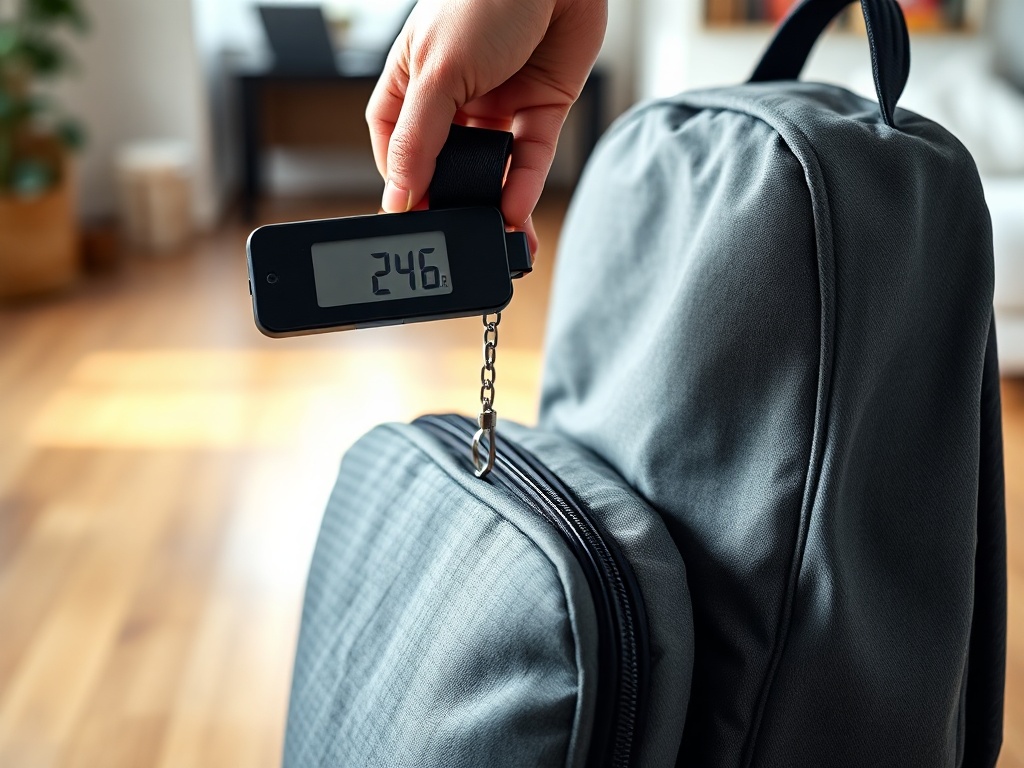
Essential checklist for a smooth low-cost flight experience
To maximize the benefits of low-cost travel, you need a system. I follow a specific routine for every LCC flight to ensure I never pay more than the base fare. Specifically, I use a dedicated 'travel folder' on my phone for offline access to all documents, as airport Wi-Fi is notoriously unreliable.
- Verify the airport location: Check the distance from the city center and the price of the airport transfer bus or train.
- Pre-download the airline app: This is the easiest way to manage check-in and receive real-time gate change notifications.
- Bring a refillable water bottle: Empty it before security and fill it at the gate to avoid paying $4 for water on the plane.
- Pack a 'flight kit': Include a portable charger, headphones, and snacks. Budget planes rarely have seatback screens or free power outlets.
- Check the 'Personal Item' dimensions: Ensure your backpack fits the specific measurements for that airline, as they vary by 2-5cm between carriers.
Where to eat when flying budget routes
When you fly budget, you often end up in secondary terminals or remote airports where food options are limited and overpriced. For example, if you are flying out of London Stansted, the food court is often overcrowded. In practice, I find it much better to eat a substantial meal in the city center before heading to the airport.
If you find yourself stuck at a secondary hub, look for local franchises rather than 'airport-only' cafes. For instance, at many European budget hubs, a 'Pret A Manger' or 'Greggs' will have more standardized pricing than a generic airport bar. A meal at these locations usually costs between $7 and $12, whereas a sit-down airport restaurant will easily cost $20-25 for a basic burger. If you are landing late at night at a budget airport, be aware that most shops will be closed. I once landed at 11:30 PM and had to pay $15 for a stale sandwich at a gas station because nothing else was open. Always carry a small stash of trail mix or protein bars for these 'midnight arrivals.'
Critical caveats: When this advice may fail
While the 'travel light and check in early' strategy works for 90% of budget travelers, there are specific scenarios where it fails. If you are traveling with specialized equipment—such as a surfboard, a musical instrument, or professional camera gear—a low-cost carrier is often a poor choice. The 'oversized item' fees are frequently higher than the cost of a full-service ticket that includes those items in the base price.
Furthermore, if you have a rigid schedule with no room for error, budget airlines represent a higher risk. LCCs often operate with very thin margins and 'tight' aircraft rotations. If one plane has a mechanical issue in the morning, it can cause a 'knock-on' effect that delays every subsequent flight that day. Unlike major carriers, a budget airline may only fly your specific route once a day, meaning a cancellation could leave you stranded for 24 hours.
Decision criteria for choosing an LCC:
Total Cost: (Base Fare + Baggage + Seat + Transport to City) vs. Full-Service Fare.
Risk Tolerance: Do you have a critical meeting or a non-refundable tour the next morning?
Physical Comfort: Are you okay with a 29-inch seat pitch for more than 4 hours?
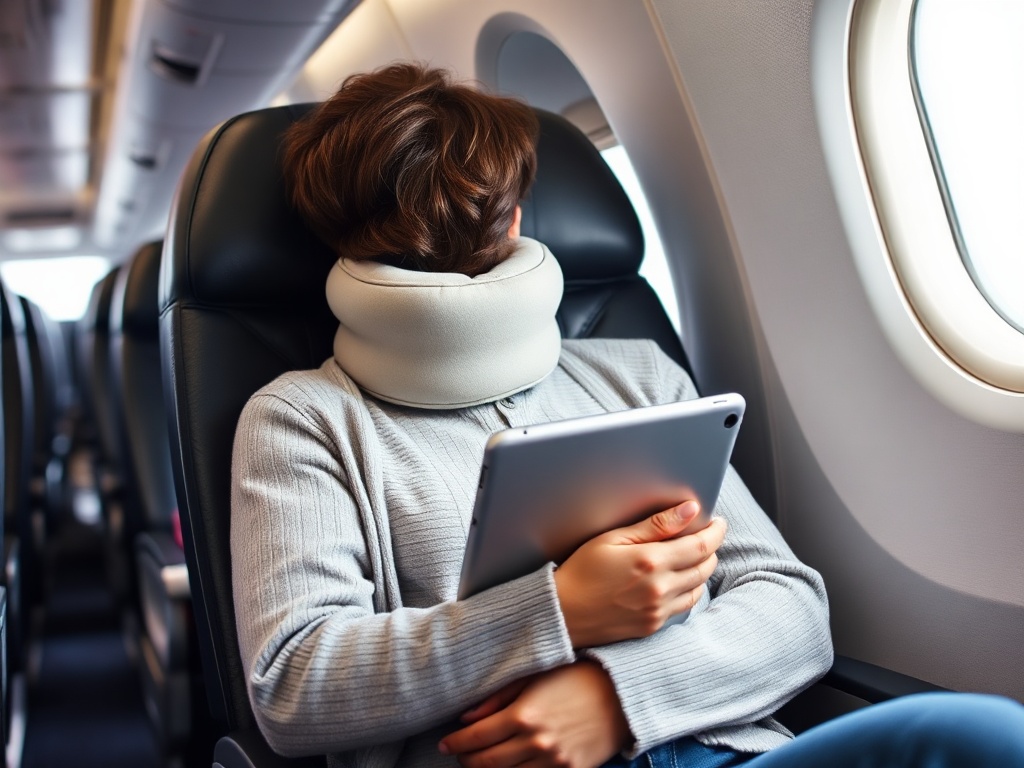
What readers may miss: The 'Hidden' cost of comfort
Many travelers focus entirely on the baggage and check-in fees but forget about the physical toll of low-cost travel. Budget airlines often use 'slimline' seats that do not recline and have less padding to save weight. On a 1-hour flight, this is negligible. On a 4-hour flight, the lack of lumbar support and the inability to charge your phone can lead to significant fatigue. If you are a tall traveler (over 185cm), the 'randomly assigned' middle seat on a budget flight can be a form of physical endurance.
Additionally, consider the 'time cost.' A budget flight that saves you $50 but requires a 2-hour bus ride at 3:00 AM might cost you a full day of sightseeing due to exhaustion. In my experience, if the savings are less than $30, it is almost always better to take the more convenient full-service flight or a train.
FAQ
What happens if the airline's app crashes and I cannot check in online?
If the official app or website is down, take a screenshot of the error message with the timestamp visible. When you arrive at the airport, go to the customer service desk immediately. Most airlines will waive the desk check-in fee if you can prove their digital systems were malfunctioning. However, do not wait until you are at the front of the baggage drop line; handle this at the service desk first to avoid being sent back and forth.
Can I bring a 'personal item' and a bag of duty-free shopping on a budget flight?
This depends heavily on the specific airline and the airport's local regulations. In many European airports, duty-free bags are permitted in addition to your allowance, but some ultra-low-cost carriers in Asia and the US are beginning to count duty-free bags as a second item. If the gate agent is being strict, you may be asked to stuff your duty-free purchases into your main backpack. Always leave a little extra space in your bag just in case this happens.
Are budget airlines less safe because the tickets are cheaper?
No, the lower price of the ticket is achieved through operational efficiency and unbundling services, not by cutting corners on maintenance or pilot training. In fact, many low-cost carriers have some of the youngest fleets in the world because newer planes are more fuel-efficient. Safety standards are regulated by national aviation authorities (like the FAA or EASA), and every airline must meet the same rigorous safety requirements regardless of their ticket prices.
Conclusion
Traveling with low-cost carriers is a skill that requires discipline and attention to detail. To ensure you actually save money, remember these three core principles: always calculate the 'total cost' including transportation and baggage, strictly adhere to the 7kg or 10kg weight limits by using a digital scale, and complete all administrative tasks like check-in online before arriving at the airport.
The most important action you can take today is to verify the specific baggage dimensions for your upcoming flight. Do not assume 'standard carry-on' sizes apply; spend five minutes on the airline's official website to confirm the exact centimeters allowed. If your bag is too large, pay for the upgrade now while it is still 50% cheaper than it will be at the gate.
Previous
Travel Insurance: Your Easy Guide
Next
Low-Cost Carrier Tips: Essential Precautions for Budget Travelers
More in Travel

Slow Travel with Pets: A 4N5D Low-Walking Guide to Gangneung and Yangyang
Plan a relaxed 4-night, 5-day pet-friendly trip to Gangneung and Yangyang. Discover low-walking itineraries, budget tips, and safety checklists.
1N2D Couple's Travel: The Ultimate Food Allergy Survival Guide
Plan a safe 1-night, 2-day couple's trip abroad. Learn how to manage food allergies using public transit, prepare emergency cards, and build a backup plan.

Hanok Stays: Easy Transit Solo Travel Guide
Discover charming Korean Hanok stays accessible by public transit. Prioritize pace and ease on your solo or friends' weekend trip, avoiding car dependency.

Sick child during overseas travel: Managing care and costs
Learn how to manage a sick child during overseas travel when peak season bookings are full. Discover emergency alternatives, cost-saving tips, and next steps.