India Travel Prep: Essential Backpacking Checklist
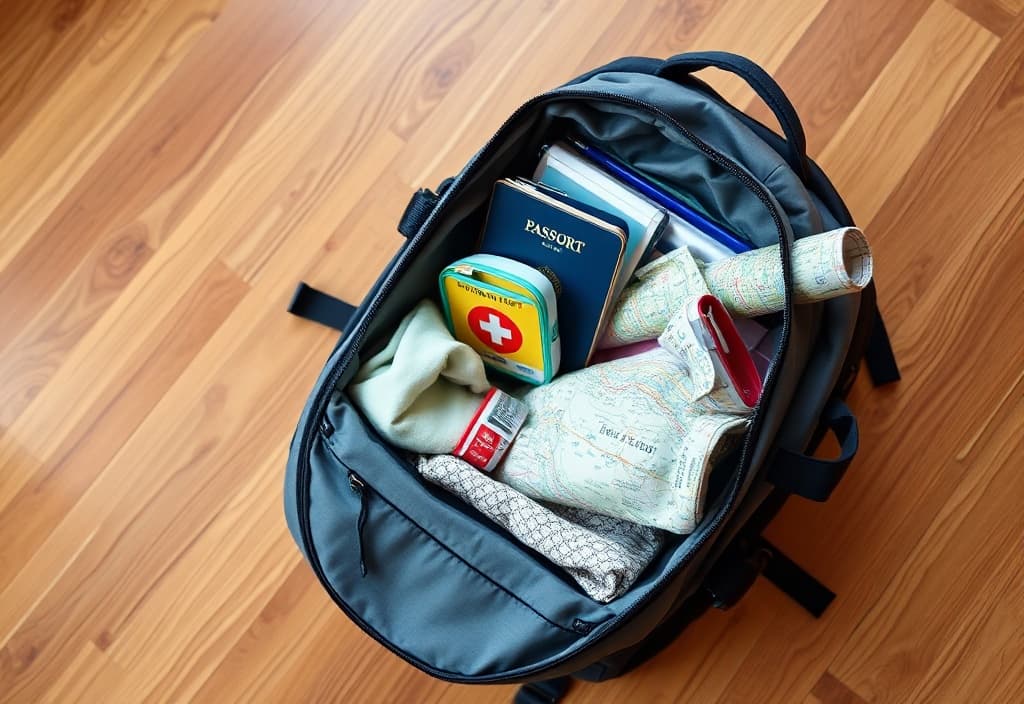
Key Takeaways
Planning to backpack in India? This essential checklist covers visa, health, packing, safety, and more to ensure a smooth adventure.
Backpacking India: Your Essential Preparation Checklist
The short answer is: thorough preparation is key to a rewarding backpacking trip in India. This involves understanding visa requirements, prioritizing health and vaccinations, packing strategically, and being aware of common safety considerations. Here's why a detailed approach will make your adventure smoother.
Understanding Your Entry Requirements: Visas and Documentation
Before you even think about booking flights, securing the correct visa is paramount. For most nationalities, an Indian visa is mandatory. The most common option for tourists is the e-Visa, which can be applied for online. The process typically requires scanned copies of your passport and a digital photograph. It's crucial to apply well in advance, as processing times can vary, and having your visa approved before you travel is essential to avoid any issues upon arrival.
Beyond your visa, ensure your passport is valid for at least six months beyond your intended stay and has sufficient blank pages for stamps. It's also wise to carry photocopies of your passport, visa, and any other important documents separately from the originals, and consider keeping digital backups accessible via cloud storage.
Key Documentation to Have Ready:
- Passport: Valid for at least 6 months past your stay, with at least 2 blank pages.
- Indian Visa: Typically an e-Visa, applied for online well in advance.
- Flight Itinerary: Proof of onward or return travel may be requested.
- Travel Insurance Details: Policy number and emergency contact information.
- Vaccination Records: Particularly for Yellow Fever if arriving from an endemic zone.
Health and Safety First: Vaccinations and Precautions
India presents a unique set of health considerations for travelers. Consulting a travel clinic or your doctor at least 4-6 weeks before your departure is highly recommended. They can provide personalized advice on necessary vaccinations and preventative measures.
Recommended Vaccinations:
- Hepatitis A and Typhoid: These are generally recommended for most travelers to India.
- Hepatitis B, Rabies, and Japanese Encephalitis: These may be recommended depending on your travel itinerary, activities, and duration of stay.
- Routine Vaccinations: Ensure your routine vaccinations (like Tetanus-Diphtheria, Measles-Mumps-Rubella) are up to date. Traveler's Diarrhea, often referred to as 'Delhi Belly', is a common concern. To mitigate this risk:
- Drink bottled or purified water only. Avoid tap water, ice cubes in drinks, and brushing your teeth with tap water.
- Eat well-cooked food from reputable establishments. Be cautious with street food, though many delicious and safe options exist if chosen wisely (look for busy stalls with high turnover).
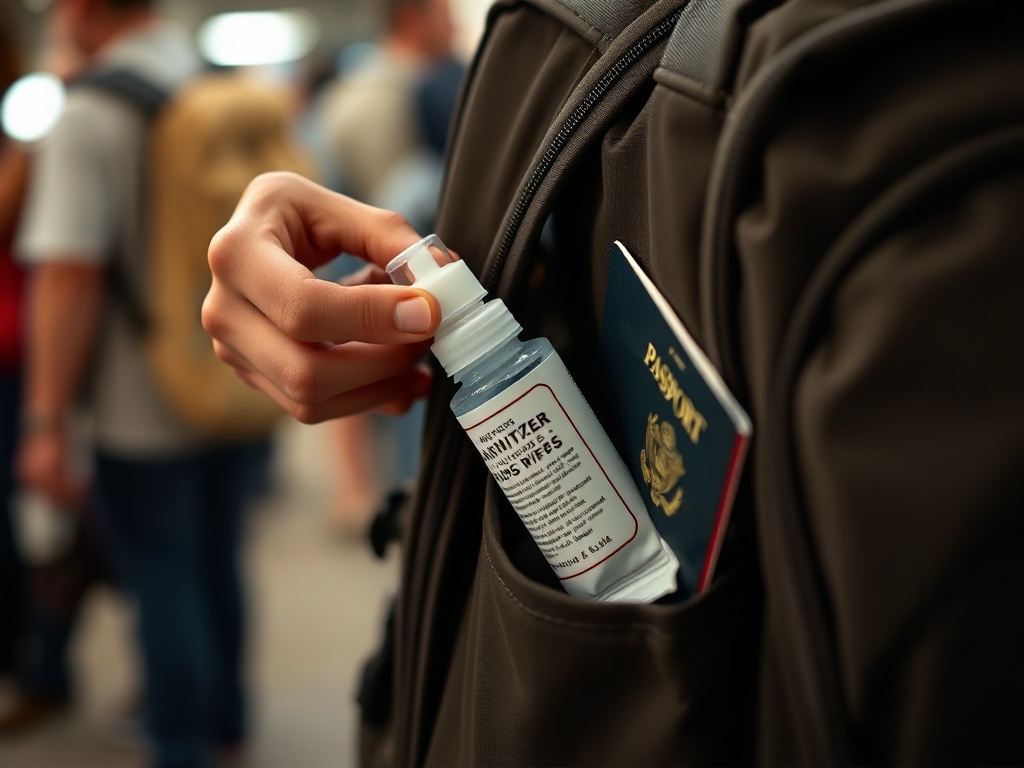
- Peel fruits and vegetables yourself if consuming them raw. Carry a basic first-aid kit with essentials like antiseptic wipes, bandages, pain relievers, anti-diarrheal medication, and any personal prescriptions. For example, packing a rehydration salt solution can be a lifesaver if you do experience significant dehydration.
Packing Smart: What to Carry for Indian Backpacking
Packing light is crucial for ease of movement, especially when navigating crowded trains and buses. The key is versatility and layering. India's climate varies dramatically by region and season, so adaptability is your best friend.
Clothing Essentials:
- Lightweight, breathable fabrics: Cotton and linen are ideal. Pack 3-4 tops and 2-3 bottoms that can be mixed and matched.
- Modest attire: To show respect for local culture and avoid unwanted attention, aim for clothing that covers shoulders and knees. Long skirts, loose trousers, and t-shirts are good choices.
- A light jacket or sweater: Evenings can be cool, especially in the north or at higher altitudes.
- Rain gear: A light, packable rain jacket or poncho is advisable during monsoon season (roughly June to September) or for mountainous regions.
- Comfortable walking shoes: You'll be doing a lot of walking. Consider one pair of sturdy sneakers and perhaps a pair of sandals.
- Scarf or sarong: Incredibly versatile for covering up, as a makeshift blanket, or for visiting religious sites.
Other Must-Haves:
- Backpack: A comfortable, durable backpack of 40-60 liters is ideal.
- Daypack: For carrying essentials during daily excursions.
- Universal adapter and power bank: To keep your devices charged.
- Insect repellent: Especially important in tropical and rural areas.
- Sunscreen and hat: The sun can be intense.
- Small padlock: Useful for securing your backpack zippers or locker at hostels.
- Travel towel: Quick-drying and lightweight. When it comes to electronics, consider bringing a universal travel adapter with surge protection. Power fluctuations can occur, and a good adapter can safeguard your devices. A portable power bank is also invaluable for long journeys where charging points are scarce.
Navigating India: Transportation and Accommodation
India's transportation network is vast and varied, offering everything from bustling local buses to efficient train services and budget airlines.
Transportation Options:
- Trains: The Indian Railways network is extensive and a quintessential backpacking experience. Booking tickets in advance, especially for popular routes and classes, is highly recommended. Websites like MakeMyTrip or the official IRCTC site can be used for bookings.
- Buses: A more budget-friendly option, buses operate between most towns and cities. Services range from basic to semi-luxury. Overnight buses are common for longer distances.
- Flights: For covering vast distances quickly, budget airlines like IndiGo, SpiceJet, and Air India offer competitive fares. Booking in advance often yields the best prices.
- Taxis and Ride-Sharing: Apps like Uber and Ola are available in major cities and offer a convenient way to get around locally. Auto-rickshaws are ubiquitous but always agree on a fare *before
- starting your journey. Accommodation generally caters to all budgets. Hostels offer dorm beds and are great for meeting other travelers, typically costing between $5-$15 per night. Budget guesthouses and hotels are also widely available, ranging from $15-$40 for a private room. Always check recent reviews for cleanliness and safety.
Safety and Cultural Awareness: Navigating Sensibly
While India is a welcoming country, a heightened sense of awareness can prevent many common pitfalls.
Common Mistakes to Avoid:
Not agreeing on prices beforehand: This applies to auto-rickshaws, market purchases, and sometimes even small eateries.
Trusting unsolicited advice too readily: Be wary of people who approach you offering tours or assistance immediately upon arrival; they may have ulterior motives.
Ignoring local customs and dress codes: Dressing modestly, especially when visiting religious sites or rural areas, is crucial for respect and comfort. Researching the specific customs of the regions you plan to visit will greatly enhance your experience. For instance, in some parts of India, it's customary to remove your shoes before entering a home or temple. For solo travelers, especially women, it's vital to be aware of your surroundings at all times. Avoid displaying expensive electronics or large sums of cash. If you feel uncomfortable or unsafe, don't hesitate to seek help from police, hotel staff, or other travelers.
Criteria for Decision Making:
When choosing how to travel and where to stay, consider these factors:
- Time: If you have limited time, flights and express trains are more efficient.
- Budget: Buses and local trains are the most economical options.
- Comfort: Sleeper class on trains or higher-tier buses offer more comfort than basic options.
- Experience: For a truly local feel, embrace the train journeys and local buses.
Critical Caveats: When This Advice May Not Apply
This guide is for general backpacking preparation. If you are traveling for business, on a luxury tour, or have specific medical conditions, your needs will differ significantly. The information provided on health is general; always consult a qualified medical professional for personalized advice. Similarly, visa regulations can change; always refer to the official Indian government immigration website for the most up-to-date information. The estimated daily budget is a guideline and can fluctuate wildly based on your personal spending habits and the specific cities or regions you visit.

Frequently Asked Questions
How do I handle money and banking in India?
It's advisable to carry a mix of cash and cards. Major credit and debit cards are accepted in larger hotels, restaurants, and shops in cities. However, for smaller towns, local markets, and transport, cash is essential. ATMs are widely available in most urban areas, but it's wise to inform your bank about your travel dates to avoid card blocking. Consider using a travel card with low foreign transaction fees.
What kind of local etiquette should I be aware of?
Beyond modest dress, learning a few basic Hindi phrases like 'Namaste' (hello/goodbye) and 'Dhanyawad' (thank you) can go a long way. Public displays of affection are generally frowned upon. When eating, it's customary in many regions to eat with your right hand. Always ask permission before taking photos of people, especially women.
What are the biggest scams backpackers should watch out for?
Common scams include the 'broken window' scam (where a taxi driver claims you broke something on their car), inflated prices for souvenirs or services, and 'fake' tour guides. Always be skeptical of overly helpful strangers and verify information independently. For instance, if a taxi driver insists on taking you to a specific shop, it's likely they'll receive a commission, and you'll probably overpay.
Conclusion and Next Steps
Preparing for a backpacking trip to India is an exciting part of the adventure. By focusing on visa and documentation, prioritizing your health with vaccinations and precautions, packing smartly with versatile clothing, and staying aware of local transport and safety norms, you set yourself up for an incredible journey. The three key takeaways are meticulous planning for entry, a proactive approach to health, and packing light yet efficiently.
Today's Action: Start by checking the visa requirements for your nationality on the official Indian government immigration website and schedule a consultation with a travel clinic for vaccinations.
Previous
Low-Cost Carrier Tips: Essential Precautions for Budget Travelers
Next
India Travel Prep: Essential Backpacking Checklist
More in Travel

Slow Travel with Pets: A 4N5D Low-Walking Guide to Gangneung and Yangyang
Plan a relaxed 4-night, 5-day pet-friendly trip to Gangneung and Yangyang. Discover low-walking itineraries, budget tips, and safety checklists.
1N2D Couple's Travel: The Ultimate Food Allergy Survival Guide
Plan a safe 1-night, 2-day couple's trip abroad. Learn how to manage food allergies using public transit, prepare emergency cards, and build a backup plan.

Hanok Stays: Easy Transit Solo Travel Guide
Discover charming Korean Hanok stays accessible by public transit. Prioritize pace and ease on your solo or friends' weekend trip, avoiding car dependency.

Sick child during overseas travel: Managing care and costs
Learn how to manage a sick child during overseas travel when peak season bookings are full. Discover emergency alternatives, cost-saving tips, and next steps.